Troubleshooting Your Coach RAC Necklace: Fixes & Care
Learn how to troubleshoot your Coach RAC necklace. Discover expert fixes for brass tarnish, broken clasps, and authenticity checks for vintage pieces.

Decoding the Coach RAC Necklace and Vintage Hallmarks
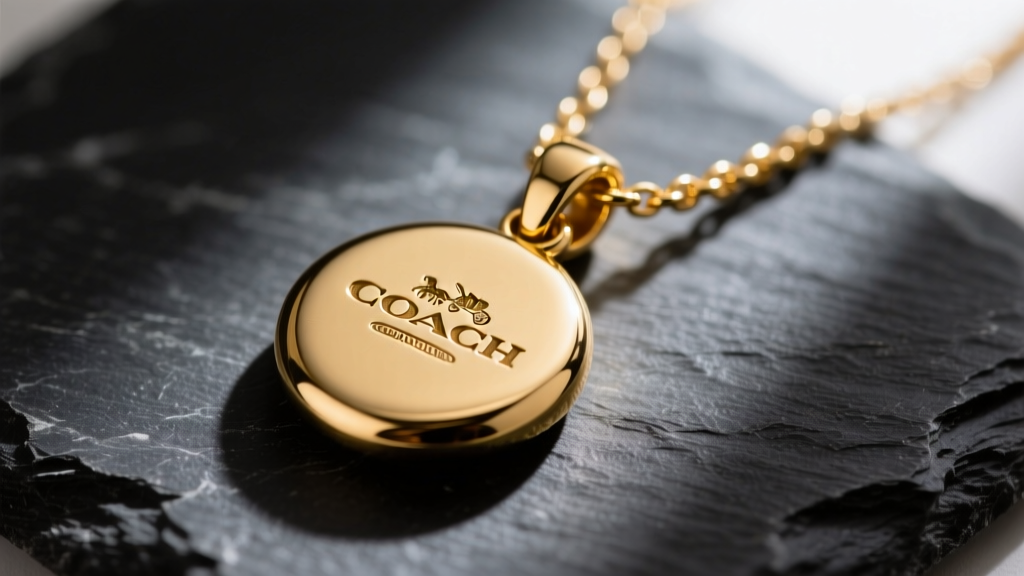
When navigating the secondary market for vintage fashion jewelry, collectors frequently search for a "Coach RAC necklace." In many cases, this specific query stems from a misread hallmark or a highly specific factory stamp found on vintage Coach pendants and chains from the late 1980s and 1990s. The stylized copyright symbol (©) combined with factory codes or the word "COACH" can easily be misinterpreted as "RAC" when the brass base metal experiences micro-abrasions or heavy tarnish. Regardless of whether you are dealing with a genuine factory-code piece or a classic vintage Coach pendant, fashion jewelry from this era shares a distinct metallurgical anatomy that requires specialized troubleshooting.
Unlike fine jewelry crafted from solid 14k or 18k gold, vintage Coach necklaces typically feature a brass or zinc-alloy base metal coated with a thin layer of gold or rhodium plating. Over decades of wear, exposure to environmental chlorides, and friction, these pieces develop specific failure modes. This guide provides a comprehensive, expert-level troubleshooting framework for restoring, repairing, and maintaining your vintage Coach necklaces.
The Anatomy of Vintage Coach Plating
Before attempting any restoration, it is critical to understand the material constraints of your necklace. According to the Gemological Institute of America (GIA), gold-plated fashion jewelry typically features a gold layer ranging from 0.17 microns (flash plating) to 2.5 microns (heavy gold electroplate). Vintage Coach pieces generally fall into the 0.5 to 1.5-micron range. When this microscopic layer wears away, the underlying brass—an alloy of copper and zinc—is exposed to air and the acids in human sweat, resulting in rapid oxidation and the dreaded "green skin" effect.
Material & Plating Comparison Chart
| Plating Type | Thickness | Wear Resistance | Common Application |
|---|---|---|---|
| Flash Plating | < 0.17 microns | Very Low (Months) | Fast fashion, low-cost accessories |
| Standard Gold Plate | 0.5 - 1.0 microns | Moderate (1-3 Years) | Vintage Coach & designer fashion jewelry |
| Heavy Gold Electroplate | > 2.5 microns | High (5-10+ Years) | Premium vintage pieces, watch cases |
| Gold Filled (GF) | 5% - 10% of total weight | Very High (Decades) | High-end vintage chains, permanent jewelry |
Troubleshooting Common Failure Modes
Issue 1: Severe Base Metal Tarnish and Plating Loss
The Symptom: The pendant exhibits dark, mottled spots, or a dull, coppery hue shows through the gold tone. You may notice a metallic odor or green residue on your skin after wearing it.
The Fix: Do not use harsh chemical dips or abrasive polishing cloths (like those treated with jeweler's rouge), as these will strip the remaining 0.5-micron gold layer entirely. Instead, use a mild, non-abrasive surfactant. Mix a few drops of pH-neutral dish soap (like Dawn) with distilled water. Gently agitate the necklace using a baby-soft toothbrush. If the brass is already fully exposed, your only permanent solution is professional electroplating. A reputable jeweler can strip the remaining degraded plating, polish the raw brass, and apply a fresh 2.0-micron layer of 14k or 18k gold. Expect to pay between $65 and $120 for this service, depending on the pendant's surface area.
Issue 2: Stiff, Stuck, or Broken Spring Ring Clasps
The Symptom: The clasp refuses to snap shut, or the small lever feels completely loose and offers no tension.
The Fix: Vintage Coach necklaces frequently utilized 5mm or 7mm spring ring clasps or small, lightweight lobster clasps. The internal mechanism relies on a tiny carbon-steel spring. When moisture breaches the clasp housing, this steel spring rusts and snaps. You cannot repair a broken internal spring; the entire clasp must be replaced.
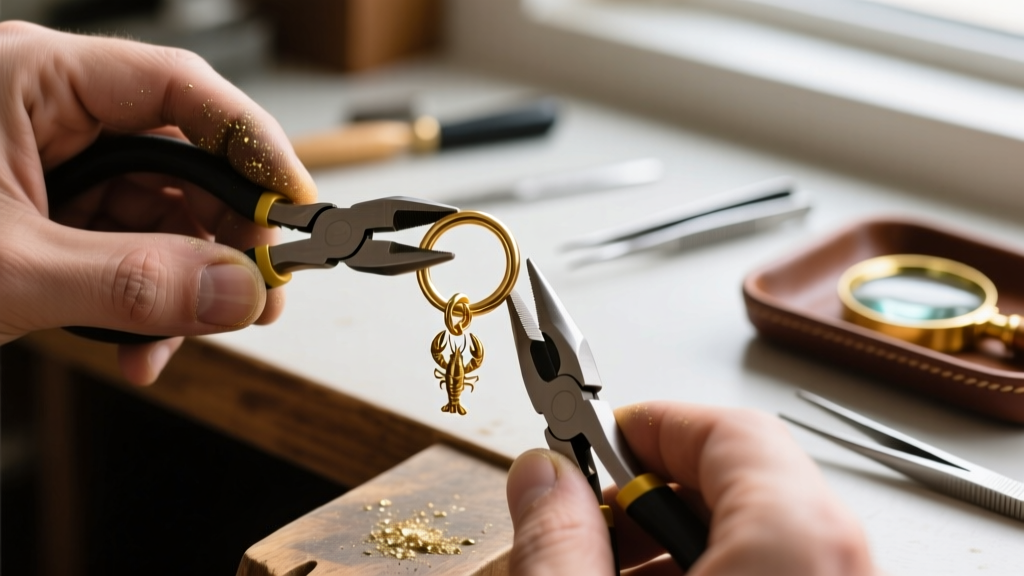
To replace it, you will need to open the jump ring connecting the clasp to the chain. According to findings specialists at Rio Grande, you should never pull a jump ring apart laterally, as this distorts its circular shape and weakens the metal. Instead, use two pairs of flat-nose pliers to grip the jump ring on either side of the split and twist one hand toward you and the other away. Replace the broken clasp with a high-quality 14k gold-filled lobster clasp and a fresh 16-gauge or 18-gauge gold-filled jump ring to prevent future corrosion.
Issue 3: Faded Hallmarks and Authenticity Verification
The Symptom: The stamp on the back of the pendant or the hangtag is completely worn smooth, making it impossible to verify if your Coach RAC necklace is genuine.
The Fix: Authenticity must then be verified through secondary physical indicators. First, examine the chain links. Genuine vintage Coach chains typically feature uniform, machine-made cable or curb links with smooth, soldered seams. The ends of the chain should terminate in sturdy, soldered jump rings, not cheap, unsoldered split rings. Second, check the weight. Because Coach used solid brass as a base metal rather than hollow aluminum or cheap plastic composites, genuine pendants have a distinct, dense heft. Finally, inspect the bail (the loop that connects the pendant to the chain). Authentic vintage pieces usually feature a solid, cast bail that is seamlessly integrated or securely soldered, rather than glued.
Step-by-Step Restoration Routine
If your necklace is structurally sound but suffering from years of neglected storage, follow this precise restoration protocol to revive its luster without compromising the integrity of the plating.
- Initial Degreasing: Submerge the necklace in a bowl of warm distilled water mixed with two drops of mild castile soap for exactly 3 minutes. This loosens sebum and lotion buildup.
- Micro-Agitation: Using a makeup brush (which has much softer bristles than a standard toothbrush), gently sweep the crevices of the pendant and the interior of the chain links.
- Thorough Rinsing: Rinse under a gentle stream of lukewarm distilled water. Avoid tap water, as the chlorine and fluoride can accelerate tarnishing on exposed base metals.
- Controlled Drying: Pat the piece dry with a lint-free microfiber cloth. Do not rub aggressively. Use a hair dryer on the "cool" setting to blow moisture out of the chain links and the clasp housing.
- Protective Sealing (Optional): For pieces where the brass is slightly exposed but you want to avoid the cost of re-plating, apply a micro-thin layer of Renaissance Wax or a specialized jewelry sealant like ProtectaClear. This creates a polymer barrier that prevents oxygen and skin acids from reacting with the copper in the brass.
Advanced Cleaning: When to Use Ultrasonic Machines
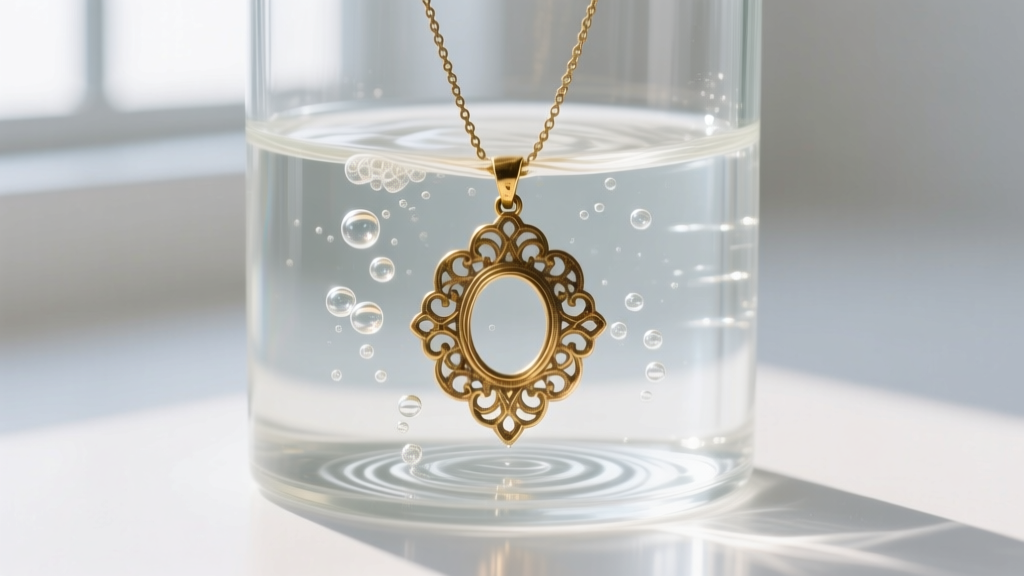
Many collectors mistakenly believe that ultrasonic cleaners are safe for all jewelry. For a vintage Coach gold-plated necklace, ultrasonic cavitation can be highly destructive. The high-frequency sound waves create microscopic vacuum bubbles that implode against the metal surface. If the gold plating on your necklace has any micro-fractures, lifting edges, or underlying corrosion, the ultrasonic energy will literally blast the remaining gold plating off the brass base in seconds.
The Rule of Thumb: Never place a vintage gold-plated or rhodium-plated fashion necklace in an ultrasonic cleaner. Reserve ultrasonic technology exclusively for solid, un-plated metals like sterling silver, solid 14k gold, or platinum, and even then, avoid using it on pieces with porous gemstones like turquoise, opals, or pearls, which are sometimes featured in vintage designer pendants.
Preventative Maintenance and Storage
The key to preserving the plating on your Coach necklace lies in controlling its micro-environment during storage. Brass tarnishes primarily due to humidity and sulfur compounds in the air.
- Anti-Tarnish Strips: Store the necklace in a sealed, airtight polyethylene bag along with a 3M anti-tarnish strip. These strips absorb sulfur gases and can protect the metal for up to 12 months before needing replacement.
- Avoid Cotton and Cardboard: Never store vintage fashion jewelry in cardboard boxes or wrapped in cotton balls. Cardboard off-gasses acidic compounds, and cotton fibers hold ambient moisture, both of which accelerate the oxidation of the brass base metal.
- The "Last On, First Off" Rule: Always put your necklace on after applying perfumes, hairsprays, and lotions. The alcohols and volatile organic compounds (VOCs) in cosmetics can chemically degrade thin gold plating over time, causing it to cloud and flake.
Summary
Troubleshooting a vintage Coach RAC necklace—or any legacy Coach fashion jewelry piece—requires a delicate balance of metallurgical knowledge and gentle handling. By understanding the limitations of micron-thin plating, properly executing jump ring and clasp repairs, and utilizing airtight, sulfur-free storage methods, you can preserve these iconic 1990s accessories for decades to come. When in doubt regarding heavy plating loss or complex chain repairs, always consult a professional bench jeweler who specializes in fashion jewelry restoration rather than attempting aggressive DIY polishing.


