Pididdly Links Necklace Buying Guide: What to Look For
Discover what to look for when buying a pididdly links necklace. Our expert guide covers materials, gauges, clasps, and 2026 pricing tiers.

The Anatomy of a Pididdly Links Necklace
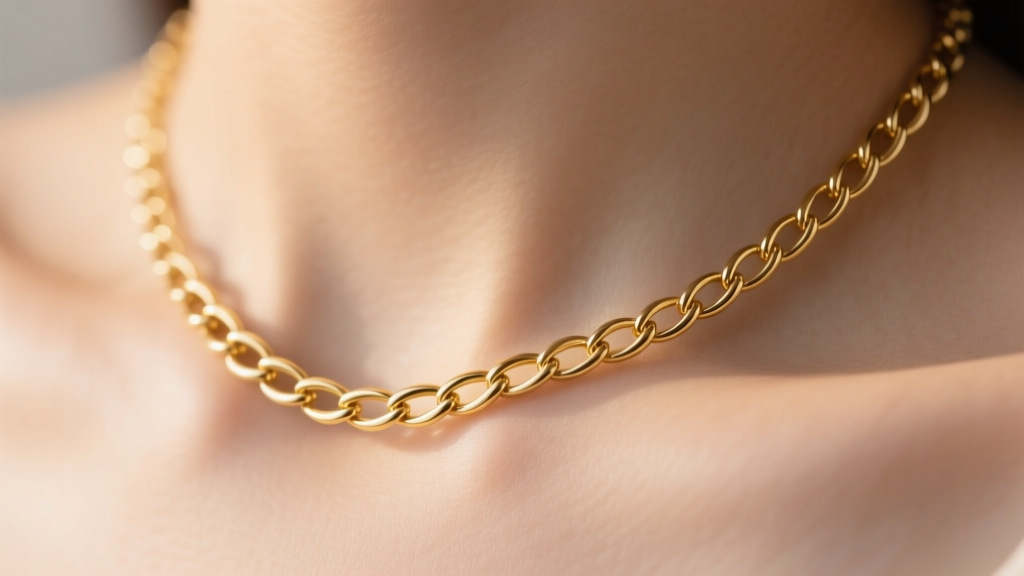
In the evolving landscape of demi-fine and fine jewelry, the pididdly links necklace has carved out a massive niche for itself. While traditional cable and curb chains rely on visible, distinct links, the pididdly link style (often referred to in manufacturing circles as a nano-link or ultra-micro cable chain) is defined by its incredibly small link dimensions. Typically, the outer diameter of each individual link measures under 1.5mm, creating a continuous, fluid drape that mimics liquid metal rather than a traditional chain.
When shopping for this specific style, understanding the manufacturing anatomy is crucial. High-quality pididdly chains are constructed using precision laser-welding rather than traditional torch soldering. This ensures that the microscopic seams of each 1mm link are closed flush without leaving bulky solder joints that would otherwise stiffen the chain and ruin its signature fluid movement. Furthermore, you will encounter two primary finishes: smooth (which offers a subtle, matte-to-satin sheen) and diamond-cut (where facets are machine-carved into the micro-links to catch the light, offering maximum sparkle without the need for gemstones).
Material Grades & Durability Matrix
Because the wire used in a pididdly links necklace is exceptionally thin, the structural integrity of the metal alloy is paramount. A sub-par alloy will snap under minimal tension. Below is a breakdown of the most common materials you will encounter in the 2026 market, along with their realistic pricing and durability profiles.
| Material Grade | Stamp / Hallmark | Tarnish Resistance | 2026 Price Range (16") | Best Use Case |
|---|---|---|---|---|
| Solid 14k Gold | 14k, 585 | Excellent | $280 - $450 | Everyday wear, showering, sleeping |
| 14k Gold-Filled | 1/20 14k GF | Very Good | $65 - $110 | Daily wear, budget-conscious buyers |
| Sterling Silver | 925 | Poor (Requires polish) | $45 - $85 | Occasional wear, cool-tone skin |
| Gold Vermeil | 925 + Gold Plating | Fair (Wears off) | $50 - $90 | Trend-driven, short-term styling |
According to the Federal Trade Commission's Jewelry Guides, for a chain to be legally marketed as "gold-filled," the 14k gold layer must constitute at least 1/20th of the total weight of the item. When buying a pididdly links necklace in gold-filled, always verify this stamp. Because the links are so small, a heavy gold layer is essential to prevent the underlying brass core from oxidizing and turning your skin green if the chain is subjected to friction or sweat.
Sizing, Gauges, and Clasp Mechanics
Wire Gauge vs. Link Dimensions
A common point of confusion for buyers is the difference between the wire gauge and the link size. The "pididdly" aesthetic relies on the tiny 1.2mm x 0.8mm link footprint, but the wire used to form those links usually ranges from 22-gauge (0.64mm) to 24-gauge (0.51mm).
- 24-Gauge: Extremely delicate. Best for lightweight layering and wearing without pendants. Highly prone to kinking if pulled.
- 22-Gauge: The industry sweet spot. Offers enough tensile strength to support a small gemstone pendant (under 0.25 carats) while maintaining the micro-link illusion.
- 20-Gauge: Rare in true pididdly styles, as the thicker wire forces the links to be larger, pushing the chain into standard cable territory.
The Clasp Conundrum
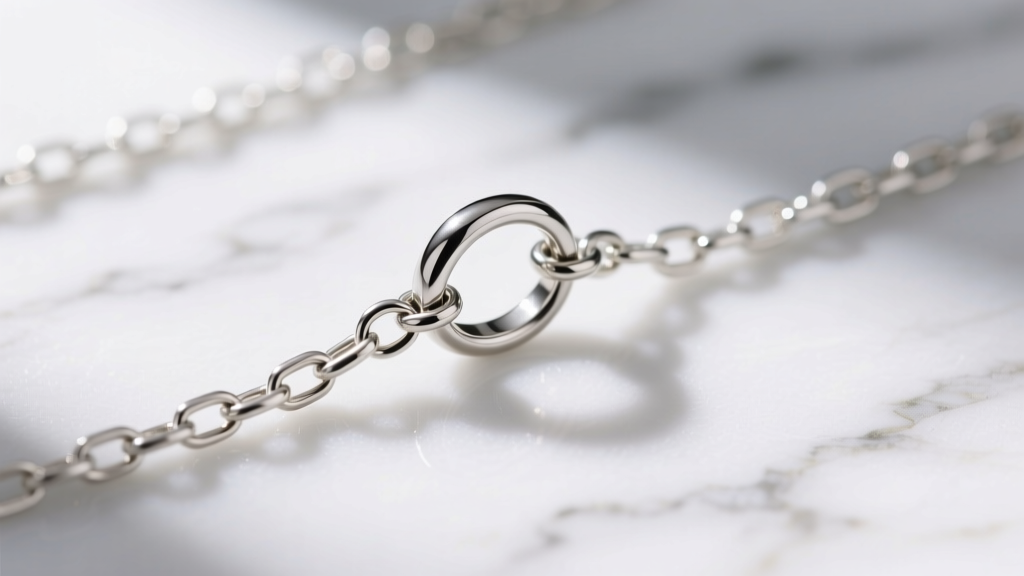
The clasp is often the dead giveaway of a poorly designed micro-chain. Standard 5mm or 7mm lobster clasps are far too heavy and bulky for a pididdly links necklace. The weight of a large clasp will pull the delicate chain backward, causing it to constantly slide off-center and rest awkwardly on the side of your neck. Always look for chains equipped with a 3mm or 4mm spring ring clasp, or a specialized micro-magnetic clasp. These lightweight closures maintain the chain's balance and preserve the seamless, barely-there aesthetic.
How to Spot Quality Manufacturing
Not all micro-link chains are created equal. The Gemological Institute of America (GIA) emphasizes the importance of proper alloy mixing and finishing in fine jewelry, which is especially critical when dealing with micro-components. Here is your quality-control checklist when inspecting a pididdly links necklace:
- Link Uniformity: Use a macro lens on your smartphone to zoom in on the links. They should be perfectly oval and identical in size. Irregular links indicate cheap, mass-produced stamping that will lead to weak points and eventual snapping.
- Pumice Finishing: High-end manufacturers tumble their micro-chains in pumice and steel shot to smooth out any microscopic burrs left from the cutting process. Run the chain through your fingers; it should feel like liquid silk. If it catches on your skin or feels slightly rough, skip it.
- Laser-Welded Seams: Look closely at the seam where each link closes. It should be virtually invisible. If you see tiny bumps of solder, the chain will be stiff and prone to catching on hair or fabric.
- Hallmark Verification: Even on microscopic clasps, reputable jewelers will laser-engrave a "14k", "585", or "925" stamp. A completely blank clasp is a major red flag for plated base metals.
Styling and Layering Frameworks
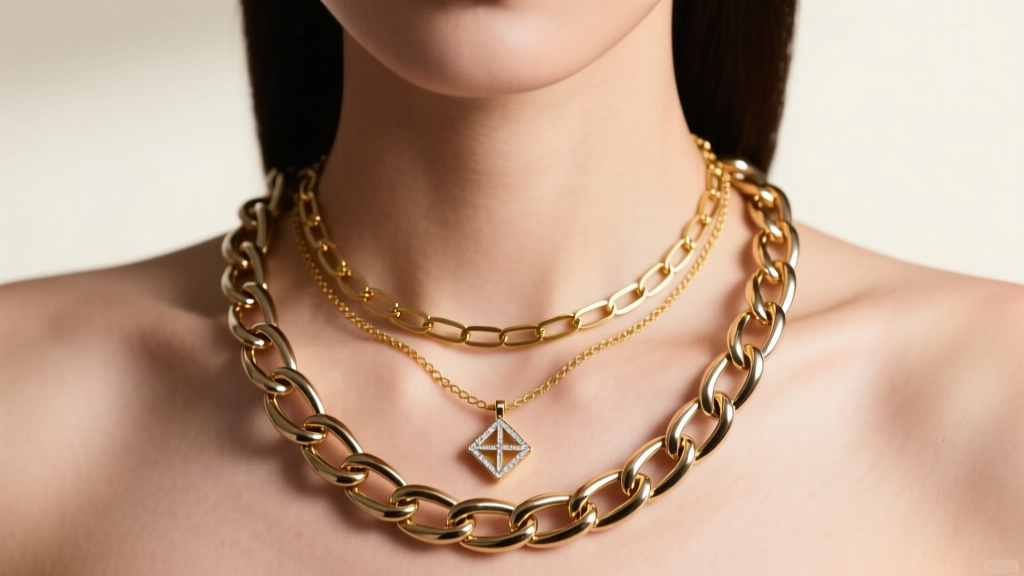
The primary appeal of the pididdly links necklace is its versatility in layered stacks. Because it lacks visual bulk, it serves as the perfect foundational piece. For a modern 2026 aesthetic, pair a 15-inch pididdly choker with a 17-inch medium-weight paperclip chain and a 19-inch rope chain. The contrast between the micro-links and the heavier, structural chains creates a highly curated, dimensional look without overwhelming your neckline.
When wearing a pendant, opt for bail sizes that accommodate the 22-gauge wire. Standard European bails work perfectly, but ensure the pendant's overall weight does not exceed 1.5 grams to prevent permanent stretching of the micro-links over time.
Care and Maintenance Protocols
While ultrasonic cleaners are the gold standard for cleaning diamond jewelry, they can be disastrous for a pididdly links necklace. The high-frequency vibrations can shake loose the microscopic laser welds on lower-quality chains, causing them to unravel in the cleaning tank. Instead, stick to a gentle bath of warm water and a few drops of phosphate-free dish soap. Agitate the water with your hands, let the chain soak for three minutes, and gently brush it with a baby-soft toothbrush. Rinse thoroughly and lay it flat on a microfiber towel to dry. Never pull a wet micro-chain through a paper towel, as the fibers will catch the links and cause micro-tears.
Final Verdict
The pididdly links necklace is a masterclass in subtle elegance, but its delicate nature demands an informed buyer. By prioritizing 22-gauge wire thickness, 3mm spring ring clasps, and laser-welded construction, you can secure a piece that offers the coveted liquid-metal drape without sacrificing longevity. Whether you opt for a budget-friendly 14k gold-filled piece for daily rotation or invest in a solid 14k gold iteration for lifelong wear, understanding these micro-mechanics ensures your purchase will stand the test of time.


