The Sam's Club Necklace Viral Trend: 2026 Value Review
We analyze the Sam's Club necklace viral trend to see if warehouse gold and diamond pendants offer real value or hidden compromises in 2026.

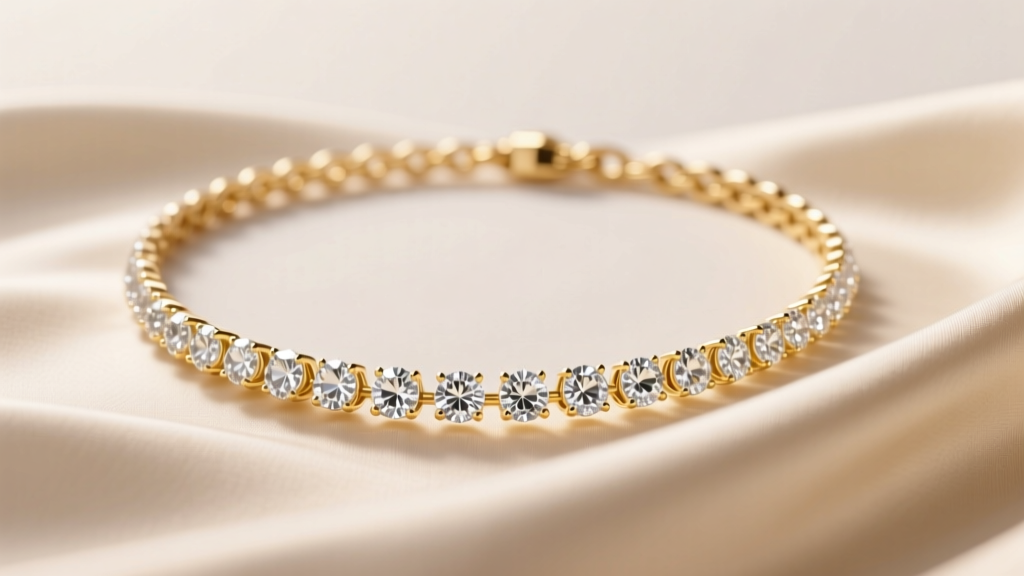
If you have spent any time on TikTok or Instagram Reels recently, you have likely encountered the unboxing videos. Influencers and everyday shoppers alike are showcasing heavy, sparkling gold and diamond necklaces purchased from an unlikely luxury source: the local warehouse club. The Sam's Club necklace viral phenomenon has taken the jewelry internet by storm, with buyers boasting about 2.00-carat diamond tennis necklaces and solid 14k gold pendants for a fraction of traditional retail prices. But as any seasoned jeweler will tell you, a low price tag often masks structural compromises. In this comprehensive 2026 budget and value assessment, we dismantle the hype, analyze the metallurgical and gemological realities of warehouse club jewelry, and help you determine if these viral pieces are genuine steals or expensive disappointments waiting to break.
The Anatomy of a Warehouse Club Viral Hit
The viral nature of these necklaces stems from the sheer shock value of the price-to-carat ratio. Traditional mall jewelers operate on high-margin, low-volume models, often marking up diamond jewelry by 100% to 300% to cover showroom overhead, commissioned sales staff, and aggressive marketing campaigns. Warehouse clubs, conversely, operate on a high-volume, low-margin model. Their jewelry buyers purchase closeout lots, overstock from major manufacturers, and bulk-run promotional grades directly from diamond cutters in Surat and Antwerp.
When a shopper compares a $1,299 warehouse club diamond necklace to a $3,500 equivalent at a mall chain, the perceived value is undeniable. However, the Federal Trade Commission (FTC) Jewelry Guides mandate that while karat weights and total carat weights must be accurately represented, retailers are not legally required to prominently disclose the specific promotional grades of the diamonds used in multi-stone cluster or tennis pieces. This regulatory gray area is where the true value assessment must begin.
Material Breakdown: What You Actually Get
To accurately assess the budget value of these viral necklaces, we must look past the sparkle and examine the raw materials. The vast majority of the viral gold pieces are stamped 14k (58.5% pure gold). This is the industry standard for durable, everyday jewelry in the United States. Warehouse clubs typically use standard 14k yellow or white gold alloys, meaning the intrinsic melt value of the gold is identical to what you would find at a high-end boutique.
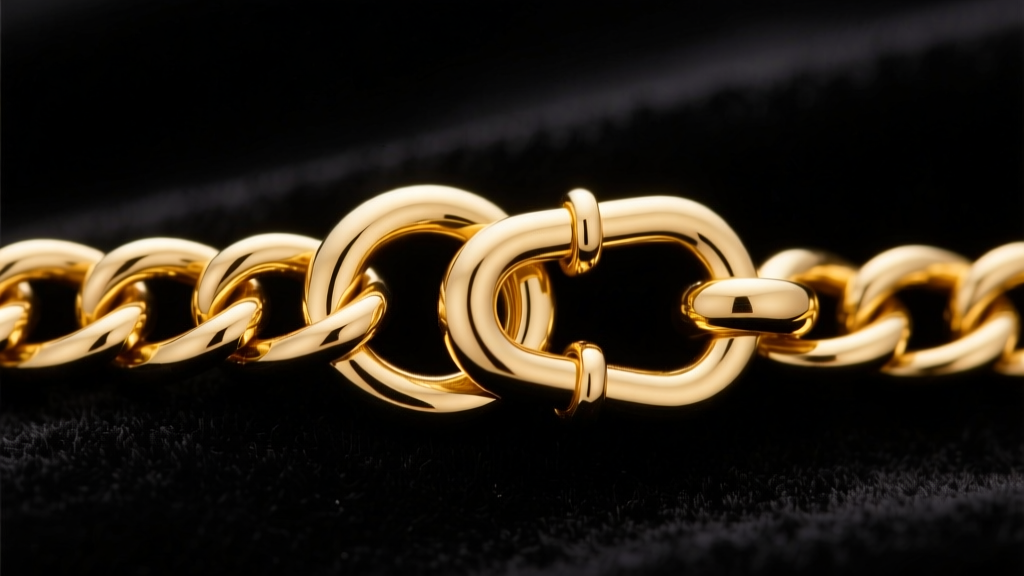
However, the craftsmanship of the chain links is where cost-cutting occurs. Many of the viral box chains and rope chains are manufactured using lightweight, semi-hollow techniques or feature minimal soldering at the link joints. While they look substantial on camera due to their width, their actual gram weight is often 20% to 30% lighter than a comparable solid chain from a dedicated jeweler.
The Diamond Reality: Promotional Grades Explained
The diamonds used in these viral tennis necklaces and solitaire pendants are almost universally natural, earth-mined stones, but they fall into what the industry terms "promotional grades." According to the Gemological Institute of America (GIA) clarity scale, these stones typically range from I1 to I2 (Included).
- Clarity (I1-I2): Inclusions are obvious under 10x magnification and often visible to the naked eye. However, in a tennis necklace featuring 40 to 60 small melee diamonds (usually 0.03 to 0.05 carats each), the intense scintillation and light reflection effectively mask carbon spots and feathers.
- Color (I-J-K): These stones fall into the near-colorless to faint yellow range. When set in 14k yellow gold, the warm metal masks the faint yellow tint of the diamonds, making them appear whiter than they actually are.
- Cut Quality: Usually rated as "Good" or "Fair" rather than "Excellent." The stones are cut to maximize carat weight retention from the rough, rather than optimizing for ideal light performance.
Value Comparison Chart: Warehouse vs. Traditional Retail
To visualize the budget assessment, let us compare a standard 2.00 Carat Total Weight (ctw) 14k Gold Diamond Tennis Necklace across three different retail environments in 2026.
| Feature | Warehouse Club (Viral) | Traditional Mall Jeweler | Luxury Fine Jeweler |
|---|---|---|---|
| Average Price | $1,199 - $1,499 | $2,800 - $4,500 | $9,000 - $15,000+ |
| Gold Purity | 14k (Solid or Semi-Hollow) | 14k (Solid) | 18k (Solid, Heavy Cast) |
| Diamond Clarity | I1 - I2 (Promotional) | SI2 - I1 | VS2 - SI1 |
| Diamond Color | I - K (Faint Tint) | H - J (Near Colorless) | D - G (Colorless) |
| Clasp Quality | Stamped Sheet Lobster | Cast Lobster / Figure 8 | Custom Hidden Box Clasp |
| Aftercare & Warranty | None / Basic Return Policy | 1-5 Year Service Plans | Lifetime Craftsmanship Warranty |
As the data illustrates, the warehouse club offers an unbeatable entry price for the sheer volume of gold and diamonds you receive. You are paying very close to the intrinsic commodity value of the materials. However, you are entirely forfeiting the craftsmanship, quality control, and aftercare that justify the premiums at traditional and luxury jewelers.
Hidden Compromises and Real-World Failure Modes
When evaluating budget jewelry, understanding how a piece will fail over time is just as important as knowing how it looks on day one. Based on bench jeweler reports and consumer feedback, here are the most common failure modes associated with viral warehouse club necklaces:
1. The Box Chain Kink
Many of the viral pendants are suspended on 14k gold box chains. While box chains are beautiful and lay flat, the budget versions sold in bulk are highly susceptible to kinking. If a lightweight box chain is bent at a sharp angle, the geometric links crush inward. Unlike rope or cable chains, a kinked box chain cannot be easily straightened or soldered by a bench jeweler without leaving a visible, weak scar.
2. Clasp Spring Fatigue
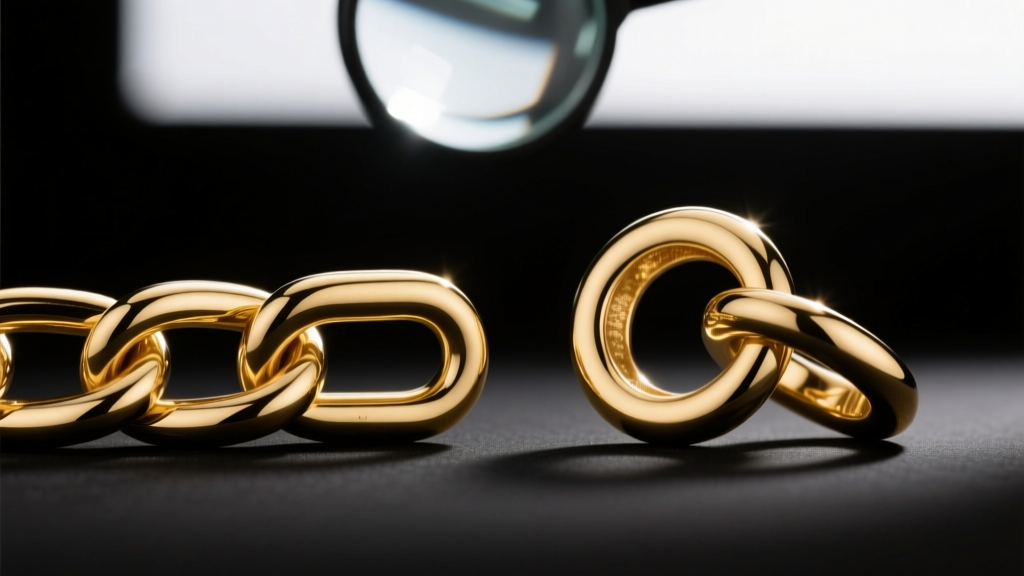
To keep costs down, warehouse clubs frequently utilize stamped sheet-metal lobster clasps rather than solid cast ones. The internal steel spring in these budget clasps is often exposed to moisture and cosmetic chemicals, leading to rust or spring fatigue. A heavy 15-gram gold pendant relying on a cheap, lightweight clasp is a dropped-pendant waiting to happen. Pro Tip: Immediately swap the factory clasp for a solid 14k cast lobster clasp or a secure locking carabiner (costing about $30 at a local jeweler) to protect your investment.
3. Prong Wear and Stone Loss
In promotional-grade tennis necklaces, the prongs holding the I1 diamonds are often cast directly from the wax mold rather than being hand-tightened and burnished by a setter. Over time, friction against clothing can wear down these soft, mass-produced prongs, leading to stone loss. Because warehouse clubs do not offer complimentary prong-tightening or resizing services, the long-term maintenance cost must be factored into your initial budget assessment.
The Verdict: Who Should Buy the Viral Necklace?
The Sam's Club necklace viral trend is not a scam; it is a masterclass in commodity pricing. You are trading luxury finishing, high-clarity diamonds, and white-glove customer service for raw material weight at a steep discount.
The Budget Buyer's Framework:
Buy the viral warehouse necklace if you want maximum carat weight and gold presence for under $1,500, and you are comfortable paying a local bench jeweler $50 a year for prong checks and clasp replacements.
Pass on the viral necklace if you demand flawless clarity, 18k gold richness, heirloom-level durability, and the peace of mind that comes with a lifetime craftsmanship warranty.
Ultimately, if you approach the purchase with eyes wide open—understanding that you are buying "commercial grade" diamonds and lightweight chains—the warehouse club remains one of the most transparent, value-driven avenues for acquiring real gold and diamond jewelry in 2026. Just remember to inspect the clasp before you leave the parking lot.


