How to Style and Authenticate a Gold Necklace James Avery Piece
Learn how to authenticate, style, and clean your gold necklace James Avery pieces. Expert steps for 14k hallmarks, layering, and maintenance.


The Heritage and Appeal of James Avery Gold
When searching for a timeless gold necklace James Avery remains a premier choice for collectors and everyday wearers alike. Founded in 1954 in Kerrville, Texas, James Avery Jewelry has built a legacy on meaningful, artisan-crafted charm jewelry. While the brand is widely celebrated for its sterling silver collections, its solid gold pieces represent the pinnacle of the company's craftsmanship. Whether you have inherited a vintage 1970s piece, received a modern 14k gold pendant as a milestone gift, or are exploring the secondary market, understanding how to authenticate, style, and maintain these necklaces is crucial. This comprehensive guide will walk you through the exact specifications, authentication protocols, and styling frameworks required to get the most out of your fine jewelry investment.
Decoding James Avery Gold: Karats, Alloys, and Chain Architecture
Before diving into maintenance, it is essential to understand the metallurgy behind your jewelry. According to the Gemological Institute of America (GIA), pure 24k gold is too soft for intricate charm jewelry. James Avery predominantly utilizes 14k gold (58.3% pure gold alloyed with metals like copper, silver, and zinc) for their yellow, white, and rose gold necklaces. This specific alloy composition provides a Vickers hardness that ensures detailed designs—such as the intricate map lines on the Texas State charm or the delicate bark texture on the Dogwood pendant—resist scratching and deformation during daily wear.
Chain Types and Widths
James Avery pairs their gold pendants with specific chain architectures designed to support the weight of the charm without snapping. The most common styles include:
- Box Chains (1.2mm to 2.5mm): Known for their geometric, interlocking links. A 1.2mm box chain is ideal for lightweight charms (under 5 grams), while a 2.0mm or 2.5mm chain is required for heavy medallions or large cross pendants.
- Rope Chains (1.5mm to 3.0mm): These twisted links offer exceptional tensile strength and reflect light beautifully, making them perfect for showcasing high-polish gold charms.
- Cable Chains (1.0mm to 2.0mm): The classic oval link design, often used for layering or supporting small, delicate birthstone and initial charms.
Step-by-Step Guide to Authenticating Your Necklace
The secondary market for James Avery jewelry is robust, which unfortunately invites counterfeits. Authenticating a gold necklace requires a systematic inspection of the hallmarks and structural integrity. Follow these steps to verify your piece.
Step 1: The 20x Loupe Hallmark Inspection
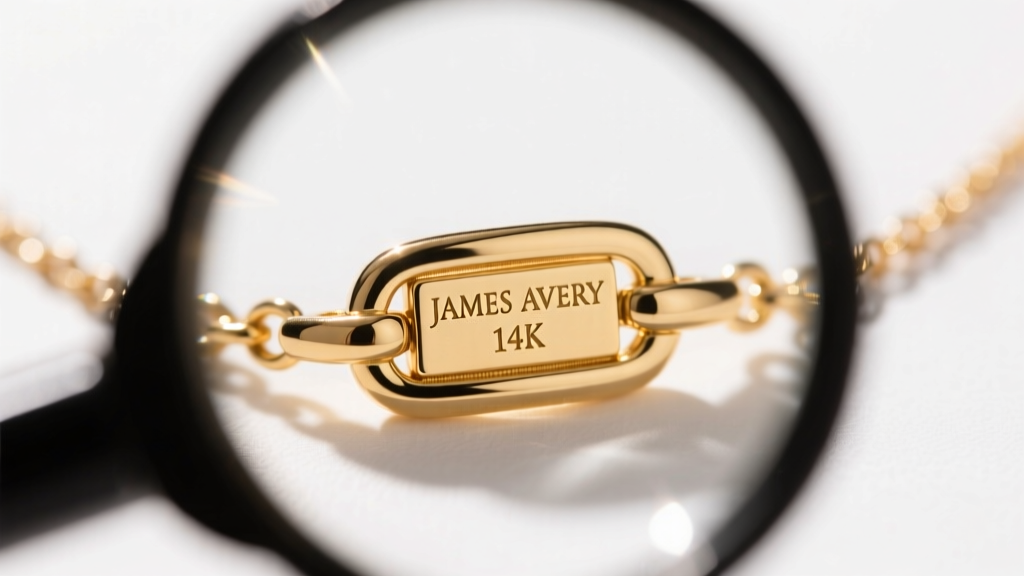
You will need a 20x triplet jeweler's loupe and a strong light source. Examine the back of the pendant and the clasp of the chain. An authentic modern piece will feature three distinct stamps:
- The Maker's Mark: Look for 'JAMES AVERY' in all caps. On very small or vintage pieces from the 1960s and 70s, you may find the stylized 'JA' logo or a small candlestick motif.
- The Karat Stamp: A clear '14K' or '18K' stamp. James Avery rarely uses 10k gold, so a 10k stamp should raise immediate red flags.
- The Copyright Symbol: The '©' symbol is a critical authentication marker. James Avery has aggressively copyrighted their designs for decades, and its absence on a piece dated after 1980 is a major indicator of a fake.
Step 2: Clasp and Jump Ring Evaluation
Authentic James Avery chains feature high-quality lobster clasps or the brand's signature hook-and-eye clasps. The jump ring connecting the clasp to the chain should be perfectly flush and, in many cases, soldered shut to prevent loss. If the jump ring is a cheap, gaping wire that easily pulls apart, the chain is likely an aftermarket replacement or a counterfeit.
How to Style and Layer James Avery Gold Pendants
Styling a gold necklace James Avery designs offer incredible versatility, bridging the gap between regional heritage and modern fine jewelry trends. The key to styling these pieces lies in balancing the visual weight of the charm with your neckline and layering strategy.
The Rule of Three: Layering Framework
Layering gold chains is an art form that requires varying lengths, textures, and pendant sizes to avoid tangling and visual clutter. Here is a proven three-tier layering formula:
- The Base Layer (16 inches): Use a delicate 1.0mm 14k gold cable chain featuring a micro-charm, such as a small heart or initial. This sits high on the collarbone.
- The Middle Layer (18 inches): Opt for a 1.5mm rope chain holding a medium-sized, high-polish charm like the James Avery Butterfly or Open Heart. The rope texture contrasts beautifully with the cable chain above it.
- The Anchor Layer (20 to 22 inches): Deploy a heavier 2.0mm box chain with a substantial statement piece, such as the large Texas Pride charm or a detailed Crucifix. This draws the eye downward and elongates the neck.
Matching Necklines to Pendant Drops
The drop length of your pendant dictates which necklines work best. V-neck and scoop-neck tops create a natural frame for medium-to-large pendants (1.5 to 2.5 inches in length). For crew necks and high collars, stick to shorter 16-inch chains with smaller, flatter charms that rest above the fabric line, preventing the piece from getting caught or lost in the folds of your clothing.
The Ultimate Cleaning and Maintenance Protocol
Gold does not tarnish in the way sterling silver does, but it easily accumulates oils, lotions, and environmental dust, which dull its brilliance. According to the official James Avery Jewelry Care guidelines, gentle, consistent cleaning is the best way to maintain your necklace's luster. However, you must tailor your cleaning method to the specific materials present in your piece.
| Material Composition | Recommended Cleaning Method | Strict Prohibitions |
|---|---|---|
| 14k Solid Gold (No Stones) | Warm water, mild dish soap (e.g., Dawn), soft baby toothbrush. | Harsh bleach, chlorine exposure. |
| 14k Gold with Diamonds | Same as above; use a lint-free cloth to dry and polish. | Ultrasonic cleaners if diamonds are fracture-filled. |
| 14k Gold with Turquoise, Opal, or Pearls | Damp, soft microfiber cloth only. Wipe gently. | Submersion in water, ultrasonic cleaners, steam cleaners, chemical dips. |
Step-by-Step Wash Instructions
- Plug your sink drain to prevent accidental loss.
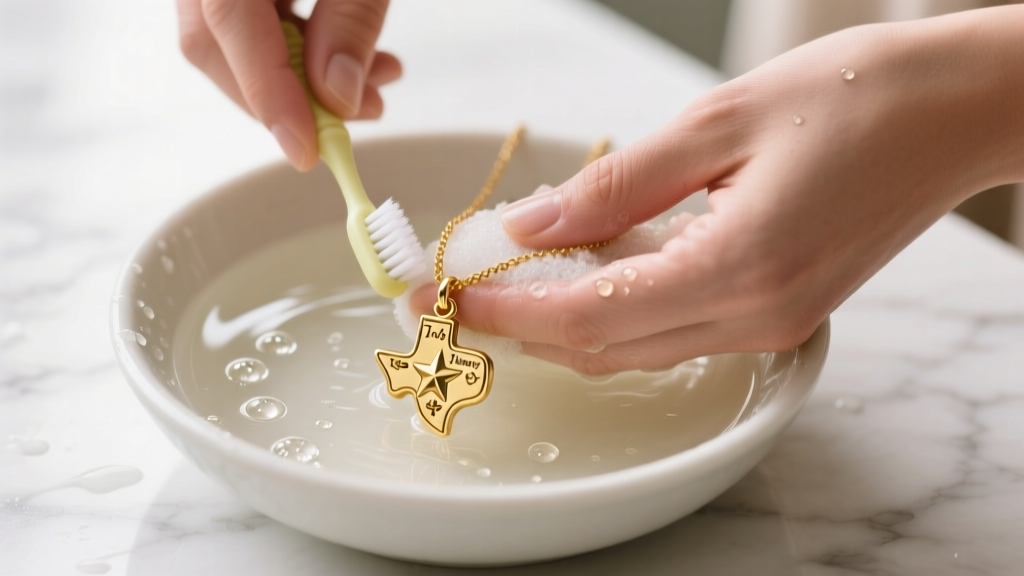
- Fill a small glass bowl with warm (not hot) water and add three drops of mild, phosphate-free dish soap.
- Submerge your solid gold necklace and let it soak for 10 to 15 minutes to loosen body oils.
- Gently scrub the intricate crevices of the charm using a clean, extra-soft baby toothbrush. Do not use medium or hard bristles, as they can cause micro-scratches on the gold alloy.
- Rinse thoroughly under lukewarm running water.
- Pat dry with a lint-free microfiber cloth. Avoid paper towels, as their wood pulp fibers can leave microscopic scratches on high-polish gold surfaces.
Troubleshooting Common Wear Issues
Even with meticulous care, daily wear can lead to mechanical issues with your necklace. Understanding how to troubleshoot these problems will save you expensive jeweler visits and extend the life of your jewelry.
Fixing a Kinked Box Chain
Box chains are notorious for kinking if folded sharply or stored improperly. A kink weakens the structural integrity of the interlocking links and can eventually lead to snapping. To fix a minor kink, lay the chain flat on a soft jewelry mat. Using two pairs of nylon-jaw pliers (never use bare metal steel pliers, which will mar the gold), gently grip the chain on either side of the kink. Apply very light, opposing pressure to coax the links back into their natural geometric alignment. If the kink is severe, take it to a professional jeweler for link reconstruction.
Resolving a Stiff Lobster Clasp
If your lobster clasp becomes difficult to open, it is usually due to a buildup of microscopic debris or dried lotion in the hinge mechanism. Do not force it, as the internal spring can snap. Instead, dip a cotton swab in a tiny amount of rubbing alcohol and clean the crevice of the clasp. Once dry, apply a microscopic drop of synthetic sewing machine oil to the hinge using a toothpick. Work the clasp open and closed several times to distribute the lubricant, then wipe away any excess oil with a microfiber cloth.
By understanding the metallurgy, mastering the authentication markers, and following a strict maintenance protocol, your gold necklace will remain a pristine, meaningful staple in your jewelry collection for decades. For more information on precious metal regulations and hallmarking standards, refer to the FTC Jewelry Guidelines.


