Bandana Necklace Troubleshooting: Fix Tangles, Stains & Knots
Fix common bandana necklace issues. Learn how to stop silk knot slipping, prevent silver tarnish transfer, and choose snag-free chains for fabric.

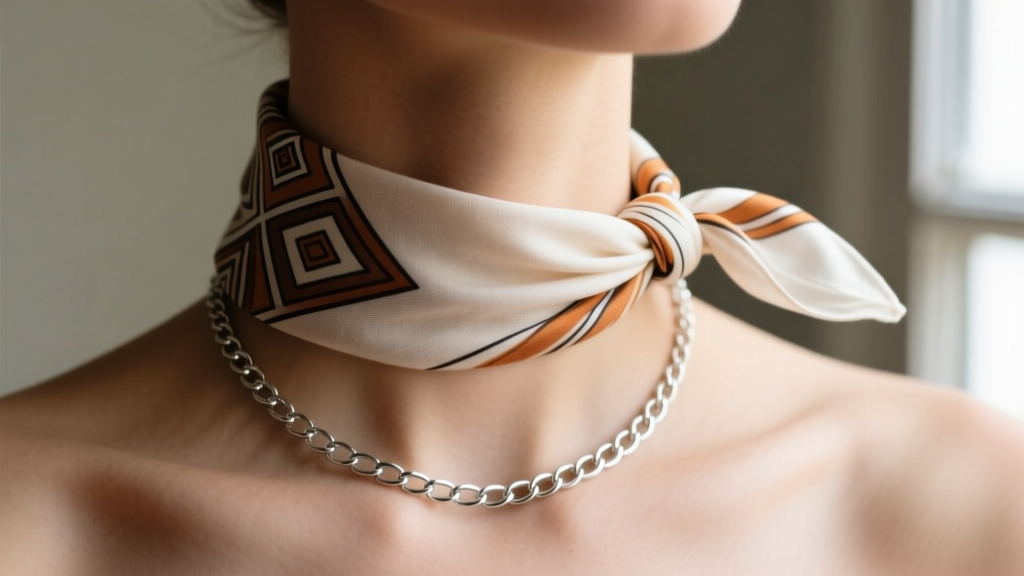
The bandana necklace has evolved from a utilitarian streetwear staple into a high-fashion statement piece. Whether you are styling a literal 19-momme silk bandana as a choker or layering a heavy sterling silver bandana-motif pendant over distressed cotton, the aesthetic is undeniable. However, the intersection of porous textiles and reactive metals creates a unique set of structural and chemical problems. Fraying hems catch on chain links, silk knots slip under tension, and copper-heavy alloys leave permanent stains on delicate fabrics.
As jewelry and textile experts, we have compiled a definitive troubleshooting guide to solve the most common bandana necklace failures. This guide moves beyond generic styling advice, offering material-specific solutions grounded in textile conservation and metallurgy.
The Anatomy of a Bandana Necklace: Fabric vs. Metal Motifs
Before troubleshooting, it is critical to distinguish between the two primary categories of bandana necklaces, as their failure modes are entirely different:
- The Fabric Choker: A literal bandana (cotton, chambray, or mulberry silk) folded and tied around the neck. The primary issues here involve friction, knot security, and dye stability.
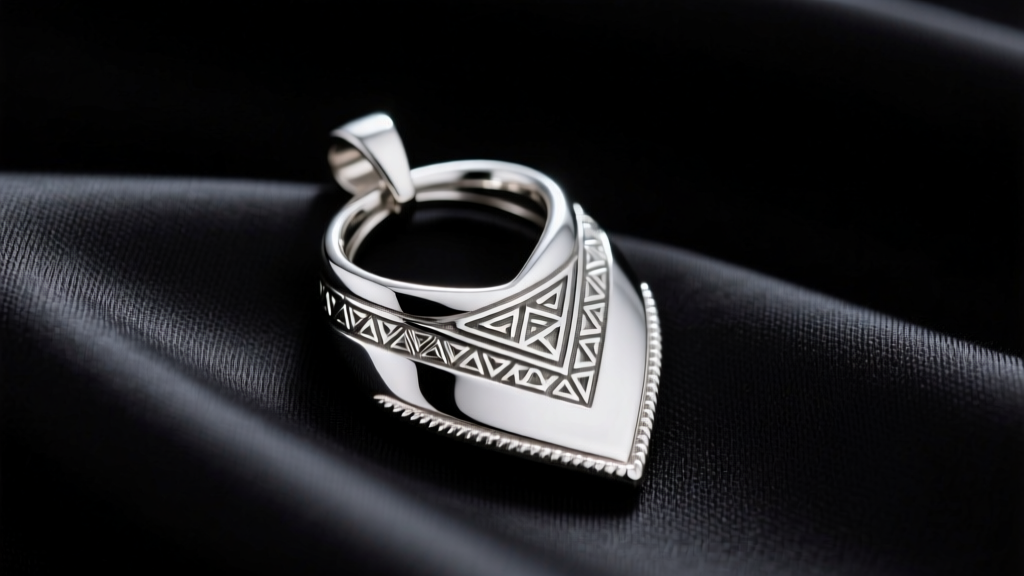
- The Metal Motif Pendant: A jewelry piece featuring a bandana-shaped pendant (often folded metal with engraved paisley patterns) suspended on a chain. When layered over actual fabric bandanas, the primary issues involve galvanic reactions, tarnish transfer, and mechanical snagging.
Troubleshooting Fabric Bandana Chokers
Issue 1: The Unraveling Slip Knot on Silk
Silk bandanas, particularly those in the 19-momme to 22-momme weight range, have a remarkably low coefficient of friction. A standard square knot or slip knot will inevitably loosen throughout the day due to the natural movement of the neck and the slickness of the sericin-free silk fibers.
The Fix: Abandon the standard knot in favor of the Double Surgeon’s Knot. Wrap the ends around each other twice before pulling through the loop. This increases the surface area friction by over 40%. For an invisible, foolproof alternative, thread both ends of the silk bandana through a 12mm or 14mm clear silicone O-ring (available at any hardware or jewelry supply store), pull them through the center, and tie a simple overhand knot behind the neck. The silicone grips the silk fibers, making slippage physically impossible without damaging the fabric.

Issue 2: Dye Bleed and Sweat Staining
Mass-produced cotton bandanas are often dyed using direct or reactive dyes that are poorly mordanted. When exposed to human sweat—which has a pH ranging from 4.5 to 7.0 and contains urea and salts—the chemical bonds of the dye break down, causing the color to bleed onto your skin or underlying shirts.
The Fix: You must re-set the dye mordant before wearing the cotton bandana as a necklace. Submerge the bandana in a solution of 1 cup distilled white vinegar (acetic acid) to 1 gallon of cold water for 30 minutes. The mild acidity helps close the cotton fibers and lock the dye molecules in place. Rinse with cold water and air dry. If the water runs completely clear after this process, the dye is set. For a permanent solution, upgrade to 100% mulberry silk, which utilizes acid dyes that bond covalently with the protein fibers, making them highly resistant to sweat-induced bleeding.
Troubleshooting Metal Bandana Pendants & Mixed Media
Issue 3: Silver Tarnish Transferring to Fabric
Layering a sterling silver bandana pendant over a light-colored silk or cotton bandana often results in ugly gray or black smudges on the fabric. Sterling silver (925) is composed of 92.5% silver and 7.5% copper. It is the copper that reacts with sulfur and moisture in the air (and on your skin) to create silver sulfide, the black compound known as tarnish. When the porous fabric rubs against the oxidized pendant, the tarnish transfers and embeds into the textile fibers.
The Fix: According to guidelines from The Silver Institute, preventing tarnish requires creating a barrier between the reactive copper and the environment. For existing pendants, apply a micro-thin layer of Renaissance Wax (a micro-crystalline wax used by museum conservators) using a lint-free cloth. Buff it until invisible. This provides a 3-to-6-month barrier against sulfur. When purchasing a new metal bandana pendant, specifically look for pieces that are rhodium-plated or e-coated, which permanently seals the copper alloy beneath an inert, non-tarnishing metallic shell.
Issue 4: Chain Snagging on Distressed Hems
The raw, distressed edges of a vintage cotton bandana act like tiny hooks. When paired with the wrong chain type, the fabric threads catch in the link gaps, leading to pulled threads, frayed hems, and eventually, a ruined textile.
The Fix: The culprit is almost always the chain link geometry. Rope chains and Omega chains feature helical twists and microscopic gaps that are notorious for shredding raw-edge cotton. You must switch to chains with flush, soldered links. A 2.5mm Box chain or a 3mm Figaro chain offers a smooth, continuous surface that allows distressed cotton to glide over the metal without catching.
The Ultimate Chain-to-Fabric Compatibility Chart
Use this reference table to match your metal chain necklace with the appropriate fabric bandana base to prevent mechanical damage.
| Chain Type | Link Structure | Snag Risk | Best Fabric Pairing |
|---|---|---|---|
| Box Chain | Square, flush, soldered links | Very Low | Distressed cotton, raw-edge chambray |
| Figaro Chain | Alternating long/short oval links | Low | Medium-weight cotton, linen blends |
| Cable Chain | Uniform oval links (must be soldered) | Medium | 19-momme silk, tightly woven cotton |
| Rope Chain | Helical twist, micro-gaps | Extremely High | None (Avoid with all raw fabrics) |
| Snake Chain | Tight, smooth metal bands | Low (but traps oils) | High-gloss silk, satin bandanas |
Preventative Maintenance Routine
To ensure your bandana necklaces—both fabric and metal—survive the rigors of daily wear, implement this specialized maintenance routine:
- Silk Storage: Never hang a silk bandana choker on a wire or plastic hook; the tension will permanently warp the bias cut. Roll the silk loosely around an acid-free cardboard tube and store it in a breathable cotton bag. For detailed washing instructions, refer to the textile care protocols at The Laundress.
- Metal Degreasing: Skin oils and cosmetics build up in the engraved paisley grooves of a metal bandana pendant, accelerating tarnish. Once a month, soak the metal pendant (if it has no porous gemstones) in a solution of warm water and a few drops of phosphate-free dish soap. Use a baby-hair toothbrush to gently agitate the grooves, then dry immediately with a microfiber cloth.
- Knot Relaxation: If you tie your cotton bandana tightly, the fibers will compress and hold the crease, leading to structural weakness and tearing over time. Always untie the knot after wearing and gently stretch the fabric along the bias to relax the fibers.
Expert Insight: "The most common mistake I see in mixed-media streetwear styling is treating a delicate 14-momme silk bandana like a rugged cotton workwear piece. Silk requires hardware with completely smooth, polished bails and clasps. Even a microscopic burr on a cheap lobster clasp will shred a silk hem in a single day of wear."
Final Thoughts
A bandana necklace is a masterclass in contrasting textures, but those contrasts require deliberate management. By understanding the friction coefficients of silk, the chemical reactivity of copper alloys, and the mechanical geometry of chain links, you can transition your bandana styling from a temporary trend to a lasting, damage-free wardrobe staple. Whether you are securing a silk choker with a hidden silicone O-ring or protecting a vintage cotton hem with a flush box chain, these targeted troubleshooting steps ensure your jewelry and textiles remain in pristine condition.


