Is a Bape Necklace Worth It? 2026 Value & Price Guide
Is a Bape necklace worth the hype in 2026? We break down material grades, retail vs. resale pricing, and intrinsic value to help you decide.

The Intersection of Streetwear and Jewelry: Assessing the Hype
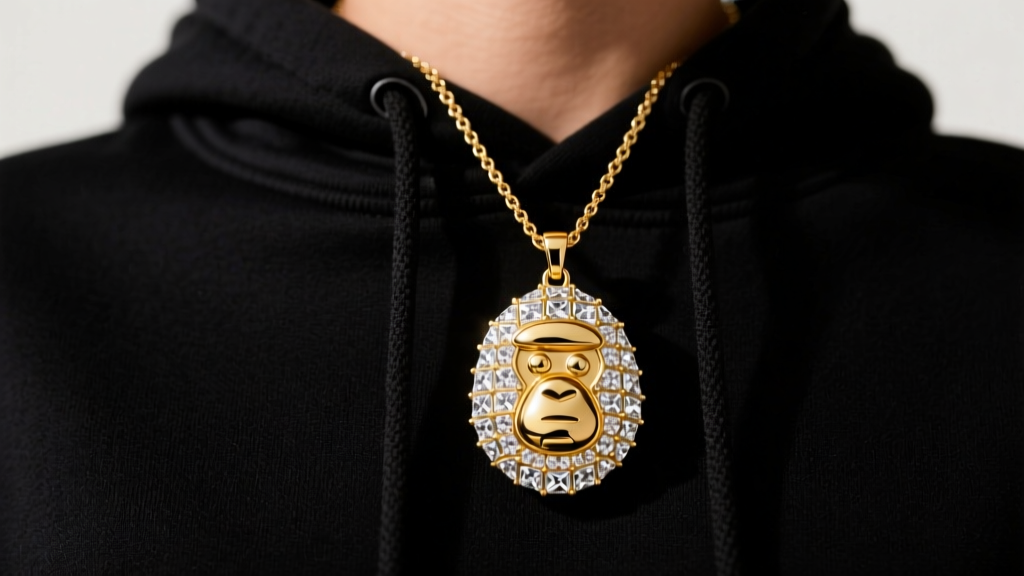
In the modern streetwear ecosystem, accessories are no longer an afterthought; they are the focal point of the fit. Among the most recognizable symbols in this space is the bape necklace, featuring iconic motifs like the Baby Milo, the Shark Face, and the classic Ape Head. But as the secondary market matures and consumers become more financially literate regarding jewelry, a critical question emerges in 2026: Are you paying for precious metals and master craftsmanship, or are you simply funding a massive brand premium?
This comprehensive value assessment strips away the marketing gloss. We will analyze the exact material compositions, evaluate the retail-to-resale depreciation curve, and provide a practical framework to determine if a Bape necklace aligns with your budget and collecting goals.
The Material Reality: Brass, Plating, and Cubic Zirconia
To accurately assess value, we must first audit the raw materials. The vast majority of standard Bape fashion jewelry is not crafted from solid precious metals. Instead, it relies on base metals with surface treatments.
Base Metals and Plating Thickness
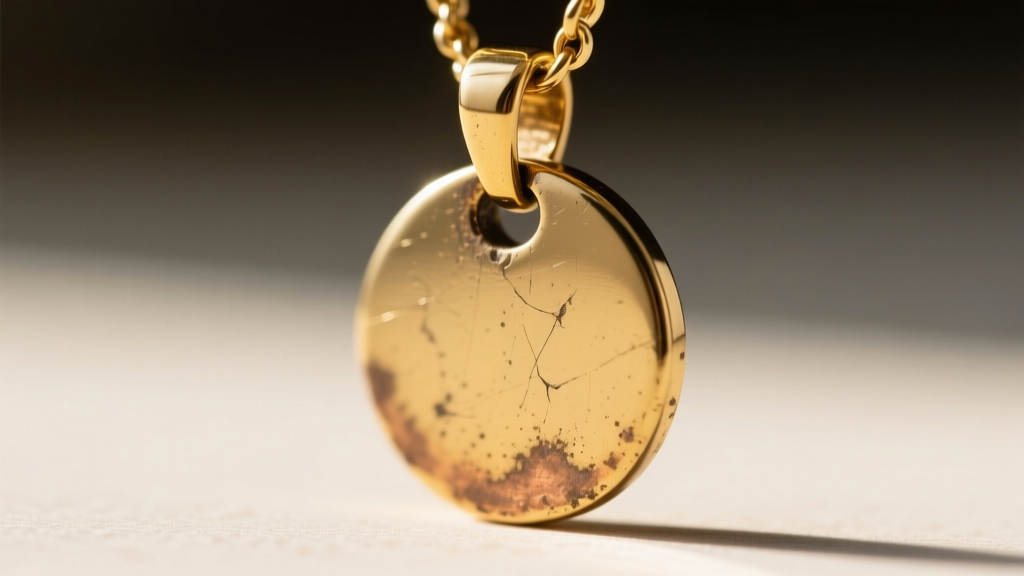
Most entry-level and mid-tier Bape pendants are cast from jeweler's brass or zinc alloy. These are then electroplated with 14k or 18k gold, or rhodium for a silver finish. According to standards outlined by Jewelers of America, fashion jewelry plating typically ranges from 0.1 to 0.5 microns in thickness. At this micron level, the plating is highly susceptible to friction, sweat, and environmental humidity. Expect a gold-plated brass Bape pendant to show wear on the high-contact edges (like the bail and the bottom of the Ape Head) within 6 to 12 months of daily wear.
Pro Tip: If you are buying a standard gold-plated Bape piece, apply a micro-thin layer of clear nail polish or a specialized jewelry sealant to the back of the pendant where it touches your skin. This prevents the brass base from reacting with your skin's pH and turning your chest green.
Stone Quality: CZ vs. The Real Deal
The "ice" on a standard Bape necklace is almost exclusively Cubic Zirconia (CZ). While high-grade CZ (like the 5A grade used by some premium streetwear jewelers) offers excellent brilliance and a Mohs hardness of 8.5, it is fundamentally a synthetic simulant that costs pennies per carat. Bape rarely uses natural diamonds or moissanite in their mainline drops, reserving those materials for ultra-rare, high-end collaborations that retail for tens of thousands of dollars.
2026 Pricing Matrix: Retail, Resale, and Intrinsic Value
Understanding the financial lifecycle of a bape necklace requires looking at three distinct pricing tiers. The table below maps out the financial reality of buying these pieces in 2026.
| Motif / Model | Retail MSRP | Avg Resale (StockX/GOAT) | Intrinsic Melt Value |
|---|---|---|---|
| 1st Camo Baby Milo (Brass/CZ) | $180 | $95 - $130 | Under $2.00 |
| Shark Face Pendant (925 Silver/CZ) | $320 | $250 - $450 | ~$35.00 |
| Classic Ape Head (Gold Plated) | $150 | $70 - $110 | Under $1.50 |
| Bape x G-SHOCK Collab Pendant | $250 | $300 - $600 | Under $5.00 |
As highlighted by market data from StockX, mainline brass pieces suffer immediate depreciation the moment they leave the flagship store. You are essentially paying a 1,000% markup over the intrinsic material value. However, limited-edition collaborations or 925 sterling silver Tokyo-exclusive drops can hold or even appreciate in value, functioning more like tradable streetwear assets than traditional jewelry.
The "Hype Tax" and Depreciation Curve
When you purchase a mainline Bape necklace at retail, you are paying the "Hype Tax." This is the premium attached to the A Bathing Ape legacy, established by Nigo in the 1990s. From a purely financial perspective, buying standard Bape jewelry is a consumption expense, not an investment.
If your primary goal is to acquire a heavy, solid gold chain that retains 80% of its melt value, a Bape necklace will fail your budget assessment. However, if you view the purchase as acquiring a piece of wearable pop-art—similar to buying a Supreme box logo tee—the depreciation is simply the cost of participating in the culture.
Spotting Fakes: Weight, Clasps, and Setting Flaws
Because the intrinsic value of the materials is so low, the replica market is flooded with 1:1 fake Bape necklaces. In 2026, counterfeiters have mastered the visual aesthetics, but they fail on structural engineering. Here is how to authenticate a piece based on physical properties:
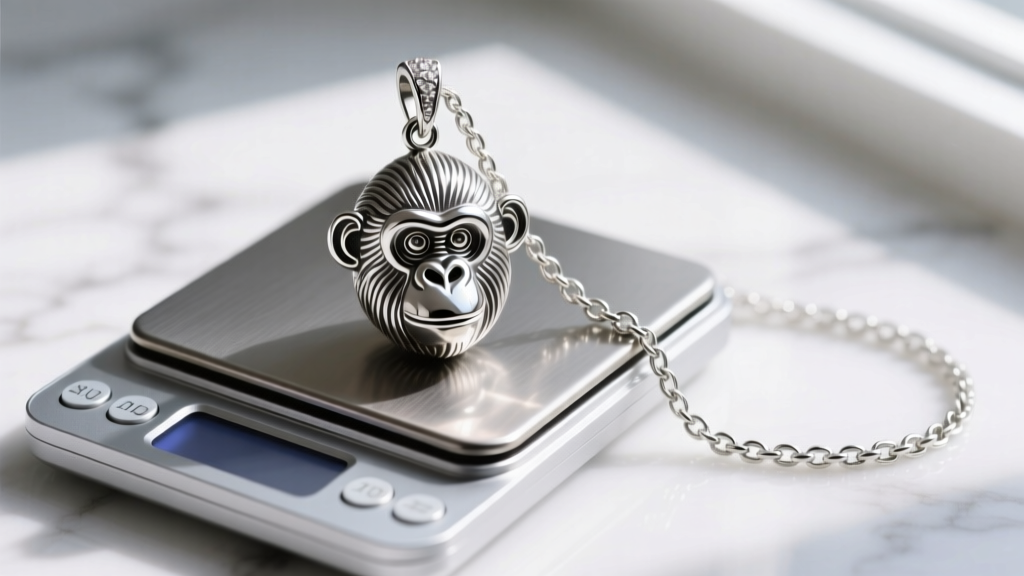
- Weight Discrepancies: A genuine solid 925 silver Bape Shark pendant will have a specific gravity that feels dense and heavy (usually between 35g and 50g depending on the chain). Fakes often use hollow-cast zinc alloy, weighing in at less than 15g. Always carry a digital pocket scale if buying in person.
- Stone Setting Techniques: Authentic Bape CZ pieces typically use micro-prong settings or high-quality bezel settings. Replicas frequently rely on industrial UV glue to hold the stones in the pavé settings. Inspect the edges of the stones under a jeweler's loupe; if you see cloudy residue or uneven glue lines, it is a fake.
- Clasp Engravings: Authentic chains feature clean, deep laser engravings of the Ape Head or "BAPE" on the lobster clasp and the jump ring. Fakes often have shallow, blurry stamps or use generic, unbranded spring-ring clasps that are prone to snapping under the weight of the pendant.
Value Alternatives: Where Should Your Budget Actually Go?
If you have a budget of $200 to $400 and want streetwear aesthetics but demand better material longevity, consider these alternatives:
1. Premium Streetwear Jewelers (King Ice, Jaxxon)
Brands like King Ice offer officially licensed collaborations (e.g., G-Shock, Pac-Man) and original designs using thicker gold plating (often 1.0 to 2.0 microns) over brass, or solid 925 silver bases. Their clasp hardware is generally more robust, and they offer warranties against tarnishing that Bape does not provide.
2. Custom 3D CAD Jewelers
For the price of a high-end Bape drop ($350+), you can commission a local bench jeweler or an online custom CAD designer to 3D-print and cast a mascot pendant in solid 10k or 14k gold. While it won't have the Bape trademark, you will own a piece of solid precious metal that can be polished, repaired, and eventually melted down or passed on as an heirloom.
3. The Secondary Market Strategy
If you are dead-set on the bape necklace aesthetic, never buy mainline brass pieces at retail. Wait three months post-drop and purchase them on Hypebeast's secondary market aggregators or Grailed for 40% to 60% below retail. Let the original buyer absorb the hype depreciation.
Final Verdict: The Collector vs. The Wearer
So, is a Bape necklace worth it in 2026? The answer depends entirely on your buyer profile.
For the Daily Wearer: If you want a chain to wear to the gym, in the shower, or every single day, skip the gold-plated brass Bape pieces. The plating will wear off, and the brass will oxidize. Redirect your budget to a solid 925 sterling silver chain or a 10k gold piece from a dedicated jeweler.
For the Archival Collector: If you are buying rare, Tokyo-exclusive drops, 925 silver variants, or high-profile collaborations, the Bape necklace holds immense cultural value. Treat these pieces like archival fashion: wear them sparingly, store them in anti-tarnish pouches, and view them as a tangible piece of streetwear history rather than a traditional jewelry investment.


