The Emerald Cross Necklace Gold Trend: 2026 Style Guide
Discover the 2026 emerald cross necklace gold trend. Explore expert styling tips, emerald grading, gold karat choices, and pricing for this iconic pendant.

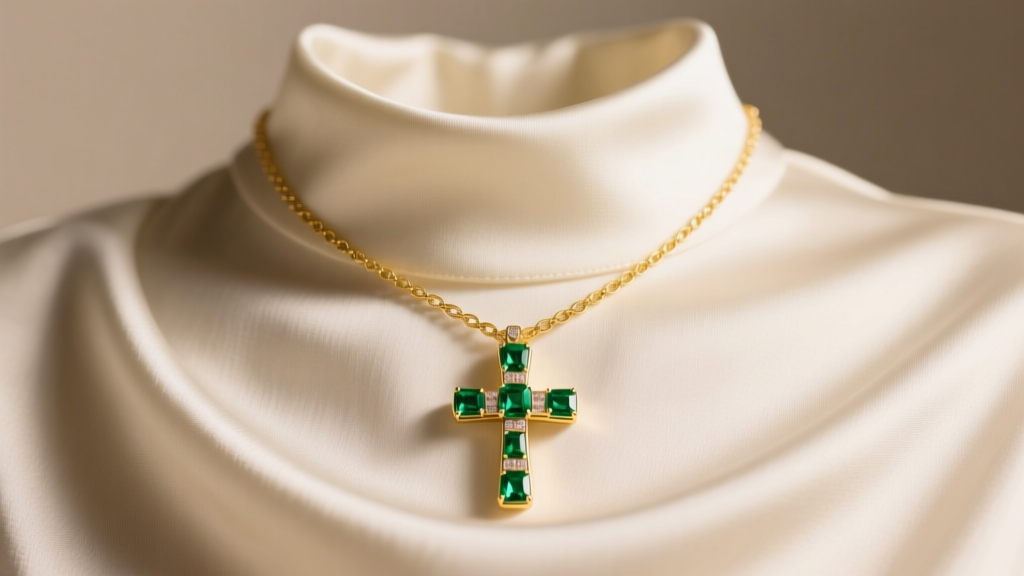
The jewelry landscape in 2026 has seen a definitive shift away from ultra-minimalist, monochromatic diamond pieces toward heritage-inspired, colored gemstone silhouettes. At the forefront of this movement is the emerald cross necklace gold pendant. Once relegated strictly to vintage estate sales or traditional religious milestones, the emerald cross has been reimagined by contemporary designers as a bold, everyday luxury statement. Combining the rich, verdant saturation of emeralds with the warm luster of yellow or rose gold, this specific pendant style bridges the gap between antique reverence and modern sartorial edge.
However, purchasing an emerald cross requires far more gemological vigilance than buying a standard diamond solitaire. Emeralds are notoriously complex, and gold settings demand specific architectural considerations to protect these fragile stones. This comprehensive style and trend analysis breaks down the anatomy of the perfect emerald cross necklace, from clarity grades and karat choices to chain pairings and neckline styling.
The 2026 Resurgence: Why Colored Gemstone Crosses are Dominating
Over the past decade, the cross pendant was largely defined by pavé diamonds and sleek white gold or platinum settings. As we navigate 2026, consumer appetite has pivoted toward 'new vintage' aesthetics—pieces that feel inherited rather than manufactured. The emerald cross necklace gold combination perfectly satisfies this craving. The deep green of the emerald provides a striking contrast against warm gold tones, creating a visual weight that anchors both casual and formal wardrobes.
Designers are currently exploring two distinct silhouettes within this trend:
- The Chunky Bezel Cross: Featuring cabochon or heavily included emeralds set in thick, hammered 14k gold bezels. This style leans into the raw, unpolished beauty of the stones and appeals to the modern bohemian-luxe demographic.
- The Heirloom Prong Cross: A more traditional, elongated Latin cross featuring step-cut or precision-calibrated emeralds in 18k gold. This style is favored by those seeking a refined, quiet luxury aesthetic that mimics mid-century estate jewelry.
Decoding the Stones: Navigating Emerald Clarity and Origin
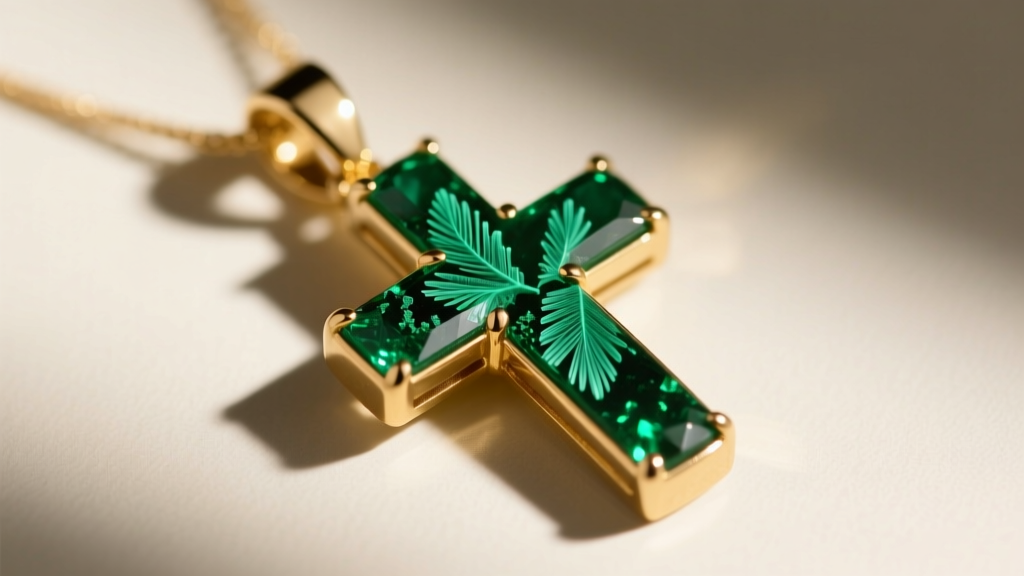
Unlike diamonds, where clarity is heavily penalized, emeralds are classified by the Gemological Institute of America (GIA) as Type III gemstones. This means they are almost always expected to have visible inclusions. In the trade, these internal fractures and mineral deposits are poetically referred to as jardin (French for garden). When evaluating the stones in an emerald cross necklace gold pendant, understanding these inclusions is critical for both aesthetics and durability.
Colombian vs. Zambian vs. Brazilian Origins
The origin of the emerald drastically affects the color profile of your cross pendant:
- Colombian Emeralds: Prized for their pure, intense green hue with a slight blue undertone. They are the most expensive and are typically reserved for high-end, heirloom-quality crosses.
- Zambian Emeralds: Known for a deeper, slightly cooler green with a hint of blue-gray. They generally have higher clarity than Colombian stones and are highly popular in contemporary 2026 designs due to their brilliant saturation and slightly more accessible price point.
- Brazilian Emeralds: Often lighter in tone with a yellowish-green cast. These are frequently used in more affordable, fashion-forward gold cross pendants.
The Reality of Clarity Enhancement
Nearly 90% of natural emeralds on the market undergo clarity enhancement, typically cedar oiling, to fill surface-reaching fractures and improve transparency. When buying an emerald cross, you must assume the stones are oiled unless accompanied by a lab report stating otherwise. Avoid exposing your necklace to ultrasonic cleaners, steam, or harsh chemicals (like perfumes and chlorinated pool water), as these will strip the oil, causing the emeralds to turn cloudy and white overnight.
Gold Karat and Setting Architecture: Protecting Fragile Gems
While emeralds rank between 7.5 and 8 on the Mohs scale of hardness, their toughness (resistance to breaking or chipping) is notoriously poor due to their heavily included nature. A single hard knock against a marble countertop can fracture an emerald. Therefore, the gold karat and setting style of your cross pendant are not just aesthetic choices—they are structural necessities.
According to the GIA Gold Guide, the purity of gold directly impacts its malleability and durability. Here is how the two most common karats perform in an emerald cross necklace gold setting:
| Gold Karat | Purity | Durability & Wear | Best Setting Style for Emeralds | Ideal Wearer Profile |
|---|---|---|---|---|
| 14k Gold | 58.5% Gold | Highly durable, resists scratching and bending. Excellent for daily wear. | Prong settings (prongs won't easily bend back and release the stone). | Active individuals who plan to wear the cross necklace daily without removal. |
| 18k Gold | 75.0% Gold | Softer, richer yellow color, hypoallergenic. Prone to scratching over time. | Bezel or semi-bezel settings (protects the fragile girdle of the emerald). | Occasional wearers, collectors, and those prioritizing maximum color saturation. |
Expert Tip: If you are purchasing a vintage emerald cross with prong settings, take it to a master jeweler to have the prongs retipped or reinforced before wearing it. Vintage 18k gold prongs can become brittle or worn thin over decades, posing a severe risk to the emeralds they hold.
Chain Pairings: Proportions and Hardware
An emerald cross pendant carries significant visual and physical weight. Pairing it with a chain that is too delicate will result in a disproportionate look and, worse, a broken chain. Conversely, a chain that is too thick will overpower the intricate metalwork of the cross.
Optimal Chain Styles and Gauges
- The Box Chain (1.0mm - 1.5mm): The undisputed champion for cross pendants. The geometric links of a box chain mirror the architectural lines of a cross, creating a cohesive visual flow. A 1.2mm 14k gold box chain offers the perfect balance of tensile strength and delicate drape.
- The Cable Chain (0.9mm - 1.2mm): A classic choice that fades into the background, allowing the emeralds to take center stage. Ensure the wire gauge is at least 0.9mm to support the weight of a multi-stone gold cross.
- The Rope Chain (1.5mm+): Best reserved for larger, chunkier 'new vintage' crosses. The twisted links catch the light beautifully but can compete with highly detailed, filigree-style cross settings.
Hardware Check: Always inspect the bail (the loop connecting the pendant to the chain). For an emerald cross necklace gold piece, a solid, soldered bail is mandatory. Hollow or pinch-bails will eventually wear through from the friction of the gold chain, leading to the loss of the pendant.
Styling Framework: Necklines and Layering Techniques
The versatility of the emerald cross necklace gold pendant lies in its ability to adapt to various necklines and layering configurations. In 2026, the 'curated decolletage' trend emphasizes intentional spacing and mixed textures.
Matching Necklines
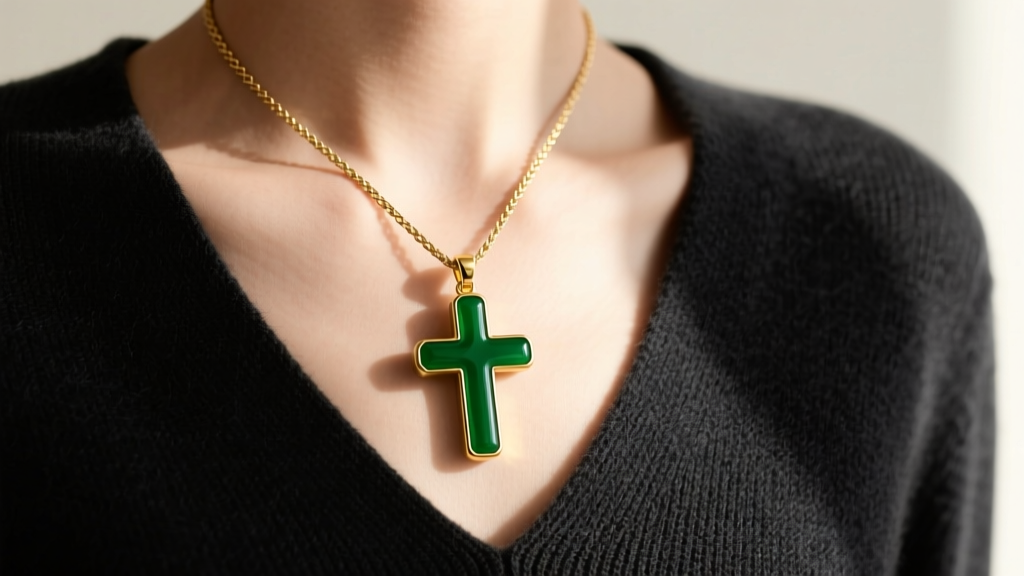
- Deep V-Necks and Wrap Dresses: Opt for an 18-inch or 20-inch princess or matinee length. The cross should sit precisely in the center of the V, drawing the eye downward and elongating the neck.
- Crew Necks and Turtlenecks: A shorter 16-inch choker length works best here, allowing the cross to rest prominently on the fabric. The contrast of vivid green emeralds against black, navy, or cream cashmere is a hallmark of sophisticated winter styling.
- Sweetheart and Strapless Necklines: Keep the chain delicate (1.0mm) and the length at 16 inches so the pendant rests just above the collarbone, framing the face without competing with the garment's neckline.
The Art of the Layer
When layering an emerald cross, it should serve as the anchor piece. Pair a 16-inch emerald cross with a 14-inch gold herringbone choker and a 20-inch plain gold box chain. The mix of chain textures (herringbone's liquid shine vs. the box chain's geometric matte links) creates depth, while the emerald cross provides the focal point of color.
Investment and Pricing Tiers in 2026
Understanding the market value of an emerald cross necklace gold setting requires separating the cost of the precious metal from the gemstones. Gold prices have remained robust, but the emerald market is heavily stratified based on origin, treatment, and whether the stones are natural or lab-created.
- Lab-Created Emerald Crosses ($400 - $1,200): Brands utilizing Chatham or Dorfin lab-grown emeralds offer flawless clarity and vivid saturation without the jardin. Set in 14k gold, these are excellent for daily wearers who want the aesthetic without the anxiety of damaging a high-value natural stone.
- Natural Commercial-Grade Crosses ($1,500 - $4,500): Typically featuring Zambian or Brazilian emeralds with visible inclusions and moderate oiling. Often set in 10k or 14k gold with simple prong settings. These offer authentic gemstone character at an accessible luxury price point.
- Fine & Estate Heirloom Crosses ($8,000 - $25,000+): Featuring untreated or lightly oiled Colombian emeralds with exceptional transparency, set in 18k or 22k gold, often accented with old European cut diamonds. These are investment-grade pieces that appreciate in value and are usually sourced from specialized estate jewelers or high-end auction houses.
Ultimately, the emerald cross necklace gold trend of 2026 is about embracing imperfection and history. Whether you choose a bezel-set Zambian stone for everyday resilience or an intricate Colombian heirloom for special occasions, understanding the gemological and metallurgical realities ensures your pendant remains a stunning, enduring fixture in your jewelry collection for decades to come.


