Pearl Tennis Necklace Trends: 2026 Style & Sizing Guide
Discover how the pearl tennis necklace is dominating 2026 fashion. Explore sizing, baroque vs. round styles, and expert layering techniques.

The Renaissance of the Pearl Tennis Necklace
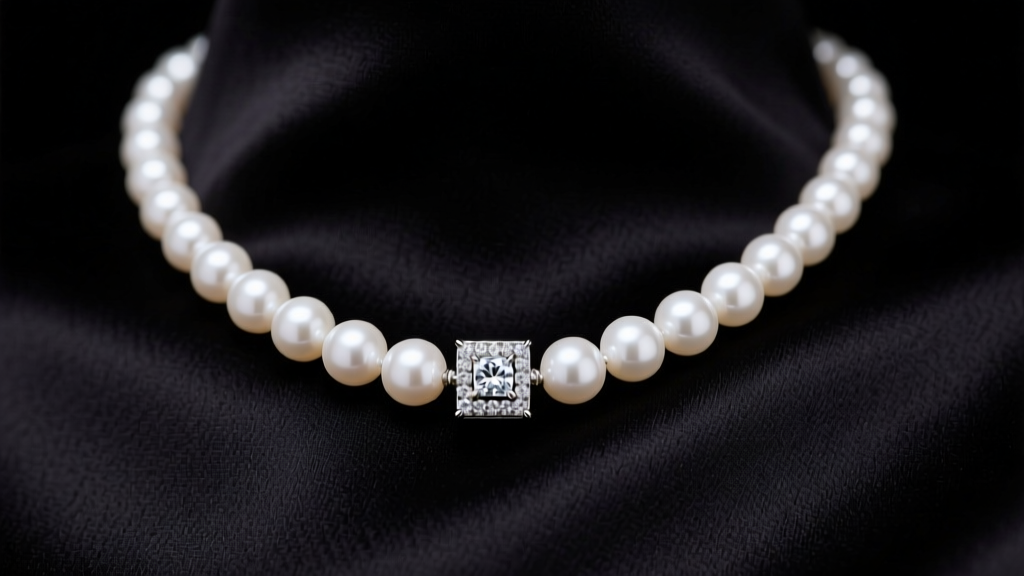
Once relegated to the realm of traditional bridal wear and conservative evening attire, the pearl tennis necklace has undergone a radical metamorphosis. As we navigate the fashion landscape of 2026, this iconic silhouette has emerged as a cornerstone of the 'textural maximalism' movement. No longer confined to matching sets, the modern pearl tennis necklace is being styled with structured leather outerwear, oversized tailoring, and asymmetrical streetwear. The shift is driven by a consumer desire for organic luxury—pieces that feel deeply personal, historically rooted, yet entirely contemporary in their execution.
Unlike the rigid, uniform diamond tennis necklaces of the late 20th century, today's iterations celebrate organic imperfections, mixed-metal hardware, and varied millimeter drops. According to the Gemological Institute of America (GIA), the valuation of pearls has shifted heavily toward unique luster and nacre quality over perfect spherical symmetry, a trend that perfectly aligns with the modern styling of the pearl tennis necklace.
Round vs. Baroque: Choosing Your Pearl Grade and Shape
The foundation of any pearl tennis necklace lies in the selection of the pearl itself. In 2026, the market is distinctly bifurcated between the hyper-refined Hanadama Akoya and the avant-garde Baroque Freshwater. Understanding the material grades is essential for making an informed investment.
The Hanadama Standard
For those seeking the ultimate in spherical perfection and mirror-like luster, Hanadama-certified Akoya pearls remain the gold standard. Originating primarily from Japan, these pearls must possess a nacre thickness of at least 0.4mm and exhibit virtually no blemishes. A 7.0-7.5mm Hanadama pearl tennis necklace offers a substantial, luminous drape that catches ambient light beautifully, making it ideal for low-light evening styling.
The Baroque Rebellion
Conversely, the baroque pearl tennis necklace has captured the daytime and streetwear market. Characterized by their irregular, non-symmetrical shapes, baroque pearls offer a rugged, organic aesthetic. When strung consecutively, the varying ridges and undulations of baroque freshwater pearls create a dynamic, fluid texture that mimics liquid metal. The American Gem Trade Association (AGTA) notes that baroque pearls are increasingly favored by designers who want to subvert traditional fine jewelry norms.
| Pearl Type | Shape & Grade | Ideal Size (mm) | Avg. Price Range (18-inch) | Best Styling Context |
|---|---|---|---|---|
| Akoya (Hanadama) | Perfect Round, AAA | 6.5 - 7.5mm | $3,500 - $8,000 | Evening wear, minimalist layering |
| Freshwater (Baroque) | Irregular, AA | 8.0 - 11.0mm | $800 - $2,200 | Streetwear, heavy stacking |
| Tahitian (Peacock) | Drop/Circle, AAA | 9.0 - 11.0mm | $4,500 - $12,000 | High-contrast editorial, menswear |
The Mechanics of the Drape: Stringing and Clasp Engineering
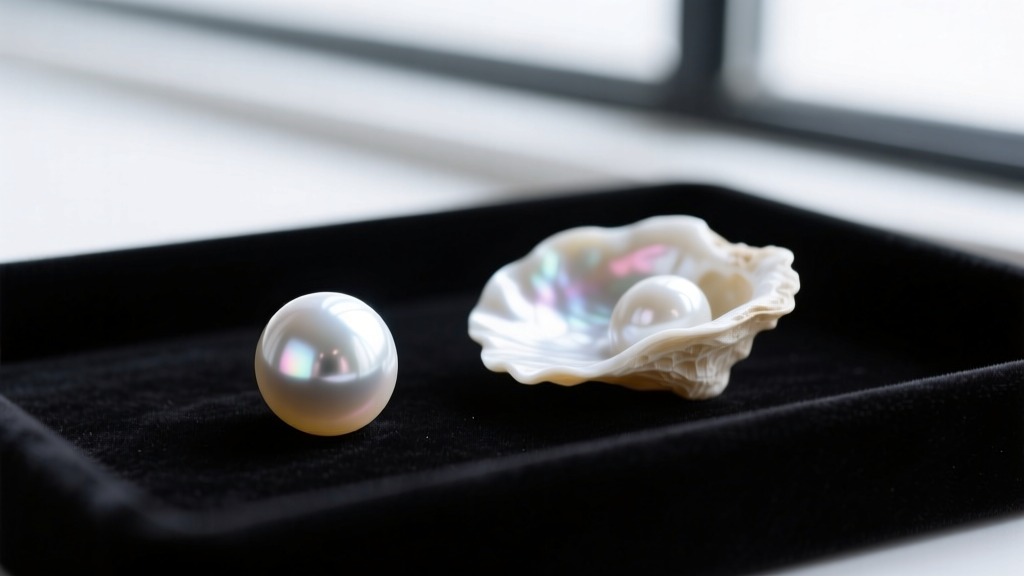
A true expert evaluates a pearl tennis necklace not just by its gems, but by its structural engineering. The way a necklace drapes across the clavicle is entirely dependent on the stringing medium and the clasp mechanism.
Stringing Mediums: Silk vs. Nylon-Coated Steel
Historically, pearl necklaces were strung on pure silk thread with French knots between each pearl. While traditional, silk is highly susceptible to stretching, moisture degradation, and UV rot. In 2026, premium pearl tennis necklaces are increasingly strung on multi-strand, nylon-coated stainless steel wire. This modern alternative eliminates the dreaded 'gap' that forms between pearls over time and provides a fluid, heavy drape that conforms perfectly to the neckline without snapping under the weight of larger 9mm+ baroque pearls.
Clasp Security: The Figure-8 Safety Catch
The traditional fishhook clasp, while elegant, is notoriously prone to bending and accidental unhooking when caught on heavy fabrics. The current industry standard for high-value pearl tennis necklaces is the 14k or 18k gold box clasp equipped with a double figure-8 safety catch. This mechanism ensures that even if the primary internal latch is depressed, the dual side-wires will catch on the opposing ring, preventing catastrophic loss of the strand.
2026 Layering Frameworks: Mixed Metals and Asymmetry
The most critical style evolution of the pearl tennis necklace is its integration into complex, multi-chain stacks. The days of wearing a single strand in isolation are fading. To master the 2026 aesthetic, one must understand the 'Rule of Thirds' in necklace stacking.
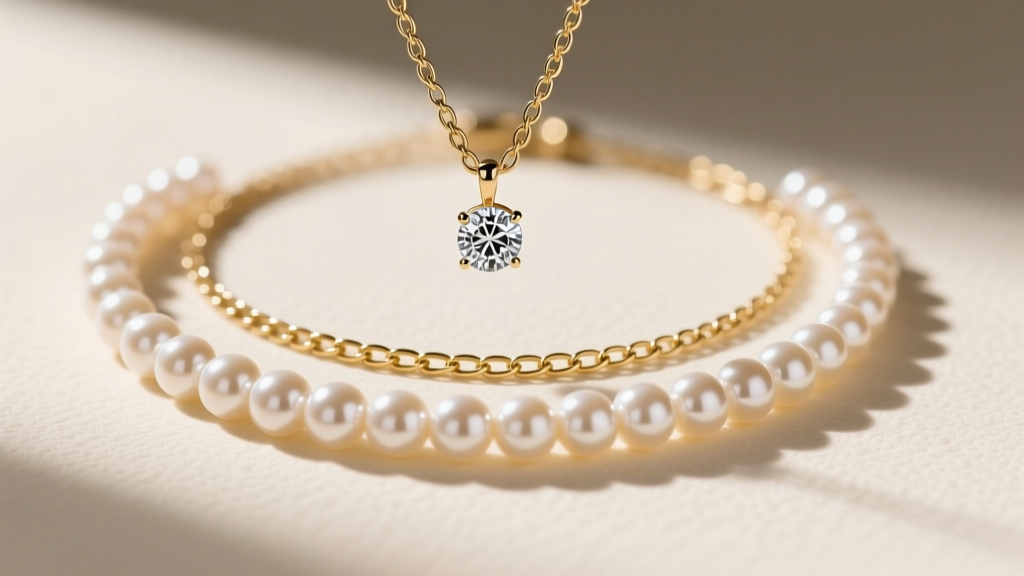
- The Base Layer (14-15 inches): A delicate 5.0mm freshwater pearl choker that sits tightly against the base of the throat. This anchors the stack and provides a high-contrast textural baseline.
- The Focal Layer (16-18 inches): Your primary 7.0mm pearl tennis necklace. This should rest precisely on the clavicle bone, acting as the visual weight of the ensemble.
- The Elongator (20-24 inches): A heavy 14k yellow gold paperclip chain or a rope chain featuring a single, bezel-set diamond or gemstone drop. This draws the eye downward, elongating the neck and torso.
Mixing the organic, matte-to-luminous finish of pearls with the sharp, reflective geometry of yellow or rose gold chains creates a visual tension that is highly sought after in contemporary styling. Do not shy away from mixing silver-toned white pearls with warm 18k yellow gold hardware; this bimetallic approach is a hallmark of modern luxury.
Care and Maintenance: Preserving the Nacre
Pearls rank between 2.5 and 3.0 on the Mohs scale of mineral hardness, making them exceptionally vulnerable to micro-scratches and chemical erosion. The nacre is composed of microscopic aragonite platelets bound by conchiolin, an organic protein that can dry out and crack if neglected.
'The golden rule of pearl maintenance remains unchanged: pearls must be the last thing you put on and the first thing you take off. Hairsprays, perfumes, and acidic skin pH are the silent killers of nacre luster.' — Master Gemologist Appraiser, Jewelers of America.
Never use ultrasonic cleaners or steamers on a pearl tennis necklace; the high-frequency vibrations will shatter the nacre layers and dissolve the adhesive inside the drill holes. Instead, after every wear, gently wipe the strand with a damp, untreated microfiber cloth to remove oils and environmental pollutants. Store the necklace flat in a soft chamois pouch—never hanging, as gravity will permanently stretch the stringing medium over time, and never in a sealed plastic bag, as pearls require ambient moisture to prevent the conchiolin from becoming brittle.
Final Thoughts on the 2026 Market
The pearl tennis necklace has successfully transcended its conservative origins to become a versatile, gender-neutral staple in the modern jewelry wardrobe. Whether you opt for the mirror-like perfection of a Hanadama Akoya strand or the rebellious texture of a baroque freshwater sequence, understanding the nuances of grading, stringing mechanics, and contemporary layering will ensure your investment remains both structurally sound and stylistically relevant for decades to come.


