The Beginner's Guide to Choosing an Abalone Pendant Necklace
Discover everything about the abalone pendant necklace. Learn how to spot real shell, care for iridescent jewelry, and style it for any neckline.

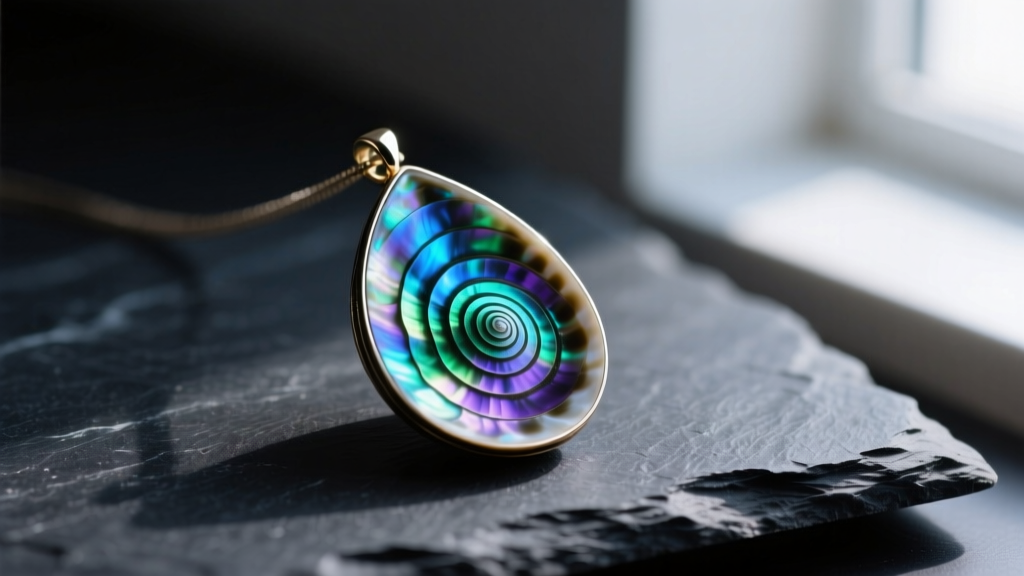
When you first start exploring organic gemstones, few materials capture the imagination quite like the ocean's hidden treasure. An abalone pendant necklace offers a mesmerizing play of color that shifts from deep oceanic blues to vibrant neon greens and purples. For beginners navigating the jewelry market, understanding this unique material is crucial to making a smart, lasting purchase.
What Exactly is Abalone Shell?
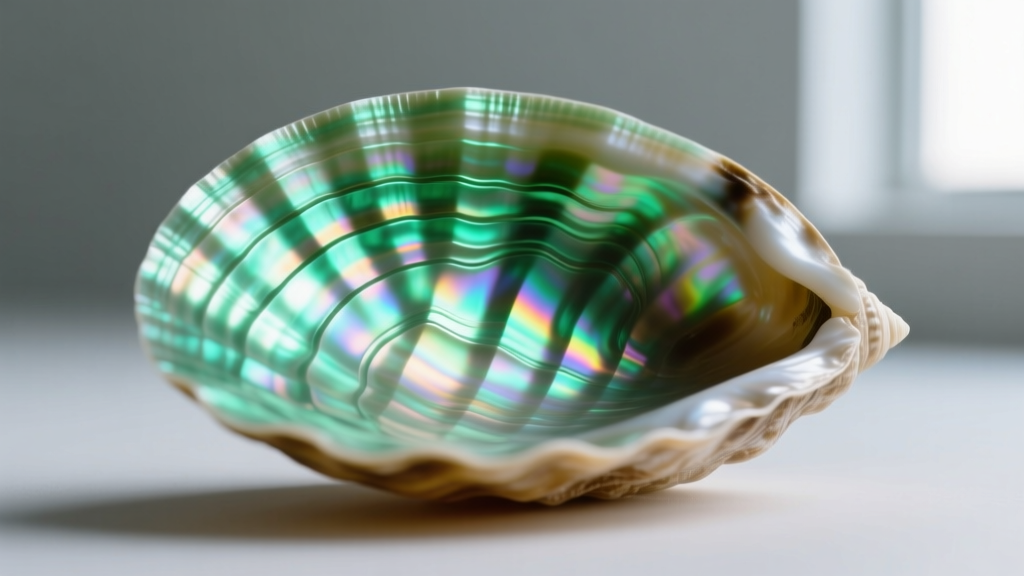
Abalone is not a stone; it is the iridescent inner shell of the Haliotis marine gastropod mollusk. The striking colors you see in an abalone pendant necklace are the result of nacre (mother-of-pearl), a composite material consisting of microscopic calcium carbonate platelets interleaved with organic biopolymers. According to the Gemological Institute of America (GIA), this unique structural arrangement causes light to interfere and diffract, producing the shell's signature iridescence. Unlike mined gemstones, abalone is an organic gem, meaning it requires a completely different approach to care, wear, and maintenance.
Real vs. Imitation Abalone: A Buyer's Checklist
Because natural abalone is highly sought after, the market is flooded with imitations. As a beginner, knowing how to differentiate genuine shell from synthetic alternatives will save you from overpaying for costume jewelry. Here is a breakdown of what you will encounter when shopping for an abalone pendant necklace.
| Feature | Genuine Abalone | Dyed/Reconstructed Shell | Resin/Glass Imitation |
|---|---|---|---|
| Visual Depth | Deep, multi-dimensional iridescence with natural ridges. | Flat color, overly uniform patterns, lacks depth. | Painted foil backing, completely uniform, plastic-like shine. |
| Temperature | Cool to the touch initially, warms slowly. | Cool to the touch. | Room temperature, warms instantly to skin. |
| Weight | Relatively lightweight but has a solid, dense feel. | Similar to genuine, but may feel chalky on edges. | Noticeably lighter (resin) or overly heavy (glass). |
| Price Range | $40 - $250+ depending on size and metal setting. | $15 - $40 | Under $15 |
Pro Tip: Look at the edges of the pendant. Genuine abalone will often show a slightly rough or chalky white outer edge where it was cut from the shell, whereas resin fakes will have perfectly molded, seamless edges.
Chain Pairings: Matching Metals to Iridescent Tones
The metal you choose for your abalone pendant necklace drastically alters its overall aesthetic. Because the shell contains a spectrum of colors, you have versatile pairing options.
Sterling Silver and White Gold
Cool-toned metals like 925 sterling silver or 14k white gold amplify the blue, green, and silver hues within the nacre. This is the most popular choice for an abalone pendant necklace, creating a cohesive, oceanic vibe. Silver is also more affordable, keeping the total piece price accessible for beginners.
Yellow Gold and Rose Gold
Pairing abalone with 14k or 18k yellow gold creates a striking, high-contrast vintage look. The warmth of the gold pulls out the subtle magenta and copper undertones hidden in darker abalone varieties. Rose gold offers a softer, romantic contrast that works exceptionally well with pinkish New Zealand Paua shell variants.
The Durability Factor: Mohs Scale and Everyday Wear
One of the most critical concepts for beginners to grasp is the hardness of organic gems. On the Mohs scale of mineral hardness, abalone ranks between 2.5 and 3.5. To put this in perspective, a copper penny is about a 3.5, and a steel knife is around a 5.5. This means your abalone pendant necklace is highly susceptible to scratching.
Compared to other organic gems, abalone is slightly harder than freshwater pearl (Mohs 2.5) but significantly softer than fossilized coral or amber. This means it requires the highest tier of protective settings. Bezel settings are highly recommended over prong settings, as a full metal rim protects the vulnerable edges of the shell from chipping upon impact.
Common Failure Modes:
- Abrasion: Storing your necklace in a jewelry box alongside diamonds (Mohs 10) or quartz (Mohs 7) will result in severe micro-scratches that dull the iridescent surface.
- Chemical Etching: Nacre is primarily calcium carbonate. Exposure to acidic substances—including sweat, perfumes, hairsprays, and citrus—will chemically etch the surface, leaving permanent dull, white spots.
- Delamination: Extreme temperature changes or prolonged exposure to dry heat can cause the microscopic layers of nacre to separate and peel.
For these reasons, an abalone pendant necklace is best treated as an occasional wear piece or reserved for environments where it won't be subjected to heavy physical impact or chemical exposure.
How to Clean and Store Abalone Shell Jewelry
Proper maintenance will ensure your pendant retains its fiery luster for decades. Follow these strict care protocols aligned with guidelines from Jewelers of America:
- The 'Last On, First Off' Rule: Always put your necklace on after applying cosmetics, perfumes, and lotions. Remove it immediately upon returning home.
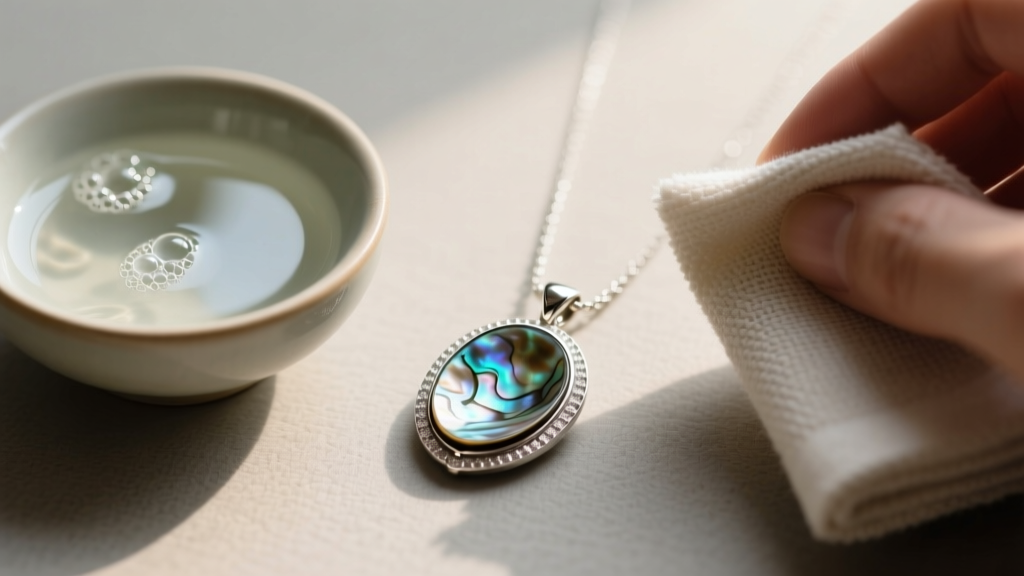
- Gentle Wiping: After wearing, wipe the shell with a dry, lint-free microfiber cloth to remove skin oils and environmental acids.
- Deep Cleaning: If the pendant becomes visibly soiled, use a barely damp cloth with a drop of pH-neutral soap. Never submerge abalone in water, and never use ultrasonic or steam cleaners, as the vibrations and heat will shatter the shell.
- Isolated Storage: Store your abalone pendant necklace in a soft cloth pouch or a dedicated felt-lined compartment, completely isolated from harder gemstones and metal chains that could scratch it.
Ethical Sourcing: Farmed vs. Wild Abalone
As a conscious consumer, understanding where your jewelry comes from is vital. Wild abalone populations have faced severe depletion due to overharvesting and ocean acidification. Today, the most reputable jewelers source their shells from sustainable aquaculture farms, particularly in New Zealand and Australia. Farmed abalone is harvested primarily for the food industry, with the shells repurposed as a byproduct for jewelry making. This circular approach ensures that your abalone pendant necklace does not contribute to the ecological decline of wild marine habitats. Always ask retailers for their sourcing transparency policies before purchasing.
Styling Your Abalone Pendant for Different Necklines
Because of its bold, shifting colors, an abalone pendant necklace acts as a natural focal point. Here is how to style it based on your wardrobe:
- Scoop and V-Necks: A 16 to 18-inch chain allows the pendant to rest perfectly in the negative space of a V-neck or scoop neckline, framing the face without competing with fabric patterns.
- Turtlenecks and Crew Necks: Opt for a longer 20 to 24-inch chain (matinee or opera length). Letting the pendant rest over a solid-colored turtleneck (especially black, navy, or cream) allows the iridescence to pop dramatically.
- Collared Shirts: Wear a delicate 14-inch choker-length abalone pendant tucked just inside an unbuttoned collar for a subtle, bohemian touch.
Expert Sourcing Insight: When shopping, look for pendants crafted from New Zealand Paua or Mexican Green Abalone. These specific species yield the thickest, most vibrantly colored nacre layers, ensuring your pendant necklace maintains its optical brilliance over time.
By understanding the organic nature of this material, you can confidently select, wear, and preserve an abalone pendant necklace that serves as a stunning, lifelong connection to the sea.


