Slytherin Necklace Guide: Metals, Gems, and Craftsmanship
Discover the technical details behind a premium Slytherin necklace. We analyze metal grades, gemstone cuts, chain gauges, and clasp mechanics for collectors.

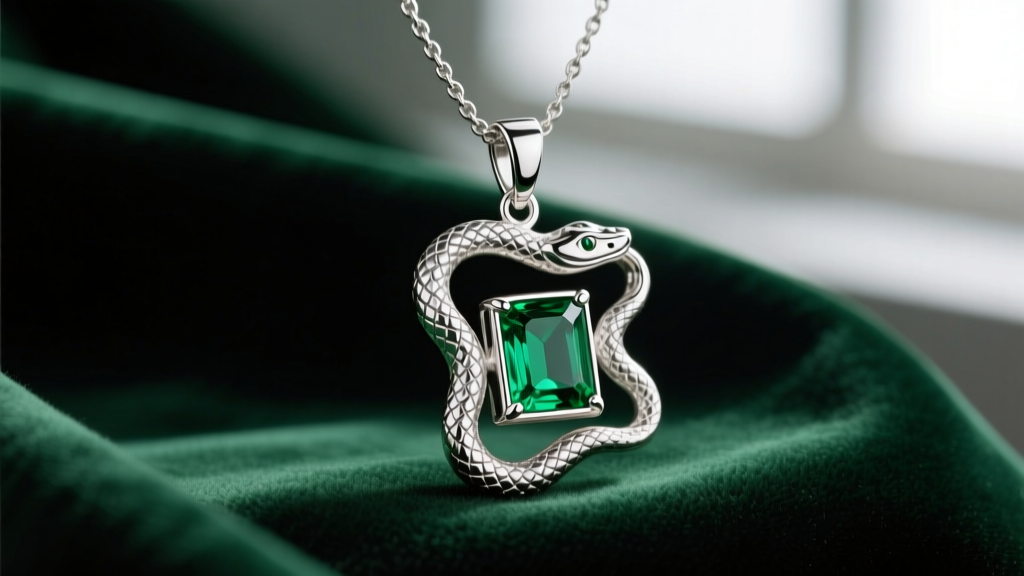
The Evolution of Fandom Jewelry: From Costume to Heirloom
The market for wizarding world merchandise has undergone a radical transformation. While early iterations of a Slytherin necklace were predominantly mass-produced from zinc alloys and plated brass, the 2026 landscape is dominated by adult collectors demanding fine jewelry standards. Today, a premium Slytherin pendant is not merely a costume accessory; it is a meticulously crafted piece of wearable art that requires a deep understanding of metallurgy, gemology, and structural engineering. For enthusiasts looking to invest in a piece that will last a lifetime, understanding the technical specifications behind these necklaces is paramount. This guide dissects the exact material grades, gemological properties, and mechanical tolerances that separate heirloom-quality Slytherin jewelry from disposable novelty items.
Metallurgical Breakdown: What Makes a Premium Slytherin Necklace?
The foundation of any high-end pendant lies in its base metal. The iconic silver-and-emerald aesthetic of the house requires metals that can hold intricate serpentine engravings while resisting the oxidative degradation that plagues lesser alloys.
Argentium Silver vs. Standard .925 Sterling
Standard .925 sterling silver consists of 92.5% silver and 7.5% copper. While copper provides necessary tensile strength, it is highly susceptible to oxidation, leading to the rapid tarnishing associated with sulfur exposure. Premium Slytherin necklaces increasingly utilize Argentium silver, an alloy containing 93.5% silver, copper, and a trace amount of germanium. The germanium forms a transparent, self-healing oxide layer on the surface, making the metal up to seven times more resistant to tarnish than standard sterling. Furthermore, Argentium is naturally nickel-free, eliminating the contact dermatitis risks associated with cheap white metal alloys.
Rhodium Plating Thickness and Tolerances
For pieces crafted in white gold or sterling silver, a rhodium flash is standard to achieve a brilliant, platinum-like finish. However, many commercial manufacturers apply a mere 0.01 to 0.05 microns of rhodium, which wears through to the base metal within months of daily friction. A true heirloom-grade Slytherin necklace will feature a heavy rhodium plating thickness of 0.15 to 0.30 microns. This specific thickness ensures the plating survives years of wear while maintaining the crisp, high-contrast oxidized detailing often found in the crevices of snake-scale engravings.
The "Slytherin Green" Gemstone Spectrum
The visual anchor of any Slytherin necklace is its green gemstone. While costume jewelry relies on dyed quartz or green cubic zirconia, fine jewelry demands natural or high-grade lab-created stones with specific optical properties. According to the GIA Gem Encyclopedia, understanding the refractive index (RI) and toughness of these stones is critical for daily wearability.
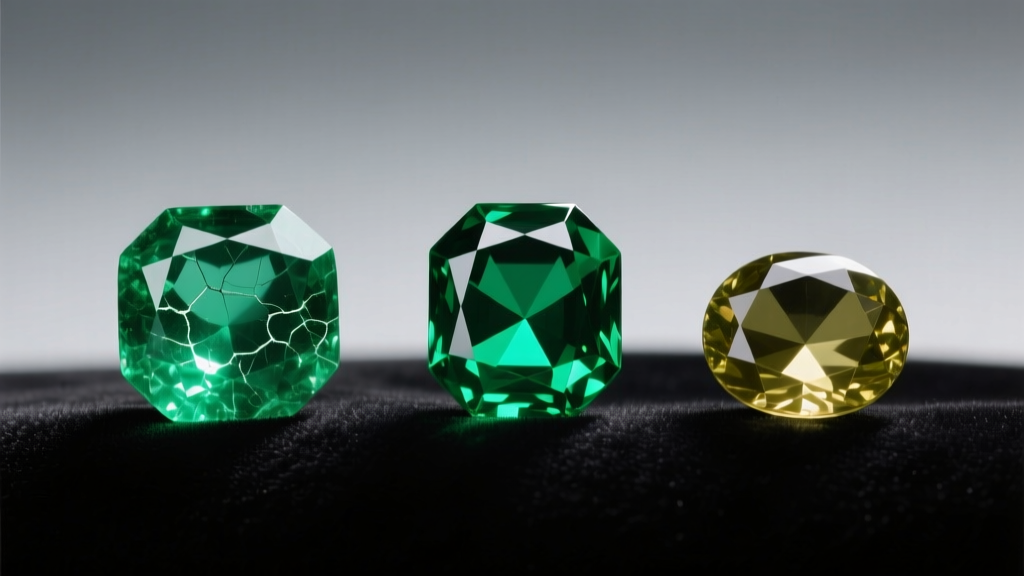
Natural Emerald (Beryl): The Traditional Choice
Emerald is the most historically accurate choice for a premium Slytherin pendant. With a Mohs hardness of 7.5 to 8, it resists scratching reasonably well. However, emerald suffers from poor toughness due to its characteristic inclusions, known as jardin. These internal fractures make the stone highly vulnerable to chipping if struck against a hard surface. Furthermore, natural emeralds are almost universally treated with cedar oil to mask fissures. Owners must avoid ultrasonic cleaners, as the heat and vibrations will strip the oil and expose the fractures.
Tsavorite Garnet: The Superior Alternative
For collectors prioritizing durability without sacrificing the signature green hue, Tsavorite garnet is the superior technical choice. As detailed in the GIA Tsavorite Guide, this grossular garnet variety boasts a higher refractive index (1.74) compared to emerald (1.577-1.583), resulting in significantly more brilliance and fire. Crucially, Tsavorite is never treated with oils or resins and possesses excellent toughness, making it highly resistant to the mechanical shocks of daily wear. A bezel-set Tsavorite in a 14k white gold Slytherin pendant offers the ultimate balance of house-accurate color and gemological resilience.
Chain Mechanics and Gauge Specifications
A heavy cast-metal pendant requires a chain with adequate tensile strength. The failure point of most fandom jewelry is the chain snapping under the dynamic load of a heavy locket or serpent motif. The gauge (thickness) and link architecture dictate the chain's structural integrity.
| Chain Architecture | Optimal Gauge (mm) | Tensile Strength | Kink Resistance | Best For Pendant Weight |
|---|---|---|---|---|
| Snake Chain | 1.2 - 1.5 | Low | Poor | Under 5 grams |
| Rope Chain | 1.8 - 2.5 | High | Excellent | 10 - 25 grams |
| Box Chain | 1.5 - 2.0 | Medium | Good | 5 - 15 grams |
While snake chains offer a sleek, modern aesthetic that complements the fluid lines of a Slytherin serpent, their tightly interlocked, smooth rings are notoriously prone to permanent kinking if bent at a sharp angle. For heavy pieces like a replica Salazar Slytherin locket (which can easily exceed 20 grams), a 2.0mm rope chain is the engineering standard. The twisted, multi-faceted links distribute stress evenly and provide exceptional resistance to snapping, even under sudden tensile loads.
Clasp Engineering and Failure Modes
The clasp is the most critical mechanical component of the necklace. The standard lobster claw clasp relies on a tiny internal steel spring. Over time, moisture and skin oils cause this spring to fatigue or corrode, leading to the clasp failing to close completely—a primary cause of lost pendants.
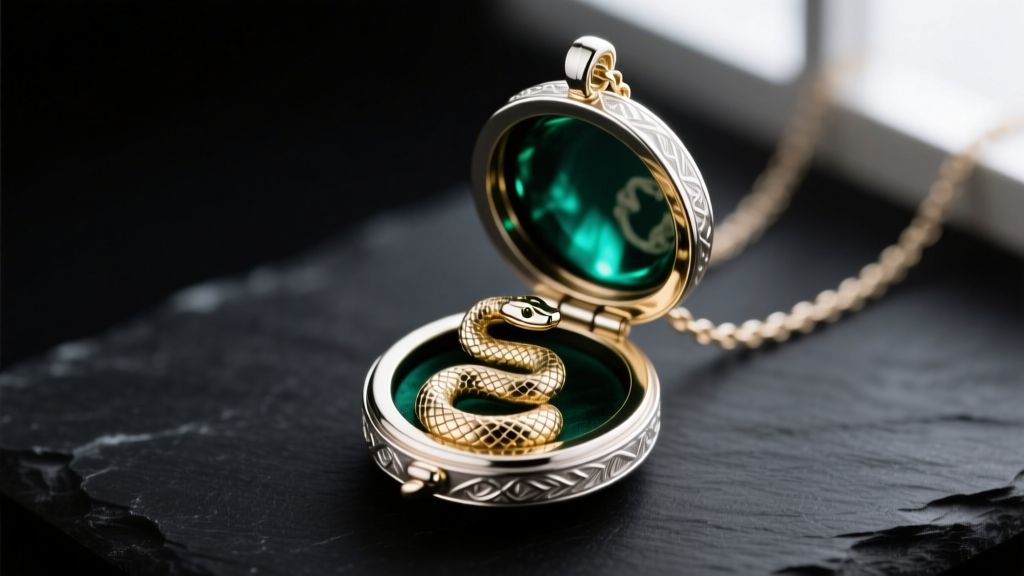
For high-value Slytherin necklaces, experts recommend a hidden box clasp with a figure-8 safety catch. The box clasp utilizes a V-shaped spring tongue that clicks securely into a recessed housing, distributing the pulling force across the metal housing rather than a tiny spring. The figure-8 safety wire acts as a redundant locking mechanism; even if the primary tongue is accidentally depressed, the safety wire catches on the opposite side's nub, preventing the necklace from opening and the pendant from being lost.
Pricing Tiers and Authenticity Markers
When evaluating a premium Slytherin necklace in 2026, pricing is a direct reflection of material costs and labor intensity. Be wary of pieces claiming to be solid gold or natural emerald that fall outside these established market parameters:
- Entry-Level Fine ($80 - $150): Solid .925 sterling silver, rhodium-plated. Features lab-created emeralds or green onyx. Stamped with a standard '925' hallmark. Standard lobster clasp.
- Mid-Tier Collector ($250 - $600): Argentium silver or 10k white gold. Features natural, moderately included emeralds or high-grade Tsavorite garnets (under 0.50 carats). Includes upgraded box clasps and laser-engraved serial numbers for authenticity.
- Heirloom/Bespoke ($800 - $2,500+): 14k or 18k white gold. Features untreated, high-clarity emeralds certified by the Gemological Institute of America (GIA). Hand-engraved scales, custom hidden box clasps, and heavy rope chains (2.5mm+).
Ultimately, investing in a technically superior Slytherin necklace means looking past the immediate visual appeal and scrutinizing the structural realities of the piece. By prioritizing Argentium silver, Tsavorite garnets, robust rope chains, and redundant safety clasps, collectors can secure a piece of wizarding world history that is engineered to endure for generations.


