How to Make a Necklace Shorter Without Cutting It by Material Type
Learn how to make a necklace shorter without cutting it. Compare non-destructive shortening methods based on chain material, weight, and tensile strength.

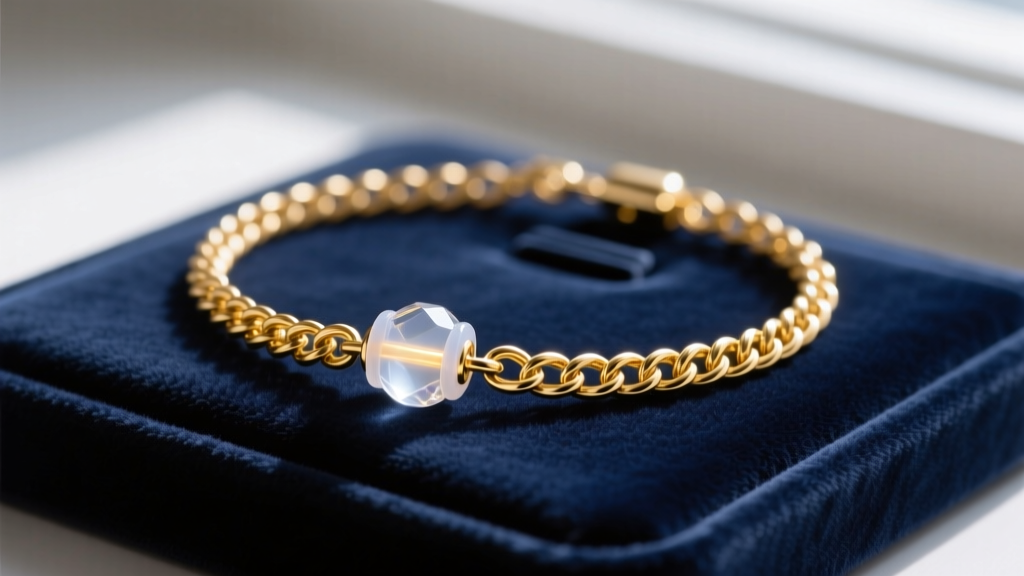
The Physics of Necklace Shortening: Why Material Dictates Method
When you need to adjust a chain's drop, learning how to make a necklace shorter without cutting it is essential for preserving both the structural integrity and the resale value of your jewelry. Cutting a chain permanently alters the tempered state of the metal, removes the manufacturer's soldered jump rings, and immediately depreciates the piece. However, not all non-destructive shortening methods work for every material. The correct approach depends entirely on the chain's alloy, gauge (thickness), weight, and the Mohs hardness of the metal.
A heavy 4.0mm sterling silver Cuban link requires a vastly different tension mechanism than a delicate 0.8mm 14k gold cable chain. Applying the wrong hardware can cause micro-abrasions, stress fractures in the links, or catastrophic clasp failure. In this guide, we analyze the material science behind non-destructive necklace shortening, providing exact specifications for matching your chain's properties to the correct adjustable hardware.
Method 1: Silicone Slider Beads & O-Rings (Best for Delicate Chains)
Silicone slider beads rely on friction and material compression to hold a chain in a looped or cinched position. These are ideal for lightweight chains ranging from 0.5mm to 1.5mm in width, such as cable, box, or delicate rope chains.
Material Compatibility & Friction Coefficients
Jewelry-grade silicone typically has a Shore A hardness of 40 to 50, making it softer than precious metals. On the Mohs scale, 14k gold sits around 3.0 to 3.5, while platinum is roughly 4.0 to 4.5. Because the silicone is softer, it will not scratch or mar the polished surface of your precious metals. The internal ribbing of a high-quality slider bead creates a high static friction coefficient against smooth metals like gold and platinum, allowing it to hold chains weighing up to 8 grams securely.
Pro-Tip: For ultra-slippery metals like highly polished platinum or rhodium-plated white gold, use a slider bead with an internal metal spring core rather than pure silicone. The spring applies consistent radial pressure, compensating for the low friction coefficient of rhodium.
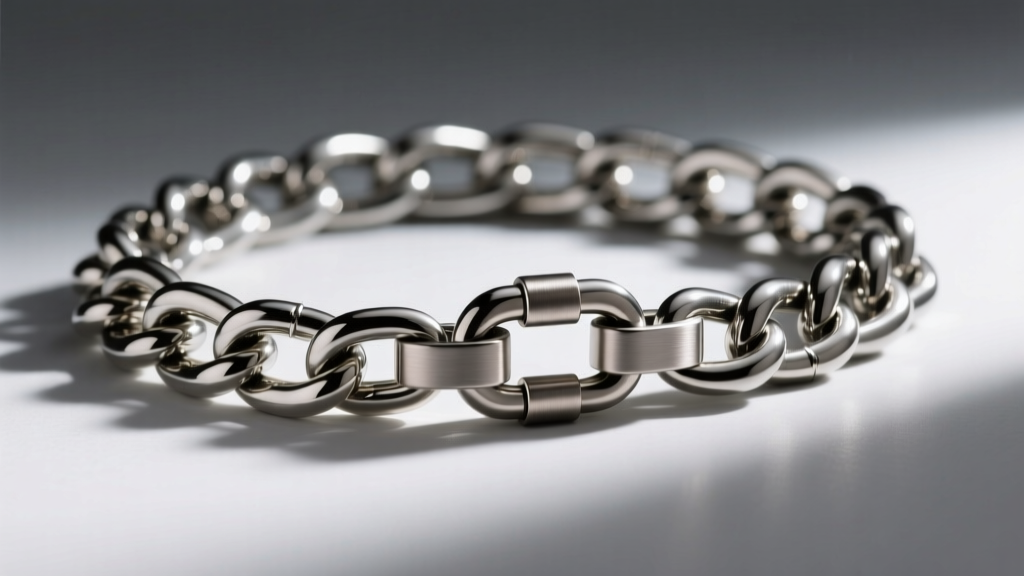
Method 2: Magnetic Cinch Clasps & Tension Locks (Best for Medium-Weight Metals)
For medium to heavy chains (2.0mm to 6.0mm) made of stainless steel, titanium, or thick sterling silver, silicone sliders will simply slip under the weight. Here, you must use mechanical tension locks or neodymium magnetic cinch clasps.
Neodymium Magnet Grading and Chain Gauge Limits
Magnetic cinch clasps utilize N42 or N52 grade neodymium magnets to snap two halves of a looped chain together. An N52 magnet provides approximately 25% more pull force than an N42, which is critical when supporting the kinetic swing of a heavy 45-gram stainless steel rope chain. According to data from Rio Grande Jewelry Supply, tension-based hardware must be rated for at least three times the static weight of the chain to account for the dynamic force generated when the wearer turns their head quickly.
Warning: Never use magnetic cinch clasps on chains with iron or low-grade steel alloys, as the magnetic field can induce a slight residual magnetism in the chain links, causing them to attract metal dust and debris over time. Stick to austenitic stainless steels (like 316L), which are largely non-magnetic.
Method 3: The Lark’s Head Knot & Silk Looping (Best for Pearls & Beads)
Knotted pearl and gemstone bead necklaces cannot be cinched with metal or silicone hardware without risking severe damage to the drilling holes or the stringing material. To shorten these, you must utilize a Lark’s Head knot or a French wire looping technique.
Tensile Stress on Silk vs. Synthetic Cords
Traditional pearl necklaces are strung on silk thread, a natural protein fiber. Silk has high tensile strength but is highly susceptible to stretching when exposed to moisture or the oils from human skin. When creating a shortening loop with silk, you must tie the knot around a secondary, hidden 'anchor' bead or a gold-filled spacer ring. Tying silk directly against itself in a tight cinch loop creates localized shear stress that will fray the fibers within months.
Conversely, modern synthetic cords like nylon or PowerPro braided line do not stretch and possess a much higher shear tolerance. The Gemological Institute of America (GIA) recommends that if you must loop and knot a necklace to shorten it, ensure the pearls are protected by microscopic silicone tubing at the knot junction to prevent the bead holes from grinding against the tightened cord.
Material Comparison Matrix: Matching Chain to Shortening Hardware
Use the table below to determine the safest non-destructive shortening method based on your necklace's specific material properties and dimensions.
| Chain Material & Style | Typical Gauge / Width | Weight Class | Recommended Shortener | Material Risk Factor |
|---|---|---|---|---|
| 14k/18k Gold Cable or Box | 0.8mm - 1.5mm | Light (2-8g) | Silicone Slider Bead (Shore 40A) | Low (Silicone won't scratch gold) |
| Sterling Silver Curb / Figaro | 2.0mm - 4.0mm | Medium (10-25g) | Metal Spring-Loaded Cinch Clasp | Medium (Friction may dull high-polish) |
| 316L Stainless Steel Cuban | 4.0mm - 8.0mm | Heavy (30-80g) | N52 Neodymium Magnetic Lock | Low (Steel resists abrasion) |
| Silk-Strung Akoya Pearls | N/A (Bead size 6-8mm) | Variable | Lark's Head Knot over Gold Spacer | High (Silk frays under shear stress) |
| Platinum Rope Chain | 1.5mm - 3.0mm | Medium-Heavy (15-35g) | Titanium Tension Lock Clasp | Low (Platinum is highly durable) |
The Sulfur Danger: Common Mistakes That Ruin Specific Alloys
When searching for DIY ways to shorten a necklace, many people turn to household items. The most dangerous of these is the common rubber band. Never use a rubber band to loop and secure sterling silver. Vulcanized rubber contains high levels of sulfur. When sulfur comes into direct, prolonged contact with sterling silver (which is 92.5% silver and 7.5% copper), it triggers a rapid chemical reaction, forming silver sulfide (Ag2S). This manifests as a thick, black tarnish that can permanently pit the surface of the silver if left for more than a few hours.
Similarly, using standard metal binder clips or paper clips to pinch a chain loop will cause catastrophic scratching. Standard office steel has a Mohs hardness of around 5.0 to 6.0, which is significantly harder than gold, silver, and platinum. Pinching a 14k gold chain with a steel clip will gouge the metal, requiring expensive professional buffing to repair.
Expert Verdict: Preserving Resale Value
Understanding how to make a necklace shorter without cutting it is ultimately about asset preservation. By matching the friction, tension, and hardness of your shortening hardware to the specific metallurgical properties of your chain, you ensure the piece remains structurally sound and visually flawless. Invest in jewelry-grade silicone sliders for your delicate gold pieces, N52 magnetic locks for your heavy steel chains, and always respect the tensile limits of organic stringing materials like silk. Your jewelry will retain its manufacturer integrity, its aesthetic brilliance, and its long-term market value.


