Crafting the Perfect Baseball Beads Necklace: A Technical Guide
Discover the technical anatomy of a baseball beads necklace. Explore wood grades, leather cord thicknesses, and sweat-resistant metal alloys.

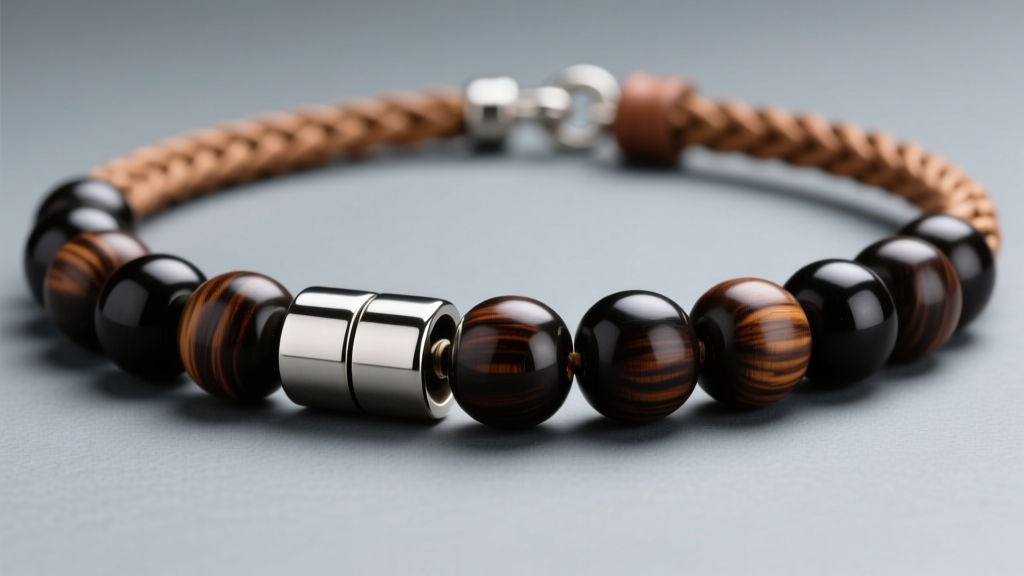
The Intersection of Athletic Heritage and Material Science
The evolution of sports-inspired jewelry has transformed the baseball beads necklace from a simple stadium souvenir into a sophisticated staple of modern athleisure and men's fashion. In 2026, discerning collectors and bespoke jewelers no longer accept mass-produced, fragile novelties. Instead, they demand pieces that can withstand the rigors of an active lifestyle while maintaining structural integrity and aesthetic appeal. Crafting a premium baseball beads necklace requires a deep understanding of material science, specifically the interplay between organic woods, tensile leather cords, and corrosion-resistant metal alloys. This technical deep dive deconstructs the exact specifications required to engineer a piece of athletic jewelry that survives the sweat test without compromising on style.
Wood Bead Density and the Janka Hardness Scale
The foundational element of any high-end baseball beads necklace is the wooden bead. While mass-market versions use lightweight, porous woods that quickly degrade when exposed to skin oils and perspiration, premium iterations rely on dense, tight-grained hardwoods. The durability of these beads is measured using the Janka hardness test, which determines the resistance of wood to denting and wear.
Maple: The Authentic Baseball Connection
Hard maple (Acer saccharum) is the traditional wood used in professional baseball bats, boasting a Janka hardness rating of 1,450 lbf. When turned into 8mm or 10mm spherical beads, maple offers a medium weight and a subtle, light-colored grain that takes to laser engraving exceptionally well. However, maple is highly susceptible to moisture absorption. To prevent the beads from swelling and cracking along the drill holes, premium manufacturers utilize a multi-stage vacuum sealing process, impregnating the wood's cellular structure with natural carnauba wax rather than synthetic polyurethanes, which can peel over time.
Ebony and Sandalwood: Aromatic and High-Density Alternatives
For a more luxurious feel, African Ebony (Janka hardness of 3,220 lbf) provides a near-indestructible, jet-black bead that naturally sinks in water due to its extreme density (approximately 1.1 g/cm³). Conversely, sandalwood is prized not for its hardness, but for its aromatic sesquiterpenes. When sourcing these organic materials for a baseball beads necklace, ethical provenance is critical. Reputable jewelers ensure their wood components are certified by the Forest Stewardship Council (FSC) to guarantee sustainable harvesting practices and prevent the depletion of old-growth forests.
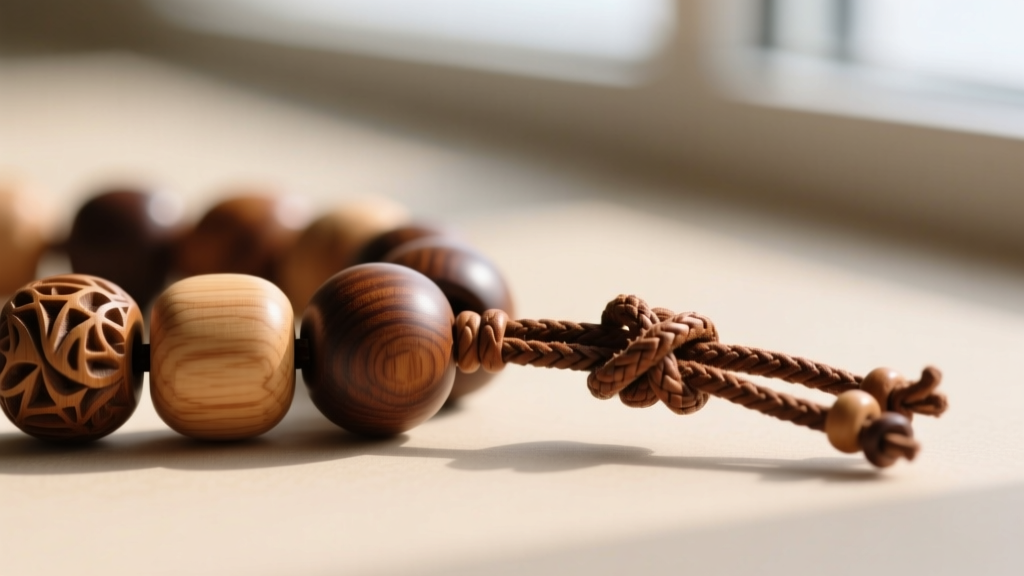
The Structural Spine: Leather Cord Grading and Tensile Strength
The cord is the load-bearing spine of the necklace. A broken cord means lost beads and a ruined garment. For a robust baseball beads necklace, the industry standard is a round, 2.5mm to 3.0mm leather cord. The tanning process of this leather dictates its lifespan when worn directly against the skin during physical exertion.
Chrome-Tanned vs. Vegetable-Tanned Leather
Vegetable-tanned leather, while beautiful and capable of developing a rich patina, is highly reactive to the lactic acid and urea present in human sweat (which typically ranges from a pH of 4.5 to 7.0). Prolonged exposure will cause veg-tanned cords to become brittle and eventually snap under the 5-10 lbs of tensile stress generated by the weight of heavy wood and metal beads. Chrome-tanned leather, however, utilizes chromium salts that stabilize the collagen fibers, rendering the cord highly resistant to moisture, salt, and acidic degradation. According to environmental and quality standards set by the Leather Working Group, modern chrome-tanning facilities can achieve this durability while strictly managing chemical runoff, making it the superior, responsible choice for active-wear jewelry.
Metal Accents: Surviving the Chloride Threat
Many baseball beads necklaces incorporate metallic focal beads, barrel clasps, or engraved pendants resembling home plates or bats. The most common failure point in sports jewelry is metal oxidation and pitting caused by chloride ions in human sweat.
"Zinc alloys like Zamak might look brilliant on the shelf, but the moment they are exposed to the saline environment of a post-workout chest, the electroplating fails, leading to rapid subsurface corrosion and skin discoloration."
To prevent this, expert jewelers exclusively use 316L surgical stainless steel for all metal hardware in a baseball beads necklace. The "L" stands for low carbon, but the critical element is the addition of 2-3% molybdenum. As detailed by the British Stainless Steel Association, molybdenum drastically increases the alloy's resistance to pitting corrosion from chlorides. When paired with a PVD (Physical Vapor Deposition) black or rose-gold coating, 316L steel provides a permanent, scratch-resistant finish that will not flake off during athletic movement.
Material Comparison Matrix for Active Jewelry
| Material Component | Specific Grade / Type | Sweat Resistance | Weight Profile | Expected Lifespan (Active Wear) |
|---|---|---|---|---|
| Wood Beads | Hard Maple (Wax-Sealed) | Moderate | Medium (1.4 g/cm³) | 2-4 Years |
| Wood Beads | African Ebony (Polished) | High | Heavy (1.1 g/cm³) | 10+ Years |
| Cordage | Chrome-Tanned Leather (3mm) | Very High | N/A | 5+ Years |
| Metal Hardware | 316L Stainless Steel | Extreme | Heavy | Lifetime |
| Metal Hardware | Zamak (Zinc Alloy) | Very Low | Medium | < 6 Months |

Ergonomics and Sizing for the Athletic Physique
The drop length of a baseball beads necklace dictates both its visual proportion and its physical behavior during movement. A standard fashion necklace might sit at 18 inches, but for athletic wear, this length risks choking the wearer during dynamic movements or getting caught on equipment.
- The 24-Inch Sternum Drop: This is the optimal length for a bead-heavy necklace. It rests precisely at the lower sternum, allowing the beads to lay flat against the pectoral muscles without swinging wildly during running or weightlifting.
- The 28-Inch Mid-Chest Drop: Preferred for layering over t-shirts or hoodies, this length keeps the heavier focal beads clear of the collarbone, reducing friction and skin irritation during prolonged wear.
The Mechanics of the Sliding Square Knot
Metal lobster clasps are prone to snapping under sudden tensile shock (e.g., if the necklace is snagged on a gym machine). Furthermore, they introduce a rigid point of failure. The superior closure mechanism for a baseball beads necklace is the macrame sliding square knot. By utilizing a 1.5mm waxed nylon cord to tie the square knot over the main 3mm leather cord, jewelers create an adjustable friction closure. The waxed nylon bites into the leather's natural grain, holding the necklace securely in place, yet allowing the wearer to pull the ends to loosen it over the head without subjecting the main cord to dangerous stress loads.
Maintenance Protocols for Organic and Metallic Elements
Proper maintenance of a mixed-material baseball beads necklace requires a bifurcated approach. The 316L steel components can be wiped down with an isopropyl alcohol solution to remove sebum and salt buildup. However, applying alcohol or harsh chemical cleaners to the wooden beads will strip their natural oils and wax sealants, leading to micro-fissures.
Instead, the wooden beads should be dry-brushed with a soft horsehair brush to remove dust and dead skin cells. Once every six months, a micro-drop of food-grade mineral oil or jojoba oil should be applied to a microfiber cloth and gently buffed into the wood. This replenishes the lipids lost to environmental exposure and maintains the bead's hydrophobic barrier. By respecting the specific material tolerances and engineering principles outlined above, collectors can ensure their athletic jewelry remains a durable, stylish extension of their active lifestyle for years to come.


