The Beginner's Guide to Choosing a Mens Gemstone Necklace
Discover how to choose, style, and care for a mens gemstone necklace. Learn about stone hardness, chain pairings, and neckline matching.

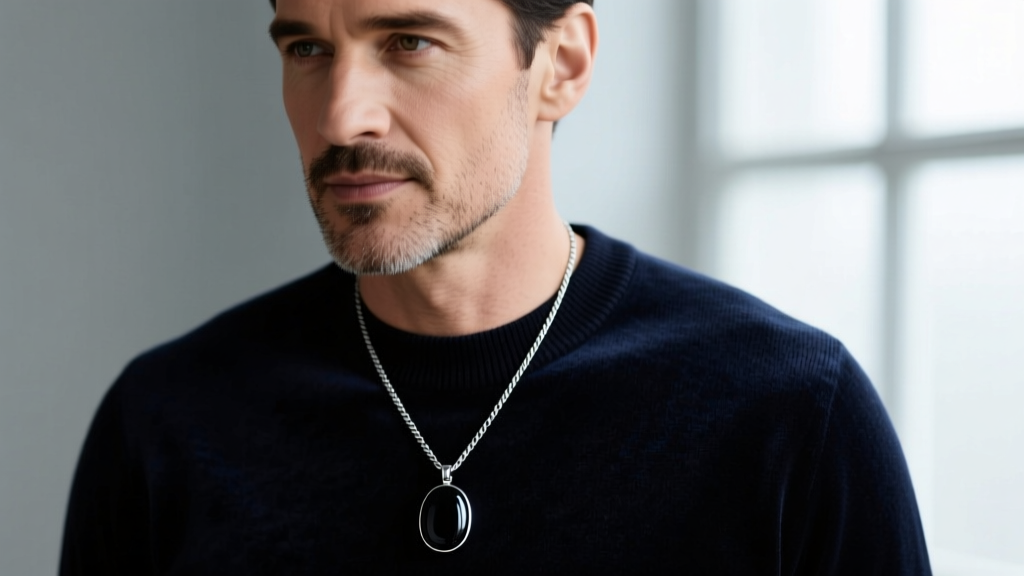
The Evolution of the Mens Gemstone Necklace
The landscape of men's jewelry has shifted dramatically over the last decade. Moving past the era of purely utilitarian metals and heavy chains, the modern mens gemstone necklace offers a sophisticated way to introduce color, texture, and personal meaning into a wardrobe. Whether you are drawn to the deep, abyssal black of onyx, the vibrant celestial blue of lapis lazuli, or the earthy, grounding tones of tiger's eye, gemstones provide a focal point that elevates even the most basic outfit. However, transitioning from plain metal chains to gemstone pendants requires an understanding of mineralogy, metallurgy, and styling proportions. This guide will break down the exact specifications you need to know to make an informed purchase and ensure your piece lasts a lifetime.
Understanding Gemstone Hardness and Daily Wear
Not all stones are created equal, and treating a delicate stone like a durable one is the most common beginner mistake. The durability of a gemstone is measured on the Mohs scale of mineral hardness, which ranks minerals from 1 (talc) to 10 (diamond). For a necklace that you plan to wear daily, you must consider both the stone's hardness and its cleavage (how it breaks when struck).
| Gemstone | Mohs Hardness | Porosity & Sensitivities | Best Use Case |
|---|---|---|---|
| Black Onyx | 6.5 - 7 | Low porosity; generally safe from sweat and mild chemicals. | Daily wear, active lifestyles, gym-safe (if bezel set). |
| Tiger's Eye | 7 | Low porosity; durable against scratches but can fracture on hard impacts. | Daily wear, office environments, casual outings. |
| Lapis Lazuli | 5 - 6 | High sensitivity; contains calcite which reacts to acids and sweat. | Occasional wear, evening events, over clothing. |
| Turquoise | 5 - 6 | Highly porous; absorbs oils, lotions, and colognes, altering color. | Statement pieces, dry climates, worn over fabrics. |
According to the Gemological Institute of America (GIA), stones below a 7 on the Mohs scale are susceptible to scratching from everyday dust, which contains quartz particles (Mohs 7). If you choose Lapis or Turquoise, you are committing to a high-maintenance stone that requires specific care protocols to prevent permanent degradation of the polish.
Metallurgy and the "Bail Friction" Failure Mode
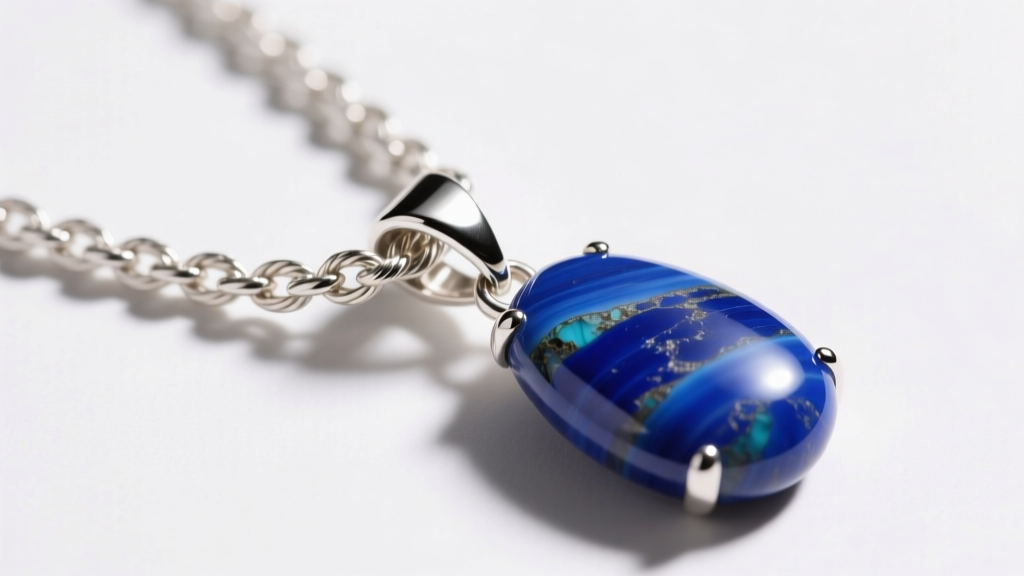
The bail is the small metal loop that connects the gemstone pendant to the chain. This tiny component is the most frequent point of mechanical failure in men's necklaces. A common and costly mistake is pairing a soft chain with a hard bail.
The Danger of Mismatched Metals
If you thread a 925 sterling silver chain (Mohs 2.5-3) through a stainless steel or tungsten carbide bail (Mohs 7-8), the bail acts as a microscopic saw. With every movement, the friction will slowly file away the silver. Within six to eight months of daily wear, the chain will snap at the bail loop, potentially resulting in the loss of the pendant.
- The Fix: Always match the bail metal to the chain metal, or ensure the bail is softer than the chain.
- Alternative: Look for pendants with a "hidden bail" or a reinforced soldered jump ring that minimizes direct friction on the chain links.
- Chain Thickness: For men's pendants weighing between 15 and 30 grams, a chain thickness of 2.5mm to 4mm is the structural sweet spot. Anything thinner risks snapping; anything thicker overpowers the stone.
Neckline Matching and Drop Lengths
A gemstone pendant must sit at the correct anatomical landmark to complement your clothing. The standard lengths for men's necklaces are 18, 20, 22, and 24 inches. Here is how to map the drop length to your wardrobe:
"The goal of a pendant is to draw the eye vertically, elongating the torso. If the stone disappears into the collar or floats awkwardly over the stomach, the visual anchor is lost."
The 20-Inch Sweet Spot
For 90% of men, a 20-inch chain is the ideal starting point. This length places the pendant right at the sternum or the lower edge of the collarbone.
- Crew Necks & T-Shirts: A 20-inch chain with a medium-sized pendant (approx. 1.5 inches long) rests perfectly just below the collar seam, creating a clean visual break.
- V-Necks & Henleys: The pendant should sit roughly one inch above the bottom point of the V-neck opening to maintain a cohesive geometric line.
- Button-Down Collars: Worn unbuttoned, a 22-inch chain allows the pendant to rest against the bare chest or undershirt without getting tangled in the collar points.
Real-World Care: Avoiding Chemical Degradation
Men often treat jewelry with the same rugged indifference as a steel watch, but gemstones require geological empathy. The most devastating failure mode for porous stones like turquoise and lapis lazuli is chemical exposure from grooming products.
The "Shower Test" and Grooming Hazards
Never wear a porous gemstone necklace in the shower. Furthermore, the alcohol and essential oils found in modern colognes and aftershaves will seep into the microscopic pores of untreated turquoise, causing it to turn a dull, muddy green over time. According to mineralogical data from Mindat.org, the structural integrity of hydrated copper phosphates (like turquoise) is easily compromised by acidic environments.
Actionable Cleaning Protocol:
- Never use ultrasonic cleaners or steamers on lapis, turquoise, or malachite. The high-frequency vibrations will shatter the stone or strip its natural waxes.
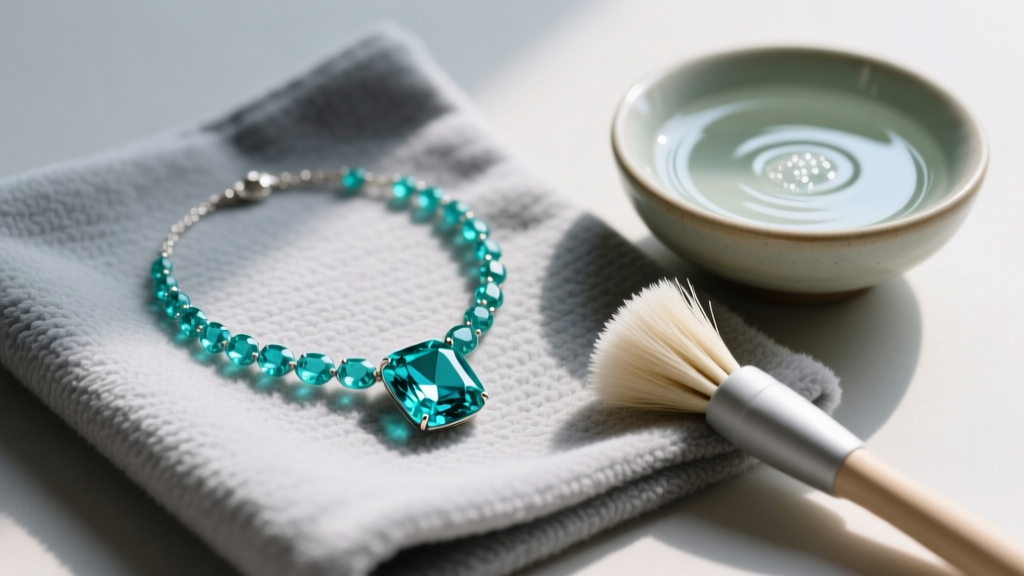
- Use a damp, lint-free microfiber cloth to wipe away skin oils immediately after wearing.
- For deeper cleaning, use a drop of pH-neutral dish soap in lukewarm water, gently brushing with a baby-soft toothbrush, and dry immediately. Do not let the stone soak.
Budgeting and Market Pricing in 2026
Understanding the pricing tiers of the mens gemstone necklace market will protect you from synthetic imitations and overpriced fashion jewelry.
Entry Tier ($50 - $150)
In this range, expect genuine but commercially graded stones (like basic black onyx or dyed agate) set in 316L surgical stainless steel or brass with silver plating. These are excellent for testing out a new style without a massive financial commitment. Ensure the plating is PVD (Physical Vapor Deposition) coated to prevent the brass from turning your skin green.
Mid Tier ($150 - $500)
This is where serious craftsmanship begins. You will find high-grade, untreated stones set in solid 925 sterling silver or 10k/14k gold vermeil. Brands in this space often use custom-cut bezels that securely wrap the stone in metal, protecting the fragile edges (girdle) from chipping against zippers and desk edges.
High Tier ($500+)
Luxury and artisan tiers feature rare mineral specimens, custom lapidary work, and solid 14k or 18k gold hardware. At this level, you are paying for the provenance of the stone, the precision of the gem cutter, and heirloom-quality chain construction, such as hand-soldered Italian rope chains.
Final Thoughts for the Beginner
Choosing your first gemstone pendant is an exercise in balancing aesthetics with material science. Start with a durable stone like black onyx or tiger's eye on a 20-inch, 3mm sterling silver or stainless steel chain. Master the daily habits of putting your jewelry on *after* applying cologne, and wiping it down before bed. Once you understand how the stone interacts with your lifestyle, you can confidently expand your collection into the more delicate, high-maintenance territories of lapis lazuli and turquoise. For further reading on men's accessory proportions and styling frameworks, resources like GQ Style offer excellent visual guides to layering and neckline matching.


