The Beginner's Guide to Choosing an Angel Pendant Necklace
Discover how to choose, style, and care for an angel pendant necklace. Learn about metals, chain lengths, and neckline pairings in our beginner guide.

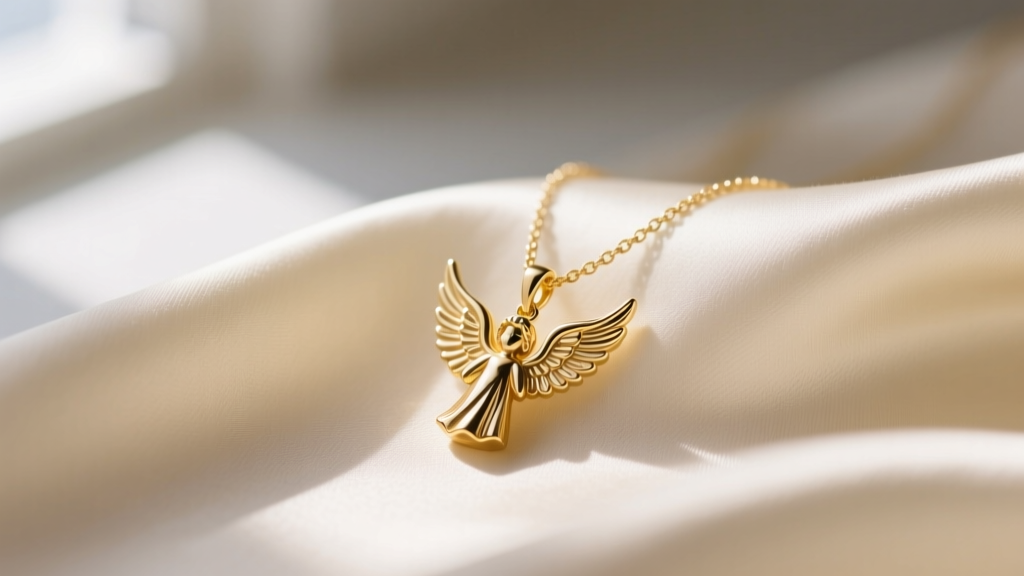
The Symbolism and Appeal of Angel Pendants
An angel pendant necklace is more than just a beautiful accessory; it is a deeply personal talisman. Whether chosen to commemorate a loved one, symbolize spiritual protection, or simply add a touch of ethereal elegance to your everyday wardrobe, angel motifs have remained a steadfast favorite in fine jewelry for centuries. For beginners navigating the vast world of necklaces, the sheer variety of metals, chain styles, and lengths can be overwhelming. This comprehensive guide breaks down the exact specifications you need to know to make an informed, high-quality purchase that will last a lifetime.
When shopping for your first angel pendant necklace, the most critical decision lies in understanding the metallurgy of the piece. The difference between a pendant that tarnishes in a month and one that becomes a family heirloom comes down to material grades, alloy compositions, and manufacturing techniques. Let us dive deep into the anatomy of a high-quality angel necklace.
Decoding Angel Pendant Materials
The base metal of your pendant dictates its longevity, skin compatibility, and overall value. While fashion jewelry often uses brass or zinc alloys coated in a microscopic flash of precious metal, fine jewelry relies on solid alloys. Here is what you need to look for when reading product descriptions:
- 925 Sterling Silver: Composed of 92.5% pure silver and 7.5% copper or zinc for structural integrity. It is hypoallergenic and highly durable, though it requires occasional polishing to remove tarnish caused by environmental sulfur.
- Gold Vermeil (Pronounced ver-may): Not to be confused with standard gold plating. According to the Federal Trade Commission (FTC), true gold vermeil must feature a solid 925 sterling silver base coated with a minimum of 2.5 microns of 10k, 14k, or 18k gold. This thickness ensures the gold layer will not easily rub off with daily wear.
- Solid 14k Gold: Containing 58.3% pure gold, 14k gold is the industry standard for everyday fine jewelry. The Gemological Institute of America (GIA) notes that the remaining 41.7% alloy metals (like copper and silver) provide the necessary hardness to prevent the delicate wings of an angel pendant from bending or scratching easily.
| Material Grade | Durability | Tarnish Resistance | Average Price Range |
|---|---|---|---|
| 925 Sterling Silver | High | Low (Requires polishing) | $40 - $120 |
| Gold Vermeil | Medium-High | Medium | $80 - $250 |
| Solid 14k Gold | Very High | Very High | $250 - $600+ |
| Solid 18k Gold | Medium (Softer alloy) | Very High | $450 - $1,000+ |
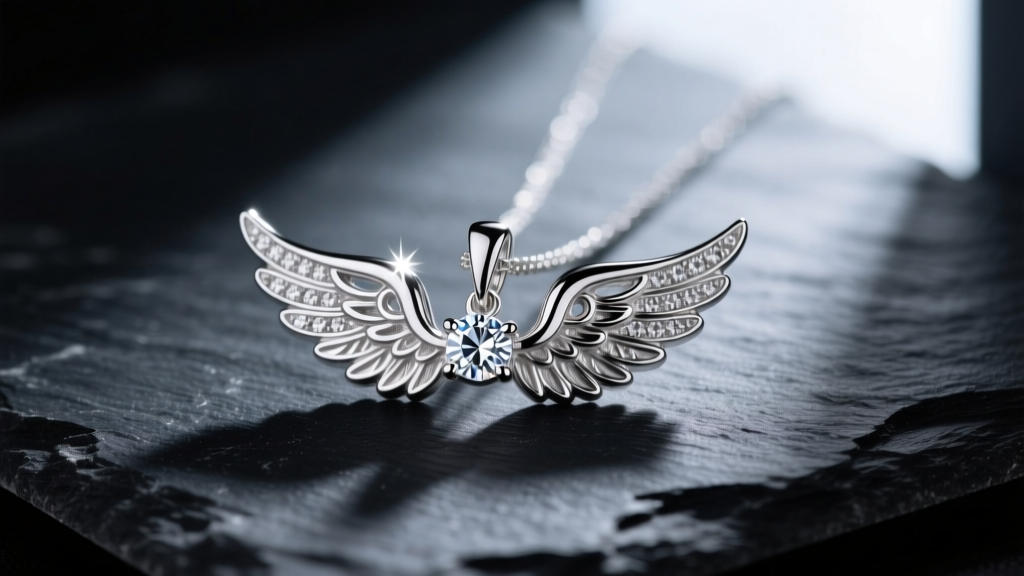
Selecting the Right Chain and Clasp
The pendant is only half the equation; the chain you pair it with must be structurally sound enough to support the weight of the angel motif without snapping. For lightweight angel pendants (typically weighing between 1.5 and 3 grams), a chain gauge between 0.9mm and 1.2mm is ideal. Anything thinner than 0.8mm is prone to kinking and breaking under tension.
Chain Styles That Complement Angel Motifs
The visual texture of the chain should enhance, not compete with, the intricate details of the angel's wings or face.
- Cable Chain: The most classic and versatile option. Its uniform oval links provide a delicate, traditional backdrop that suits vintage-inspired or highly detailed angel pendants.
- Box Chain: Composed of square links that create a smooth, continuous, and highly reflective surface. Box chains are incredibly strong for their thickness and offer a modern, sleek contrast to ornate pendants.
- Rope Chain: Features twisted links that mimic the look of a twisted rope. This style catches the light beautifully but can sometimes snag on fine fabrics or hair if the gauge is too small.
The Importance of the Clasp
Do not overlook the clasp. A standard spring ring clasp is common on budget-friendly chains but can be difficult to operate with one hand and is prone to internal spring failure over time. Always look for a lobster claw clasp. Lobster clasps feature a solid, spring-loaded lever that locks securely into the jump ring, offering vastly superior security for your precious pendant.
Length and Neckline Pairing Guide
Where the angel pendant rests on your chest dramatically alters its visual impact and how it interacts with your clothing. The standard lengths for women's necklaces are categorized into specific tiers, each serving a distinct styling purpose.
Pro Styling Tip: When layering an angel pendant necklace with other chains, ensure there is at least a two-inch difference in length between each necklace to prevent the clasps and pendants from tangling throughout the day.
The 16-Inch Choker / Collar Length
A 16-inch chain sits snugly at the base of the throat. This length is best suited for small, minimalist angel charms (under 10mm). It pairs beautifully with off-the-shoulder tops, boat necks, and deep V-necks, drawing the eye directly to the collarbone. However, avoid this length with high crew necks, as the pendant will clash with the fabric seam.
The 18-Inch Princess Length
This is the most universally flattering and popular length. An 18-inch chain allows the angel pendant to rest perfectly on the upper chest, just below the collarbone. It is the ideal choice for everyday wear, sitting elegantly over a crisp button-down shirt, a simple crew neck t-shirt, or a sweetheart neckline dress. If you are buying your very first angel pendant necklace and are unsure of the recipient's preference, 18 inches is the safest and most versatile bet.
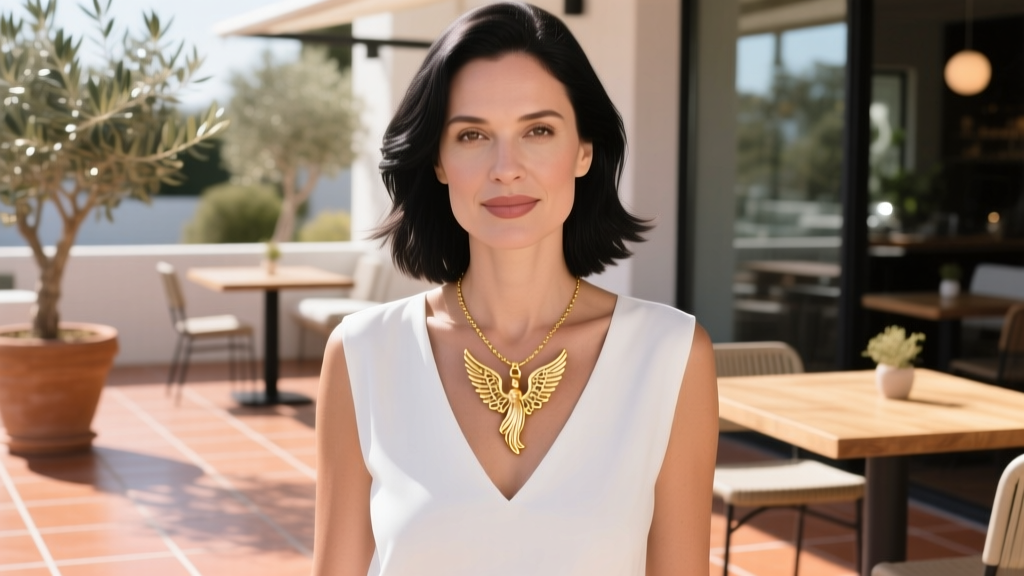
The 20 to 24-Inch Matinee Length
Matinee lengths allow the pendant to rest on or just above the bust line. This length is exceptional for layering over thicker garments like turtlenecks, chunky knit sweaters, or blazers. A larger, more substantial angel pendant (15mm to 25mm) works best here, as a tiny charm would get visually lost against the broader canvas of the lower chest and heavier fabrics.
Everyday Care and Maintenance
Even the highest quality solid gold or sterling silver angel pendant necklace requires proper maintenance to retain its luster. The oils from your skin, combined with lotions, perfumes, and environmental pollutants, can create a dull film over the metal and any embedded gemstones.
The Golden Rule of Jewelry Wear
Always practice the 'Last On, First Off' rule. Your angel necklace should be the very last thing you put on after applying makeup, hairspray, and perfume, and the first thing you take off when you return home. The alcohols and chemicals in cosmetics can degrade gold vermeil coatings and accelerate the tarnishing of sterling silver.
Proper Cleaning Techniques
For routine cleaning, avoid harsh chemical dips or ultrasonic cleaners, especially if your angel pendant features delicate enamel work, pearls, or soft gemstones like opals or turquoise. Instead, use a few drops of mild, phosphate-free dish soap mixed with warm water. Gently scrub the pendant and chain with a soft-bristled baby toothbrush, paying special attention to the crevices of the angel's wings where dirt accumulates. Rinse thoroughly under lukewarm water and pat completely dry with a microfiber cloth before storing.
Storage Solutions
Never toss your necklace into a communal jewelry box where it can become tangled or scratched by harder gemstones like diamonds or sapphires. Store your angel pendant necklace in a dedicated, airtight polyethylene ziplock bag. For sterling silver pieces, slip an anti-tarnish silica strip or a piece of treated anti-tarnish cloth into the bag to absorb ambient sulfur and moisture, ensuring your pendant remains bright and ready to wear.
Engraving and Personalization
Because angel pendants often carry deep emotional weight—serving as memorial pieces, baptism gifts, or guardians for travelers—personalization is a highly sought-after feature. If you are purchasing a flat-backed angel halo or a disc pendant featuring an angel motif, look for jewelers who offer laser engraving. Laser engraving is vastly superior to traditional hand engraving for small pendants, as it allows for precise, microscopic detailing. You can easily fit a significant date, a set of initials, or a short coordinate on the back of a 15mm pendant using a clean, modern sans-serif font. This transforms a beautiful piece of jewelry into an irreplaceable, one-of-a-kind heirloom.


