Baseball Drip Necklaces: 2026 Trend Analysis & Styling Guide
Explore the 2026 evolution of baseball drip necklaces. Discover chain profiles, material matrices, and expert styling tips for sports-inspired jewelry.

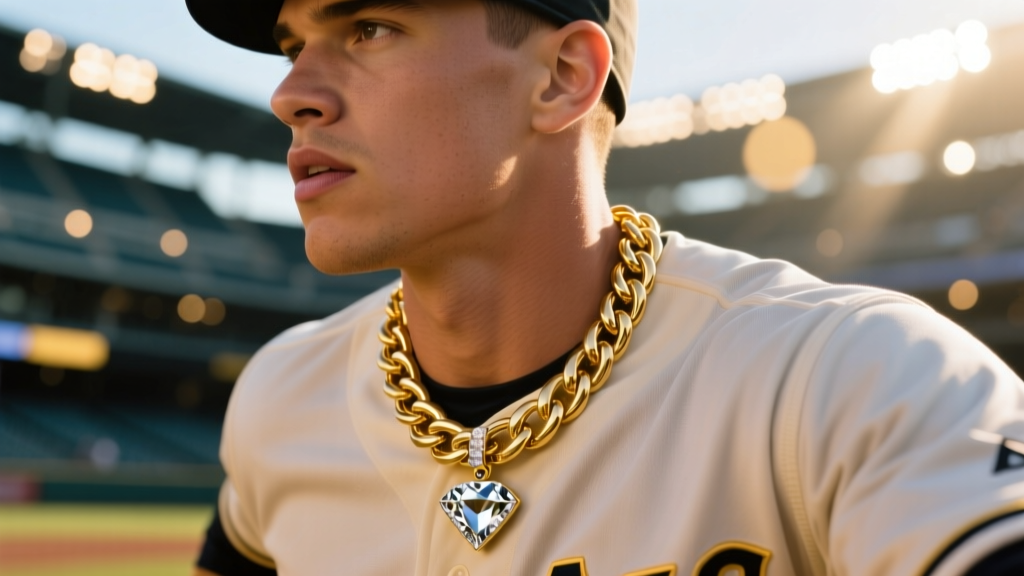
The intersection of sports culture and high-end jewelry has never been more prominent than it is today. What started as a few athletes wearing simple gold chains in the clubhouse has exploded into a global sartorial phenomenon. In 2026, baseball drip necklaces are no longer just for professional athletes; they are a cornerstone of modern streetwear and sports-luxury fashion. From the diamond-encrusted team logos of MLB superstars to the pearl-hybrid chains dominating the dugouts, the aesthetic has trickled down to everyday style enthusiasts who want to capture that high-stakes, championship energy.
However, achieving the authentic 'drip' look requires more than just buying the thickest chain you can find. It demands an understanding of metal grades, stone durability, chain architecture, and proportional styling. In this comprehensive trend analysis, we break down the anatomy of baseball drip necklaces, providing actionable insights on materials, pricing, and maintenance so you can build a rotation that looks like a million bucks without necessarily spending it.
The Evolution of Baseball Drip: From Clubhouse to Mainstream
Historically, baseball jewelry was relatively understated compared to the NBA or NFL. But the mid-2020s shifted the paradigm entirely. Players like Elly De La Cruz, Bryce Harper, and Aaron Judge transformed the dugout into a runway. According to trend analyses by Hypebeast, the sports-jewelry pipeline has fundamentally altered men's fashion, normalizing statement pieces that were once reserved for red carpets or music videos.
In 2026, the trend has matured. We are moving away from the overly chaotic, multi-pound chains of the early 2020s toward curated maximalism. This means highly engineered, structurally sound pieces that feature intricate micro-pave work, custom 3D pendants, and innovative material mixing—most notably, the integration of freshwater pearls with heavy metals.
Anatomy of the Perfect Baseball Drip Necklace
To replicate the elite athlete aesthetic, you must understand the structural components that make a chain look expensive and drape correctly on the chest.
Chain Profiles: The Foundation of Drip
- The Cuban Link (10mm - 14mm): The undisputed king of baseball drip. A 12mm or 14mm solid or hollow-core Cuban link provides the necessary visual weight. For 2026, the trend leans toward 'rounded' Cubans rather than flat-faced ones, offering a more comfortable drape and better light refraction.
- The Rope Chain (4mm - 8mm): Often used as a secondary layering piece or a base for heavy custom pendants. The twisted design catches light from multiple angles, mimicking the sparkle of diamonds even when worn in plain metal.
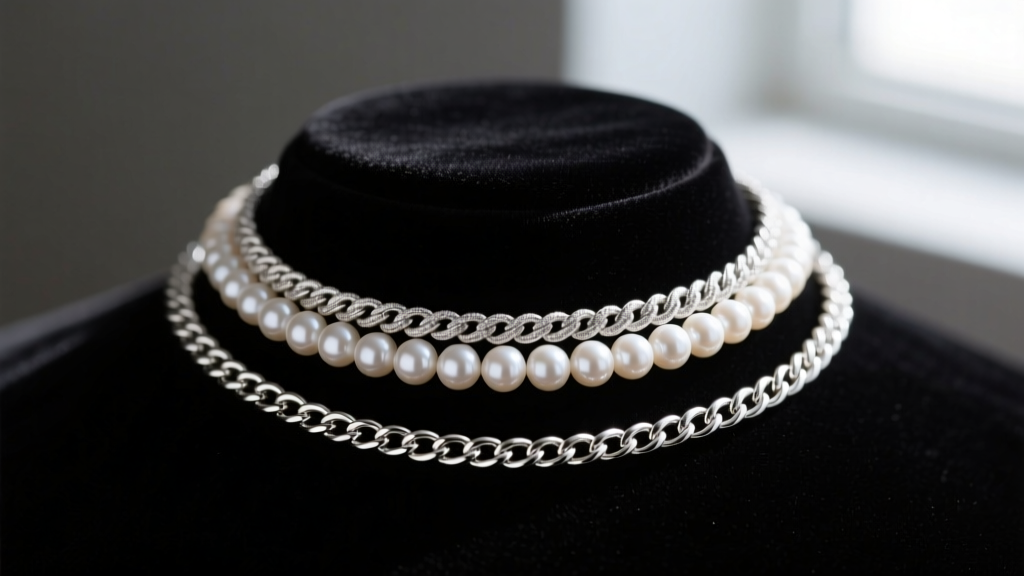
- The Pearl Hybrid: Popularized by Joc Pederson, the single-strand pearl necklace has evolved. The 2026 iteration features 6mm-8mm freshwater pearls interspersed with rhodium-plated silver beads or anchored by a massive, diamond-encrusted custom clasp.
The Clasp Game: Bust-Downs and Custom Hardware
A standard lobster clasp is a dead giveaway of a budget chain. True baseball drip utilizes 'bust-down' clasps—box clasps entirely paved with stones, often featuring a secondary safety latch. In high-end custom pieces, the clasp itself is a miniature pendant, sometimes shaped like a team logo, a baseball, or a monogram, adding an extra 10-15% to the total carat weight of the piece.
Material & Stone Matrix: Achieving the Look at Every Budget
The biggest mistake consumers make when chasing the baseball drip aesthetic is prioritizing size over material integrity. Sweating in cheap brass or copper-alloy chains will result in rapid tarnishing and skin discoloration. Below is a strategic breakdown of materials based on the Jewelers of America standards and current market pricing.
| Material / Stone | Base Metal | Pros & Cons | Est. Price Range (18'') |
|---|---|---|---|
| Cubic Zirconia (CZ) | Brass / Silver | Affordable, high initial sparkle. Cons: Gets cloudy from sweat, fails diamond testers, looks cheap over time. | $80 - $250 |
| VVS Moissanite | 925 Sterling Silver | Passes diamond testers, brilliant fire, highly durable. Cons: Can show slight rainbow dispersion under UV. | $400 - $1,200 |
| Lab-Grown Diamond | 10k / 14k Gold | Identical to natural diamonds, ethical, retains value. Cons: High entry price for thick chains. | $3,500 - $12,000+ |
| Plain Gold Vermeil | 925 Silver (Gold Plated) | Classic look, great for layering. Cons: Plating wears off with heavy friction/sweat, requires re-dipping. | $150 - $400 |
Expert Insight: For the authentic 'drip' experience without the $50,000 price tag, VVS Moissanite set in 925 Sterling Silver with rhodium plating is the 2026 gold standard. As noted by the Gemological Institute of America (GIA), moissanite possesses a higher refractive index than diamond, giving it an exceptional 'fire' that reads incredibly well on camera and in stadium lighting. Furthermore, the rhodium plating on the silver base prevents the tarnish that typically plagues athletes' jewelry.
Pendant Play: Logos, Bats, and Custom Nameplates
If a standalone Cuban link is the foundation, the pendant is the personality. Baseball drip relies heavily on personalized, oversized pendants that tell a story.
The 3D Element
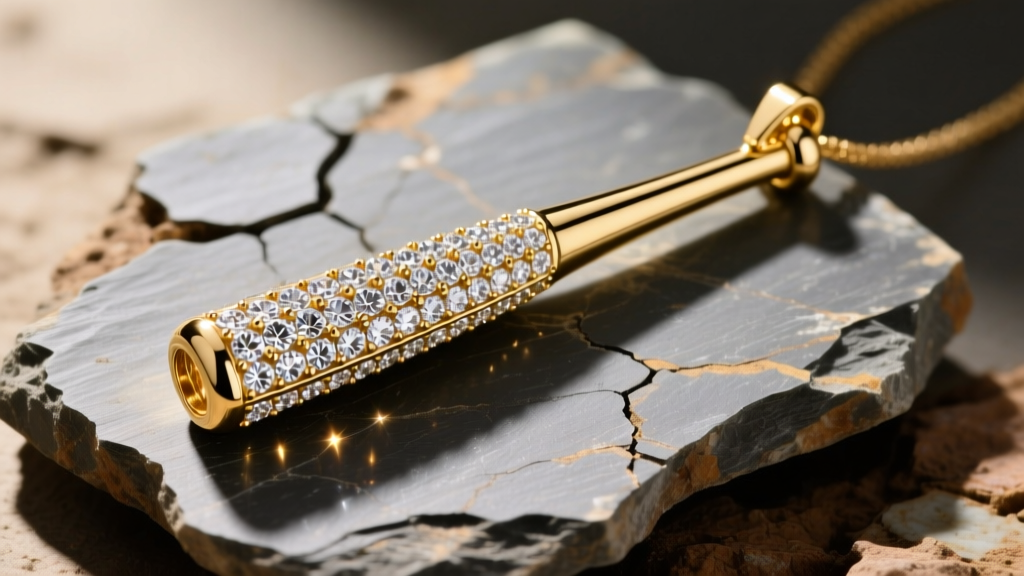
Flat, 2D pendants are out. The current meta involves fully 3D, multi-piece pendants. Think of a baseball bat where the barrel is detachable, or a team logo where the mascot is layered over the lettering with different colored gemstones (e.g., using blue sapphires or black spinels to represent team colors). These pieces are typically 2.5 to 3.5 inches in height and require a chain with a minimum 5mm width to support the weight without warping the links.
The 'Bust-Down' Nameplate
Custom nameplates featuring the wearer's nickname or jersey number, paved edge-to-edge with stones, remain a staple. The key to a premium nameplate is the backing; high-quality pieces use a solid honeycomb backing rather than a hollowed-out reverse, which prevents the pendant from flipping upside down during movement.
How to Style Baseball Drip Necklaces Off the Diamond
Wearing heavy sports jewelry in everyday settings requires a strategic approach to balance. You want to look like a high-end streetwear aficionado, not like you are about to step into the batter's box.
The Rule of Proportions
'The heavier the chain, the simpler the garment. A 14mm fully iced Cuban link demands a blank canvas—a heavyweight, solid-color cotton tee or a minimalist hoodie. Let the jewelry do the talking.'
Layering Frameworks for 2026
- The Athlete's Hybrid: A 20-inch, 6mm freshwater pearl strand layered with a 22-inch, 4mm rhodium-plated silver rope chain featuring a small diamond home-plate pendant. This bridges the gap between preppy and streetwear.
- The Heavy Stack: A 20-inch, 10mm plain gold Cuban link paired with a 24-inch, 12mm iced moissanite Cuban link. The contrast between the plain metal and the fully stoned chain creates visual depth without overwhelming the eye.
Neckline Considerations
Baseball drip necklaces sit best on crew necks or open button-downs. Avoid V-necks, as the angular cut of the shirt competes with the circular drape of the chain, creating a visually cluttered chest. For hoodies, wear the chain outside the garment; hiding a 12mm chain inside a hoodie defeats the purpose of the drip and can cause the heavy clasp to damage the interior fabric.
Maintenance & Care for High-Impact Chains
Athletes subject their jewelry to sweat, humidity, and constant friction. To keep your baseball drip necklaces looking pristine, you must adopt a rigorous maintenance routine.
- The Post-Wear Wipe: Always wipe your chains down with a microfiber cloth after wearing them, especially if you have been sweating. The salts and acids in human perspiration will rapidly degrade gold vermeil and dull the surface of moissanite and CZ stones.
- Ultrasonic Cleaning (With Caveats): While ultrasonic cleaners are great for plain metal chains, use them with extreme caution on paved jewelry. The high-frequency vibrations can loosen the prongs holding micro-pave stones. Instead, use a soft-bristled baby toothbrush with warm water and a few drops of mild, phosphate-free dish soap.
- Storage Architecture: Never throw multiple iced chains into a single drawer. The diamonds (or moissanite) on one chain will scratch the metal links of another. Store each piece in an individual, soft-lined jewelry box or a dedicated velvet pouch.
Final Innings: Investing in Your Drip
The baseball drip necklace trend is not a fleeting fad; it is a permanent evolution in how men approach luxury, sports, and self-expression. By prioritizing high-grade base metals like 925 sterling silver, opting for durable stones like VVS moissanite, and paying attention to the architectural details of clasps and pendants, you can build a jewelry collection that commands respect both in the stands and on the streets. Remember, true drip is not just about the price tag—it is about the curation, the quality, and the confidence with which you wear it.


