Baseball Necklaces 2026: The Stadium-to-Street Luxury Trend
Discover how baseball necklaces evolved into 2026's top sports-luxe trend. Explore materials, chain pairings, and styling tips for stadium-to-street wear.

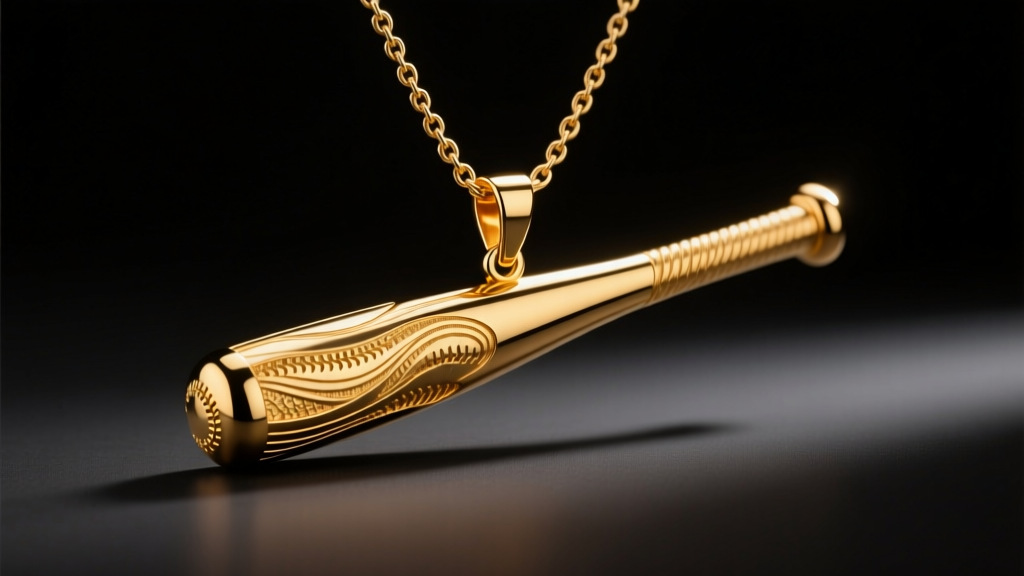
The intersection of athletic heritage and high jewelry has never been more pronounced than in 2026. Once relegated to little-league souvenirs and cheap base-metal trinkets, baseball necklaces have undergone a radical transformation. Driven by the 'stadium-to-street' aesthetic and the mainstreaming of sports-luxe, today's baseball pendants are being crafted with the same metallurgical rigor and gemological precision as traditional fine jewelry. Whether you are a die-hard fan looking to rep your franchise or a streetwear enthusiast integrating athletic motifs into a curated layering stack, understanding the technical nuances of modern sports jewelry is essential.
The Evolution of the Baseball Pendant: From Souvenir to High Jewelry
The catalyst for this shift began when heritage luxury houses launched official MLB collaborations, proving that sports motifs could exist in the realm of fine jewelry. According to industry analyses from JCK Online, the demand for sports-themed fine jewelry has surged, driven by a younger demographic that views team allegiance as a core component of their personal style identity. In 2026, we are seeing a departure from flat, stamped metal charms. The current market favors three-dimensional casting, mixed-metal inlays (such as rose gold stitching on a yellow gold baseball glove), and precision-set lab-grown diamonds that mimic the sparkle of stadium lights.
Material Grades and Pricing Tiers in 2026
When shopping for baseball necklaces, the material composition dictates not only the price but the longevity of the piece, especially when exposed to the elements of an outdoor game or daily streetwear use. Below is a breakdown of the current market tiers.
| Tier | Primary Metal | Gemstones | Average Weight | 2026 Price Range |
|---|---|---|---|---|
| Entry-Level | 925 Sterling Silver (Rhodium Plated) | Cubic Zirconia or Enamel | 8g - 15g | $85 - $250 |
| Mid-Tier | 10k or 14k Solid Gold (Yellow/White) | Moissanite or Melee Lab Diamonds | 15g - 28g | $600 - $1,800 |
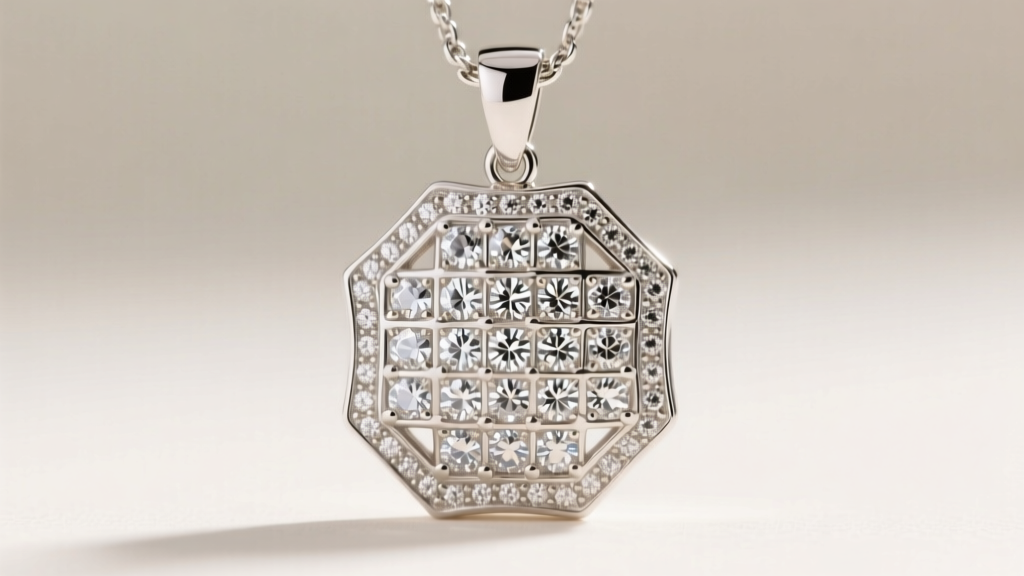
| High-End Luxury | 18k Solid Gold or Platinum | VVS1 Lab-Grown or Natural Diamonds | 30g - 55g+ | $2,500 - $8,000+ |
Note: 10k gold (41.7% pure gold) is highly durable and resistant to bending, making it ideal for heavy pendants, but it can oxidize when exposed to acidic sweat. 18k gold (75% pure) offers superior hypoallergenic properties and a richer color, but requires more careful maintenance.
Chain Selection: Matching the Link to the Motif
A common mistake in styling baseball necklaces is pairing a heavy, intricate pendant with an inadequate chain. The tensile strength and surface texture of the chain are critical.
The Franco Chain Advantage
For baseball bat slide pendants or heavy home plate motifs, the Franco chain is the undisputed champion. Unlike Cuban links, which have a flat, interlocking profile that can catch on the pendant's bail, a Franco chain features a smooth, continuous surface. This allows the pendant to slide freely without friction. For a standard 1.5-inch to 2-inch baseball pendant, a 4mm to 5mm Franco chain provides the perfect visual weight without overpowering the motif.
Clasp Mechanics: Lobster vs. Box
If your chain exceeds 5mm in width or supports a pendant heavier than 20 grams, abandon the standard lobster clasp. The leverage exerted by a heavy sports pendant can warp the lobster clasp's spring mechanism over time. Instead, opt for a box clasp with a figure-eight safety catch. This mechanism distributes the tensile load across a wider surface area and provides a redundant safety wire, ensuring your investment stays secure around your neck.
Slide Pendants vs. Fixed Bails: A Technical Breakdown
Baseball necklaces generally feature one of two attachment methods, each with distinct styling implications:
- The Slide Pendant: Features a horizontal or vertical tunnel (often lined with silicone or polished metal) that allows the chain to pass directly through the motif. This is highly popular for baseball bat and cross-bat designs. It keeps the pendant centered and allows for a more integrated, fluid look. Pro Tip: Always check the inner diameter of the slide. A 4mm slide will not accommodate a 5mm Cuban link.
- The Fixed Bail: A traditional loop soldered to the top of the pendant (common for baseballs, gloves, and home plates). Fixed bails offer more freedom of movement and allow the pendant to flip and catch the light, but they limit the maximum chain width you can use, usually capping out at 3mm.
Styling Framework: Integrating Sports Motifs into Everyday Wear
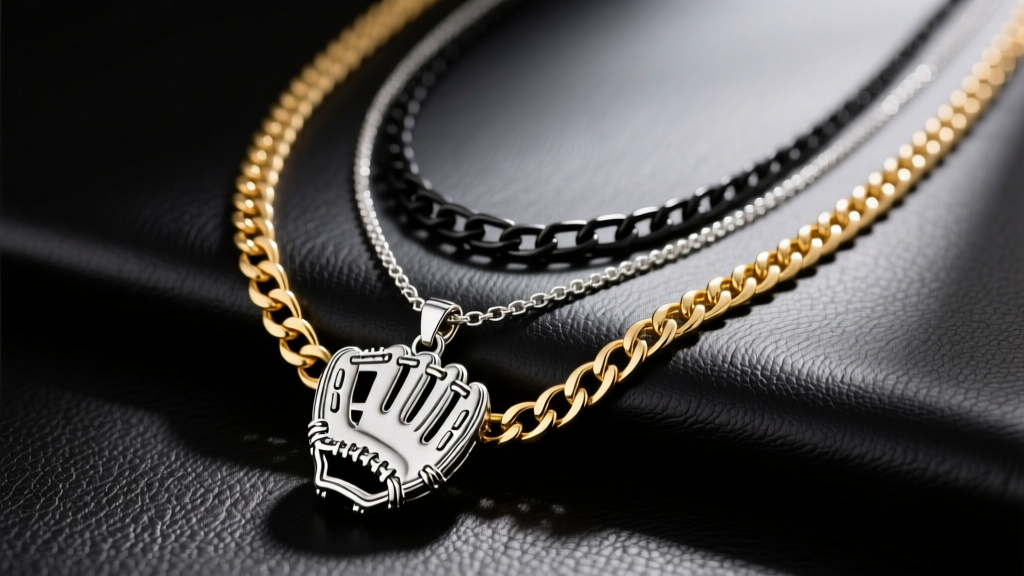
The key to pulling off baseball necklaces in 2026 without looking like you are in full uniform is contextual layering. The goal is to dilute the literalness of the sports motif by surrounding it with traditional jewelry staples.
The 2-Inch Drop Rule
When layering, never let two chains rest at the exact same length. Use the 2-inch drop rule to create visual cascading. For example:
- Base Layer (18 inches): A minimalist 2mm box chain or a simple pearl strand (a nod to the Joc Pederson trend that permanently altered sports jewelry).
- Focal Layer (20 inches): Your primary baseball necklace, such as a 14k gold baseball glove pendant with diamond accents.
- Anchor Layer (22 or 24 inches): A plain, unadorned 5mm Cuban link in a matching or intentionally contrasting metal (e.g., white gold against yellow gold).
Neckline Pairings
Baseball pendants are inherently casual. They pair best with heavyweight cotton crewnecks, vintage-wash graphic tees, and open-collar camp shirts. Avoid wearing them over formal button-downs or turtlenecks, as the juxtaposition often feels disjointed rather than intentional. For V-necks, ensure the pendant rests exactly one inch below the apex of the V to maintain geometric harmony.
Customization: Engraving and Personalization
Personalization remains a massive driver in the sports jewelry sector. If you are adding a jersey number or a significant date to the back of a baseball or home plate pendant, the engraving method matters.
- Laser Engraving: Ideal for intricate details, small text, or replicating a specific player's signature. Laser engraving does not remove metal; it alters the surface finish, meaning it won't compromise the structural integrity of a thin silver pendant.
- Rotary (Diamond-Tip) Engraving: Best for deep, bold jersey numbers on thick gold pendants. This method physically carves into the metal, creating a shadow effect that is highly legible and resistant to fading from skin oils and friction.
Maintenance and Tarnish Prevention for Active Wearers
Sports jewelry is meant to be worn actively, which exposes it to sweat, sunscreen, and environmental pollutants. Human sweat is mildly acidic and can accelerate the tarnishing of sterling silver and the oxidation of copper alloys found in 10k and 14k gold.
According to gemological care guidelines from the Gemological Institute of America (GIA), while lab-grown diamonds possess the exact same hardness and durability as mined diamonds, the metal settings holding them require careful maintenance. Avoid ultrasonic cleaners for baseball necklaces featuring pavé-set melee diamonds. The high-frequency vibrations can loosen the tiny prongs over time. Instead, use a solution of warm water and mild, phosphate-free dish soap. Agitate gently with a soft-bristled baby toothbrush, paying special attention to the underside of the pendant where skin oils and dead skin cells accumulate, dulling the light return of the stones.
The Verdict: A Permanent Fixture in Men's and Unisex Jewelry
Baseball necklaces have successfully transcended their novelty origins. By focusing on premium materials, precise chain pairing, and intelligent layering, these pieces have earned a permanent spot in the modern jewelry rotation. Whether you opt for a subtle sterling silver slider or a fully iced-out 18k gold franchise logo, the key is to treat the piece with the same sartorial respect as any other fine jewelry investment.


