The Ultimate Belle Necklace Buying Guide: What To Look For
Discover how to authenticate and buy a vintage belle necklace. Learn about Belle Époque hallmarks, platinum grades, pricing tiers, and expert tips.

Introduction to the Belle Necklace
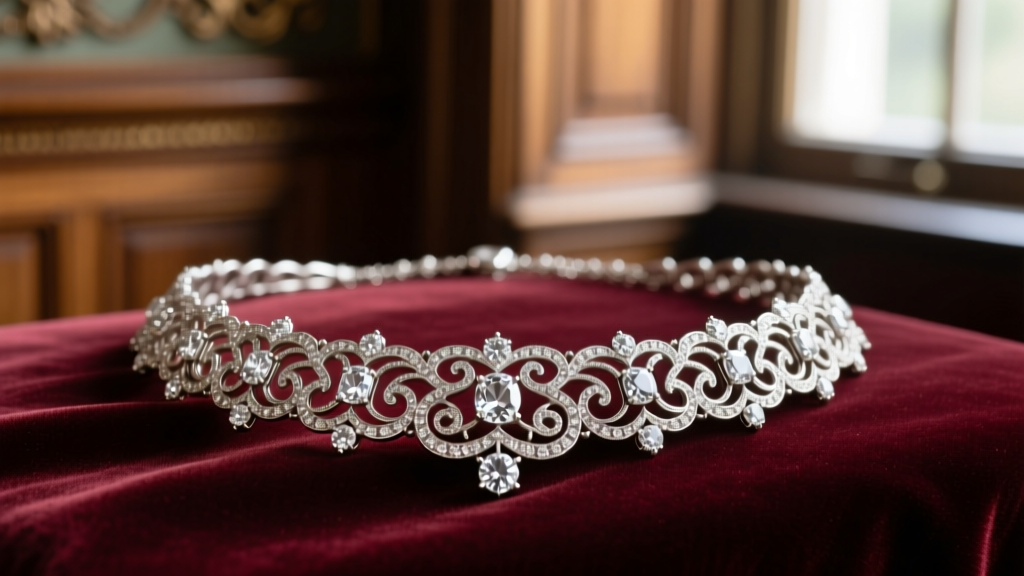
When serious collectors and vintage jewelry enthusiasts search for a genuine belle necklace, they are almost exclusively referring to pieces originating from the Belle Époque era (roughly 1871 to 1914). This period, translating to "Beautiful Epoch," was a golden age for European jewelry design, characterized by a shift away from heavy, dark Victorian mourning jewelry toward light, ethereal, and intricately detailed pieces. The term belle necklace is often used as shorthand for the iconic garland-style necklaces, delicate lace-motif chokers, and ornate bow pendants that defined the high-society fashion of Paris and London at the turn of the 20th century.
However, the secondary market is flooded with mid-century reproductions and modern "vintage-inspired" tributes. Knowing how to authenticate the metalwork, identify period-correct diamond cuts, and spot structural fatigue is critical before investing thousands of dollars. This guide breaks down the exact specifications, hallmarks, and failure modes you need to evaluate when purchasing an authentic Belle Époque necklace.
Defining the Belle Époque Aesthetic
The defining aesthetic of the era was the garland style (or style guirlande), pioneered by houses like Cartier, Boucheron, and Chaumet. Jewelers sought to replicate the look of delicate silk ribbons, lace, and botanical garlands using precious metals and diamonds. If you are evaluating a belle necklace, look for these three design pillars:
- Millegrain Edging: Tiny, precise beaded borders along the metal edges, made possible by the strength of platinum.
- Openwork Filigree: Pierced, lace-like metal structures that allow light to pass through the piece, making it look weightless despite its high carat weight.
- Articulated Joints: Authentic pieces feature micro-hinges and flexible mesh backing, allowing rigid metal components to drape fluidly over the collarbone.
Material Breakdown: Silver-Topped Gold vs. Early Platinum
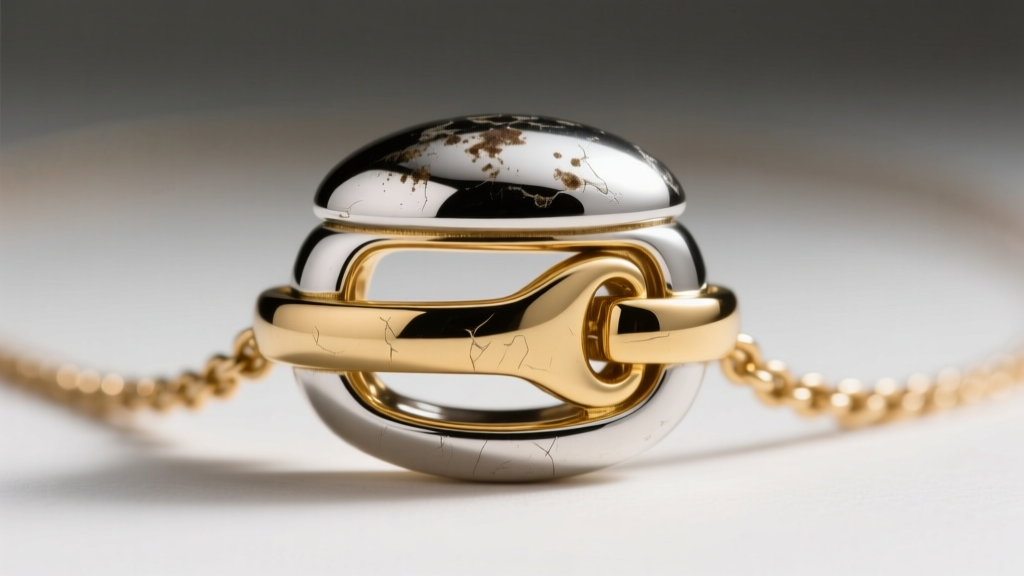
One of the most critical authentication factors for a belle necklace is the base metal. The transition from silver-topped gold to pure platinum is the primary way experts date these pieces within a 15-year window.
| Metal Composition | Era of Prominence | Identifying Characteristics | Common Issues |
|---|---|---|---|
| Silver-Topped 18k Gold | 1890 – 1905 | Yellow gold backs with a fused layer of silver on the front to provide a white setting for diamonds. | The silver layer tarnishes heavily, often staining skin and silk garments black. |
| Early Platinum (900/1000) | 1905 – 1912 | Often alloyed with iridium or ruthenium. Slightly darker, grayer tone. Heavier and highly resistant to tarnish. | Early casting methods sometimes resulted in porosity (tiny air bubbles) in thick clasp joints. |
| High-Purity Platinum (950/1000) | 1912 – 1914 | Bright, white luster. Allowed for the thinnest, most intricate millegrain and knife-edge wirework. | Platinum fatigue at stress points (clasps, hinges) if worn daily without maintenance. |
Expert Insight: If a seller claims a necklace is from 1895 but it is crafted entirely of solid, high-purity platinum without a gold backing, it is likely a later reproduction. According to the Gemological Institute of America (GIA), platinum was not widely fabricated into fine jewelry until the development of the oxyhydrogen torch in the early 1900s.
Authentication & Hallmarks: What to Look For
Because the majority of high-end belle necklaces were manufactured in France, French hallmarks are your most reliable tool for authentication. You will need a 10x jeweler's loupe to inspect the clasp, the jump rings, and the inner edges of the pendant bail.
The French Hallmark System
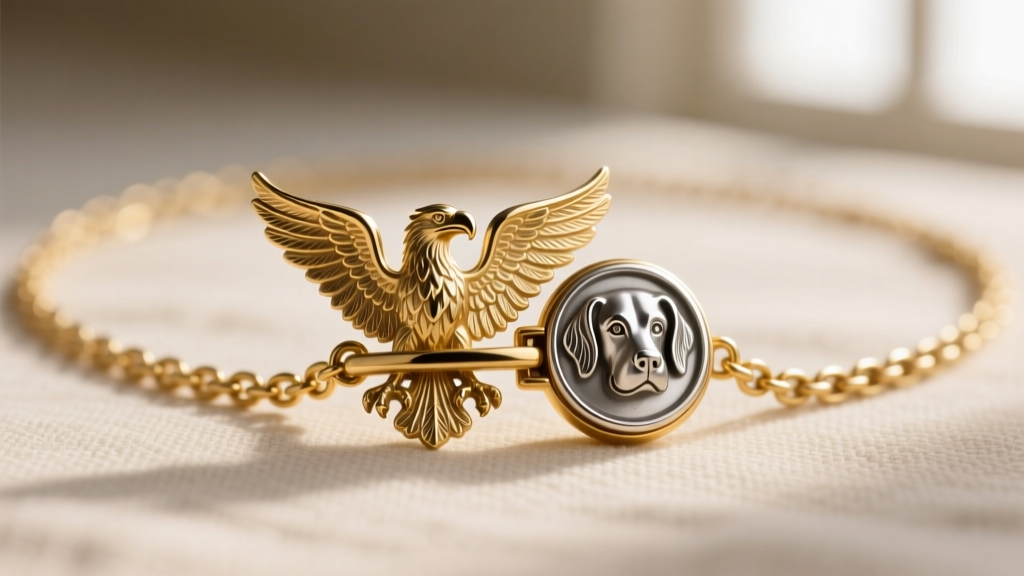
- Tête d'Aigle (Eagle's Head): Indicates 18-karat gold. Look for this on the back of the piece or on the chain links of a silver-topped gold necklace.
- Tête de Chien (Dog's Head): Introduced in 1912, this hallmark indicates a minimum of 950/1000 platinum. If you see this mark, the piece dates to the very end of the Belle Époque or the beginning of the Art Deco period.
- Maker's Mark (Poinçon de Maître): A lozenge-shaped (diamond-shaped) stamp containing the jeweler's initials and a symbol, indicating the specific atelier that fabricated the piece.
Note on Wear: Over a century of polishing can easily erase hallmarks. If the hallmarks are missing, require the seller to provide an XRF (X-ray Fluorescence) spectrometer report to verify the exact elemental composition of the alloys. As noted by the Victoria and Albert Museum, many authentic pieces were also exported to England or America and may bear British assay marks (like the orb and crown for platinum) or lack marks entirely if they were custom commissions.
Diamond Cuts: Spotting Period-Correct Stones
A genuine belle necklace will almost never feature modern Round Brilliant Cut diamonds. The cutting technology of the era relied on the natural octahedral shape of the rough diamond crystal. You should expect to see:
- Old European Cuts (OEC): Round stones with high crowns, small tables, and a visible, open culet (the flat point at the bottom of the diamond). They exhibit a "chunky" scintillation pattern rather than the splintery flash of modern stones.
- Old Mine Cuts: Cushion-shaped stones with similar proportions to the OEC, often used as center stones in pendant drops.
- Rose Cuts: Flat-backed stones with a domed, faceted top, frequently used in the delicate millegrain borders and floral motifs.
Red Flag: If the primary diamonds in the necklace are modern brilliants (laser-inscribed girdles, sharp pointed culets, 57/58 facets), the piece has either been heavily altered, or it is a modern reproduction. Replacing lost stones with modern cuts severely diminishes the historical value of the necklace.
Common Failure Modes & Condition Checks
When inspecting a vintage belle necklace in person or reviewing high-resolution macro photography, check for these specific structural vulnerabilities:
- Clasp Fatigue: Early platinum clasps, particularly the "C" clasps and trombone push-pins, are prone to metal fatigue. Check for micro-fractures or solder repairs near the hinge.
- Re-tipped Prongs: Because platinum wears down over 100+ years, prongs holding the Old European Cut diamonds may have been re-tipped. Ask if the re-tipping was done with laser welding (preferred) or traditional torch soldering, which can cause thermal shock and fracture the antique diamonds.
- Chain Replacements: It is incredibly common for the original fragile platinum chains to snap and be replaced with modern white gold or platinum chains. While acceptable for wearability, a replaced chain drops the collector value by 15% to 20%.
Pricing Tiers & Market Value
The market for authentic Belle Époque jewelry remains highly competitive, driven by both historical collectors and modern brides seeking unique, antique wedding pieces. Based on current market data and auction results from heritage houses, here is what you can expect to pay:
- Entry-Level ($3,000 - $8,000): Smaller pendant necklaces, silver-topped gold pieces with heavy tarnish, or pieces featuring smaller rose-cut diamonds and missing maker's marks.
- Mid-Tier ($12,000 - $35,000): Authentic platinum garland necklaces, well-preserved lace-motif chokers, and signed pieces from lesser-known but highly skilled French ateliers.
- Museum / High-End ($50,000 - $250,000+): Signed, documented pieces from Cartier, Boucheron, or Chaumet, featuring flawless OEC diamonds, original chains, and intact hallmarks. Convertible pieces (necklaces that dismantle into brooches or bracelets) command a massive premium.
Final Sourcing Advice
When buying a high-value belle necklace, always purchase from established antique jewelry dealers who specialize in period pieces, such as those vetted by the Lang Antiques encyclopedia or members of the Antique and Period Jewelry & Gemstone Society. Demand a detailed condition report that explicitly notes any replaced stones, modern solder work, or chain alterations. An authentic Belle Époque necklace is not just an accessory; it is a wearable piece of history that requires expert stewardship to survive another century.


