Ladies Birthstone Necklaces: A Beginner's Guide to Gemstones
Discover how to choose authentic ladies birthstone necklaces. Learn about gemstone grades, metal pairings, chain lengths, and care.

The Emotional Appeal and the Market Reality
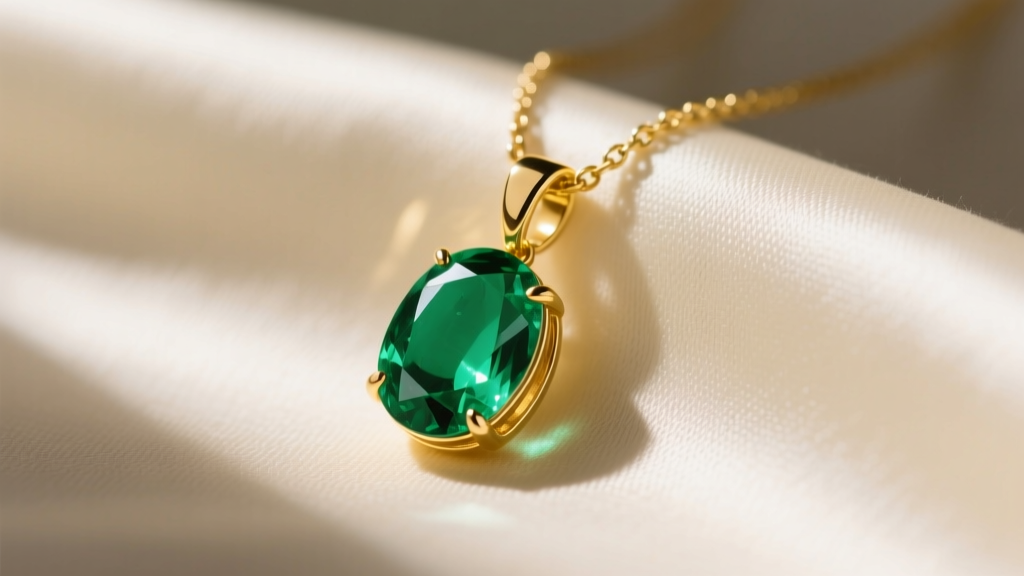
Gifting or purchasing ladies birthstone necklaces is a time-honored tradition, blending deep personal significance with everyday elegance. Whether you are shopping for an April diamond to symbolize invincibility or an October opal to represent hope, birthstone jewelry carries a unique emotional weight. However, the modern jewelry market can be a minefield for beginners. Misleading terminology, confusing pricing tiers, and a lack of transparency regarding gemstone treatments often leave first-time buyers vulnerable to overpaying for inferior products.
This comprehensive guide is designed to cut through the marketing jargon. We will break down the exact differences between genuine, lab-created, and simulated stones, provide a practical framework for pairing metals with specific gem colors, and outline the critical care protocols required to prevent catastrophic damage to your investment. By understanding the gemological specifics, you can confidently select a piece that is both beautiful and structurally sound.
Decoding the Stone: Genuine vs. Lab-Created vs. Simulated
When browsing for ladies birthstone necklaces, you will inevitably encounter three distinct categories of gemstones. Understanding the chemical and structural differences between these categories is the most crucial step in your purchasing journey. According to the GIA Gem Encyclopedia, the origin of a gemstone drastically affects its value, durability, and optical properties.
| Category | Composition & Origin | Durability & Inclusions | Typical Price Range (14k Gold Pendant) |
|---|---|---|---|
| Genuine (Mined) | Naturally formed in the earth over millions of years. Extracted via mining. | Contains natural inclusions (flaws). Durability varies wildly by stone (e.g., Diamond is Mohs 10, Opal is Mohs 5.5). | $800 - $5,000+ |
| Lab-Created | Grown in controlled laboratory environments using flux or Czochralski methods. Chemically identical to mined stones. | Flawless or near-flawless. Identical Mohs hardness to natural counterparts. Excellent for daily wear. | $250 - $900 |
| Simulated | Man-made materials (Cubic Zirconia, glass, dyed howlite) designed only to mimic the color of the birthstone. | Completely different chemical makeup. CZ (Mohs 8.5) is durable but lacks the refractive index and fire of real gems. | $40 - $150 |
For beginners seeking high-quality ladies birthstone necklaces without the premium price tag of mined stones, lab-created gemstones are often the smartest choice. For example, a lab-created sapphire (September) or ruby (July) grown via the Verneuil flame-fusion process offers the exact same Mohs 9 scratch resistance as a mined stone, but at a fraction of the cost. However, the FTC Jewelry Guides strictly require retailers to clearly disclose if a stone is lab-grown or simulated, so always read the fine print before checkout.
Metal Pairings: The Color Theory of Birthstone Jewelry
The metal you choose for your necklace chain and pendant setting acts as a frame for the gemstone. Selecting the right metal alloy can either amplify the stone's natural color or unintentionally wash it out. Furthermore, certain porous birthstones react poorly to specific metals and their required maintenance routines.
Cool-Toned Stones (Sapphire, Aquamarine, Tanzanite, Diamond)
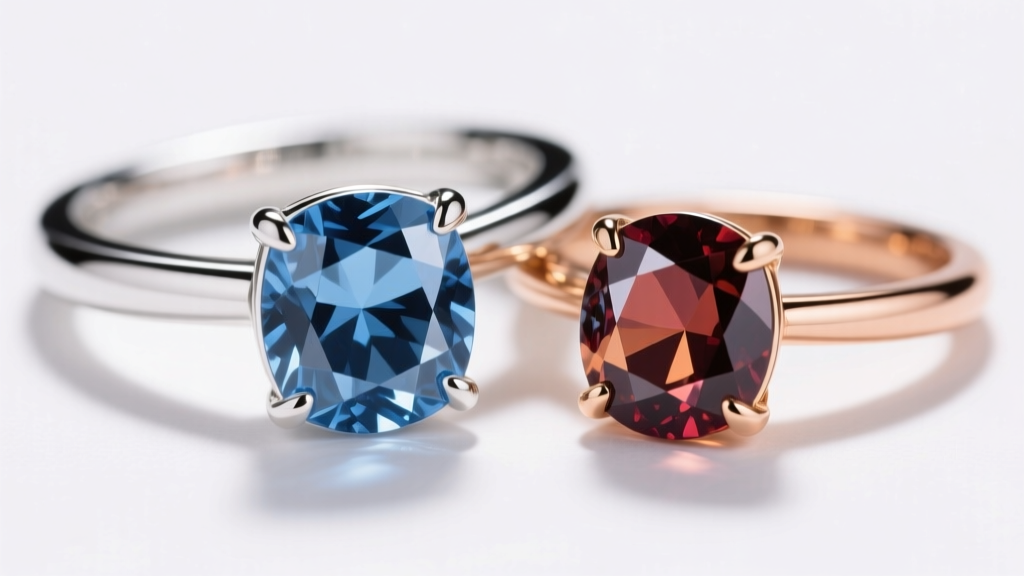
Cool-toned gems thrive when paired with white metals. Platinum and 14k or 18k white gold (which is rhodium-plated to achieve its bright silver hue) enhance the icy blue and violet refractive properties of these stones. White gold is particularly recommended for diamond (April) and white sapphire pendants, as it creates a seamless, monochromatic brilliance that maximizes light return.
Warm-Toned Stones (Garnet, Citrine, Ruby, Peridot)
Warm, earthy, and fiery gemstones demand the rich contrast of yellow or rose gold. A deep red garnet (January) set in 14k yellow gold creates a vintage, regal aesthetic, while a vibrant peridot (August) pops brilliantly against the coppery undertones of 14k rose gold. The warmth of the metal reflects back through the stone, deepening its saturation.
The Porous Stone Warning (Pearl, Opal, Turquoise)
If your birthstone is a pearl (June), opal (October), or turquoise (December), you must be highly cautious with sterling silver (925) settings. Sterling silver tarnishes naturally when exposed to sulfur and moisture in the air. Removing tarnish requires polishing cloths that often contain mild abrasives or chemical dips. These abrasives will permanently scratch the soft surface of a pearl (Mohs 2.5) or an opal (Mohs 5.5). For these delicate stones, always opt for 14k yellow gold or platinum settings, which do not tarnish and require only a gentle wipe with a damp cloth.
Chain Lengths and Neckline Frameworks
A beautiful pendant will look awkward if the chain length clashes with your wardrobe. When buying ladies birthstone necklaces, use this practical framework to match the chain length to your most-worn necklines:
- 16-Inch (Choker/Collarbone): Rests tightly against the base of the neck. Ideal for off-the-shoulder tops, boat necks, and open V-necks. Best for small, delicate pendants (under 10mm) so they don't look heavy.
- 18-Inch (Princess): The most versatile and popular length. It rests perfectly on the clavicle. This length pairs flawlessly with crew necks, scoop necks, and standard button-down blouses. It is the safest bet for a surprise gift.
- 20 to 24-Inch (Matinee): Falls below the collarbone and rests on the upper chest. This length is strictly for business wear, turtlenecks, and high-necked dresses. It allows larger, heavier statement birthstones to hang freely without tangling in fabric.
Critical Care Protocols: Avoiding Catastrophic Damage
The most common way beginners ruin their birthstone jewelry is by applying a 'one-size-fits-all' cleaning approach. The American Gem Society frequently warns consumers about the dangers of ultrasonic cleaners and harsh chemical dips, which can destroy specific gemstones in minutes.
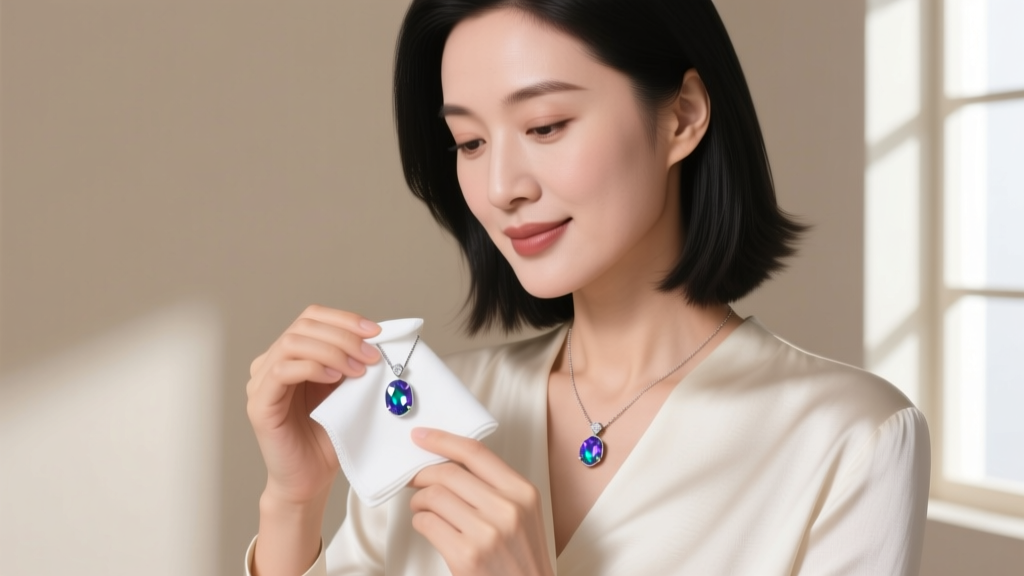
Expert Warning: Never place an emerald (May) or an opal (October) in an ultrasonic jewelry cleaner.
Here is the gemological breakdown of why this happens, and how to properly care for your necklace:
The Emerald Oil Problem
Nearly 90% of genuine emeralds on the market are fracture-filled with cedar oil or synthetic resins to improve their clarity and mask natural internal fissures. The high-frequency vibrations and heat of an ultrasonic cleaner will boil this oil out of the stone. Once the oil is removed, the emerald will suddenly appear heavily included, cloudy, and structurally compromised. Clean emeralds only with lukewarm water, a drop of mild dish soap, and a baby-soft toothbrush.
The Opal Crazing Phenomenon
Opals are not crystalline; they are amorphous silica that contains anywhere from 6% to 20% water. Ultrasonic waves and the heat from chemical jewelry dips can cause this water to evaporate rapidly, leading to 'crazing'—a permanent, irreversible network of fine white cracks that ruins the stone's play-of-color.
Safe Cleaning for Hard Stones
If your birthstone is a diamond (April), sapphire (September), or ruby (July), you are in luck. These corundum and carbon-based stones are incredibly hard (Mohs 9 to 10) and non-porous. They can safely withstand ultrasonic cleaners and mild ammonia-based jewelry solutions to remove the buildup of lotions and skin oils that dull their sparkle.
Pricing Expectations and Final Buying Advice
When budgeting for ladies birthstone necklaces, be highly skeptical of prices that seem too good to be true. A genuine, untreated 2-carat ruby set in solid 18k gold will not sell for $150. If you see a low price point, the stone is almost certainly simulated glass or a heavily treated, low-grade composite.
For a high-quality, everyday necklace that balances cost and longevity, allocate your budget toward a solid 14k gold chain (avoid gold-plated or gold-filled chains, as the plating will eventually wear off and expose the base brass underneath, causing skin irritation). Pair this durable chain with a lab-created gemstone. This combination gives you the exact optical brilliance and scratch resistance of a high-end mined stone, mounted on a chain that will last a lifetime, all while keeping your total investment well under the $1,000 mark.
By prioritizing material transparency, understanding color theory, and respecting the unique chemical properties of your specific birthstone, you can curate a necklace collection that is both deeply meaningful and gemologically sound.


