The 2026 Buying Guide for Fashion Jewelry Necklaces
Discover what to look for when buying fashion jewelry necklaces in 2026. Expert tips on base metals, plating thickness, clasps, and pricing.

The Evolution of Fashion Jewelry in 2026
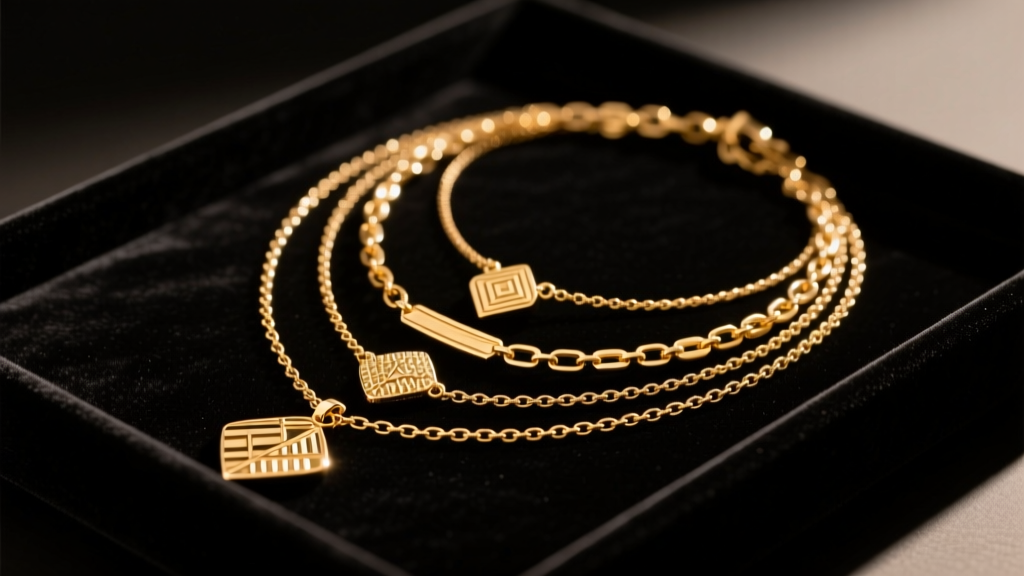
The landscape of fashion jewelry necklaces has shifted dramatically over the last few years. Gone are the days when 'fashion jewelry' simply meant cheap, disposable accessories that tarnished after a single wear. Today, the market is defined by a demand for longevity, sustainable material sourcing, and advanced coating technologies. Whether you are shopping for everyday layering pieces or bold statement pendants, understanding the metallurgy and construction of fashion jewelry necklaces is critical to making a smart investment. This comprehensive 2026 buying guide breaks down exactly what to look for beneath the surface, helping you distinguish between overpriced fast fashion and genuinely high-quality demi-fine pieces.
Decoding Base Metals: What Lies Beneath the Plating
The longevity of any plated necklace is entirely dependent on its core base metal. In 2026, reputable brands are moving away from porous, brittle alloys and toward stable, hypoallergenic foundations. According to the Gemological Institute of America (GIA), the base metal dictates how well the outer plating will adhere and how the piece will react to environmental moisture and skin acidity.
The Big Three: Brass, Stainless Steel, and Zinc Alloy
When evaluating fashion jewelry necklaces, you will primarily encounter three base metals. Here is how they compare in real-world wearability:
| Base Metal | Durability | Allergy Risk | Best For |
|---|---|---|---|
| CZ125 Brass | High (Malleable but strong) | Low (If strictly nickel-free) | Intricate pendant casts, vintage-style chains |
| 316L Stainless Steel | Exceptional (Tarnish-resistant) | Very Low (Surgical grade) | Minimalist chains, chunky link necklaces, daily wear |
| Zinc Alloy (Zamak) | Low (Brittle, prone to snapping) | High (Often contains nickel/cadmium) | Ultra-cheap fast fashion (Avoid for fine jewelry) |
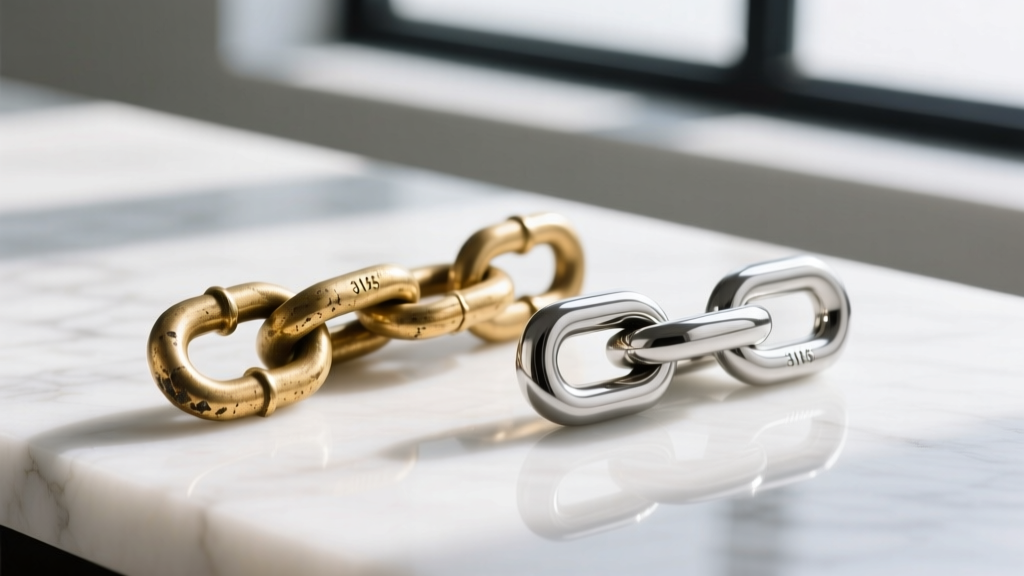
For high-quality fashion jewelry necklaces, 316L stainless steel is currently the gold standard for chains due to its rigid structural integrity and natural resistance to oxidation. Brass remains the preferred choice for detailed pendant casting because it captures microscopic mold details better than steel.
Plating Standards: Microns and Molecular Bonds
The most common point of failure in fashion jewelry necklaces is the plating. The thickness of the gold or silver layer, measured in microns (µm), determines whether your necklace will last three weeks or three years. Furthermore, the Federal Trade Commission (FTC) Jewelry Guides strictly regulate how brands can label their plating, yet misleading marketing terms still flood the market.
Electroplating vs. PVD Coating
- Flash Plating (0.1 - 0.5 µm): Often labeled simply as 'gold dipped.' This ultra-thin layer wears off rapidly, usually within a month of daily wear, exposing the base metal beneath.
- Heavy Gold Electroplated (2.5 - 3.0 µm): The minimum standard for high-quality fashion jewelry. When applied over a nickel-free brass base and sealed with an e-coat (anti-tarnish clear layer), this can last 1 to 2 years with proper care.
- PVD (Physical Vapor Deposition): The definitive 2026 innovation. PVD uses a vacuum chamber to bond titanium nitride to stainless steel at a molecular level. PVD gold finishes are up to 10 times more durable than traditional electroplating, making them entirely sweat-proof and waterproof.
Buyer's Tip: Always look for brands that explicitly state their plating thickness or specify the use of PVD coating on stainless steel. If a product description simply says 'gold tone' without specifying the micron count or method, assume it is flash-plated and price your expectations accordingly.
Hardware and Clasps: The Hidden Failure Points
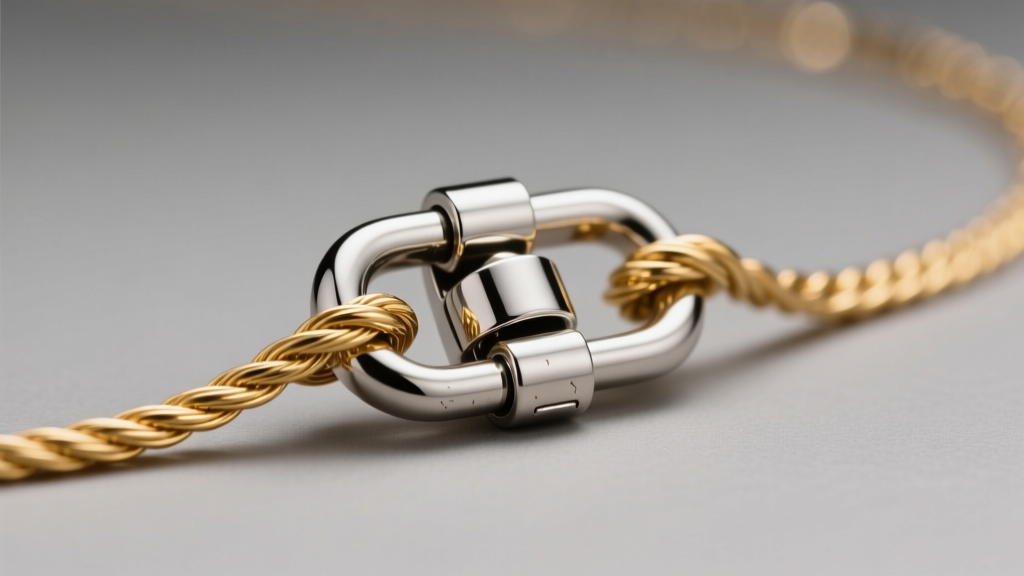
A necklace is only as secure as its weakest link, which is almost always the clasp assembly. High-end fashion jewelry necklaces utilize hardware that matches the durability of the chain itself.
Clasp Types and Structural Integrity
Lobster Clasps: The industry standard for reliability. Look for solid stainless steel or brass lobster clasps with a sturdy internal spring mechanism. Avoid hollow, lightweight clasps that can easily bend open under the weight of a pendant.
Spring Ring Clasps: Common on delicate, lightweight chains. While they provide a seamless aesthetic, the internal tension spring is prone to failure over time. They are acceptable for chains under 2mm in width but should be avoided for heavy pendants.
Magnetic Clasps: Gaining popularity in 2026 for accessibility and ease of use. Ensure the magnets are encased in stainless steel and feature a secondary safety catch (like a small link chain) to prevent accidental drops if the magnetic seal is compromised.
Additionally, inspect the jump rings connecting the clasp to the chain. In premium fashion jewelry necklaces, these jump rings are soldered shut. If the jump ring is merely split (unsoldered), it can easily be pulled apart, resulting in the loss of the necklace.
Pricing Tiers: What You Should Actually Pay
Understanding the intersection of materials and pricing protects you from artificial markups. Use this 2026 matrix to evaluate if a piece is fairly priced based on its construction.
| Tier | Typical Price Range | Expected Materials | Lifespan |
|---|---|---|---|
| Fast Fashion | $12 - $35 | Zinc alloy, flash plating, unsoldered jump rings | 1 - 3 Months |
| Mid-Tier Boutique | $45 - $95 | CZ125 Brass, 2.5µm electroplating, e-coat, lobster clasp | 1 - 3 Years |
| Premium / Demi-Fine | $110 - $250 | 316L Steel with PVD, or Sterling Silver Vermeil, soldered links | 5+ Years / Lifetime |
Red Flags When Shopping Online
When buying fashion jewelry necklaces from e-commerce platforms, beware of the following red flags:
- Vague Material Descriptions: Terms like 'environmentally friendly copper' or 'Tibetan silver' are often marketing spin for cheap, unregulated alloys that may contain high levels of lead or cadmium.
- Unrealistic Weight Claims: If a massive, chunky chain necklace is listed at an incredibly low price and feels 'lightweight' in reviews, it is likely hollow zinc alloy or plastic with a metallic spray finish.
- Lack of EU REACH Compliance: Reputable brands will note that their fashion jewelry is EU REACH compliant, meaning it has been lab-tested to ensure nickel, lead, and cadmium levels fall below strict safety thresholds.
Final Verdict: Building a Lasting Collection
The key to buying fashion jewelry necklaces in 2026 is to prioritize construction over fleeting micro-trends. By demanding 316L stainless steel or high-grade brass bases, insisting on PVD or heavy micron plating, and checking for soldered hardware, you can build a jewelry box filled with resilient, beautiful pieces that withstand the test of time. Always read the fine print, ask sellers for specific material breakdowns, and invest slightly more upfront for demi-fine quality that will serve your personal style for years to come.


