Betsey Johnson Pink Heart Necklace: Materials & Authenticity Guide
Explore the technical details, base metals, and cold enamel of the Betsey Johnson pink heart necklace, plus expert tips to authenticate vintage pieces.

The Anatomy of an Icon: Base Metals and Plating
The Betsey Johnson pink heart necklace is far more than a nostalgic Y2K fashion staple; it is a masterclass in accessible, expressive fashion jewelry. As these pieces transition from contemporary accessories to highly sought-after vintage collectibles in 2026, understanding their material composition is critical for collectors, resellers, and conservators. To properly evaluate the longevity and value of these necklaces, we must first examine the metallurgical foundation.
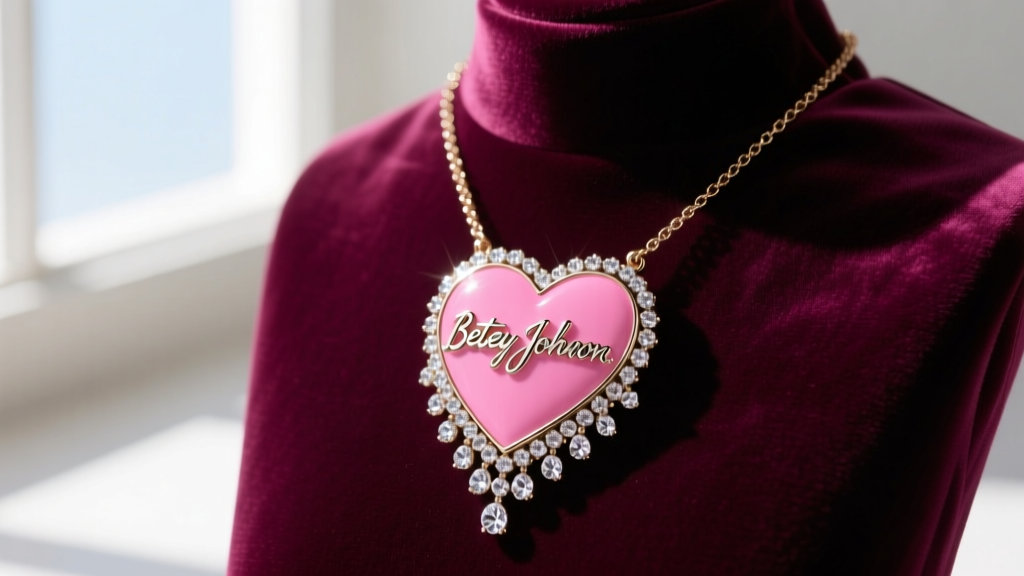
The primary base metal used in the iconic pink heart pendants is typically a zinc alloy, most commonly Zamak 3 or Zamak 5. Zamak is an alloy of zinc, aluminum, magnesium, and copper, chosen for its excellent castability and ability to hold intricate details—such as the raised metallic 'Betsey' script logo—without requiring expensive machining. However, Zamak is inherently porous and prone to oxidation if exposed to moisture.
To protect the base metal and provide a brilliant finish, the pendants are electroplated. Authentic pieces generally feature a silver-tone imitation rhodium or a gold-tone flash plating. According to the Federal Trade Commission Jewelry Guides, flash plating typically involves a microscopic layer of precious metal (often less than 0.3 microns thick). While this provides immediate visual appeal, it is highly susceptible to wear from skin acidity and friction, leading to the common 'brassing' effect where the underlying yellowish-grey Zamak core becomes visible on the high-contact edges of the heart.
The Chemistry of the Pink Heart: Cold Enamel vs. Vitreous

The most striking feature of the Betsey Johnson pink heart necklace is its vibrant, opaque pink fill. While often colloquially referred to as 'enamel' in the fashion industry, this material is not vitreous enamel (fused glass powder). Instead, it is a 'cold enamel'—specifically, a two-part polyepoxide resin. Understanding this chemical distinction is vital for anyone attempting restoration or conservation.
Vitreous enamel requires firing at temperatures exceeding 1,400°F (760°C), which would instantly melt the Zamak base metal and destroy the adhesive holding the rhinestones. Polyepoxide resins, on the other hand, cure at room temperature through a chemical reaction between an epoxide resin and a polyamine hardener. As noted by the Getty Conservation Institute's polymer research, while epoxy resins are highly durable and resistant to water, they are inherently vulnerable to ultraviolet (UV) radiation and thermal degradation.
Rhinestone Foil Degradation (Foxing)
The perimeter of the pink heart is typically lined with glass or acrylic rhinestones. In authentic Betsey Johnson pieces, these are often foil-backed glass stones set into glued bezels rather than traditional prong settings. The adhesive used is usually a cyanoacrylate or UV-cured resin. The most frequent structural failure in vintage pieces is 'foxing'—a phenomenon where moisture breaches the bezel, oxidizing the metallic foil backing and turning the stones a dull, muddy black. Once foxing occurs, the stone cannot be cleaned; it must be carefully extracted with a solvent and replaced with a new foil-backed stone.
Chain Gauge, Clasps, and Structural Load
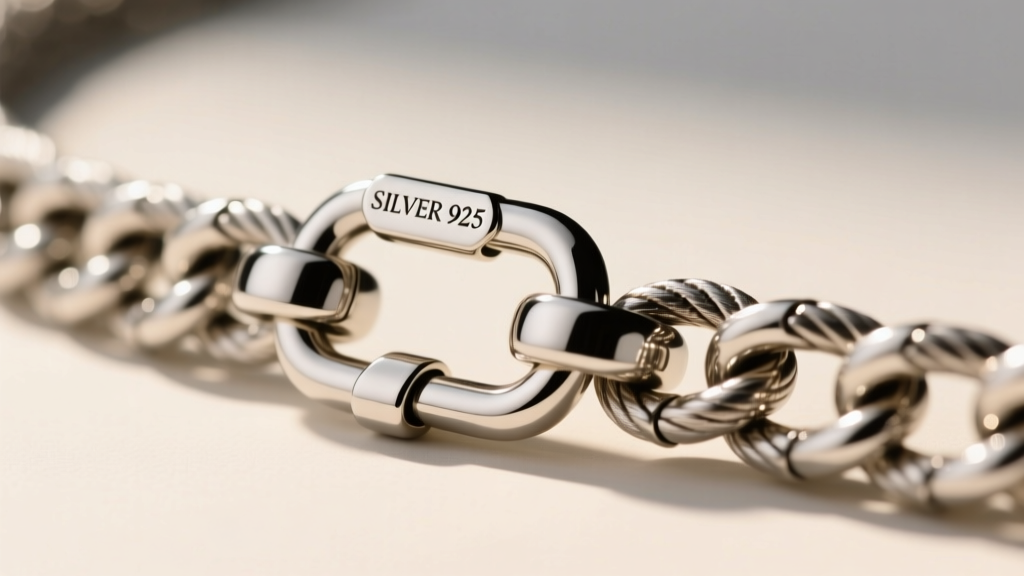
A pendant is only as secure as its suspension system. The standard chain accompanying the large pink heart pendant is a heavy-duty cable chain, typically measuring 4.0mm in outer diameter with a wire gauge of approximately 1.5mm to 1.8mm. This thickness is necessary to support the pendant's substantial weight, which usually ranges between 22 and 28 grams depending on the specific production year and size variant.
The links on authentic chains are soldered closed, a critical structural detail that prevents the chain from pulling apart under the dynamic load of daily wear. Cheaper counterfeit versions often feature unsoldered, split links that easily deform and snap. The clasp mechanism is predominantly a cast lobster claw, chosen for its superior spring tension and secure locking gate compared to the smaller, less reliable spring-ring clasps found on lighter fashion jewelry.
Material & Failure Mode Matrix
| Component | Material Specification | Common Failure Mode | Restoration Difficulty |
|---|---|---|---|
| Pendant Base | Zamak 3/5 Zinc Alloy | Pitting, structural cracking | High (Requires recasting) |
| Plating | Imitation Rhodium (<0.3μm) | Friction wear, 'brassing' | Medium (Requires professional re-plating) |
| Pink Fill | Polyepoxide Resin (Cold Enamel) | Chipping, UV yellowing | Low (Can be filled with tinted UV resin) |
| Rhinestones | Foil-backed Glass | Foil oxidation (Foxing) | Medium (Stone replacement required) |
| Chain Links | Brass/Steel with Silver Plating | Link deformation, unsoldering | Low (Standard jewelry soldering) |
Authentication Framework: Spotting Counterfeits
As the resale value of vintage 1990s and early 2000s Betsey Johnson pieces has surged, the market has been flooded with high-quality counterfeits. Authenticating a Betsey Johnson pink heart necklace requires a multi-point inspection focusing on weight, typography, and hardware.
- Weight Verification: Authentic large heart pendants have a dense, substantial feel due to the solid Zamak casting. They typically weigh between 22g and 28g. Counterfeits often use hollow-cast aluminum or cheap, lightweight pot metal, resulting in a pendant weight of under 15g.
- Typography and Kerning: The 'Betsey' script logo on the face of the heart is a primary authentication marker. On genuine pieces, the font weight is consistent, and the kerning (spacing between letters) is precise. Fakes often exhibit bloated letterforms, uneven thickness, or a slightly tilted baseline.
- Hallmark Stamps: Inspect the back of the pendant and the small tag attached to the chain. Authentic pieces will feature a clean, laser-engraved or deeply stamped 'Betsey Johnson' hallmark. Many vintage pieces from the 1990s will also include a tiny '©' copyright symbol. Counterfeit tags often feature shallow, poorly defined stamping or use an incorrect, modern font.
- Rhinestone Quality: Authentic stones are precisely calibrated and sit flush within their bezels. Fakes frequently feature oversized stones that overlap the metal borders, or uneven glue seepage visible around the stone edges.
Preventative Conservation for Resin Jewelry
Preserving the structural and aesthetic integrity of a vintage Betsey Johnson pink heart necklace requires specific environmental controls. Because the pink fill is an epoxy resin, prolonged exposure to direct sunlight will cause photo-oxidation, leading to an irreversible yellowing of the pink pigment. Furthermore, the Zamak base metal is highly reactive to humidity.
Collectors should store these necklaces in a climate-controlled environment with a relative humidity (RH) below 45%. Including silica gel desiccant packets in the storage box will drastically reduce the risk of moisture ingress, thereby preventing the dreaded rhinestone foxing and base metal pitting. When cleaning, never use ultrasonic cleaners or harsh chemical solvents like acetone or alcohol; these will dissolve the cyanoacrylate adhesives holding the stones and cloud the epoxy resin. Instead, use a soft, dry microfiber cloth and a gentle sweep with a soft-bristled brush to remove dust from the rhinestone bezels.
'The longevity of fashion jewelry relies not on the intrinsic value of its metals, but on the meticulous control of its micro-environment. Treat your polyepoxide resins with the same respect as museum-grade polymers.' — Conservation Best Practices for Modern Accessories.
By understanding the precise metallurgy, polymer chemistry, and structural engineering behind the Betsey Johnson pink heart necklace, collectors can confidently navigate the vintage market, accurately assess condition reports, and ensure these iconic pieces survive for decades to come.


