How to Clean a Badass Necklace: Heavy Metal Care Guide
Learn how to clean a badass necklace made of heavy metals, oxidized silver, or leather. Expert maintenance tips to preserve your edge.

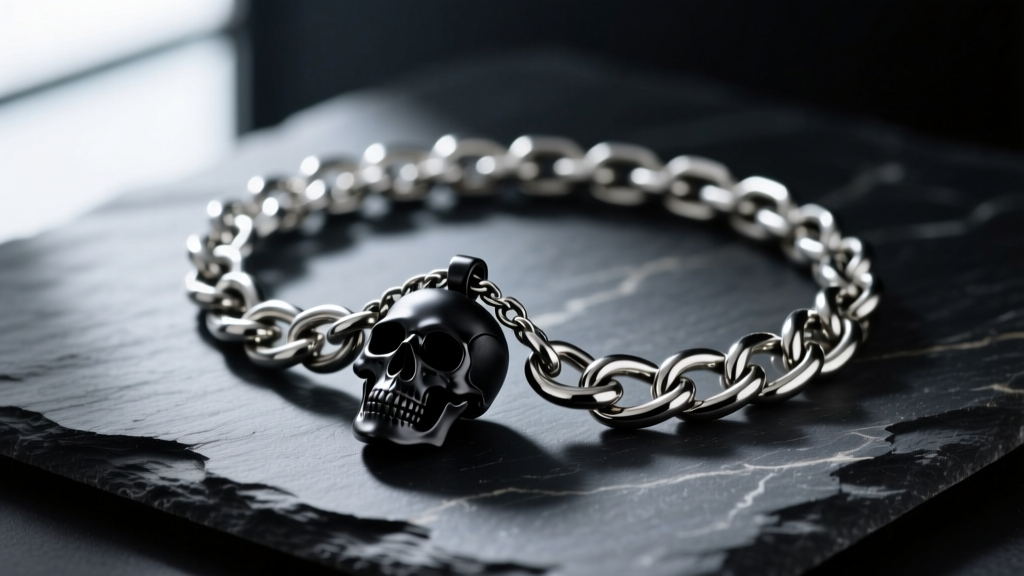
When you invest in a badass necklace, you aren't just buying jewelry; you are acquiring a piece of wearable armor. Whether it is a massive 316L stainless steel Cuban link chain, a tungsten carbide spike pendant, or an oxidized sterling silver skull motif, these pieces are designed to take a beating. However, the very materials that give these necklaces their rugged, industrial appeal require specialized maintenance. Standard jewelry cleaning methods—like harsh chemical dips or ultrasonic vibrations—can permanently ruin the dark patinas, degrade leather cords, or even shatter brittle metals.
In this comprehensive guide, we break down the exact chemical and mechanical care protocols required to maintain heavy-duty alternative jewelry in 2026. We will cover specific material grades, safe cleaning agents, and structural troubleshooting to ensure your gear stays as aggressive as the day you bought it.
The Anatomy of Heavy-Duty Necklaces: Materials Matter
Before applying any cleaning agent, you must identify the exact metallurgy or organic material of your piece. A Gemological Institute of America (GIA) report on alternative metals highlights that hardness does not equal toughness. Understanding the difference is the first step in preventing catastrophic damage to your favorite pieces.
- 316L Surgical Stainless Steel: The workhorse of heavy chains. It contains molybdenum, which prevents pitting and corrosion from sweat and saltwater.
- Grade 5 Titanium (Ti-6Al-4V): Used in high-end aerospace and premium alternative jewelry. It is incredibly strong but can scratch if polished with aggressive diamond compounds.
- Tungsten Carbide: Extremely hard (8.5-9 on the Mohs scale) and scratch-resistant, but highly brittle. It will shatter if dropped on a tile floor.
- Oxidized Sterling Silver (925): Standard silver treated with liver of sulfur to create a blackened, gritty patina in the recesses of the design.
- Braided Leather & Paracord: Organic suspension systems that degrade from UV exposure, sweat acidity, and improper conditioning.
Cleaning Heavy Metals: Steel, Titanium, and Tungsten
Heavy metal chains accumulate dead skin cells, sebum, and environmental grit deep within their interlocking links. If left untreated, this buildup creates a localized acidic environment that can eventually degrade even stainless steel over several years.
316L Steel and Titanium Protocols
For solid steel and titanium chains, an ultrasonic cleaner is your best friend. Fill the tank with warm water and a few drops of degreasing dish soap (like Dawn). Run the ultrasonic cycle for exactly three minutes. The cavitation bubbles will blast grime out of the tightest link gaps without scratching the metal. Afterward, rinse with distilled water and dry immediately with a microfiber cloth to prevent hard water spotting.
The Tungsten Carbide Warning
Never put tungsten carbide in an ultrasonic cleaner if it features any inlays (like carbon fiber or wood), as the vibrations can delaminate the glue. Furthermore, while tungsten won't scratch, it lacks tensile flexibility. Clean tungsten pendants manually using isopropyl alcohol (91% or higher) and a soft-bristled toothbrush. Avoid dropping tungsten pendants into metal sinks or onto ceramic tiles; the kinetic shock can cause the pendant to cleave perfectly in half.
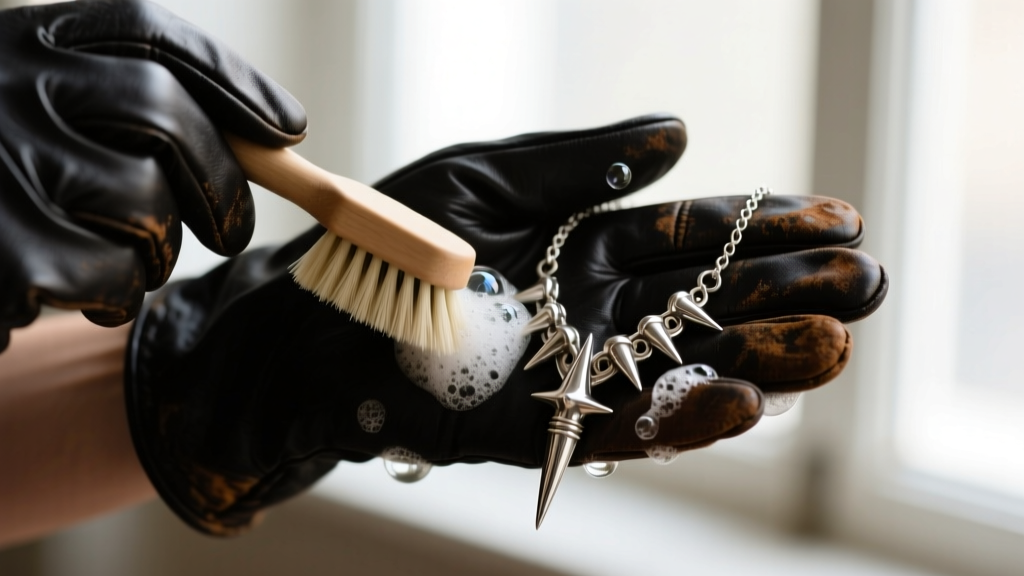
Preserving the Grit: Caring for Oxidized and Blackened Silver
Nothing ruins the aesthetic of a badass oxidized silver necklace faster than an overzealous cleaning session. The blackened look is achieved by reacting the silver with sulfur compounds. If you use traditional silver polish, baking soda pastes, or liquid silver dips, you will strip the oxidation, leaving you with a bright, shiny, and entirely generic-looking piece of jewelry.
To clean oxidized silver, you must use a targeted approach:
- Wash, Don't Polish: Use a mild, phosphate-free dish soap and lukewarm water. Gently agitate with a baby-hair toothbrush to remove sweat and oils from the crevices.
- Selective Polishing: If the high-relief areas (the edges and raised skulls or spikes) lose their shine, use a dry, untreated jeweler's polishing cloth. Rub only the raised surfaces. This creates a high-contrast look where the recesses remain pitch black and the edges gleam.
- Avoid Abrasives: Never use toothpaste or baking soda. According to the Silver Institute, abrasive pastes will micro-scratch the silver and remove the intentional sulfur patina.
Leather and Cord Maintenance: Preventing Rot and Fraying
A heavy metal pendant requires a robust suspension system, and braided leather is a classic choice. However, human sweat is highly acidic and laden with salts. Over time, this breaks down the collagen fibers in the leather, leading to dry rot, stiffness, and eventual snapping.
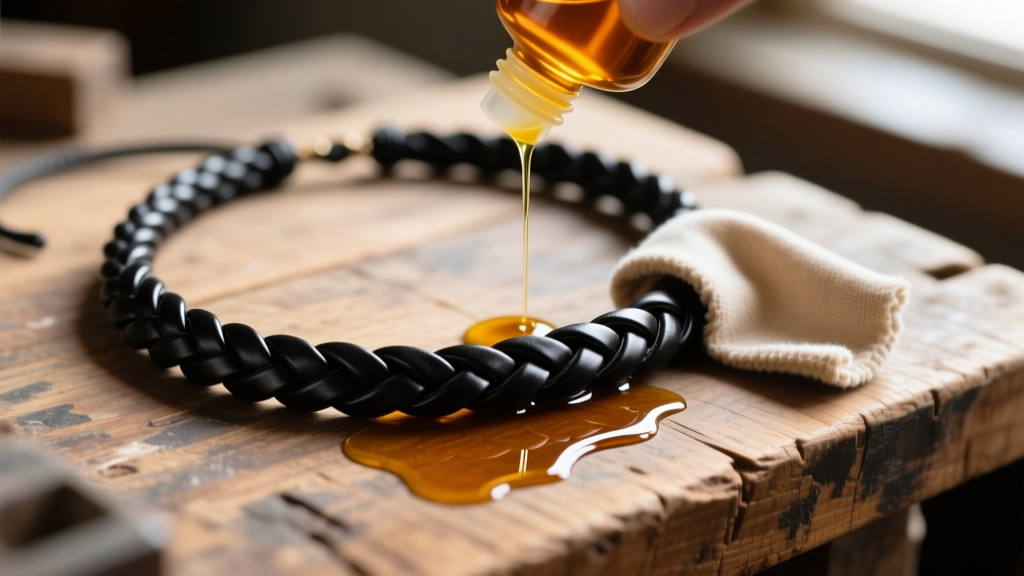
To maintain a leather cord necklace, you must implement a strict conditioning schedule. Avoid mink oil, as it can sometimes darken the leather unevenly and attract dust. Instead, use pure neatsfoot oil or a specialized pH-balanced leather conditioner.
Bench Jeweler Pro-Tip: Never wear a leather cord necklace in the shower or ocean. If the leather gets soaked, do not use a hairdryer to speed up the drying process. Heat bakes the moisture out too quickly, causing the leather to crack. Let it air dry away from direct sunlight, then immediately apply a light coat of conditioner to restore lipid balance.
The Ultimate Maintenance Schedule and Storage Matrix
Consistency is key to keeping alternative jewelry looking pristine. Use the matrix below to establish a care routine based on your specific necklace materials.
| Material | Cleaning Agent | Ultrasonic Safe? | Polishing Method | Storage Requirement |
|---|---|---|---|---|
| 316L Stainless Steel | Dawn Dish Soap + Warm Water | Yes | Microfiber Cloth | Hang or lay flat |
| Grade 5 Titanium | Isopropyl Alcohol (91%) | Yes | Soft Polishing Cloth | Separate pouch |
| Tungsten Carbide | Mild Soap + Soft Brush | No (if inlaid) | None required | Padded box (shock protection) |
| Oxidized Silver | Phosphate-Free Soap | No | Dry cloth on high spots only | Anti-tarnish zip bag |
| Braided Leather | Saddle Soap (sparingly) | No | Neatsfoot oil conditioning | Hang in climate-controlled area |
Troubleshooting Common Hardware Failures
Heavy pendants put immense mechanical stress on the hardware connecting them to the chain. The most common failure point on a badass necklace isn't the chain itself, but the jump rings and clasps.
Jump Ring Separation
If your pendant frequently detaches, inspect the jump ring. Many mass-produced necklaces use butt-cut jump rings that simply pull apart under the weight of a heavy steel or silver pendant. Take the necklace to a local jeweler and ask them to replace the standard jump ring with a soldered jump ring or a split ring (which operates like a miniature keychain). If you must open a jump ring yourself, never pull it outward; use two pairs of flat-nose pliers to twist it laterally, preserving the circular tension.
Lobster Clasp Fatigue
The internal spring mechanism inside a lobster clasp is the weakest link in heavy chain necklaces. Over time, sweat and grit infiltrate the tiny trigger slot, causing the spring to seize. Once a month, use a can of compressed air to blow out the clasp mechanism, followed by a microscopic drop of synthetic watch oil on the trigger hinge. Do not use WD-40, as it attracts dust and will eventually create a grinding paste inside the clasp.
Treating your heavy-duty jewelry with the respect it demands ensures it will outlast fleeting fashion trends. By matching your cleaning chemistry to the specific metallurgy and organic materials of your gear, you preserve not just the structural integrity of the necklace, but the raw, unapologetic attitude it represents.


