What Is the Hawaiian Necklace Called? A Guide to Lei & Shells
Discover what the Hawaiian necklace is called. Learn to identify, authenticate, and style traditional lei, Ni'ihau shells, and Koa wood pendants.

What Is the Hawaiian Necklace Called? Understanding the Basics
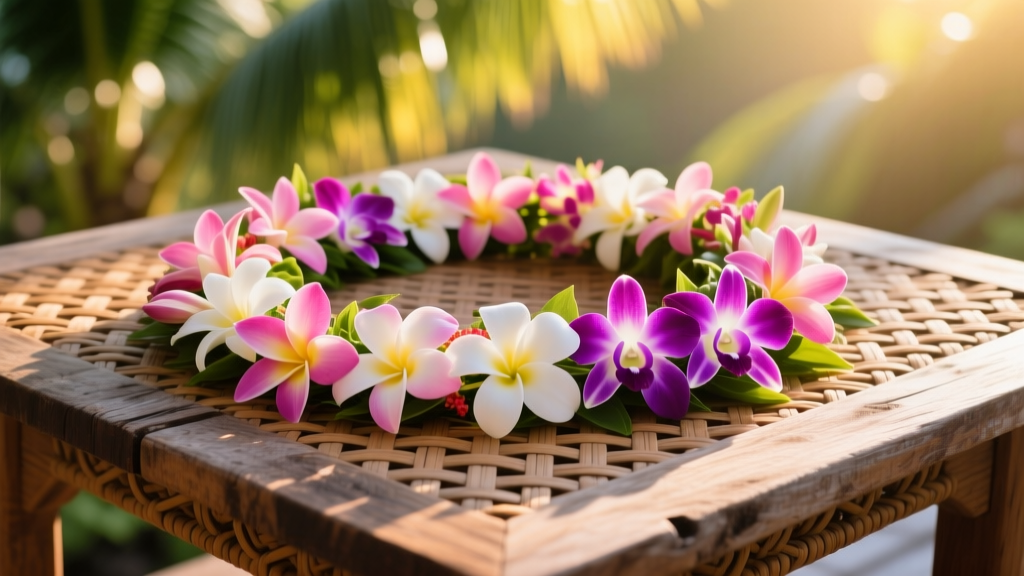
Travelers, collectors, and jewelry enthusiasts frequently ask: what is the hawaiian necklace called? The most direct answer is a lei. However, reducing Hawaiian neckwear to a single word overlooks centuries of Polynesian craftsmanship, botanical significance, and gemological rarity. In traditional Hawaiian culture, a lei is not merely an accessory; it is a profound symbol of aloha, respect, and spiritual connection. While the floral lei is the most globally recognized iteration, the realm of Hawaiian necklaces encompasses intricate shell jewelry, sacred wood carvings, and oceanic bone pendants.
According to the Bishop Museum, the Hawaiian Museum of Natural and Cultural History, the art of lei making (haku lei) is a deeply respected discipline. Whether you are looking to purchase a permanent piece of Hawaiian jewelry or simply want to understand the cultural weight of the necklace you were gifted upon arriving in Honolulu, this step-by-step guide will help you identify, authenticate, and care for authentic Hawaiian neckwear.
Step 1: Categorize the Type of Hawaiian Necklace
To accurately identify a Hawaiian necklace, you must first determine its material category. Hawaiian necklaces generally fall into three distinct tiers: ephemeral botanicals, permanent shellwork, and carved wood or bone.
1. Botanical Lei (Floral and Foliage)
The traditional flower lei is crafted from orchids, plumeria, tuberose, or carnations. These are ephemeral, meant to be worn for a day and eventually returned to the earth. A more permanent botanical option is the Maile lei, made from the fragrant, leafy vines of the maile plant. Maile is deeply sacred in Hawaiian culture, often used in weddings and ceremonies to signify peace and reverence.
2. The Ni'ihau Shell Lei (Permanent Jewelry)
When collectors ask what the Hawaiian necklace is called in the context of fine jewelry, the answer is the Ni'ihau Shell Lei. Often referred to as the "Hawaiian Diamond," these necklaces are crafted from microscopic, gem-quality shells found exclusively on the shores of Ni'ihau and, to a lesser extent, Kauai. Unlike floral lei, Ni'ihau shell necklaces are permanent, heirloom-quality investments that can fetch prices ranging from $1,500 to over $20,000 depending on the shell grade and stringing complexity.
3. Koa Wood and Niho Mano Pendants
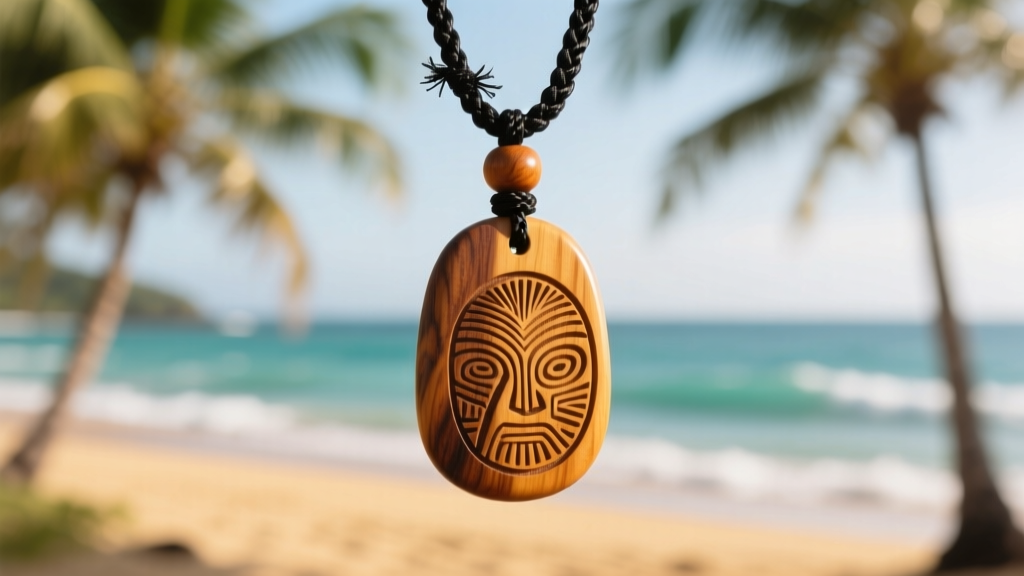
For everyday wear, Hawaiian necklaces often feature pendants carved from Koa wood (Acacia koa) or Niho Mano (shark teeth). Koa is an endemic Hawaiian hardwood historically reserved for royalty and warrior canoes. Niho Mano pendants, traditionally strung on braided coconut sennit or modern black cords, serve as protective amulets symbolizing strength and oceanic guidance.
Step 2: How to Authenticate a Ni'ihau Shell Lei
The market is unfortunately saturated with counterfeit shell jewelry imported from the Philippines or China, often sold to tourists as authentic Hawaiian pieces. Authenticating a true Ni'ihau shell lei requires a keen eye for specific morphological traits and craftsmanship markers.
Examine the Shell Morphology
Genuine Ni'ihau shells belong to specific families, primarily Pisania and Vanikoro. They are incredibly small, typically measuring between 1mm and 5mm. Counterfeit shells are often larger, uniformly dyed, and lack the natural, subtle color gradients found in authentic specimens. Look for the natural luster; true Ni'ihau shells possess a porcelain-like sheen that synthetic resins or bleached shells cannot replicate.
Inspect the Drill Holes and Stringing
Authentic Ni'ihau lei are strung using the Kui method (drilled through the center) or the Humuhumu method (sewn flat onto a backing). Hand-drilling a 1mm shell is a master-level skill. Examine the drill holes under a jeweler's loupe. Authentic holes may show microscopic asymmetry or slight chipping at the exit point, whereas machine-drilled fakes will have perfectly uniform, laser-sharp perforations. Furthermore, high-end Ni'ihau lei are often finished with 14k or 18k gold clasps, occasionally featuring a small maker's mark or the artisan's signature engraved on the clasp plate.
Step 3: Understand Ni'ihau Shell Grading and Pricing
If you are investing in a Ni'ihau shell necklace, understanding the grading system is critical. The Hawaii Tourism Authority and local artisan guilds recognize specific shell types that dictate the necklace's value. Below is a breakdown of the primary shell varieties used in fine Hawaiian necklaces.
| Shell Name | Size (mm) | Color Profile | Estimated Price per Inch |
|---|---|---|---|
| Kahelelani | 1.0 - 2.0 mm | Deep gold, brown, rare white | $150 - $300+ |
| Laiki (Rice) | 2.0 - 3.5 mm | Chalk white, porcelain | $80 - $150 |
| Kamoa | 3.0 - 5.0 mm | Pink, peach, soft coral | $50 - $100 |
| Pupū (General) | Varies | Mixed oceanic hues | $20 - $60 |
Note: A standard single-strand necklace is roughly 18 to 20 inches long. Multi-strand bridal sets can require tens of thousands of individually picked and drilled shells, explaining their premium valuation.
Step 4: Styling and Caring for Hawaiian Necklaces
Once you have identified and acquired your Hawaiian necklace, proper maintenance is essential to preserve its integrity, whether it is made of delicate shells, porous wood, or organic bone.
Caring for Ni'ihau Shell Lei
- Avoid Chemicals: Never spray perfume, hairspray, or sunscreen directly onto the shells. The alcohol and oils can degrade the natural porcelain finish and dull the luster.
- Cleaning: Gently wipe the shells with a soft, slightly damp microfiber cloth. Do not submerge the necklace in water, as this can weaken the silk or nylon threading and cause the internal knots to rot.
- Storage: Store the lei flat in a velvet-lined jewelry box away from direct UV light, which can cause certain shell pigments (especially the delicate pinks of the Kamoa) to fade over time.
Maintaining Koa Wood Pendants
Koa wood is highly prized for its chatoyancy—a cat's-eye optical effect caused by the wood's interlocking grain. To maintain this 3D shimmer, Koa pendants should be lightly polished every six months with a drop of food-grade mineral oil or specialized wood wax. Avoid wearing Koa pendants in the ocean or swimming pools; the salt and chlorine will strip the wood's natural oils, leading to micro-fractures and a gray, weathered appearance.
Handling Niho Mano (Shark Tooth) Jewelry
Modern Niho Mano pendants are often carved from fossilized shark teeth or ethically sourced modern teeth encased in resin. If your pendant is raw, unsealed bone or tooth, it is highly porous. Keep it away from moisture and handle it with clean hands to prevent the absorption of body oils, which can cause the material to yellow unevenly and develop an odor over time.
Final Thoughts on Hawaiian Neckwear
So, what is the hawaiian necklace called? It is a lei, a Ni'ihau, a Maile, or a Koa pendant—each carrying a distinct narrative of the islands. By understanding the terminology, recognizing the hallmarks of authentic craftsmanship, and committing to proper care, you ensure that your Hawaiian necklace remains a vibrant, respectful tribute to Polynesian heritage for generations to come. Whether you are wearing a fragrant Maile leaf lei down the aisle or a multi-strand Kahelelani shell necklace to a gala, you are participating in a living, breathing art form that transcends mere fashion.


