Pocket Watch Necklace Buying Guide: Metals, Movements & Chains
Discover how to choose the perfect pocket watch necklace. Our buying guide covers case metals, quartz vs. mechanical movements, and chain gauges.

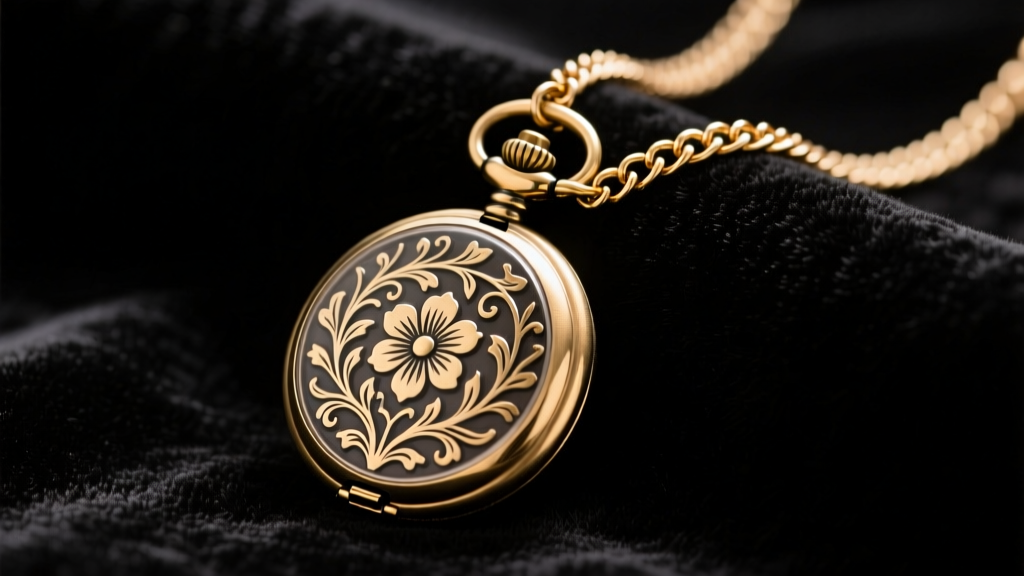
The pocket watch necklace has transcended its origins as a purely functional timepiece and its brief stint as a steampunk costume staple. In 2026, it stands as a sophisticated pendant choice, favored by enthusiasts of dark academia, vintage revival, and horological jewelry. However, buying a pocket watch to wear as a necklace requires navigating unique structural challenges. Unlike standard gemstone pendants that weigh a mere 5 to 10 grams, a functional pocket watch pendant typically weighs between 40 and 70 grams. This significant mass demands rigorous attention to chain tensile strength, clasp security, and case metallurgy.
Whether you are hunting for an heirloom-quality mechanical piece or a reliable daily-wear quartz pendant, this comprehensive buying guide breaks down the exact specifications you need to evaluate before making a purchase.
Decoding the Movement: Quartz vs. Mechanical
The heart of any pocket watch necklace is its movement. When worn as a pendant, the watch is subjected to constant kinetic motion—swinging, bouncing, and rotating against the chest. This environment impacts different movements in vastly different ways.
Japanese Quartz (e.g., Miyota 2035)
For everyday wear, a Japanese quartz movement is the undisputed champion of durability. Quartz movements utilize a battery and a tuning fork crystal, meaning they have very few moving parts. When your pocket watch necklace swings as you walk, a quartz movement remains largely unfazed, maintaining an accuracy of +/- 15 seconds per month. According to horological experts at Hodinkee, quartz is highly shock-resistant, making it ideal for pendants that might accidentally strike a table or zipper.
Mechanical and Automatic Movements (e.g., Seagull ST6)
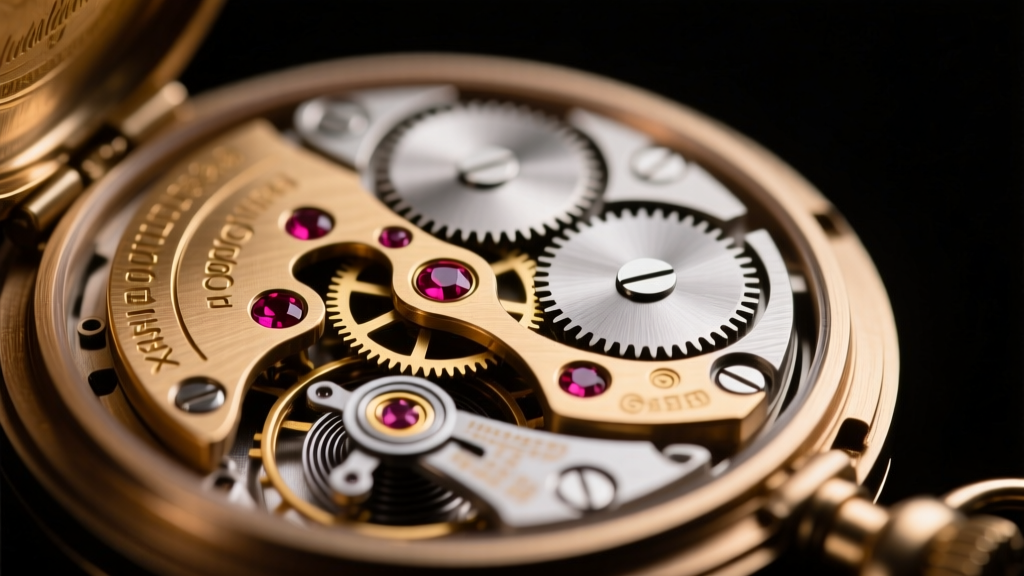
Mechanical pocket watch necklaces offer the romantic appeal of sweeping second hands and intricate, visible gears (often showcased via a skeletonized dial). However, mechanical movements contain dozens of delicate pivots and ruby jewels. The constant pendulum-like swinging of a necklace can overwind an automatic rotor or shock the balance staff. If you choose a mechanical pocket watch pendant, look for models equipped with Incabloc or similar shock-absorption systems, and be prepared to have the movement serviced every 3 to 5 years.
Case Materials and Plating Durability
Because a pocket watch necklace rests directly against the skin and clothing, it is exposed to sweat, friction, and cosmetics. The case material dictates both the longevity of the piece and its weight. The Federal Trade Commission (FTC) strictly regulates jewelry metal markings, so always verify the stamp on the case back. Below is a comparative analysis of the most common case metals used in pocket watch pendants.
| Material | Durability & Tarnish Resistance | Weight Profile | Ideal For |
|---|---|---|---|
| 316L Stainless Steel | Exceptional. Highly resistant to tarnish, rust, and skin discoloration. | Heavy (50-70g) | Daily wear, showering, active lifestyles. |
| Sterling Silver (925) | Moderate. Will oxidize and tarnish when exposed to sulfur and sweat. Requires polishing. | Medium-Heavy (45-60g) | Heirloom pieces, occasional wear, vintage aesthetics. |
| Brass with Gold Vermeil | Variable. Vermeil requires a minimum 2.5-micron gold layer over silver. Base brass will cause green skin if plating wears through. | Medium (40-55g) | Fashion-forward styling, budget-conscious luxury. |
| Solid 14k/18k Gold | Superior. Will not tarnish or corrode. Can be polished indefinitely. | Very Heavy (60-80g) | Luxury investments, generational heirlooms. |
When purchasing gold-toned pocket watches, avoid 'gold plated' or 'gold washed' over base metals like zinc alloy or copper. These thin flash platings (often less than 0.5 microns) will wear off within weeks of friction against a shirt collar. Always insist on gold vermeil or PVD (Physical Vapor Deposition) coated stainless steel for lasting color.
Selecting the Right Chain Gauge and Clasp
The most frequent point of failure in a pocket watch necklace is not the watch itself, but the chain. A standard 1.0mm cable chain is rated for roughly 2 to 3 kilograms of tensile stress. A sudden jerk can easily snap it, sending a 50-gram watch crashing to the floor and shattering the mineral or acrylic crystal.
Minimum Chain Specifications
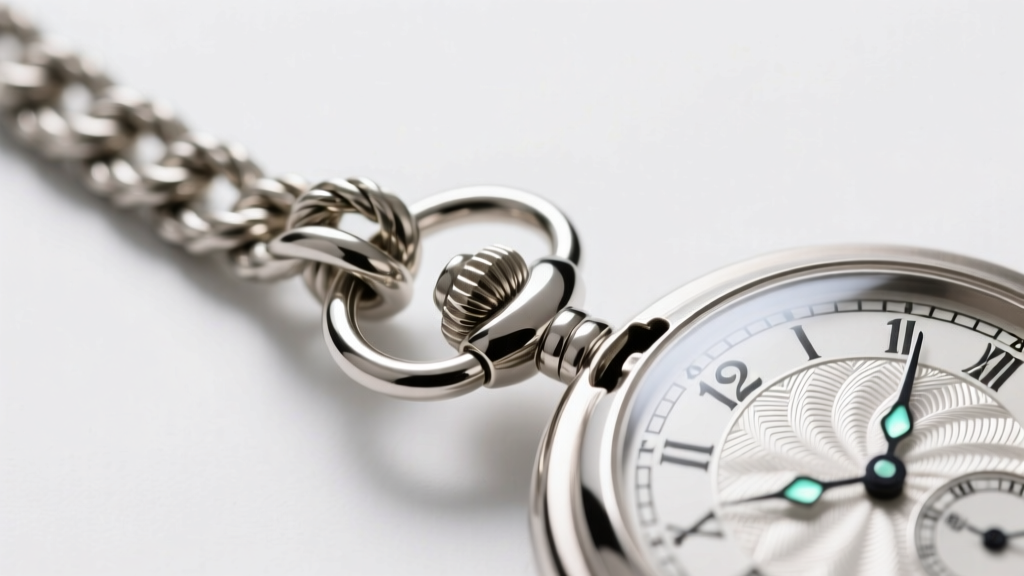
- Thickness (Gauge): Never go below 2.0mm. For watches exceeding 50 grams, a 2.5mm to 3.5mm chain is mandatory. Rope, curb, and Figaro chains offer superior structural integrity compared to delicate cable or box chains.
- Soldered Links: Ensure every link is individually soldered closed. Unsoldered links will pull apart under the dynamic weight of a swinging pendant.
- The Jump Ring: The ring connecting the watch bow (the loop at the top of the watch) to the chain must be at least 1.2mm thick and tightly closed.
Clasp Security
Discard any pocket watch necklace that comes with a spring ring clasp. Spring rings are notoriously fragile and difficult to operate with one hand. You must upgrade to a heavy-duty lobster clasp or a toggle clasp. Lobster clasps feature a solid internal spring and a robust lever, capable of supporting heavy pendants without accidental release.
Sizing, Proportions, and Neckline Pairing
Proportion is critical when styling a pocket watch as a pendant. A watch that is too small will look like a lost charm, while one that is too large will resemble a costume prop.
Case Diameter Guidelines
- Petite Frames (30mm - 38mm): Ideal for women's fashion, layering with smaller lockets, and pairing with V-neck blouses or scoop necklines.
- Medium Frames (39mm - 45mm): The most versatile unisex size. Works beautifully over crewneck sweaters, turtlenecks, and button-down shirts.
- Oversized/Hunter Cases (46mm - 55mm): Best suited for bold, standalone statements. These heavy pieces require high-necked garments or open jackets to provide a visual anchor.
Chain Length and the 'Drape'
Unlike standard pendants that sit at the collarbone (16-18 inches), a pocket watch necklace requires a longer drop to mimic its historical placement in a vest pocket. Opt for chain lengths between 24 inches (matinee length) and 30 inches (opera length). A 28-inch chain allows the watch to rest comfortably at the sternum, preventing it from flipping upside down or catching on belts and waistbands.
Price Tiers and What to Expect
Understanding the market landscape will help you identify genuine value and avoid overpriced novelty items. Pocket watch necklaces generally fall into three distinct pricing brackets:
The Novice Tier ($20 - $50): Features alloy or brass cases with thin flash plating, acrylic crystals (which scratch easily), and basic quartz movements. Chains are usually lightweight and unsoldered. Suitable for occasional costume wear, but not recommended for daily use.
The Enthusiast Tier ($60 - $150): The sweet spot for quality. You will find 316L stainless steel or solid sterling silver cases, genuine leather or thick vermeil chains, mineral glass crystals, and reliable Miyota quartz or entry-level mechanical movements.
The Horological Tier ($200 - $800+): Reserved for solid gold cases, sapphire crystals, and Swiss or high-beat Japanese mechanical movements. These pieces feature hand-engraved guilloche dials and are meant to be passed down as generational heirlooms.
Final Verdict: Inspecting Your Purchase
When your pocket watch necklace arrives, perform a rigorous physical inspection. Check the crown (the winding knob) to ensure it screws down tightly or pushes in with a firm, satisfying click—this is your primary defense against moisture ingress. Examine the crystal for dust trapped underneath, a common flaw in mass-produced skeleton dials. Finally, test the clasp mechanism repeatedly to ensure the spring returns with force. By prioritizing robust metallurgy, appropriate chain gauges, and shock-resistant movements, your pocket watch necklace will transition from a fleeting trend into a timeless, functional centerpiece of your jewelry collection.


