Breath Necklace Trends 2026: The Rise of Mindful Jewelry
Discover how the breath necklace evolved from an anxiety tool to a 2026 style staple. Explore materials, layering tips, and top mindful jewelry brands.

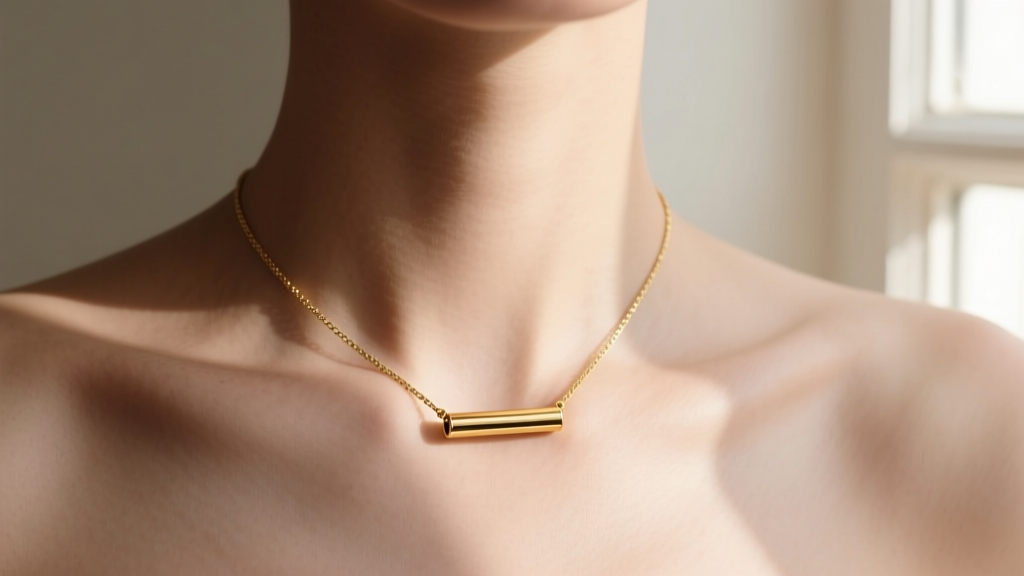
The Evolution of the Breath Necklace: From Clinical to Couture
Once relegated to the realm of clinical anxiety tools and niche wellness boutiques, the breath necklace has officially crossed over into high fashion and everyday luxury. As we navigate the style landscape of 2026, functional jewelry is no longer just a passing fad; it is a permanent fixture in the modern accessory wardrobe. A breath necklace—typically featuring a cylindrical, whistle-like pendant designed to prolong the exhale and stimulate the vagus nerve—has been reimagined by contemporary jewelers who refuse to compromise on aesthetics for the sake of utility.
In the early 2020s, mindfulness pendants were largely uniform, featuring basic stainless steel tubes on simple cable chains. Today, the market has exploded with textured metals, architectural silhouettes, and mixed-media designs. The modern breath necklace is a conversation starter, a grounding tool, and a sophisticated layering piece all rolled into one. According to Harvard Health Publishing, controlled breathing techniques are among the most effective ways to quell the body's errant stress response, and having a tactile, wearable reminder on your chest makes the practice infinitely more accessible.
The Science of the Sigh: Airflow Resistance and the Vagus Nerve
To understand why the breath necklace has gained such a devoted following, we must look at the biomechanics of the exhale. The core function of the pendant is to create airflow resistance. When you exhale through the narrow tube, it naturally slows your breath down to an 8-to-10-second duration. This prolonged exhalation signals the parasympathetic nervous system to engage, lowering the heart rate and reducing cortisol levels.
However, not all tubes are created equal. The inner diameter of the pendant dictates the level of resistance, which in turn determines the psychological and physiological effect. When shopping for a functional mindfulness pendant, you must pay close attention to the millimeter (mm) gauge of the inner barrel.
| Tube Inner Diameter | Target Exhale Duration | Best Use Case | Resistance Level |
|---|---|---|---|
| 3.5mm - 4.0mm | 10 - 12 seconds | Severe anxiety, deep vagus nerve stimulation, panic attack de-escalation | High |
| 4.5mm - 5.0mm | 8 - 10 seconds | Everyday mindfulness, moderate stress relief, meditation focus | Medium |
| 5.5mm - 6.0mm | 5 - 7 seconds | Beginners, light grounding exercises, subtle breath awareness | Low |
Brands like Shift Mindfulness have pioneered the use of varied diameters, allowing users to select a pendant that matches their specific lung capacity and anxiety profile. Choosing the wrong diameter can lead to frustration; a tube that is too narrow may cause lightheadedness, while one that is too wide will fail to provide the necessary resistance to trigger the relaxation response.
Material Matters: Metallurgy Meets Mindfulness
Because a breath necklace is designed to be brought to the lips and mouth, the metallurgy of the pendant is of paramount importance. Saliva, lip balms, and the natural acidity of the skin can quickly degrade poor-quality alloys, leading to tarnishing, metallic tastes, and contact dermatitis.
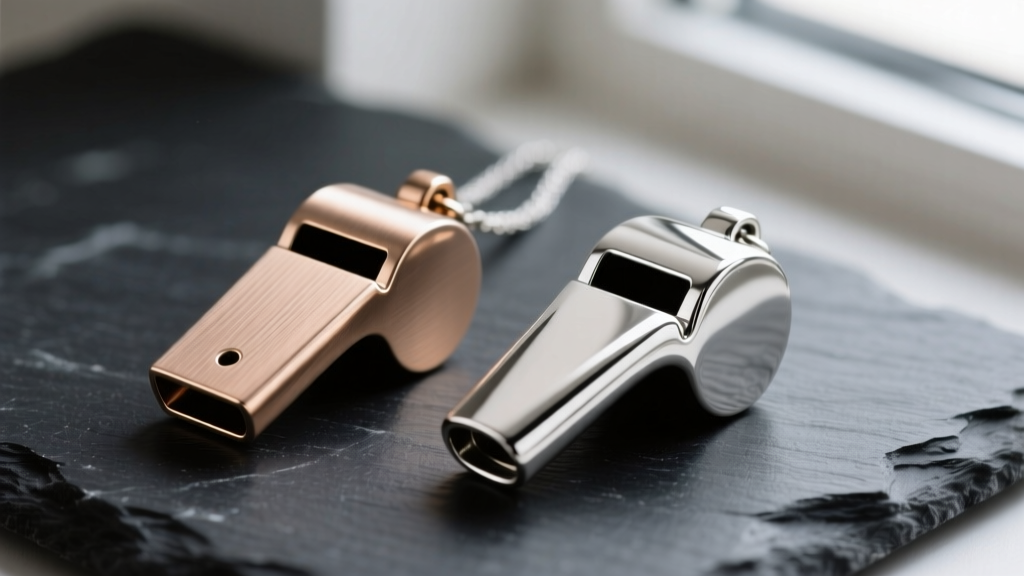
Grade 23 Titanium (Ti-6Al-4V ELI)
For those with severe metal allergies or a habit of nervously biting their pendants, Grade 23 Titanium is the gold standard. It is completely hypoallergenic, incredibly lightweight, and impervious to corrosion. Unlike softer metals, titanium will not dent or warp if you unconsciously chew on the edge of the tube during a stressful meeting. The trade-off? It lacks the warm luster of precious metals and is generally limited to cool, industrial finishes.
316L Surgical Stainless Steel
This is the most common material for entry-level and mid-tier breath necklaces. It offers excellent durability and a satisfying, heavy drape on the chest. However, 316L steel contains trace amounts of nickel. While generally safe for brief lip contact, individuals with severe nickel sensitivities should avoid steel and opt for titanium or high-karat gold.
14k and 18k Solid Gold
The luxury sector has embraced the breath necklace, offering tubes in 14k and 18k solid gold. These pieces are stunning and elevate the pendant to true fine jewelry status. However, gold is a relatively soft metal. If you are a "biter" or a "fidgeter" who uses the pendant as an oral fixation tool, you will quickly mar the surface of a gold tube. Reserve gold breath necklaces strictly for their intended breathing purpose, not as chewelry.
Styling the Breath Necklace: Integrating Function into Fashion
The most common styling mistake people make with functional pendants is wearing them on chains that are too short. A breath necklace must rest low enough on the sternum that you can comfortably bring the pendant to your mouth without hunching your shoulders or bowing your head.
- The Ideal Length: Look for chains ranging from 20 to 24 inches. A 22-inch chain is generally the sweet spot for most adults, allowing the pendant to rest at the upper sternum while providing enough slack for a full range of motion.
- The Layering Strategy: In 2026, the maximalist layering trend has made room for functional pieces. Pair your 22-inch breath necklace with a 16-inch pearl choker and an 18-inch delicate paperclip chain. The contrast between the organic pearls, the geometric paperclip links, and the utilitarian breath tube creates a deeply personalized, editorial look.
- Clasp Accessibility: Consider the clasp mechanism. During a panic attack, fine motor skills deteriorate, making tiny lobster clasps incredibly frustrating to manipulate. Many top-tier mindful jewelry brands now offer secure magnetic clasps or oversized toggle clasps that can be easily fastened and unfastened when you need immediate tactile grounding.
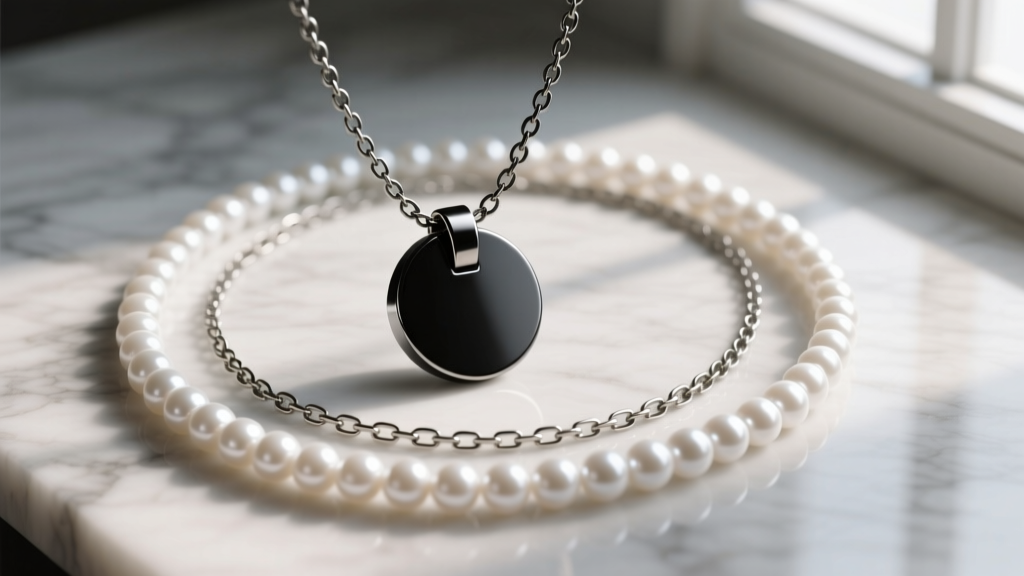
Top Designers Leading the Mindful Jewelry Movement
While Komorebi and Shift remain the heritage names in the space, a new wave of indie jewelers and luxury houses are pushing the boundaries of what a breath necklace can look like. Designers are experimenting with fluted edges, hammered textures, and two-tone metal plating to disguise the clinical nature of the tube. Some avant-garde pieces feature a dual-purpose design: a wider outer sleeve with a narrower inner core, allowing the user to adjust the airflow resistance by sliding the inner tube up or down.
Pricing in this sector varies wildly based on material and brand prestige. You can expect to pay between $40 and $75 for a high-quality 316L steel or PVD-coated titanium piece from a specialized wellness brand. For solid 14k gold iterations from fine jewelry designers, prices typically start at $250 and can exceed $800 for pieces incorporating diamond melee or gemstone inlays.
Final Verdict: Is a Breath Necklace Right for Your Collection?
The breath necklace is no longer just a coping mechanism; it is a testament to the modern consumer's desire for jewelry that serves a purpose beyond mere adornment. As the lines between wellness, mental health advocacy, and high fashion continue to blur in 2026, investing in a well-crafted, metallurgically sound mindfulness pendant is both a stylish and deeply practical decision. Whether you opt for the indestructible utility of brushed titanium or the quiet luxury of a solid gold tube, the right breath necklace will keep you grounded, centered, and impeccably styled through whatever the day brings.


