Meaning of Hamsa Necklace: A Beginner Guide to Protection and Style
Discover the meaning of hamsa necklace designs, from ancient protection symbols to modern layering tips, materials, and styling advice.

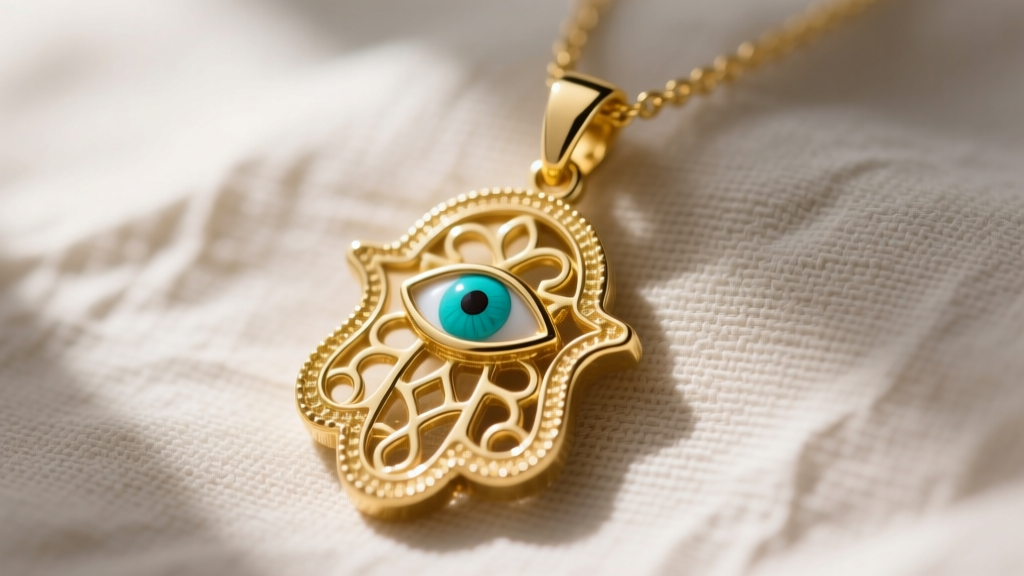
When exploring the meaning of hamsa necklace designs, you are delving into a symbol that predates modern religion, crossing continents and cultures as a universal talisman of protection. For beginners entering the world of meaningful jewelry, the hamsa (also spelled khamsa or chamsa) offers a perfect intersection of deep historical significance and versatile everyday style. Whether you are drawn to its intricate filigree patterns, the striking gaze of a central evil eye, or its reputation as a shield against negative energy, understanding the anatomy, materials, and styling nuances of this pendant is essential before making a purchase.
The Ancient Roots: Khamsa, Fatima, and Miriam
The word khamsa translates literally to "five" in Arabic, referencing the five fingers of the hand. Historically, the symbol has been adopted by multiple faiths, each assigning its own profound meaning to the digits. In Islamic tradition, it is known as the Hand of Fatima, representing the Five Pillars of Islam. In Jewish culture, it is revered as the Hand of Miriam, symbolizing the five books of the Torah and serving as a reminder to use one's five senses to praise the divine. According to the Jewish Virtual Library, the hamsa has been used for centuries in Sephardic communities as an amulet to ward off the "evil eye" (ayin hara), a malevolent glare believed to cause misfortune.
Today, the meaning of hamsa necklace amulets transcends specific religious boundaries. It is widely worn as a secular symbol of empowerment, feminine strength, and universal protection, making it a highly inclusive piece of jewelry for collectors and beginners alike.
Decoding the Anatomy of a Hamsa Pendant
A traditional hamsa pendant is rarely just a flat silhouette of a hand. The true artistry and energetic intent lie in its specific details:
- The Symmetry: While some hamsas depict a realistic anatomical hand, the most traditional and popular designs feature perfect bilateral symmetry, with two thumbs on either side. This symmetrical design is believed to create a balanced energy field.
- The Evil Eye (Nazar): Many hamsa pendants cradle a glass or gemstone "eye" in the center of the palm. Traditional Nazar beads are crafted from cobalt-infused glass to achieve their signature deep blue hue, which is thought to reflect malicious glares back to the sender.
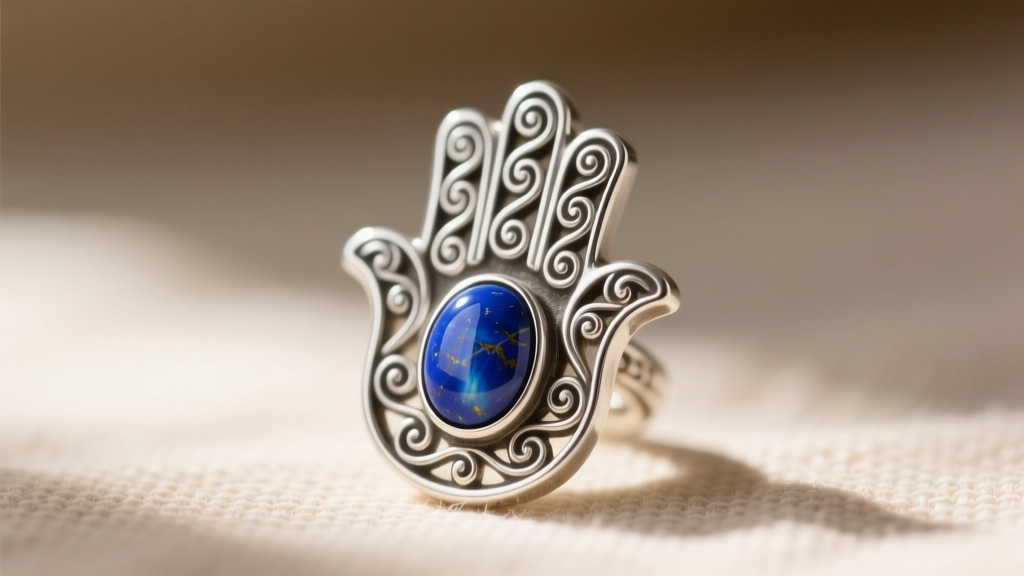
- Gemstone Inlays: Designers frequently use turquoise, lapis lazuli, or mother-of-pearl. Turquoise is particularly significant; according to the Gemological Institute of America (GIA), turquoise has been prized for millennia as a protective stone. However, with a Mohs hardness rating of just 5 to 6, turquoise is porous and requires careful maintenance to prevent color alteration from oils and lotions.
Material Grades and Pricing Framework
Choosing the right metal for your hamsa pendant dictates both its longevity and its price point. Beginners should avoid cheap base metals that can cause contact dermatitis, opting instead for hypoallergenic, jewelry-grade materials.
| Material Grade | Composition Details | Estimated Price Range | Durability & Care |
|---|---|---|---|
| 925 Sterling Silver | 92.5% pure silver, 7.5% copper alloy | $40 - $120 | High. Will tarnish over time; requires regular polishing with a microfiber cloth. |
| 14k Gold Vermeil | 925 silver base plated with at least 2.5 microns of 14k gold | $80 - $250 | Medium. The thick gold layer resists tarnish, but avoid ultrasonic cleaners to prevent peeling. |
| 14k Solid Gold | 58.5% pure gold mixed with durable alloys like zinc or copper | $350 - $800+ | Exceptional. Tarnish-resistant, waterproof, and suitable for 24/7 wear without degradation. |
| Enamel over Brass | Brass base coated with vitreous or cold enamel for vibrant colors | $25 - $75 | Low to Medium. Enamel can chip upon impact; brass may cause skin discoloration if the plating wears off. |
The Orientation Debate: Fingers Up vs. Fingers Down
One of the most common questions beginners ask regarding the meaning of hamsa necklace designs is which direction the hand should face. The orientation actually alters the talisman's specific intent:
Fingers Pointing Up
When the fingers point toward the sky, the hamsa acts as a universal sign of protection. It is positioned to block negative energy, ward off the evil eye, and create a spiritual shield around the wearer. This is the most common orientation for amulets intended for daily protection.
Fingers Pointing Down
When inverted with the fingers pointing toward the earth, the hamsa shifts from a defensive posture to an inviting one. This orientation is believed to attract abundance, fertility, and good fortune, allowing positive energy to flow down into the wearer's life.
Chain Gauges, Lengths, and Layering Frameworks
The meaning of your hamsa necklace is deeply personal, but how you style it is entirely visual. To achieve a balanced, modern look, you must match the pendant's weight to the correct chain gauge and length.
- The 16-Inch Choker: Best paired with a small, lightweight hamsa (under 15mm). Use a delicate 20-gauge (0.8mm) cable chain with a 4mm spring ring clasp. This sits tightly on the collarbone and is ideal for summer necklines.
- The 18-Inch Collarbone Standard: The most versatile length. An 18-gauge (1.0mm) rope or box chain provides enough structural integrity to hold a medium-sized, gemstone-inlaid hamsa without snapping. Secure it with a 6mm lobster claw clasp for safety.
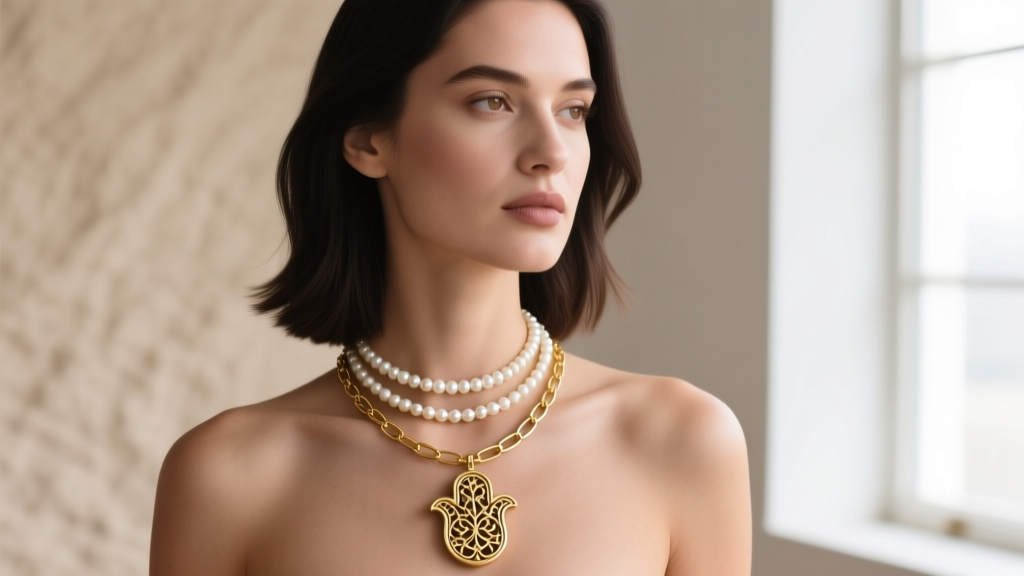
- The Layering Stack: To integrate your hamsa into a multi-chain stack, place it on a 20-inch chain so it rests below a 16-inch pearl choker and a 18-inch paperclip chain. This staggered drop prevents the pendants from tangling and ensures the hamsa remains the focal point.
Caring for Your Talisman
Because the hamsa is often worn as a daily protective shield, it is exposed to sweat, perfumes, and environmental pollutants. If your pendant features organic inlays like mother-of-pearl or porous stones like turquoise, never use chemical jewelry dips or ultrasonic cleaners, as the vibrations and acids can fracture the stone or dissolve the adhesive. Instead, wipe the metal gently with a dry, untreated jewelry polishing cloth. For solid gold pieces, a simple wash with warm water and a few drops of mild, phosphate-free dish soap, followed by a soft-bristle brush, will keep the intricate filigree work of the fingers free from trapped debris and skin oils.


