Is a Gold Wheat Chain Necklace Worth the Investment in 2026?
Evaluate the true cost and durability of a gold wheat chain necklace. We break down karat options, solid vs. hollow pricing, and value in 2026.

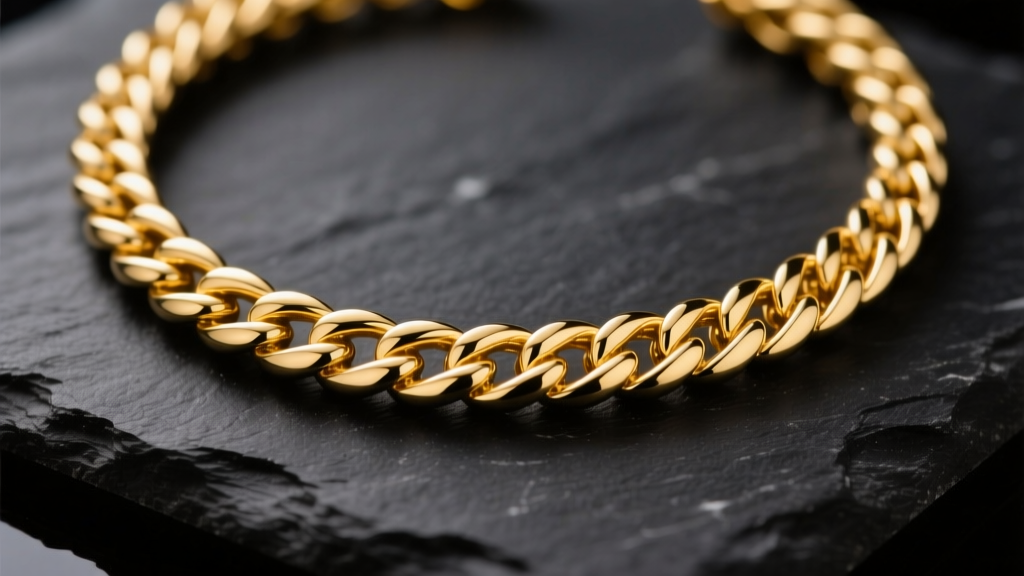
When navigating the fine jewelry market, few items command the blend of elegance, durability, and intricate craftsmanship quite like the gold wheat chain necklace. Often referred to by its Italian name, the spiga chain, this style is characterized by its woven, semi-rigid texture that mimics the stalk of a wheat plant. However, as gold prices continue to fluctuate and reach new heights in 2026, consumers are rightfully asking: is a gold wheat chain necklace truly worth the premium investment? The answer requires looking past the showroom lighting and deeply analyzing manufacturing techniques, karat purity, structural integrity, and long-term repair viability. In this comprehensive value assessment, we break down the exact metrics you need to evaluate before purchasing a wheat chain, ensuring your budget translates into lasting heirloom value rather than a fragile fashion mistake.
The Anatomy of a Wheat Chain: Why Construction Dictates Price
To understand the value proposition of a wheat chain, you must first understand how it is made. Unlike a standard cable chain, which consists of simple interlocking oval links, a true wheat chain is constructed using four distinct strands of twisted, oval links woven together in a single, continuous direction. This multi-strand weaving creates a dense, rope-like appearance with a subtle, multidirectional sparkle.
From a manufacturing standpoint, this complexity is the primary driver of cost. Weaving four strands of gold wire requires specialized machinery, higher labor oversight, and significantly more raw material per linear inch compared to a flat curb or box chain. Consequently, a solid gold wheat chain necklace will inherently carry a higher manufacturing premium (often referred to as the "maker's mark" or labor markup) than simpler chain styles. When evaluating a piece, you are paying for the structural density and the artisanal engineering that prevents the chain from easily kinking or tangling, a common failure point in lesser weaves.
Solid vs. Hollow Gold Wheat Chains: A Cost-Benefit Analysis
The single biggest trap in budget jewelry shopping is the hollow gold chain. To make heavy-looking chains affordable amidst rising gold spot prices, manufacturers utilize a process called electroforming or resin-core molding. This creates a chain that looks identical to a solid piece on the outside but is essentially a thin gold shell on the inside.
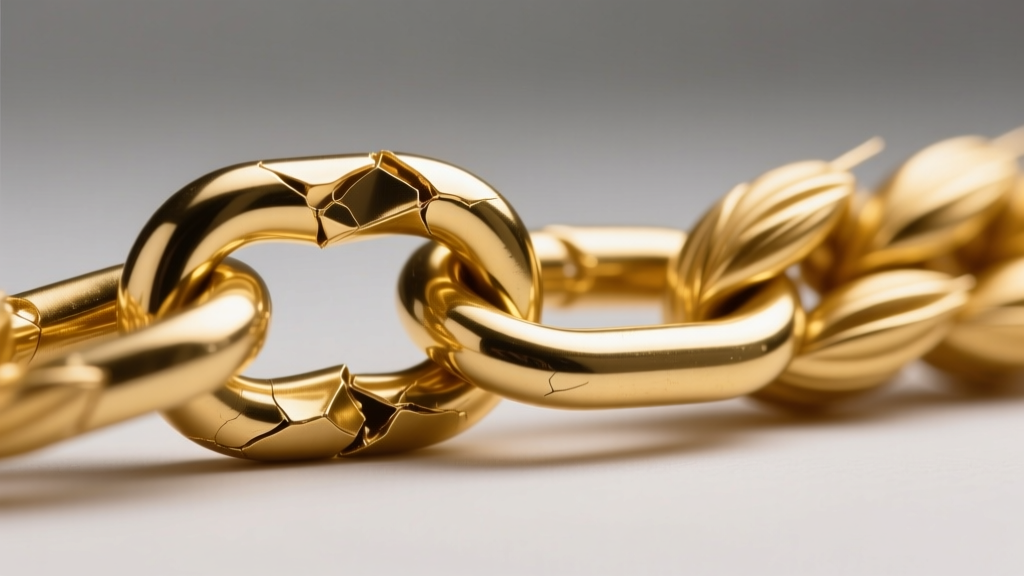
While a hollow gold wheat chain necklace might cost 40% to 60% less than its solid counterpart, the long-term value assessment is grim. Wheat chains rely on the tension and friction of their woven links to maintain their shape. When a hollow link is subjected to pressure—such as being slept on, snagged on clothing, or even squeezed too hard during clasping—the thin gold shell crushes inward.
"Once a hollow wheat chain link is crushed or kinked, it is virtually impossible to repair. Traditional soldering will melt the internal resin core, and laser welding cannot restore the collapsed structural integrity of the link."
From a strict value perspective, a hollow wheat chain is a depreciating consumable, whereas a solid wheat chain is a durable asset. If your budget only allows for a hollow chain, you are better off downsizing to a solid, thinner chain of a different style to ensure longevity.
Karat Breakdown: 10K, 14K, and 18K Pricing Tiers
Gold purity fundamentally alters both the price and the physical behavior of the necklace. According to the Gemological Institute of America (GIA), the alloy metals mixed with pure gold dictate the chain's tensile strength and color. As tracked by real-time market data from Kitco, the spot price of gold continues to influence retail premiums heavily in 2026.
- 10K Gold (41.7% Pure): The most budget-friendly and highly durable option. The high alloy content (usually copper and zinc) makes the links incredibly resistant to scratching and stretching. However, it lacks the rich, warm yellow hue desired by fine jewelry collectors.
- 14K Gold (58.3% Pure): The undisputed sweet spot for a gold wheat chain necklace. It offers an optimal balance of rich color, structural rigidity, and resale value. It is strong enough to hold a pendant but pure enough to retain intrinsic gold value.
- 18K Gold (75.0% Pure): A premium luxury tier. The high gold content yields a stunning, deep yellow color but results in a softer metal. An 18K wheat chain is more prone to micro-scratches and stretching over time if subjected to heavy daily wear.
2026 Market Pricing Matrix: 18-Inch Solid Wheat Chain (2.5mm Width)
| Karat Purity | Avg. Gram Weight | Est. Retail Price (2026) | Durability Score | Value Retention |
|---|---|---|---|---|
| 10K Solid | 4.2g | $320 - $380 | 9/10 | Moderate |
| 14K Solid | 4.8g | $480 - $560 | 8/10 | High |
| 18K Solid | 5.5g | $750 - $890 | 6/10 | Very High |
Note: Prices are estimates based on early 2026 retail averages and will fluctuate with daily gold spot markets and specific brand markups.
The Width-to-Weight Ratio: Spotting the Fakes
When shopping for a gold wheat chain necklace, especially on secondary markets or from online discounters, you must use the width-to-weight ratio to verify authenticity and solidity. Because the wheat weave is naturally dense, it requires a specific amount of gold to achieve a given width.
For example, a genuine, solid 14K wheat chain with a 3.0mm width and an 18-inch length should weigh approximately 6.5 to 7.5 grams. If you encounter a 3.0mm chain that weighs only 2.8 grams, you are looking at a hollow-manufactured piece or a gold-plated base metal. Always request the exact gram weight from the seller before purchasing. A reputable jeweler will have the piece on a calibrated digital scale and will provide this metric without hesitation. Refusal to provide gram weight is an immediate red flag indicating hidden structural compromises.
Hidden Value Killers: Clasps, Soldering, and Failure Points
The chain itself is only half the equation; the hardware dictates the ultimate security of your investment. Wheat chains are relatively heavy and possess a semi-rigid drape, meaning they exert consistent, localized tension on the clasp and the connecting jump rings.
The Clasp Hierarchy
Never accept a standard spring-ring clasp on a gold wheat chain necklace wider than 1.5mm. Spring rings are notorious for failing under the lateral torque exerted by a woven chain. The internal mechanism can easily snap, leading to the loss of the piece. Insist on a lobster claw clasp or, for chains over 4.0mm, a box clasp with a figure-eight safety latch. The lobster claw provides a secure, self-closing mechanism that can handle the weight and movement of the spiga weave without fatiguing.
The Jump Ring Vulnerability
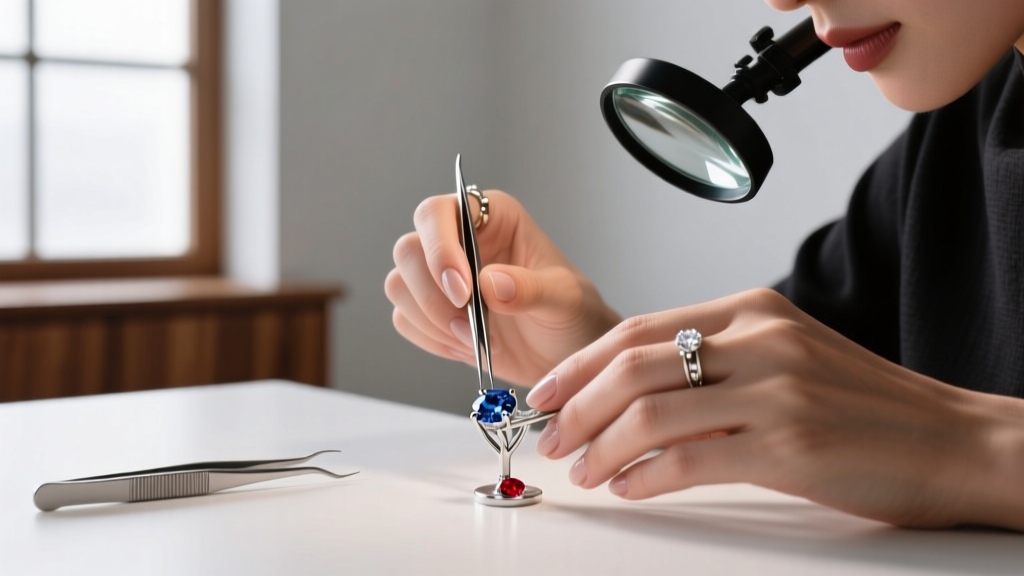
The jump ring is the small circular link that connects the chain to the clasp. On high-value wheat chains, this ring must be soldered closed. If the jump ring is merely pressed shut, the rigid nature of the wheat chain will eventually work the gap open through natural friction and movement, resulting in the chain slipping off. When inspecting a piece, use a jeweler's loupe to verify that the seam on the jump ring is seamlessly soldered, ensuring a permanent, fail-safe connection.
Final Verdict: How to Buy Smart in 2026
Is a gold wheat chain necklace worth the investment? Absolutely, provided you approach the purchase with a strict set of value criteria. The spiga weave offers unparalleled elegance and a satisfying, substantial drape that simpler chains cannot match. However, the intricate construction means there is no room for budget shortcuts.
To maximize your value in 2026, prioritize a solid 14K gold construction in a width between 2.0mm and 3.0mm. This specific configuration offers the perfect equilibrium of everyday durability, intrinsic gold value, and aesthetic presence. Avoid hollow chains entirely, demand soldered jump rings, and always verify the gram weight against the chain's width. By focusing on these structural and material realities rather than just the initial price tag, you secure a timeless piece of jewelry that will retain both its physical beauty and its financial value for decades to come.


