Catherine Paiz Cross Necklace: Materials, Sizing & Styling Guide
Analyze the Catherine Paiz cross necklace trend. We break down chain gauges, metal grades, pendant dimensions, and exact layering techniques.

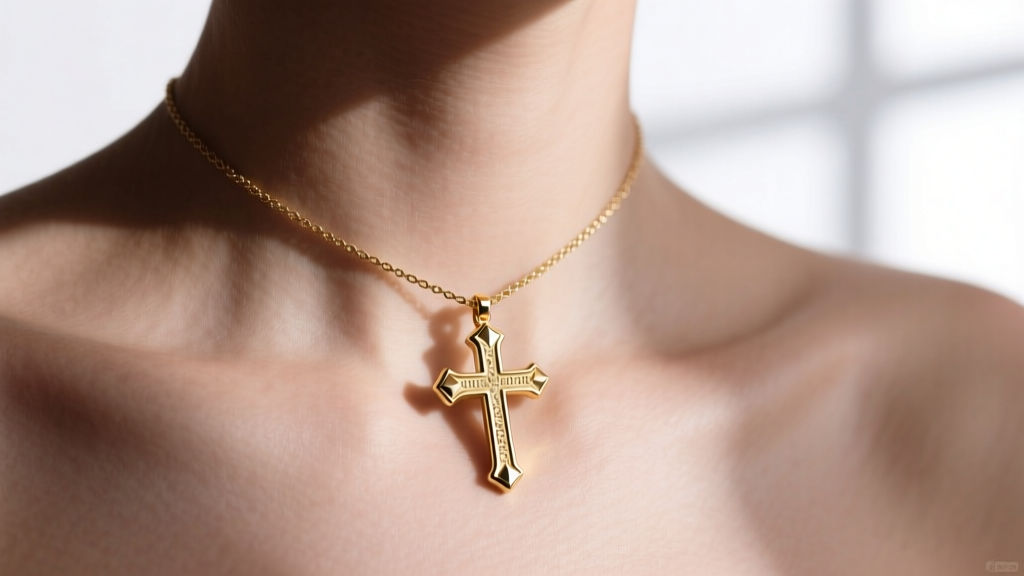
The Anatomy of the Catherine Paiz Cross Necklace
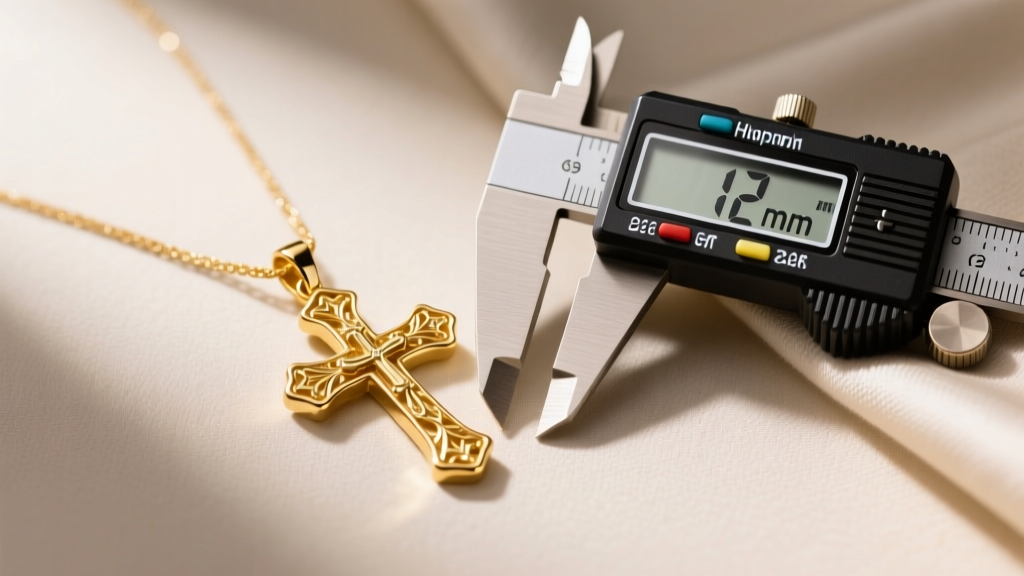
When analyzing the jewelry choices of prominent digital creators, the Catherine Paiz cross necklace stands out as a masterclass in modern, minimalist styling. Unlike the heavy, ornate religious jewelry of previous decades, the cross pendants popularized by Paiz and the broader influencer tier rely on high-contrast sparkle, elongated silhouettes, and barely-there chains. The typical aesthetic features a micro-pave or bezel-set cross pendant, usually measuring between 10mm in width and 15mm in height. This specific dimensional ratio ensures the piece is recognizable without overwhelming a layered stack. For jewelry enthusiasts and designers looking to replicate or understand this trend, it is essential to look past the visual appeal and examine the precise metallurgical and structural engineering that makes these pieces function flawlessly during high-motion, daily vlogging and lifestyle wear.
Chain Specifications: Gauge, Link Type, and Drape
The foundation of the Catherine Paiz cross necklace look is the chain. A heavy chain will ruin the delicate 'floating' illusion of the pendant. The industry standard for this specific aesthetic is a 1.0mm to 1.5mm cable or rolo chain. From a tensile perspective, a 1.2mm 14k gold cable chain offers approximately 4.5 pounds of tensile strength. This is more than sufficient to support a 2-gram micro-pave cross pendant while remaining thin enough to catch the light subtly.
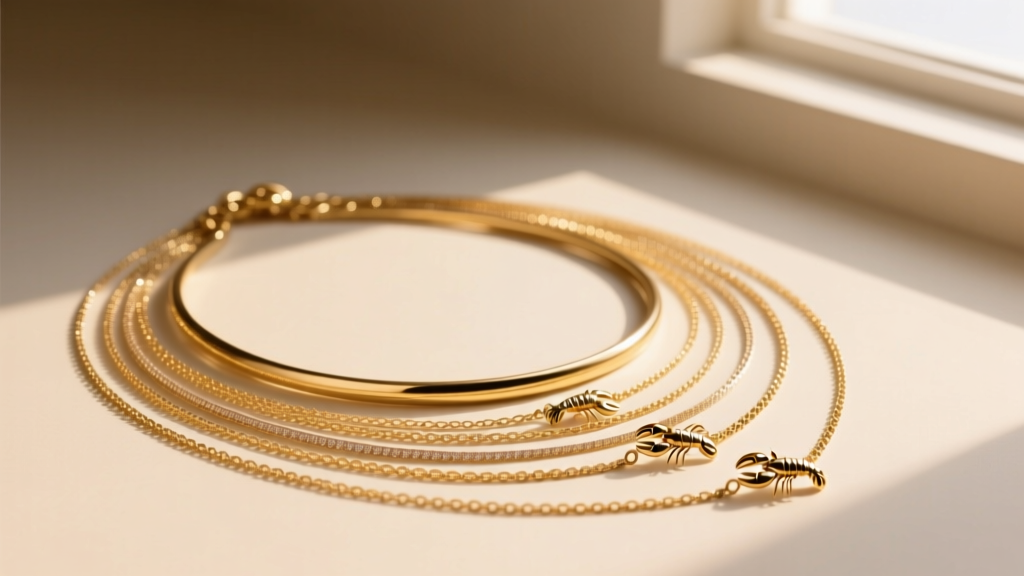
The link welding technique is equally critical. Mass-produced fast-fashion necklaces often use open jump rings that pull apart under minor stress. High-quality replicas and fine jewelry versions utilize laser-welded jump rings, particularly at the clasp and pendant bail connection points. The clasp itself is typically a 4mm or 5mm spring ring rather than a bulky lobster clasp, which would disrupt the visual continuity of the delicate chain at the nape of the neck. According to industry manufacturing standards documented by JCK (Jewelers Circular Keystone), the transition toward micro-spring rings has been driven entirely by the demand for invisible, seamless layering.
Pendant Metallurgy and Dimensional Analysis
The material composition of the cross pendant dictates not only its price point but its longevity against skin oils, cosmetics, and environmental factors. The market is currently saturated with three distinct tiers of metallurgy for this style. Understanding the Federal Trade Commission Jewelry Guides is crucial for consumers trying to decipher marketing terms like 'gold plated' versus 'gold vermeil'.
| Material Grade | Base Metal | Plating Thickness | Expected Lifespan (Daily Wear) | Price Range |
|---|---|---|---|---|
| PVD Stainless | 316L Surgical Steel | 0.3 - 0.5 microns (TiN) | 2-4 Years | $30 - $60 |
| 14k Vermeil | 925 Sterling Silver | 2.5+ microns (14k Au) | 1-2 Years | $80 - $150 |
| Solid 14k Gold | 14k Au Alloy (58.5%) | N/A (Solid throughout) | Lifetime | $400 - $800+ |
For the authentic Paiz aesthetic, 14k gold vermeil or solid 14k gold is preferred. PVD-coated stainless steel, while highly scratch-resistant due to the titanium nitride bonding process, often possesses a slightly cooler, less reflective luster that fails to capture the warm, buttery glow seen in high-definition video content. Furthermore, the 316L steel base limits the ability to easily resize or repair the chain via traditional jeweler's soldering techniques.
Micro-Pave Settings and Bail Engineering
The sparkle of the cross pendant is usually achieved through micro-pave settings utilizing 1.0mm to 1.3mm round brilliant-cut stones (either natural diamonds or high-grade cubic zirconia). The stones are held in place by micro-prongs or bead settings. A critical failure point in lower-tier replicas is the bail—the loop that connects the pendant to the chain. A standard 3mm x 5mm hidden bail is optimal, allowing the cross to lay completely flat against the sternum. If the bail is too large, the pendant will constantly flip; if it is too small, it will cause premature wear on the 1.2mm cable chain due to excessive friction.
Replicating the Layering Technique: Lengths and Clasp Hardware
The true signature of the Catherine Paiz cross necklace is rarely worn in isolation. It is almost exclusively deployed as the centerpiece of a three-layer cascade. Achieving this look requires precise mathematical spacing to prevent the chains from tangling. When chains of similar lengths rub against one another, the links act like tiny gears, catching and knotting. Jewelers of America frequently notes that chain friction is the leading cause of metal fatigue and breakage in layered necklaces.
To replicate the exact drape, adhere to the following layering framework:
- Layer 1 (The Choker): 15-inch chain with a 2-inch extender. Typically features a 2mm bezel-set diamond or a simple gold bead. Sits high on the clavicle.
- Layer 2 (The Focal Point): 18-inch chain. This is where the 10x15mm micro-pave cross necklace sits. The 3-inch drop from the first layer ensures independent movement and prevents tangling.
- Layer 3 (The Anchor): 22-inch to 24-inch chain. Usually reserved for a heavier pendant, such as a medallion, a larger elongated cross, or a lariat drop. This draws the eye vertically, elongating the neck.
Always utilize chains equipped with 2-inch extender chains. This allows for micro-adjustments based on the neckline of the garment, ensuring the 1.5-inch to 3-inch visual gap between pendants is maintained regardless of whether you are wearing a crew neck or a deep V-neck.
Maintenance and Tarnish Prevention for Daily Wear
Because the Catherine Paiz cross necklace aesthetic relies on high-clarity sparkle and pristine gold tones, maintenance is non-negotiable. Micro-pave settings are particularly vulnerable to accumulating sebum, lotions, and dead skin cells, which quickly dull the refractive index of the stones.
Avoid ultrasonic cleaners at all costs if your cross pendant features fracture-filled diamonds or if the gold vermeil plating is under 3.0 microns thick; the high-frequency vibrations can strip thin plating and loosen micro-prongs. Instead, utilize a chemical-free cleaning protocol: submerge the necklace in a bowl of warm water with two drops of mild, phosphate-free dish soap for five minutes. Gently agitate the cross pendant with a soft-bristled baby toothbrush, paying special attention to the gallery (the underside of the cross where dirt accumulates). Rinse with distilled water to prevent hard water spotting, and dry immediately with a microfiber cloth. Store the layered necklaces individually in anti-tarnish ziplock bags or on a multi-tier jewelry tree to maintain the structural integrity of the 1.2mm cable chains.
Conclusion
The Catherine Paiz cross necklace trend is far more than a fleeting internet aesthetic; it is a highly engineered approach to minimalist jewelry styling. By understanding the precise chain gauges, FTC-regulated metallurgy standards, and the physics of layered draping, you can curate a stack that not only mimics the visual appeal of top-tier influencers but also withstands the rigors of daily wear with structural integrity and lasting brilliance.


