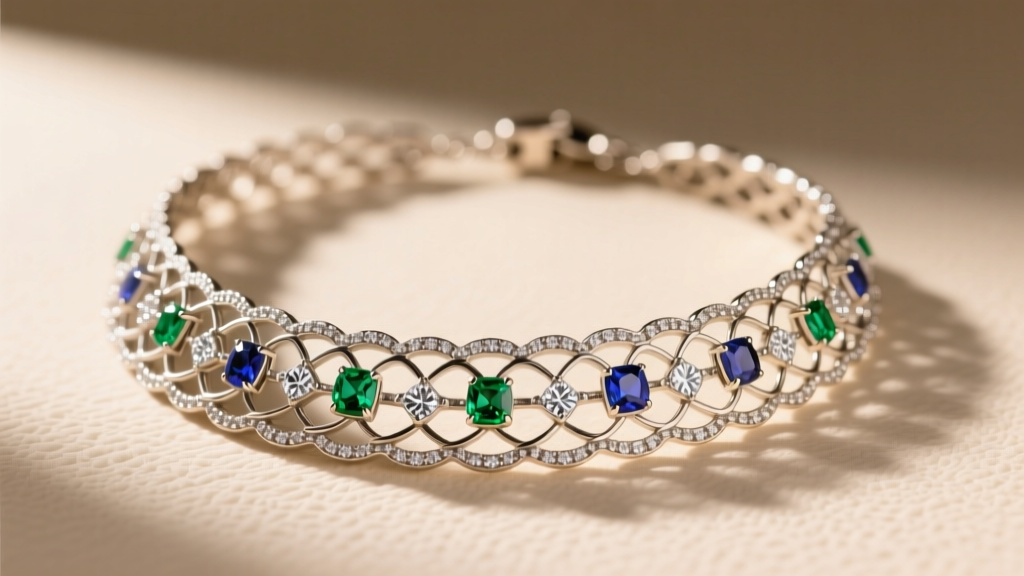
Baseball Players With Necklaces: 2026 Chain Value Assessment
Analyze the jewelry trends of baseball players with necklaces in 2026. Discover budget-friendly, sweat-resistant chains and material value.

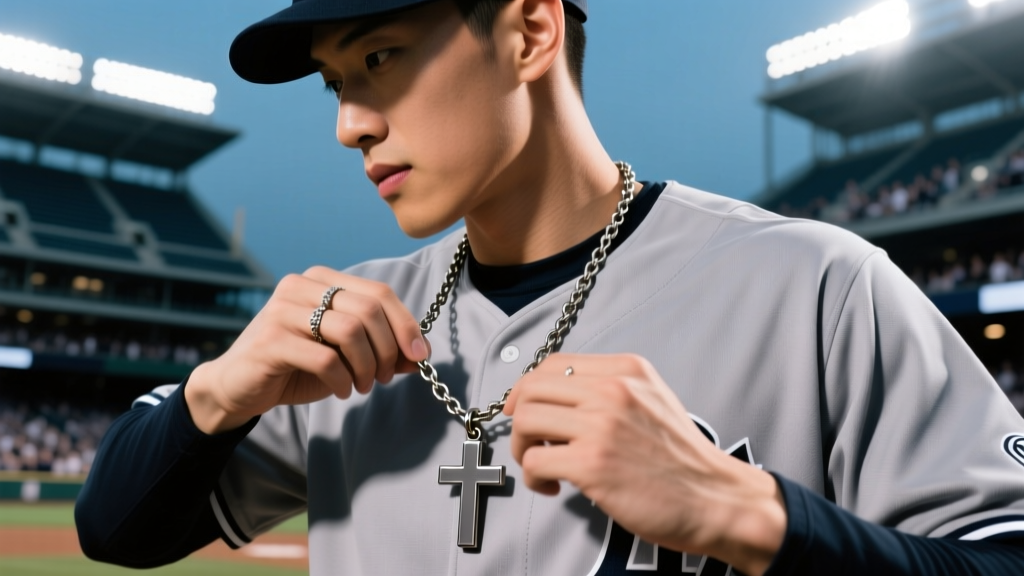
The Dugout Aesthetic: Why MLB Jewelry Trends Matter
When analyzing the style evolution of baseball players with necklaces, we are no longer just looking at flashy displays of wealth. In 2026, the on-deck circle has become a legitimate runway for functional, high-durability men's jewelry. The modern ballplayer requires accessories that can withstand nine innings of high-UV exposure, extreme humidity, and the highly acidic environment of human sweat. For the everyday consumer, this presents a unique budget and value assessment opportunity: how do you replicate the exact look of a major league slugger without spending $40,000 on solid gold chains that will inevitably degrade under similar conditions?
The search for the perfect athletic chain requires a deep understanding of metallurgy, gemology, and dynamic load-bearing mechanics. This guide breaks down the exact materials, chain profiles, and stone alternatives that professional athletes rely on, providing a civilian budget framework to achieve the same aesthetic with superior longevity.
Metallurgy Meets the Diamond: Sweat and Corrosion
The most common failure mode in athletic jewelry is galvanic corrosion. Human sweat contains lactic acid, urea, and chlorides. When you wear a standard 10k or 14k gold chain during intense physical activity, the copper and zinc alloys mixed with the gold react to these chlorides. Over a single season, a $2,500 solid gold chain can develop a dark, irreversible tarnish and suffer from micro-pitting on the surface links.
To combat this, the most financially savvy athletes and style-conscious fans are pivoting to advanced alternative metals that offer a superior cost-to-style ratio:
316L Surgical Stainless Steel
Containing 16-18% chromium and 2-3% molybdenum, 316L steel forms a passive oxide layer that is virtually impervious to sweat and chlorine. A high-quality 5mm to 8mm 316L Cuban link chain costs between $45 and $120. It provides the exact visual weight and drape of white gold but requires zero maintenance after a post-game shower.
Grade 23 Titanium (Ti-6Al-4V)
Often used in aerospace engineering, Grade 23 titanium is 40% lighter than steel and entirely hypoallergenic. For players who need to wear a pendant (like a cross or dog tag) without experiencing neck fatigue during a 4-hour game, titanium is the ultimate choice. Expect to pay $80 to $200 for a premium, machine-cut titanium rope chain.
Tungsten Carbide
Ranking at 8.5 to 9.0 on the Mohs hardness scale, tungsten will never scratch. However, its brittleness is a known failure mode; a direct impact from a rogue baseball or a bat swing can shatter a tungsten link. It is best reserved for pendants rather than full chain necklaces.
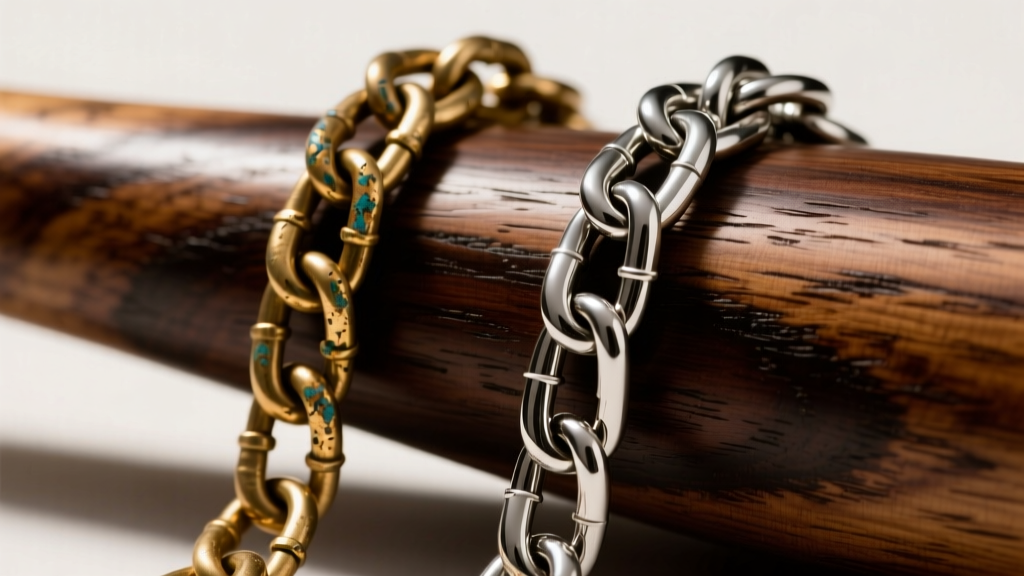
The Iced-Out Illusion: Stone Value Assessment
The visual of baseball players with necklaces often features heavy, diamond-encrusted pendants and tennis chains. However, natural diamonds are a poor financial allocation for athletic wear due to the risk of loss and the high cost of replacement. Furthermore, the prongs holding natural diamonds can loosen during dynamic movements like sliding into second base.
Here is how the 2026 market breaks down the 'iced' look for budget-conscious buyers:
- Cubic Zirconia (CZ): The cheapest option ($30-$80), but a terrible long-term value. CZ is porous and will absorb sweat and lotions, clouding permanently within 4 to 6 months of athletic wear.
- Moissanite: The undisputed champion of athletic bling. Composed of silicon carbide, moissanite has a higher refractive index than diamond (more 'fire') and passes standard thermal diamond testers. A fully iced-out 10mm moissanite tennis chain costs between $350 and $800, retaining its brilliance indefinitely despite heavy sweat exposure. According to the Gemological Institute of America (GIA), moissanite's durability and optical properties make it a premier diamond alternative for everyday wear.
- Lab-Grown Diamonds: Optically and chemically identical to mined diamonds, lab-grown stones offer a 60% discount. However, the metal settings (usually 10k or 14k gold) still pose the sweat-corrosion risk mentioned earlier.
Chain Profiles and Dynamic Load Mechanics
The silhouette of the chain is just as important as the material. The current trend among baseball players with necklaces favors layered setups that sit perfectly over a batting practice jersey or a casual off-day hoodie.
The 5mm Rope Chain (The Anchor)
Usually worn at a 20-inch or 22-inch length, the twisted links of a rope chain catch stadium lights beautifully. A 5mm width provides enough visual presence without feeling restrictive during a swing. Steel and titanium versions offer excellent tensile strength.
The 8mm to 10mm Cuban Link (The Statement)
The Cuban link lies flat against the chest, preventing it from tangling or flipping during athletic movement. The interlocking, diamond-cut facets maximize light reflection. When purchasing a Cuban link, always inspect the clasp. A standard lobster claw will snap under the 4oz dynamic load of a heavy 10mm chain during a sudden stop or slide. You must insist on a box clasp with a double safety latch, machined from the same 316L steel as the chain.
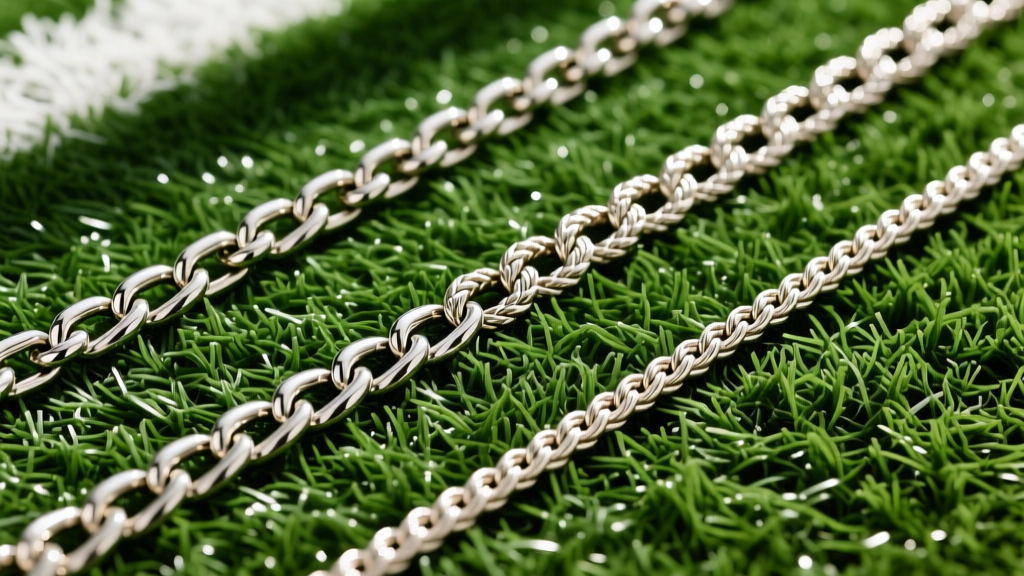
2026 Value Matrix: Where to Allocate Your Budget
To maximize your style-to-dollar ratio, use this matrix to determine where to save and where to invest when replicating professional athletic jewelry trends.
| Component | Budget Choice (Avoid) | Value Choice (Target) | Estimated Cost |
|---|---|---|---|
| Base Metal | Brass with Gold Plating | 316L Stainless Steel | $50 - $150 |
| Pendant Metal | Pewter or Zinc Alloy | Grade 23 Titanium | $60 - $120 |
| Stone Accent | Cubic Zirconia (CZ) | Lab Moissanite | $150 - $400 |
| Clasp Type | Spring Ring / Lobster | Box Clasp w/ Safety | Included / +$20 |
Industry experts at JCK Online have noted that the shift toward high-end alternative metals in sports jewelry is driven by athletes who want the visual weight of luxury without the anxiety of wearing a $50,000 asset in a high-contact, high-sweat environment.
Actionable Buying Framework for the Civilian Fan
You do not need a major league contract to master this aesthetic. Follow this three-step purchasing framework to build a durable, sweat-proof necklace stack:
- Start with the Base Layer: Purchase a 20-inch, 4mm 316L stainless steel Franco or Rope chain. This will sit closest to the collarbone and cost around $45. It serves as the tactile anchor.
- Add the Statement Piece: Invest in a 22-inch, 8mm Cuban link with a box clasp. Look for 'diamond-cut' links which are faceted with a CNC machine to reflect light like actual gemstones. Budget approximately $110.
- Finish with a Titanium Pendant: Add a matte-finished titanium cross or geometric pendant on a 24-inch blackened steel chain. The matte finish contrasts beautifully with the high-polish chains beneath it, mimicking the layered depth seen in the dugout.
Final Verdict: Durability is the Ultimate Flex
The era of delicate, high-karat gold chains in professional sports is fading, replaced by a pragmatic appreciation for advanced metallurgy and lab-grown optics. By understanding the exact material grades and mechanical requirements of athletic jewelry, you can build a necklace stack that looks indistinguishable from a pro athlete's collection on camera, but costs a fraction of the price and will survive years of daily wear, gym sessions, and summer heat without losing its shine.