18 vs 20 Inch Necklace: Which Length Should You Buy?
Discover the key differences in the 18 vs 20 inch necklace debate. Learn how to choose the perfect chain length for your neckline, pendants, and style.

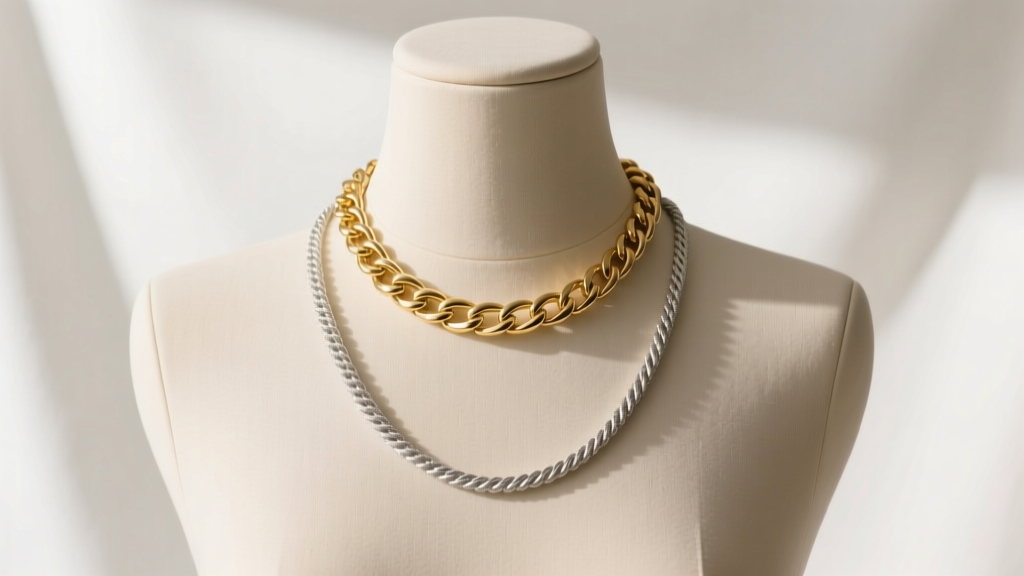
When shopping for a new chain, the difference between two inches might seem negligible on a ruler, but on the human body, it completely transforms the silhouette, drape, and styling potential of the jewelry. The 18 vs 20 inch necklace debate is one of the most common dilemmas for both first-time buyers and seasoned collectors. An 18-inch chain sits proudly on the collarbone, offering a classic, tailored look, while a 20-inch chain drops lower onto the upper chest, providing a relaxed, versatile drape that accommodates heavier pendants.
In this comprehensive guide, we break down the exact anatomy of these two standard lengths, how they interact with different necklines, and the crucial hardware specifications—like gauge width and clasp tensile strength—that you must consider before making your purchase.
The Anatomy of Chain Lengths: Where Do They Actually Fall?
To master necklace sizing, you must understand how standard lengths map to human anatomy. According to industry sizing standards documented by the GIA Gem Encyclopedia, chain lengths are measured from end to end, including the clasp. However, where that chain lands depends heavily on the wearer's height and neck circumference.
- The 18-Inch Chain (Princess Length): Measuring exactly 45.72 cm, this length is designed to rest directly on the collarbone (clavicle) for most women, or just below the Adam's apple for men. It frames the face and draws the eye upward.
- The 20-Inch Chain (Matinee / Lower Princess): Measuring 50.8 cm, this chain drops roughly two inches below the collarbone, resting on the upper sternum or chest. It creates a longer visual line, making it highly effective for layering or holding substantial pendants.
18 vs 20 Inch Necklace: A Direct Comparison Chart
Use this quick-reference table to determine which length aligns with your specific styling needs and physical proportions.
| Feature | 18-Inch Chain | 20-Inch Chain |
|---|---|---|
| Standard Placement | Collarbone / Base of neck | Upper chest / Sternum |
| Best For Pendants | Lightweight charms (under 5g) | Medium to heavy pendants (5g - 20g) |
| Ideal Chain Width | 1.0mm to 1.5mm | 1.5mm to 3.0mm |
| Layering Position | Base layer (closest to neck) | Secondary or middle layer |
| Neckline Pairing | Crew necks, scoop necks | V-necks, button-downs, turtlenecks |
How to Choose Based on Your Wardrobe and Necklines
The most critical factor in the 18 vs 20 inch necklace decision is your daily wardrobe. A chain that looks elegant with one neckline can look clumsy with another.
Crew Necks and Scoop Necks
If you frequently wear crew neck t-shirts or tight scoop necks, an 18-inch chain is usually the superior choice. It sits just above or directly on the fabric seam, creating a clean boundary between your clothing and your skin. A 20-inch chain worn with a tight crew neck often gets swallowed by the fabric or creates an awkward, bunched-up appearance against the collar.

V-Necks and Button-Down Shirts
For V-necks, open collars, and button-down shirts, the 20-inch length reigns supreme. A 20-inch chain mimics the geometric angle of a V-neck, drawing the eye down and elongating the torso. When wearing a button-down, a 20-inch chain can be tucked neatly inside the shirt for a subtle flash of metal, or worn over the fabric for a bold statement. As noted in the styling guides from Kay Jewelers, longer chains provide the necessary drape to interact properly with open collarbones and lapels.
The Gauge and Pendant Weight Factor
Beginners often focus solely on length, ignoring chain width (gauge) and tensile strength. This is a costly mistake. The physics of jewelry dictate that longer chains require thicker gauges to maintain structural integrity and visual balance.
Expert Rule of Thumb: Never hang a heavy pendant on a long, ultra-thin chain. The friction and swinging motion will cause the metal to stretch, kink, or snap at the jump ring.
If you opt for an 18-inch chain, a delicate 1.0mm box chain or cable chain is perfectly proportioned. However, if you stretch that same 1.0mm width to 20 inches, the chain becomes highly prone to tangling and knotting due to the increased surface area and movement.
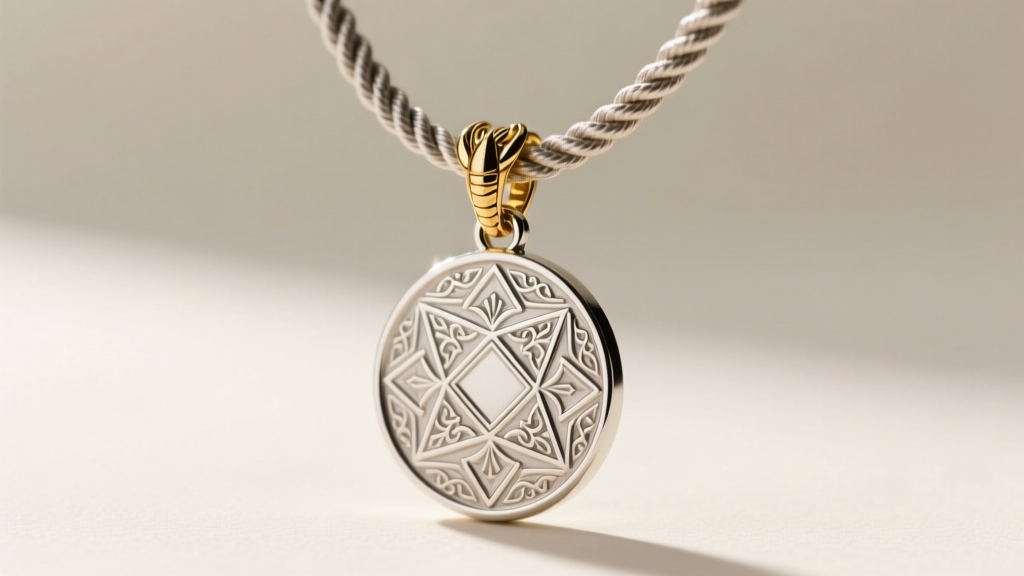
For a 20-inch necklace, especially if you plan to add a pendant weighing more than 8 grams, you should upgrade to a 2.0mm to 3.0mm rope, figaro, or Cuban link chain. Furthermore, pay strict attention to the clasp. A standard 4mm spring ring clasp is sufficient for an 18-inch, 1mm chain. But a 20-inch chain bearing a heavy medallion requires a minimum 5mm or 7mm lobster clasp to prevent the lever from failing under dynamic stress.
Neck Size and Body Proportions: The Overlooked Metrics
Jewelry manufacturers design standard lengths based on an average neck circumference of 14 to 15 inches. If your neck circumference falls outside this range, the 18 vs 20 inch necklace comparison shifts dramatically.
- Larger Neck Circumferences (16+ inches): An 18-inch chain will sit much higher, effectively functioning as a choker or collar. In this case, a 20-inch chain is necessary to achieve the standard collarbone drape. Always measure your neck with a soft tailor's tape and add 2 to 4 inches to determine your true minimum chain length.
- Petite Frames: On individuals under 5'4", a 20-inch chain may drop too low, crossing into the matinee territory and interfering with bustlines. An 18-inch chain will provide the intended princess-length silhouette.
Expert Troubleshooting: Common Sizing Mistakes
Even after selecting the right length, wearers frequently encounter functional issues. Here is how to troubleshoot the most common complaints associated with these specific lengths:
The Hair Snag Dilemma
Wearers with long hair often find that 18-inch chains cause severe tangling at the nape of the neck. This is especially true for box chains and herringbone chains, which have microscopic gaps that catch hair cuticles. If you wear your hair down frequently, a 20-inch chain bypasses the hairline at the back of the neck entirely, drastically reducing snagging and breakage.
The Extender Chain Compromise
If you remain paralyzed by the choice between 18 and 20 inches, look for chains that feature a 2-inch extender. An 18-inch chain with a 2-inch extender gives you the physical versatility of both lengths. Ensure the extender is made of the same metal grade (e.g., 14k gold or 925 sterling silver) as the main chain to prevent uneven tarnishing and galvanic corrosion where the metals meet.
Final Verdict: Which Should You Choose?
There is no universally superior length; the right choice depends entirely on your anatomical proportions and styling intentions. Choose the 18-inch necklace if you want a classic, face-framing piece that sits securely on the collarbone, pairs well with crew necks, and accommodates lightweight, minimalist charms. Choose the 20-inch necklace if you prefer a relaxed drape, frequently wear V-necks or open collars, possess a larger neck circumference, or need a structurally sound foundation for heavier, statement-making pendants. By matching the length to your wardrobe and the gauge to your pendant's weight, you will ensure your necklace remains a staple in your rotation for years to come.


