Black Bow Necklace Troubleshooting: Cleaning & Repairs
Learn how to clean, fix slipping ribbons, and repair your black bow necklace. Expert troubleshooting for velvet, enamel, and onyx bow styles.

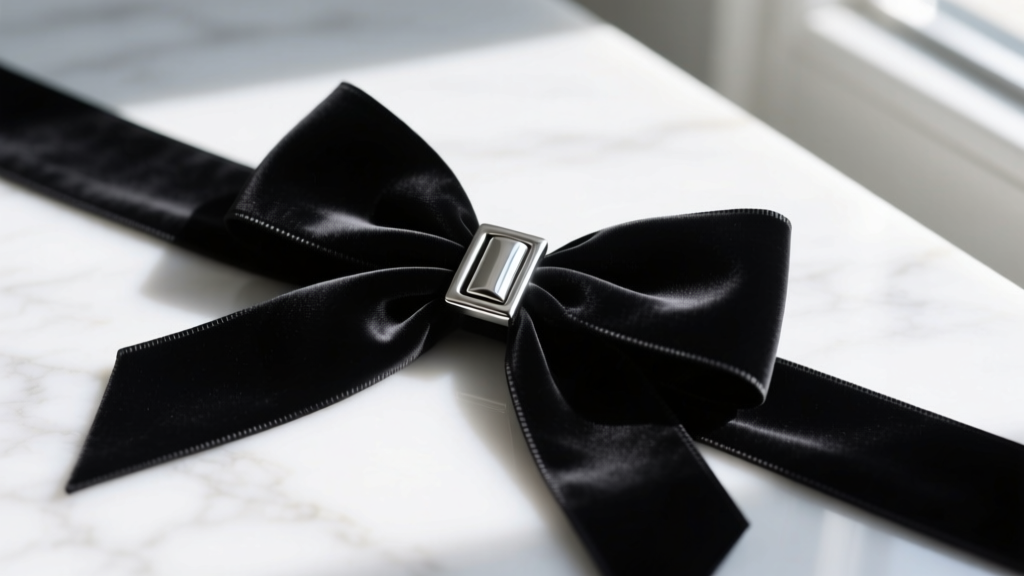
The black bow necklace is a staple of both gothic romance and modern minimalist-chic wardrobes. Whether your piece features a delicate black velvet ribbon, a structured black rhodium-plated metal bow, or a black onyx gemstone pendant, it requires highly specific care. Unlike standard gold or silver chains, the dark finishes and delicate textiles used in these designs are notoriously prone to unique failure modes. As of 2026, jewelers see a high volume of ruined black-plated metals and frayed ribbons simply because owners use traditional jewelry cleaning methods that strip dark patinas and stain fabrics.
This comprehensive troubleshooting guide will help you diagnose material-specific damage, secure slipping knots, and safely clean your black bow necklace without destroying its delicate finishes.
Diagnosing Material-Specific Damage
Before attempting any repair, you must correctly identify the materials used in your black bow necklace. The term encompasses three entirely different jewelry categories, each with distinct vulnerabilities. Use the diagnostic table below to identify your necklace type and its most common failure points.
| Material Type | Common Construction | Primary Failure Modes | Avoid At All Costs |
|---|---|---|---|
| Textile (Velvet/Silk) | 3mm-7mm ribbon, metal slide clasp | Fraying edges, water spots, knot slipping, loss of pile stiffness | Ultrasonic cleaners, liquid silver dips, excessive heat |
| Dark Plated Metal | Black rhodium or ruthenium over brass/silver | Plating wear on high-friction edges, micro-scratches, oxidation underneath | Polishing cloths, abrasive pastes, chemical dip cleaners |
| Black Gemstone | Black onyx or black diamond in prong/bezel settings | Dullness from skin oils, loose prongs from impact, chipped girdles | Steam cleaners (for fracture-filled onyx), harsh acids |
Troubleshooting Slipping Ribbons and Bow Knots
One of the most frustrating issues with a textile-based black bow necklace is a center knot that constantly loosens, causing the bow to lose its shape. This happens because silk and synthetic velvet have low surface friction, and standard square knots will naturally glide apart under the tension of the neck.
The Jeweler's Knot and Adhesive Method
To permanently fix a slipping bow without ruining the ribbon, you need to combine a specific knotting technique with a precision jewelry adhesive. Do not use cyanoacrylate (Super Glue), as it will cure into a hard, white, brittle crust that ruins the fabric drape.
- Retie the Bow: Use a surgeon's knot (a square knot with an extra twist on the first throw) rather than a standard square knot. This creates immediate internal friction.
- Select the Right Adhesive: Use GS Hypo Cement or a similar precision-tip flexible jewelry glue. These adhesives dry clear, remain slightly flexible, and feature a micro-needle tip that prevents bleed-out.
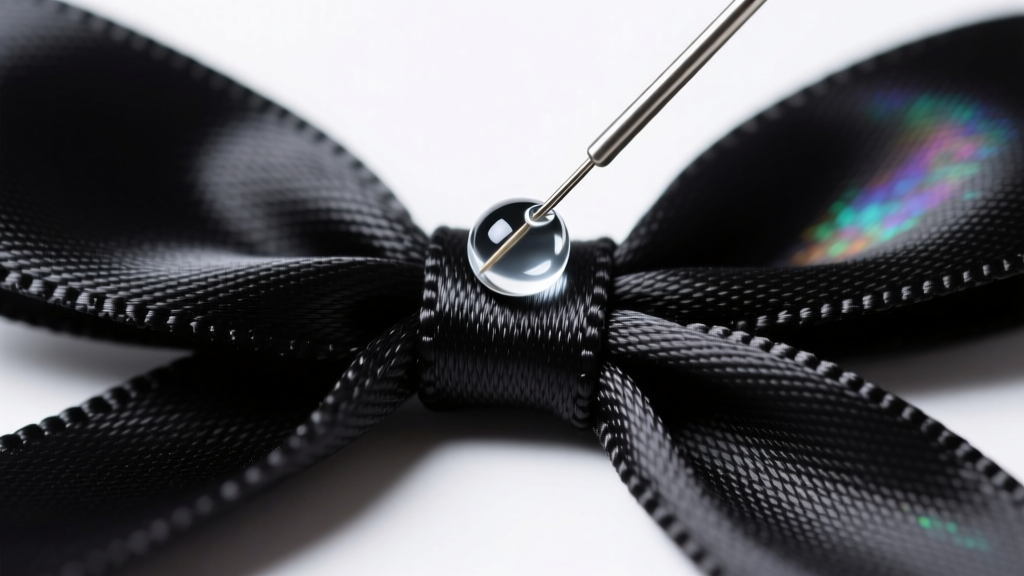
- Apply Micro-Drops: Insert the needle tip directly into the center crevice of the knot. Apply exactly two micro-drops. Capillary action will pull the glue into the knot's core.
- Cure Time: Lay the necklace flat on a piece of wax paper for 24 hours. Do not hang it, as gravity will pull the wet glue downward, potentially staining the ribbon tails.
Cleaning Black Finishes Without Stripping Them
The most catastrophic mistakes happen when owners attempt to clean the metal components of a black bow necklace. Black rhodium and black ruthenium plating are incredibly thin—typically ranging from just 0.5 to 1.5 microns. Furthermore, black plating is often achieved through surface oxidation or specialized alloys that sit on the very top layer of the metal.
Why Standard Cleaners Destroy Black Plating
Traditional silver polishing cloths are impregnated with micro-abrasives designed to remove tarnish (silver sulfide). Because black rhodium is an intentional dark surface treatment, a polishing cloth will literally wipe the black finish off, revealing the bright silver or brass underneath. Similarly, liquid silver dips contain thiourea and acids that will instantly strip black ruthenium plating.
The Safe Cleaning Protocol for Dark Metals
According to guidelines from the Jewelers of America, plated and oxidized jewelry requires strictly pH-neutral, non-abrasive cleaning methods. Follow this exact protocol:
- The Solution: Mix 1 cup of distilled water with exactly one drop of pH-neutral, dye-free dish soap (like clear Dawn Free & Clear).
- The Tool: Use a brand-new, ultra-soft baby toothbrush or a dedicated makeup blending sponge. Never use a standard jewelry brush, as the bristles are often too stiff for dark plating.
- The Technique: Dip the brush, shake off excess water (you want it damp, not dripping), and gently sweep over the metal bow. Avoid scrubbing the high-relief edges where plating is naturally thinnest.
- The Rinse: Quickly pass the piece under a gentle stream of lukewarm distilled water. Tap water contains chlorine and minerals that can leave permanent cloudy spots on dark metals.
- The Dry:Pat dry immediately with a lint-free microfiber cloth. Do not rub.
Restoring Frayed Velvet and Silk Bows
Velvet and silk ribbons are highly susceptible to environmental damage. Perfume, hairspray, and natural skin oils can cause the pile of a velvet ribbon to mat down, while friction from clothing can cause the edges to fray and unravel.
Reviving Matted Velvet Pile
If the loops of your black velvet bow look crushed or flat, do not attempt to iron them. Direct heat will melt synthetic velvet fibers and scorch natural silk. Instead, use a localized steam technique.
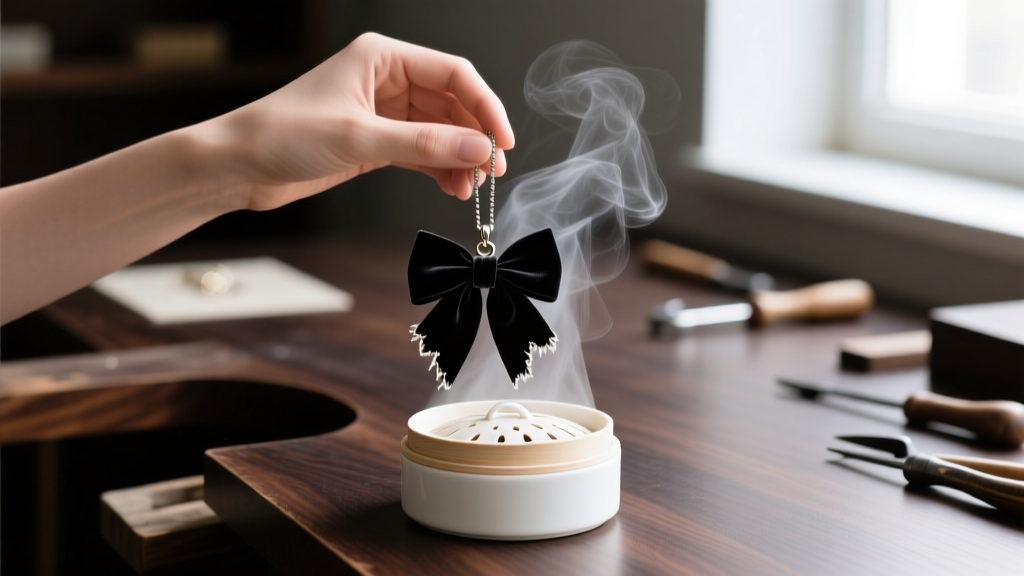
Hold the matted section of the bow about four inches above a gentle garment steamer or the spout of a boiling kettle for 10 to 15 seconds. The moisture will relax the fibers. Immediately use a soft-bristled suede brush or a clean, dry toothbrush to gently brush the velvet pile in its natural direction. Allow it to air dry completely before storing.
When to Replace the Ribbon
If the edges of the ribbon are fraying extensively, or if water spots have permanently stained the silk, it is time for a replacement. You can easily re-thread a new ribbon through the existing metal slide clasp or bail. When sourcing replacement ribbon, look for double-faced silk or crushed velvet in widths between 3mm and 5mm. Double-faced ribbon is crucial because it ensures both sides of the bow look identical, preventing the dull, woven underside from showing when the bow naturally flips during wear.
Hardware and Clasp Failures on Delicate Chains
For black bow necklaces that feature a solid metal bow on a delicate black-plated chain, the connection points (jump rings and clasps) are frequent failure zones. The dark plating makes the metal slightly more brittle, and the lightweight chains (often 0.8mm to 1.2mm cable or curb chains) snap easily under tension.
The Soldering Dilemma
If your black-plated chain breaks, you cannot take it to a standard jeweler for a traditional torch solder. The heat required to melt the solder (usually between 1100°F and 1300°F for silver) will instantly burn off the black rhodium or ruthenium plating in a one-inch radius around the break, leaving a bright, unrepairable spot.
The Solution: You must seek a jeweler equipped with a laser welder. Laser welding uses highly focused, microscopic bursts of light to fuse metal in a fraction of a second. The heat-affected zone is so small that it leaves the surrounding black plating completely intact. Alternatively, if the break is near the clasp, a jeweler can simply cut away the damaged section and attach a new, pre-plated black jump ring using cold-connection pliers, avoiding heat entirely.
Upgrading the Clasp
Many black bow necklaces come with standard spring-ring clasps, which are difficult to operate and prone to internal spring failure. If your clasp is failing, upgrade to a 5mm or 6mm black-plated lobster clasp. Ensure the jeweler uses a plating-safe jump ring to attach it, preserving the seamless dark aesthetic of the piece.
Long-Term Storage and Maintenance
Proper storage is the ultimate troubleshooting preventative. Black onyx and black diamonds are relatively hard (7 to 10 on the Mohs scale), but the metal settings and textile ribbons are not. The Gemological Institute of America (GIA) notes that while black onyx is durable, it can still be scratched by harder gems if stored improperly.
Always store your black bow necklace flat in a dedicated, acid-free tissue-lined jewelry box. Never hang velvet or silk ribbon necklaces on a jewelry tree; the constant downward pull of gravity will stretch the fibers and weaken the center knot over time. Keep the piece away from direct sunlight, which can cause black silk to fade to a dusty brown and accelerate the oxidation of underlying base metals. By following these targeted troubleshooting steps, your black bow necklace will maintain its dark, dramatic elegance for years to come.


