How to Clean and Maintain a Fish Hook Necklace Clasp
Learn expert tips to clean, polish, and maintain your fish hook necklace clasp to prevent metal fatigue, bending, and tarnish buildup.

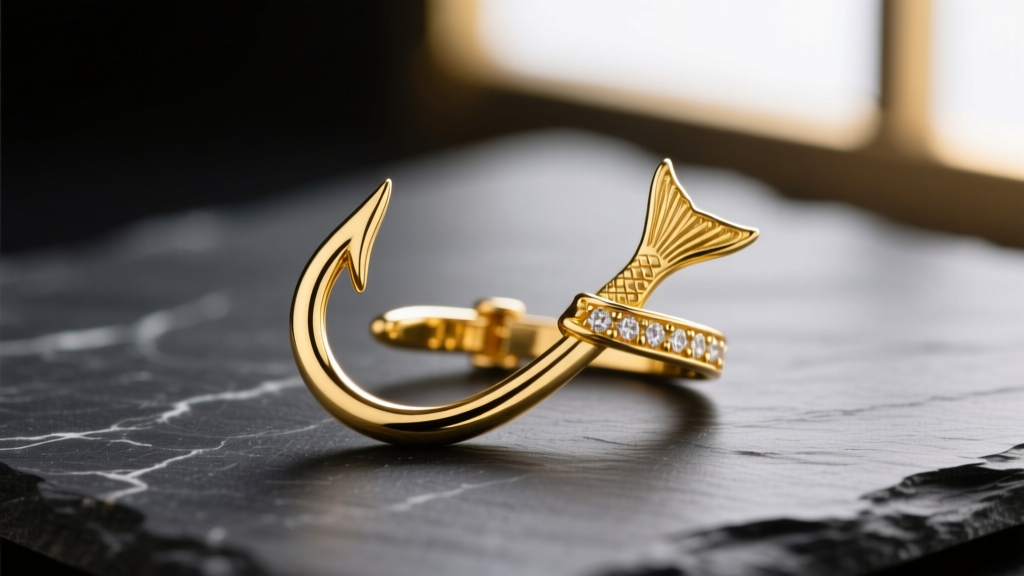
The Anatomy and Metallurgy of a Fish Hook Necklace Clasp
Unlike mechanical fasteners such as lobster claws or spring rings, a fish hook necklace clasp—often referred to as a shepherd’s hook or S-hook—relies entirely on the metallurgical concept of wire temper and structural tension to stay closed. Because it lacks an internal spring mechanism, the security of your necklace depends on the precise curvature of the metal wire and its ability to resist plastic deformation. When properly maintained, these clasps offer a seamless, minimalist aesthetic that is highly prized in fine jewelry. However, their open design makes them uniquely vulnerable to environmental tarnish, cosmetic buildup, and accidental stretching.
Most premium fish hook clasps are crafted from 18-gauge (1.0mm) or 20-gauge (0.8mm) wire, tempered to a "half-hard" state. This specific temper allows the wire to be rigid enough to hold its C-curve or S-curve shape under the weight of a pendant, yet malleable enough to be pushed over a jump ring. Understanding this delicate balance is the first step in learning how to properly clean and maintain your jewelry without compromising the clasp's structural integrity.
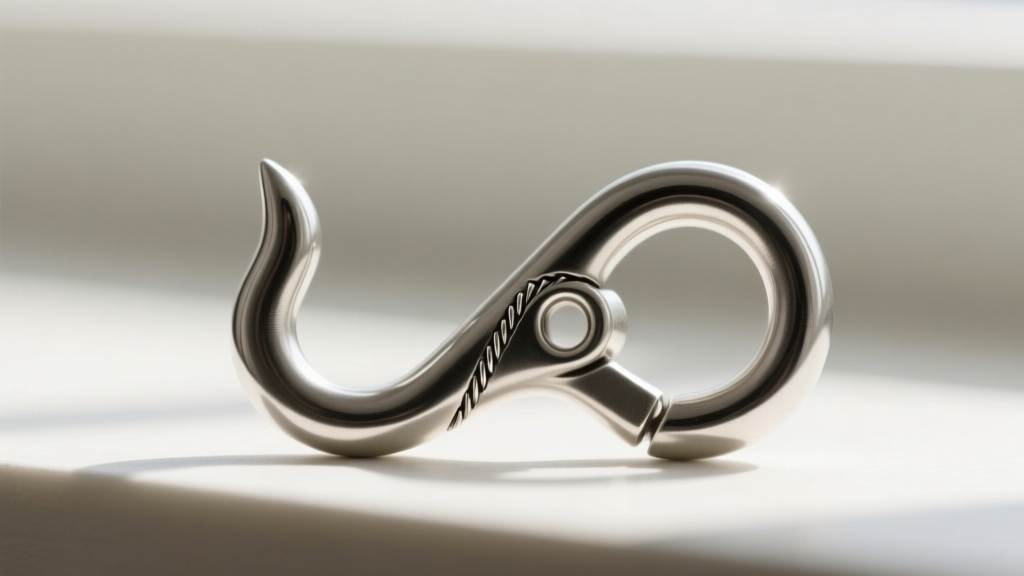
Step-by-Step Cleaning Guide for Hook Clasps
Tarnish and sebum buildup frequently accumulate in the tight crevices of the hook's eyelet and the inner curve where it meets the jump ring. If left uncleaned, this grime can act as an abrasive, slowly wearing down the metal at the friction points. According to the Gemological Institute of America (GIA), regular, gentle cleaning is paramount for preserving both the finish and the structural temper of tension-based clasps.
The Danger of Ultrasonic Cleaners
While ultrasonic cleaners are excellent for removing dirt from diamond settings, they are a common enemy of the fish hook necklace clasp. The high-frequency acoustic cavitation bubbles can cause microscopic vibrations that may alter the temper of the wire over time, leading to a loss of tension. Furthermore, if the eyelet of the hook is soldered, prolonged ultrasonic exposure can weaken the solder joint, resulting in catastrophic failure. Always opt for manual cleaning methods for tension-based wire clasps.
Safe Cleaning Solutions by Metal Type
Different metals react differently to chemical cleaners. Below is a decision matrix for safely cleaning your hook clasp based on its material composition:
| Metal Type | Recommended Cleaner | Soak Time | Ultrasonic Safe? |
|---|---|---|---|
| Sterling Silver (925) | Mild dish soap & lukewarm water | 3-5 Minutes | No (Risk of temper loss) |
| 14k / 18k Yellow Gold | Ammonia-free jewelry foam | 1-2 Minutes | Yes (with caution) |
| Platinum | Mild dish soap & soft brush | 5 Minutes | Yes |
| Brass / Copper | Lemon juice & baking soda paste | Do not soak | No |
For daily maintenance, use a soft-bristled baby toothbrush to gently agitate the soapy water around the eyelet loop and the inner curve of the hook. Rinse thoroughly with distilled water to prevent hard water spots, and dry immediately with a lint-free microfiber cloth.
Preventing Metal Fatigue and Tension Loss
The most frequent point of failure for a fish hook necklace clasp is the loss of its original curvature. Every time you open and close the clasp, you are slightly flexing the metal. Over hundreds of cycles, this leads to work-hardening and eventual metal fatigue. To minimize this, always open the clasp by pushing the wire laterally to the side, rather than pulling it outward, which expands the overall diameter of the hook and permanently stretches the wire.
Expert Insight: Never use liquid "silver dip" polishes containing thiourea on a fish hook clasp. These harsh chemicals strip away the oxidized patina that naturally adds microscopic friction to the wire, making it more slippery and prone to sliding out of the jump ring. They can also cause hydrogen embrittlement in certain karat gold alloys if not neutralized properly.
The "Pinch and Squeeze" Realignment Technique
If your hook has stretched and no longer securely holds the jump ring, it can often be realigned at home. You will need a pair of nylon-jaw pliers. Never use standard steel jewelry pliers, as the hardened steel teeth will gouge and mar the precious metal finish.
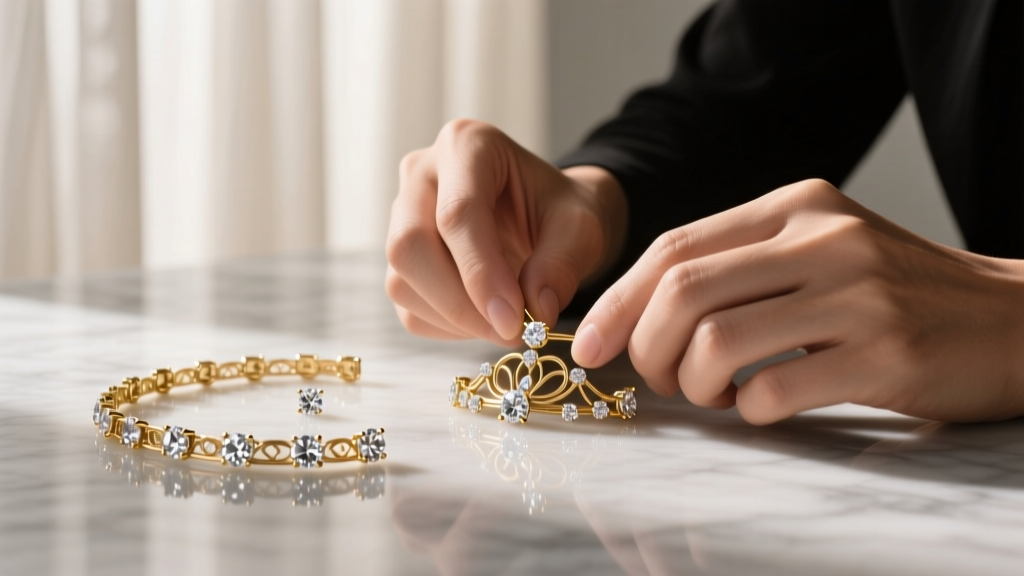
Grip the straight shaft of the hook with the nylon pliers and apply very gentle, incremental pressure to bend the wire back into its original C-shape. Work in millimeter increments. If you over-bend the wire and have to bend it back the other way, you risk snapping the clasp entirely due to work-hardening. As noted by jewelry manufacturing experts at Jewelers of America, recognizing the limits of metal manipulation is key to preventing irreversible damage to fine jewelry components.
Environmental Factors and Chemical Exposure
The environment in which you wear your necklace drastically impacts the lifespan of the clasp. Chlorine from swimming pools and hot tubs is particularly destructive. It reacts with the alloy metals in 14k and 18k gold (such as copper and zinc), causing stress corrosion cracking. Because the fish hook necklace clasp is already under constant physical tension, exposure to chlorinated water can cause the wire to spontaneously snap at the point of highest stress—usually the base of the eyelet loop.
Similarly, cosmetics, perfumes, and aerosol hairsprays leave a sticky residue that attracts abrasive dust particles. When these particles lodge between the hook and the jump ring, they act like sandpaper, slowly grinding away the metal gauge. Always adhere to the "last on, first off" rule: put your necklace on after applying cosmetics, and remove it before showering or applying skincare.
When to Retire or Replace Your Fish Hook Clasp
While proper care can extend the life of your jewelry indefinitely, wire clasps are ultimately consumable components. You should consult a professional bench jeweler to replace your fish hook necklace clasp if you observe any of the following warning signs:
- Visible Thinning: If the wire at the apex of the curve appears visibly thinner than the rest of the shaft, it has suffered from abrasive wear and is at imminent risk of snapping.
- Micro-Fractures: Inspect the soldered joint where the eyelet meets the hook under a jeweler's loupe. Any visible cracking or separation means the structural integrity is compromised.
- Inability to Hold Temper: If you successfully reshape the hook with nylon pliers, but it stretches back out after just a few days of wear, the metal has completely lost its half-hard temper and must be replaced.
By understanding the unique mechanical properties of the fish hook necklace clasp and adhering to a strict, chemical-conscious cleaning regimen, you can ensure that your favorite necklaces remain secure, polished, and structurally sound for decades to come.


