Beaded Snake Necklace Buying Guide: What to Look For in 2026
Discover how to choose the perfect beaded snake necklace in 2026. Expert tips on bead materials, stringing durability, clasps, and pricing.

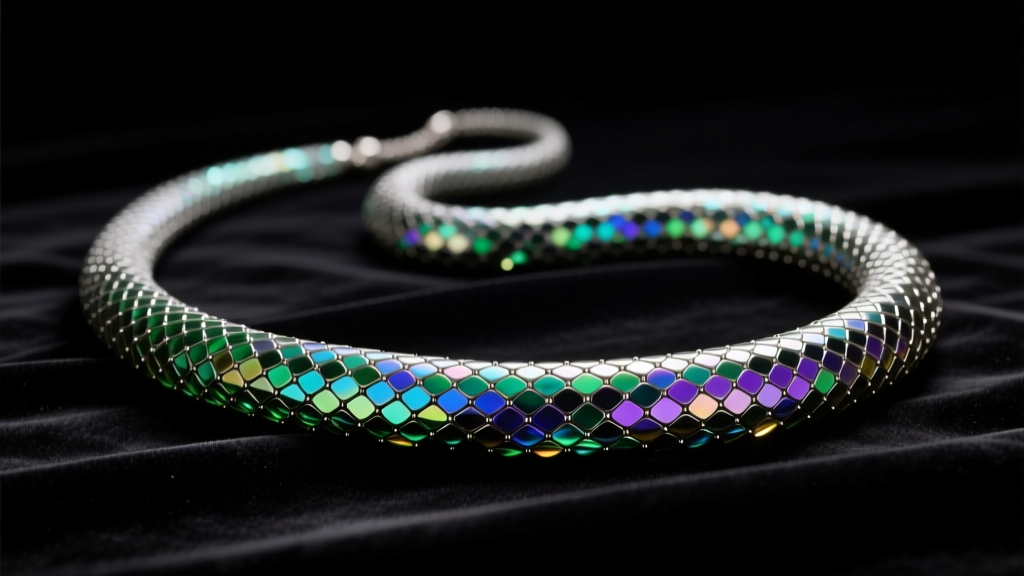
The beaded snake necklace is a masterclass in illusion and craftsmanship. Unlike solid metal serpentine chains, a beaded snake necklace relies on the meticulous arrangement of individual beads—often seed beads, glass, or carved gemstones—to mimic the fluid, undulating movement and scaled texture of a living reptile. In 2026, the market has seen a massive resurgence in artisanal beadwork, driven by a consumer shift away from mass-produced fast fashion toward highly tactile, statement-making jewelry. However, not all beaded snake necklaces are created equal. The difference between a stunning heirloom piece and a frustrating, easily broken accessory lies entirely in the structural engineering hidden beneath the beads.
The Anatomy of a Beaded Snake Necklace
To evaluate quality, you must first understand the construction method. There are two primary techniques used to create the "snake" illusion:
- Strung Scales: Individual beads (often glass drops or carved stone) are strung onto a flexible wire in a staggered, overlapping pattern. This creates a heavy, highly fluid drape but relies entirely on the wire's integrity.
- Tubular Peyote Stitch: A woven technique where tiny cylinder beads (like Miyuki Delicas) are interlocked to form a hollow, flexible tube. The beadwork itself provides the structure, allowing for intricate, geometric scale patterns that solid wire cannot achieve.
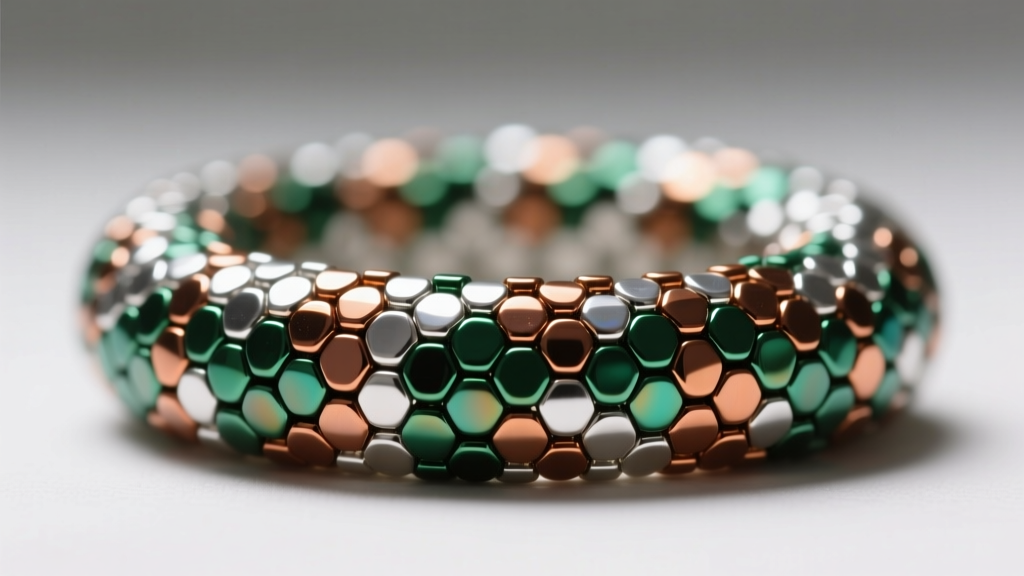
Bead Materials: Glass, Gemstone, or Metal?
The material of the "scales" dictates the necklace's weight, drape, and price point. When shopping, inspect the beads for uniformity. Inconsistent bead sizing will cause the necklace to bunch or twist unnaturally.
| Material | Characteristics | Drape & Weight | Typical Price Range |
|---|---|---|---|
| Czech Glass | Fire-polished, highly reflective, available in hundreds of colors. | Medium weight, excellent fluid drape. | $45 - $120 |
| Miyuki Seed Beads | Uniform cylinder beads used in woven tubular peyote stitch. | Lightweight, flexible, fabric-like drape. | $80 - $250 (Artisan) |
| Carved Gemstone | Onyx, jade, or turquoise carved into overlapping scale shapes. | Heavy, stiff, requires robust stringing. | $150 - $500+ |
| Metal Alloy | Mass-produced brass or pewter beads plated in gold or silver. | Medium-heavy, prone to tangling. | $20 - $60 |
Gemstone Treatments to Watch For
If you are investing in a carved gemstone beaded snake necklace, be wary of undisclosed treatments. According to the Gemological Institute of America (GIA), stones like turquoise and jade are frequently dyed or polymer-impregnated to enhance color. While stabilized turquoise is standard for jewelry, heavily dyed jade can bleed onto your skin or clothing when exposed to sweat and perfumes. Always ask the seller if the gemstone beads are natural, dyed, or reconstituted.
Stringing and Construction: The Hidden Failure Points
The most common point of failure in any beaded necklace is the stringing material. A heavy gemstone snake necklace can easily weigh over 150 grams. If this weight is supported by cheap monofilament or basic cotton thread, a catastrophic snap is inevitable.
For strung beaded snake necklaces, the industry gold standard is 49-strand micro-wire. Brands like Soft Flex Company manufacture beading wire with a 49-strand stainless steel core encased in nylon. A 0.018-inch diameter 49-strand wire offers the perfect balance of tensile strength and kink resistance. If a seller cannot tell you what stringing material was used, assume it is a low-grade thread and proceed with caution.
For tubular peyote stitch necklaces, the thread must be high-tensile and waxed. Nymo Size D or Fireline (6lb test) are the preferred choices among master beadweavers. The thread should pass through each bead multiple times, creating a redundant structural web. Hold the necklace up to a light source; if you can easily see the thread gaps between the beads, the tension is too loose, and the piece will stretch and sag over time.
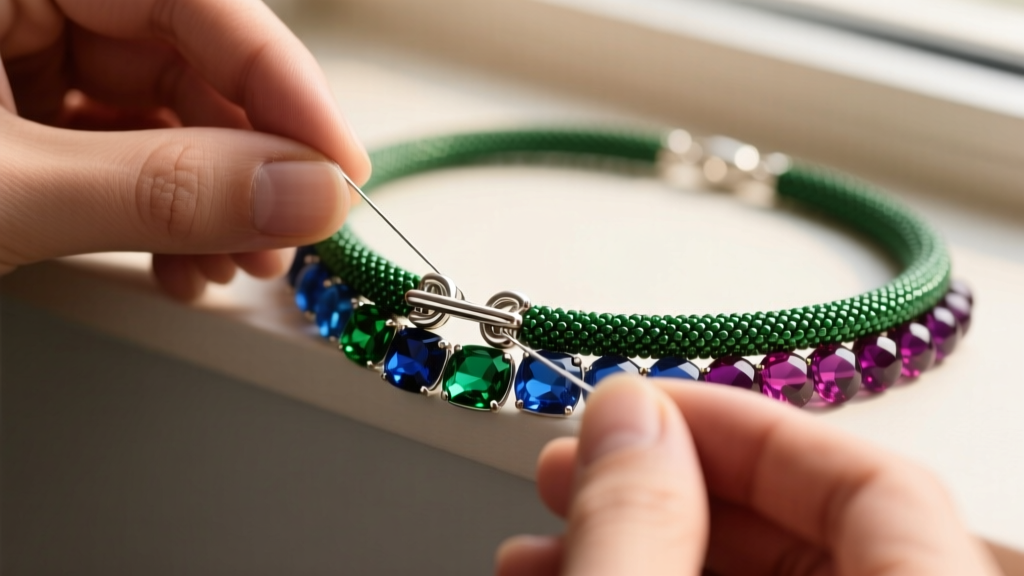
Clasp Selection for Heavy Beadwork
A beaded snake necklace is only as secure as its clasp. The undulating, heavy nature of this specific jewelry style puts unique shear and torsional forces on the closure mechanism.
The Magnetic Clasp Trap: Many mass-market beaded necklaces use magnetic clasps for ease of use. However, on a heavy beaded snake necklace, the downward pull of gravity combined with the shifting weight of the beads can easily overcome the magnetic hold, leading to a lost necklace. Avoid magnetic clasps on any beaded piece weighing over 50 grams.
Recommended Clasps:
- Toggle Clasps: The T-bar must be at least 1.5 times the width of the ring. For heavy snake necklaces, a thick sterling silver or brass toggle provides mechanical security that magnets cannot match.
- Lobster Claw with Soldered Jump Rings: Ensure the jump rings connecting the lobster claw to the beadwork are soldered shut. An unsoldered jump ring will easily pull apart under the swinging weight of a long snake necklace.
Sizing, Drape, and Neckline Pairing
The visual impact of a beaded snake necklace relies heavily on its length and how it interacts with your clothing. Because the beadwork mimics a living creature, the "coil" effect is highly desirable.
Length Guide for the Serpentine Effect
- Choker (14-16 inches): Sits high on the collarbone. Best for tubular peyote stitch seed bead snakes. Creates a bold, avant-garde look that pairs well with deep V-necks or off-the-shoulder tops.
- Princess (18 inches): The most versatile length. Allows the heavy glass or gemstone scales to rest just below the clavicle, creating a natural "U" shape that frames the face.
- Matinee/Opera (24-30 inches): Essential for the overlapping "coil" effect. A 30-inch heavy beaded snake will naturally cross over itself when worn with a turtleneck or high-collared blouse, maximizing the reptilian illusion.
2026 Price Guide and Artisan vs. Mass Market
As we move through 2026, the bifurcation of the jewelry market is more apparent than ever. You can easily find factory-made beaded snake necklaces on large e-commerce platforms for $20 to $40. These pieces typically use acrylic or low-grade glass beads strung on 19-strand wire with glued crimp covers. They are fine for seasonal costume wear but will not last.
Conversely, the artisan market has elevated the beaded snake necklace to a form of wearable sculpture. Expect to pay between $150 and $400 for a hand-woven tubular peyote piece featuring 24k gold-plated or genuine sterling silver seed beads, finished with a custom-fabricated clasp. When buying artisan, look for a maker's mark and a detailed breakdown of the materials used, including the exact bead manufacturer (e.g., Toho or Miyuki) and the thread type.
Final Verdict: What to Inspect Before Buying
Before finalizing your purchase, run through this quick physical or digital inspection checklist:
- Check the Crimps: If buying a strung piece, inspect the crimp beads near the clasp. They should be neatly folded or crushed with a micro-crimper, not flattened haphazardly with flat-nose pliers, which weakens the wire.
- Test the Drape: If shopping in person, lift the necklace by one end. A well-constructed beaded snake should cascade downward in smooth, fluid loops without stiff, angular kinks.
- Verify the Clasp Mechanics: Ensure the toggle bar passes completely through the ring and sits flush, or that the lobster claw spring action is snappy and secure.
A high-quality beaded snake necklace is a triumph of structural jewelry design. By prioritizing premium stringing materials, uniform beadwork, and mechanically sound clasps, you can invest in a piece that offers both striking visual impact and lifelong durability.


