Bear Claw Necklace Meaning: How to Ethically Source and Style
Discover the deep bear claw necklace meaning across cultures. Follow our step-by-step guide to ethical sourcing, wire wrapping, and styling.

Decoding the Bear Claw Necklace Meaning Across Cultures
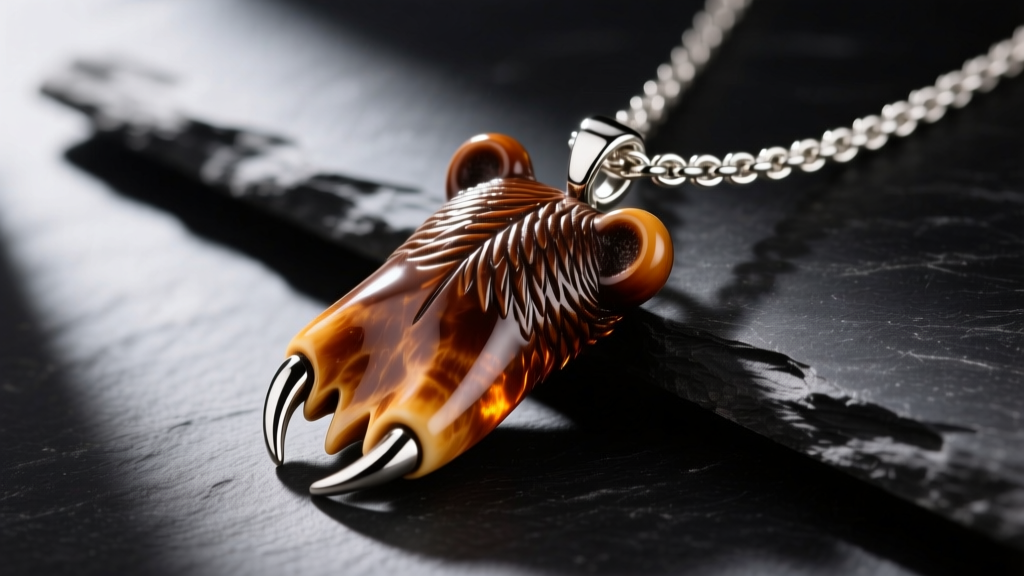
When researching the bear claw necklace meaning, you are tapping into one of the oldest and most universally revered symbols in human history. Long before it became a staple of rugged fashion, the bear claw served as a powerful talisman. To wear one today is to carry the weight of ancestral symbolism, but doing so respectfully and stylishly requires a deep understanding of its origins, ethical sourcing, and proper jewelry hardware.
Across various indigenous cultures in North America, the bear is considered a medicine animal, symbolizing healing, introspection, and immense physical strength. According to cultural archives documented by Smarthistory, wearing a bear claw was historically reserved for hunters and leaders who had proven their bravery, acting as a conduit to channel the bear's protective spirit. In Norse and Celtic traditions, the claw was linked to the berserker warriors, representing untamed courage and a fierce connection to the wilderness.
Today, the meaning has evolved. For modern wearers, a bear claw pendant often signifies personal resilience, a connection to nature, and the courage to overcome life's hibernation periods. However, translating this ancient totem into a modern wardrobe requires a meticulous, step-by-step approach to sourcing and styling.
Step 1: Navigating Ethics and Sourcing Authentic Claws
The most critical step in acquiring a bear claw necklace is ensuring its authenticity and ethical origin. The market is flooded with synthetic replicas made from polyurethane resin, or worse, misidentified dog and coyote claws sold as bear.
Identifying Genuine Keratin and Bone
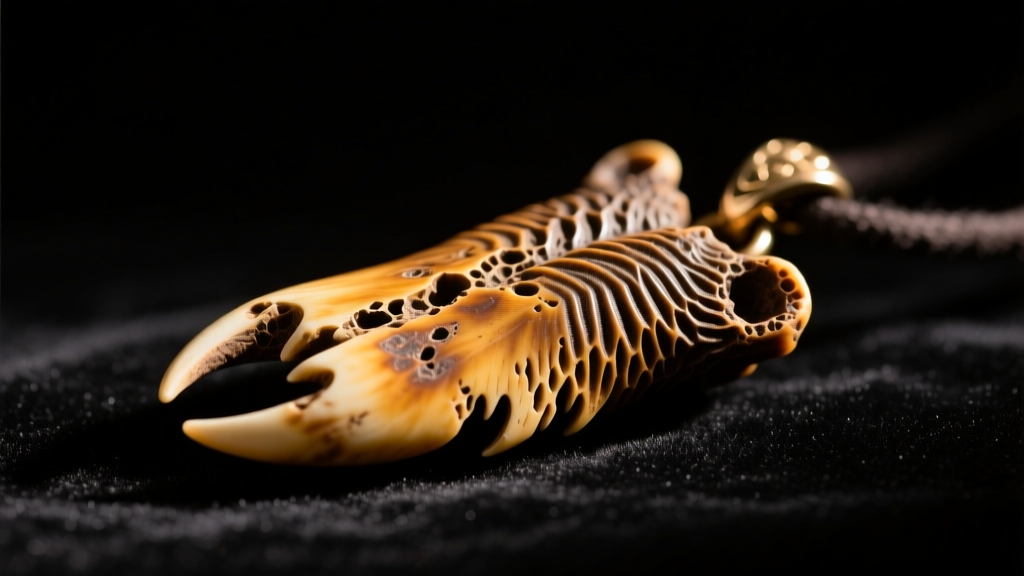
A real bear claw is a composite structure. It consists of a bony core extending from the toe, covered by a thick sheath of keratin (the same protein in human fingernails). To authenticate a piece:
- The V-Groove Test: Flip the claw over. A genuine bear claw will feature a distinct, deep V-shaped groove running down the concave underside where it once attached to the toe pad. Resin molds often miss this detail or make it look shallow and uniform.
- Texture and Weight: Real keratin has microscopic longitudinal ridges and a slightly waxy feel. It is also surprisingly heavy. A mature brown bear claw can weigh between 15 and 35 grams, whereas a resin cast of the same size will feel hollow and light.
Understanding Legal and Ethical Sourcing
Due to conservation efforts, the international trade of bear parts is strictly regulated. The Convention on International Trade in Endangered Species (CITES) lists many bear species under Appendix II, meaning cross-border sales require strict permitting. Furthermore, the National Park Service (NPS) strictly prohibits the removal of any biological materials, including shed claws, from protected national lands.
How to source ethically in 2026:
- Antique and Vintage Markets: Purchasing pre-1970s antique claws from verified estate jewelers is the most eco-friendly route, as it removes demand from modern hunting.
- Verified Indigenous Artisans: Buy directly from registered Native American or First Nations silversmiths who legally salvage claws from regulated, sustainable hunts.
- High-Quality Cast Replicas: If you want the aesthetic without the ethical baggage, seek out jewelers who cast exact 3D-scanned replicas in solid 925 sterling silver or bronze.
Step 2: Selecting the Right Bail and Chain Hardware
Bear claws are notoriously asymmetrical and top-heavy. If you simply drill a hole through the bony core and thread a thin chain through it, the pendant will constantly flip backward, and the chain will eventually snap. You must engineer the mounting point.
The Art of Wire Wrapping
Drilling into antique keratin can cause it to splinter or crack due to heat friction. Instead, professional jewelers use a custom wire-wrapped cage bail. Using 18-gauge or 16-gauge dead-soft argentium silver wire, a jeweler will create a structural harness that cradles the widest part of the claw base, securing it without altering the organic material. This lowers the center of gravity, ensuring the claw always points downward.
Matching Chain Tensile Strength to Pendant Weight
Because a wire-wrapped bear claw can easily exceed 30 grams, delicate chains will kink and break. Use this structural guide to select your chain:
| Chain Type | Recommended Thickness | Max Safe Weight | Durability Profile |
|---|---|---|---|
| Rope Chain | 3.0mm - 4.0mm | 50g | Excellent (Interlocking links resist pulling) |
| Wheat Chain | 2.5mm - 3.5mm | 40g | High (Woven oval links distribute tension) |
| Box Chain | 3.0mm - 5.0mm | 60g | High (Rigid geometric links, but can catch hair) |
| Cable Chain | Any | 15g | Poor (Avoid: Asymmetric weight will warp the links) |
Step 3: Styling and Layering Techniques
The bear claw is a bold, statement-making piece. It demands space and intentional styling to avoid looking like a costume prop. The key is to integrate it into a mature, grounded aesthetic.
Framing with Necklines
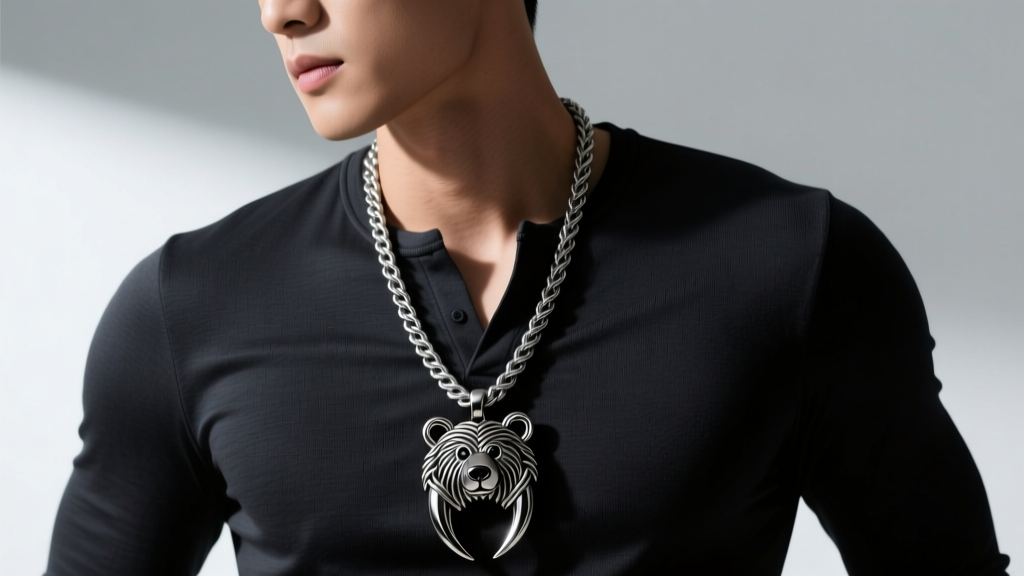
The downward trajectory of the claw naturally mimics a V-shape. Therefore, V-neck henleys, deep scoop necks, and unbuttoned camp collar shirts are your best canvases. The neckline acts as a geometric frame, drawing the eye directly to the point of the pendant. Avoid high crew necks or turtlenecks, which will cause the claw to lay flat against the collarbone and obscure its silhouette.
The Two-Chain Layering Method
To elevate the bear claw from casual to curated, employ a two-tier layering strategy using contrasting textures and materials:
The Base Layer: A 20-inch or 22-inch beaded necklace. Matte black onyx, natural turquoise, or dark brown lava stone beads (4mm to 6mm in diameter) provide an earthy, grounded foundation.
The Statement Layer: Your bear claw pendant on a 24-inch or 26-inch 3.5mm sterling silver rope chain. This ensures the heavy metal claw hangs at least two inches below the beaded layer, preventing tangling and creating a striking visual cascade.
Step 4: Preserving Organic Keratin and Bone
If you have sourced a genuine organic claw, you are now the custodian of a biodegradable material. Keratin is highly susceptible to environmental changes, and improper care will lead to irreversible damage.
What to Avoid
- Ultrasonic Cleaners: The high-frequency vibrations will shatter the microscopic bonds in the keratin sheath, causing it to peel away from the bone core.
- Chemical Solvents: Never use silver polish, bleach, or alcohol near the claw. These will strip the natural oils, turning the keratin brittle and chalky.
- Direct UV and Heat: Prolonged exposure to direct sunlight or leaving the necklace on a car dashboard will cause the claw to warp, curl, and split.
The Annual Oiling Routine
To maintain the structural integrity and rich color of the claw, you must replenish its moisture barrier. Once every 12 months, apply a single drop of food-grade mineral oil or pure jojoba oil to a soft microfiber cloth. Gently rub the oil into the keratin, let it absorb for 15 minutes, and buff away the excess. This simple step will ensure your talisman remains intact and lustrous for generations.
Wearing Your Totem with Intention
Understanding the bear claw necklace meaning transforms it from a mere accessory into a personal artifact. By taking the time to ethically source your pendant, engineering the proper wire-wrapped hardware, and committing to the careful preservation of organic materials, you honor the deep history of the symbol. Whether you are navigating the modern wilderness of city life or seeking a grounding connection to the natural world, a properly crafted bear claw necklace serves as a heavy, beautiful reminder of your own inner resilience.


