Michael Kors Heart Necklace Gold: Plating & Material Analysis
An expert technical analysis of the Michael Kors heart necklace gold collection, covering base metals, micron plating thickness, and tarnish prevention.

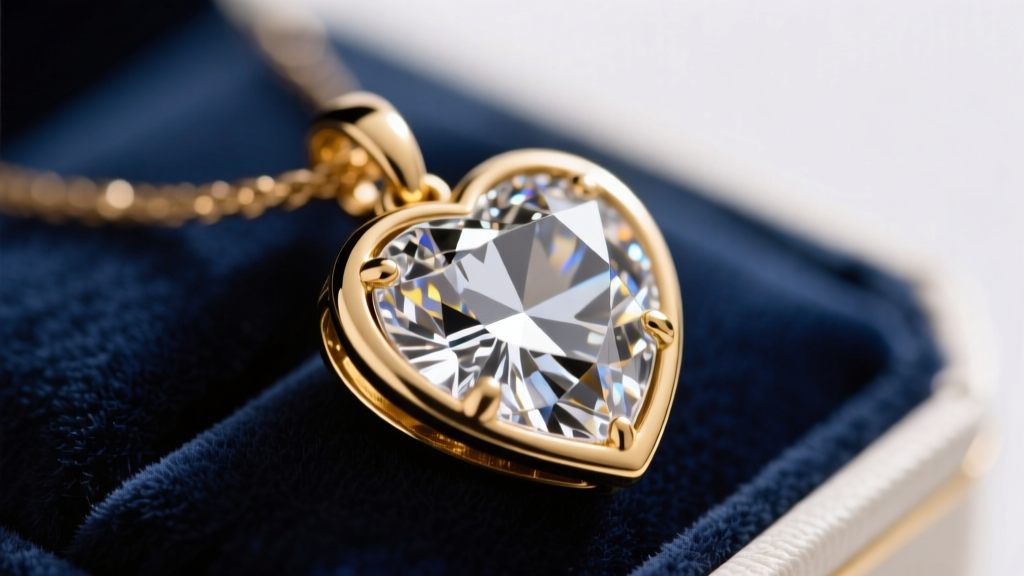
When evaluating accessible luxury, the Michael Kors heart necklace gold collection consistently ranks among the most popular choices for everyday wear and gifting. However, from a metallurgical and gemological perspective, the term 'gold' in the context of fashion jewelry requires a precise technical breakdown. Unlike fine jewelry crafted from solid 14k or 18k gold alloys, Michael Kors pendants utilize advanced electroplating techniques over base metals to achieve their signature high-polish luster. Understanding the exact material composition, plating thickness, and failure modes of these pieces is essential for collectors and daily wearers who want to maximize the lifespan of their jewelry.
The Metallurgy of Fashion Jewelry Base Metals
The foundation of any plated pendant dictates its weight, durability, and how well it accepts a polished finish. Michael Kors primarily utilizes casting brass (a copper-zinc alloy, typically composed of 70% copper and 30% zinc) or, in some heavier chain components, 316L stainless steel. Brass is the industry standard for fashion jewelry casting due to its low melting point, excellent fluidity in silicone molds, and ability to take a mirror-like polish before plating.
Before the gold-tone finish is applied, the raw brass pendant undergoes rigorous surface preparation. This includes tumbling, magnetic pin polishing, and ultrasonic degreasing to remove any microscopic casting lines or oils. According to the Gemological Institute of America (GIA), a flawless base metal surface is critical; any microscopic pitting in the brass will be amplified once the reflective gold layer is applied, resulting in a dull or uneven finish.
The Barrier Layer: Preventing Metal Migration
A critical, often overlooked step in the manufacturing of a Michael Kors heart necklace gold finish is the application of a barrier layer. Because copper atoms are highly mobile, they can naturally migrate through porous gold plating over time, leading to surface tarnishing. To prevent this, manufacturers electroplate a microscopically thin layer of nickel, palladium, or white bronze over the brass before the final gold-tone bath. This barrier ensures the bright yellow or rose gold color remains stable and prevents the underlying copper from reacting with ambient oxygen.
Decoding the 'Gold' Specification and Thickness
The Federal Trade Commission (FTC) and international assay offices maintain strict guidelines regarding how gold jewelry is labeled. The Michael Kors heart necklace gold finish is classified as gold-tone or flash-plated. This means the gold layer is applied via electroplating but does not meet the minimum thickness requirements to be legally classified as 'gold vermeil' or 'gold filled'.
To provide a clear technical comparison, refer to the material specification table below:
| Material Classification | Base Metal | Gold Layer Thickness | Estimated Durability | Average Market Price |
|---|---|---|---|---|
| Solid 14k Gold | None (Gold/Copper/Silver Alloy) | 100% Solid | Lifetime / Heirloom | $300 - $800+ |
| Gold Vermeil | Sterling Silver (925) | Minimum 2.5 Microns | 2 - 5 Years (Daily Wear) | $80 - $250 |
| Gold Filled | Jeweler's Brass | 5% of Total Weight (Mechanically Bonded) | 10 - 30 Years | $50 - $150 |
| Michael Kors Gold-Tone | Brass / Stainless Steel | 0.1 to 0.5 Microns (Electroplated) | 6 Months - 2 Years | $45 - $125 |
As illustrated, the gold-tone plating on fashion jewelry is measured in fractions of a micron. While this provides a brilliant, authentic gold appearance upon purchase, the ultra-thin nature of the plating makes it highly susceptible to mechanical abrasion and chemical degradation.
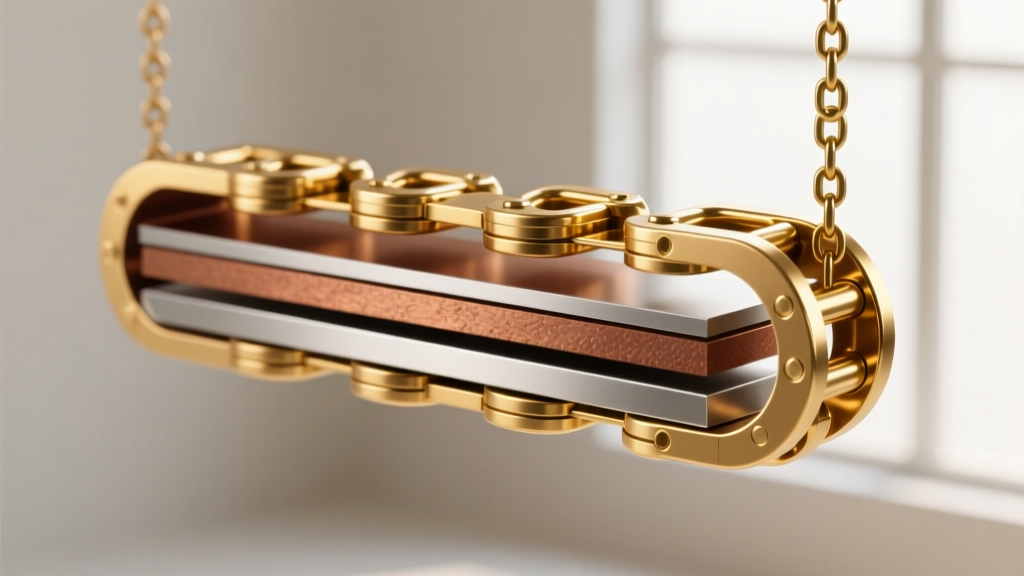
Failure Modes: Why Plating Degrades
Understanding how a plated necklace fails allows owners to preemptively mitigate damage. The degradation of a Michael Kors gold-tone pendant typically occurs via three primary mechanisms:
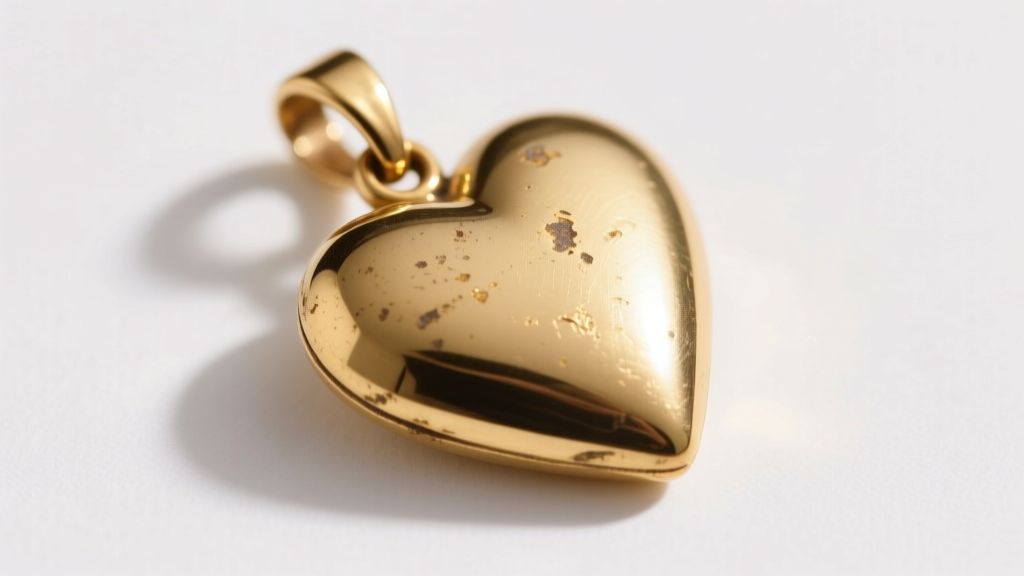
- Mechanical Abrasion: The highest points of friction on any necklace are the bail (the loop connecting the pendant to the chain) and the clasp. Constant metal-on-metal rubbing physically wears away the 0.5-micron gold layer, exposing the barrier or base metal beneath.
- Chemical Stripping: Everyday cosmetics, including lotions, perfumes, and hairsprays, contain emulsifiers and alcohols that can break down the microscopic gold layer. Furthermore, the Jewelers of America strongly advises against exposing plated jewelry to chlorinated water, as chlorine aggressively attacks the copper and zinc in the brass base, causing structural weakening and rapid discoloration.
- Galvanic Corrosion: When plated jewelry is exposed to salt water or heavy sweat, an electrolytic cell can form between the gold plating and the brass base, accelerating the flaking and peeling of the finish.
The Green Skin Phenomenon Explained
A common complaint with fashion jewelry is the 'green skin' effect. This is not an allergic reaction, nor is it a sign of toxic materials; it is a simple, predictable chemical reaction. When the gold plating on the back of the heart pendant or the chain wears thin, the underlying brass is exposed to the wearer's skin.
Human sweat contains lactic acid, urea, and sodium chloride (salt). When these compounds interact with the copper in the brass alloy, they undergo an oxidation-reduction reaction, forming copper chelates (such as copper chloride and copper lactate). These compounds are naturally bright green and easily transfer to the epidermis. This reaction is entirely harmless and can be washed away with soap and water, but it serves as a clear indicator that the protective gold plating has been compromised in that specific area.
Expert Maintenance & Longevity Protocol
To extend the lifespan of a Michael Kors heart necklace gold finish from a few months to several years, wearers must adopt a strict, proactive maintenance protocol. Because the plating is exceptionally thin, traditional jewelry cleaning methods will destroy the piece.
What to Avoid
Never use ultrasonic cleaners, as the high-frequency cavitation bubbles will literally blast the microscopic gold layer off the brass. Avoid baking soda pastes, toothpaste, or any abrasive polishing cloths (like those treated with jeweler's rouge), as these act like sandpaper on a 0.5-micron surface. Furthermore, never use chemical silver dips or ammonia-based cleaners, which will instantly strip the gold tone.
The Correct Cleaning Method
- Prepare a Mild Surfactant: Mix three drops of pH-neutral, lotion-free dish soap (such as original Dawn) into a bowl of distilled water. Tap water contains trace minerals and chlorine that can leave micro-spots on the plating.
- Gentle Agitation: Submerge the pendant and chain for no more than 60 seconds. Use an ultra-soft, baby-hair brush to gently dislodge any sebum or cosmetic buildup from the pave cubic zirconia settings.
- Rinse and Dry: Rinse briefly under a slow stream of distilled water. Immediately pat dry with a lint-free microfiber cloth. Do not air dry, as water spots will etch into the finish over time.
- Proper Storage: Store the necklace in an airtight polyethylene ziplock bag alongside a 3M anti-tarnish strip and a small silica gel desiccant packet. This creates a low-humidity, sulfur-free microclimate that halts oxidation in its tracks.
Final Verdict on Value and Wearability
The Michael Kors heart necklace gold collection offers exceptional aesthetic value, brand recognition, and trend-driven styling at an accessible price point. However, buyers must approach it with the technical understanding that they are purchasing a masterfully finished base metal, not a solid precious metal asset. By respecting the metallurgical limits of flash plating, avoiding harsh chemicals, and adhering to a strict microfiber-and-distilled-water cleaning regimen, owners can preserve the brilliant luster of their gold-tone pendants for years of continuous, stylish wear.


