How to Choose and Style a Meaningful Ohana Necklace
Discover what an ohana necklace is, compare materials like 925 silver and gold vermeil, and learn how to style this meaningful family jewelry piece.

The Cultural Roots and Jewelry Translation of Ohana
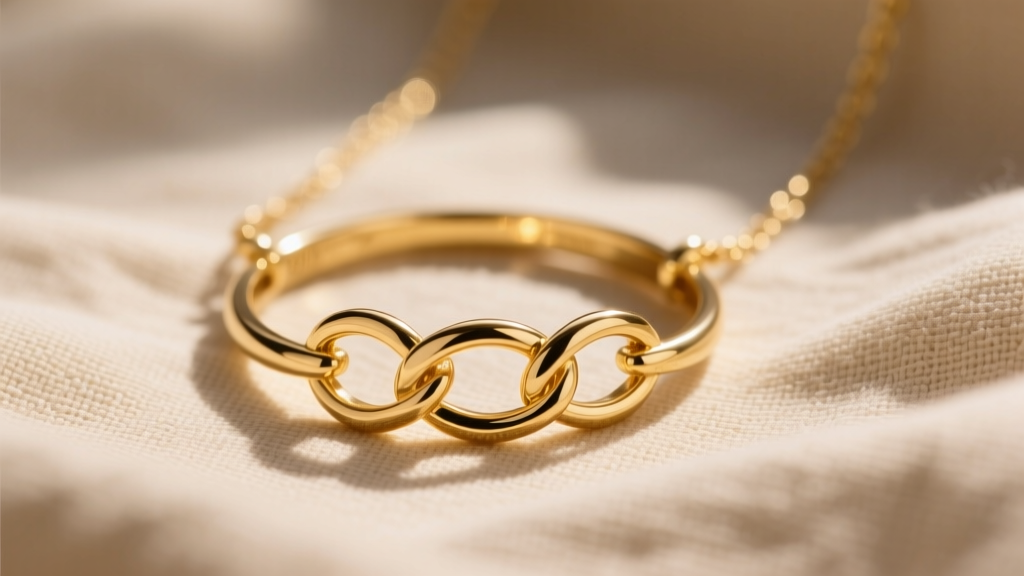
In Hawaiian culture, the word "ohana" translates to family, but its meaning extends far beyond the nuclear family unit. It encompasses extended family, close friends, and adopted members, bound by the philosophy that "nobody gets left behind or forgotten." When translated into fine and demi-fine jewelry, an ohana necklace serves as a tangible representation of these unbreakable bonds. Unlike generic family tree pendants, true ohana jewelry focuses on interconnectedness, usually symbolized through interlocking rings, woven metalwork, or continuous circular motifs that have no distinct beginning or end.
For beginners entering the world of meaningful jewelry, navigating the sheer volume of "family necklaces" online can be overwhelming. Many mass-market retailers slap the word "ohana" onto any pendant with multiple birthstones. However, a genuine ohana necklace relies on structural symbolism—specifically, the physical interlocking of metal components that cannot be separated without breaking the chain or the solder. This guide will break down the exact design styles, material grades, and structural mechanics you need to know before investing in a piece meant to last a lifetime.
Decoding the 3 Main Ohana Pendant Styles
Not all family pendants are created equal. The structural integrity and visual weight of your necklace will depend entirely on which of the three primary design archetypes you choose.
1. The Interlocking Rings (The Classic Ohana)
This is the most authentic representation of the ohana concept. It typically features two to six individual rings that pass through one another. Crucial E-E-A-T Insight: Pay close attention to how these rings are connected. In high-quality pieces, the rings are either seamlessly soldered together at the intersection points to prevent them from sliding into a tangled clump, or they are precision-cast as a single solid unit. Avoid cheap versions where the rings are merely hooked through open jump rings; over time, the friction will wear down the jump rings, causing the pendant to snap and the "family" to separate.
2. The Woven Tree of Life
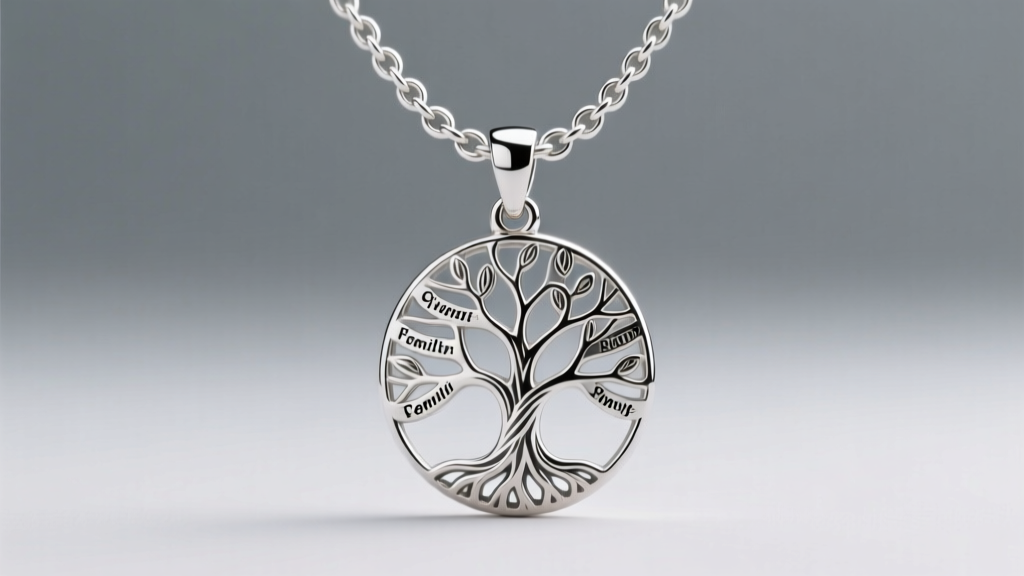
While the tree of life is a universal symbol, the Hawaiian interpretation often features roots and branches that touch and weave into a continuous outer circle. Look for pendants utilizing filigree techniques, where fine threads of metal are soldered into intricate patterns. The outer circle represents the protective boundary of the family, while the internal weaving represents individual members supporting the whole.
3. The Minimalist Engraved Bar or Disc
For those who prefer subtle, everyday jewelry, a solid disc or horizontal bar engraved with the word "Ohana" or specific family coordinates is highly popular. When choosing this style, ensure the engraving is done via laser etching rather than traditional mechanical stamping. Laser etching burns the design deeper into the metal, ensuring the black or dark gray contrast oxidization won't rub off after a few months of daily wear.
Material Grades and Pricing Tiers: What Are You Actually Buying?
The longevity of an ohana necklace is entirely dependent on its metallurgy. Because interlocking rings and woven branches experience high friction against each other, soft metals will degrade quickly. Below is a comparative breakdown of the materials you will encounter, grounded in current industry standards.
| Material | Composition & Standards | Durability & Friction Resistance | Average Price Range |
|---|---|---|---|
| 925 Sterling Silver | 92.5% pure silver, 7.5% copper alloy. Prone to sulfur-induced tarnish. | Moderate. Will scratch if interlocking rings rub constantly. Requires monthly polishing. | $35 – $85 |
| Gold Vermeil | 925 silver base plated with gold. The FTC strictly requires a minimum of 2.5 microns of 10k+ gold. | Low to Moderate. Friction between interlocking rings will eventually wear through the gold layer to the silver base. | $90 – $180 |
| Solid 14k Gold | 58.3% pure gold, alloyed with copper, zinc, and silver for structural hardness. | Excellent. The alloy hardness resists the micro-abrasions caused by interlocking metal components. | $350 – $750+ |
| Solid 18k Gold | 75% pure gold. Softer and more malleable than 14k, with a richer yellow hue. | Good, but not ideal for heavy interlocking rings as the high purity makes it susceptible to bending and warping. | $600 – $1,200+ |
Expert Tip: If you are buying an interlocking ring ohana necklace, always opt for Solid 14k Gold over 18k Gold. The Gemological Institute of America (GIA) notes that the specific alloy mix in 14k gold provides superior tensile strength, which is critical when multiple metal loops bear the weight of one another on a delicate chain.
Chain Mechanics and Clasp Selection
A heavy ohana pendant will easily snap a poorly chosen chain. The pendant represents the emotional weight; the chain represents the structural engineering. Here is how to match them:
- Box Chains: The undisputed champion for interlocking ring pendants. The square, interlocking links distribute weight evenly and are highly resistant to kinking. Choose a 1.2mm to 1.5mm width for pendants weighing over 5 grams.
- Rolo Chains: Featuring uniform round links, rolo chains offer a classic look and excellent tensile strength. They are ideal for tree of life pendants that lay flat against the collarbone.
- Cable Chains: While beautiful and delicate, standard oval cable chains are prone to twisting and snapping under the asymmetric weight of multiple interlocking rings. Avoid these for heavy ohana pieces.
The Clasp Rule: Never accept a spring-ring clasp for an ohana necklace. Spring rings have a tiny internal spring that frequently fails or gets stuck open. Always ensure your necklace is fitted with a lobster clasp, which features a solid internal mechanism and a wider opening that makes securing the necklace behind your neck significantly easier.
The Mathematics of Layering Your Ohana Pendant
Because ohana necklaces carry deep sentimental value, they are often worn daily and layered with other pieces. To prevent the pendants from tangling and scratching each other, you must follow the 2-Inch Layering Rule.
- The Anchor (14 to 16 inches): Start with a lightweight, minimalist chain, such as a 14-inch gold-filled choker or a simple 16-inch diamond station necklace. This draws the eye upward.
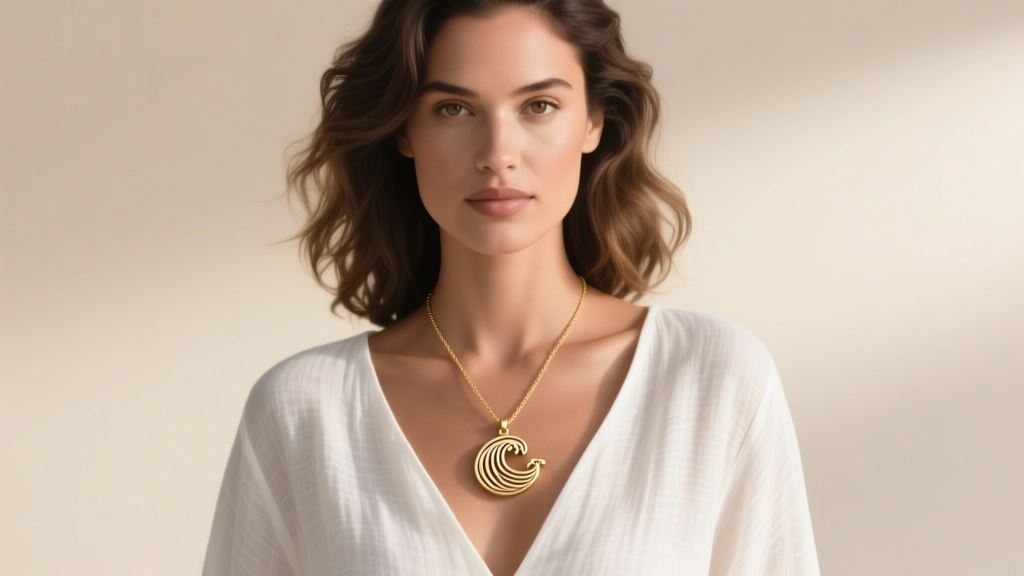
- The Centerpiece (18 inches): Your ohana necklace should sit right at the 18-inch mark, resting on the upper sternum. This provides exactly 2 to 4 inches of clearance from the anchor chain, preventing the interlocking rings from catching on the smaller links above.
- The Elongator (20 to 22 inches): If adding a third piece, use a 20-inch lariat or a long pendant with a heavy bottom weight to create a V-shape that frames the ohana piece without overlapping it.
Care and Maintenance for Longevity
Proper maintenance is non-negotiable, especially for sterling silver and gold vermeil pieces. The crevices between interlocking rings trap dead skin cells, lotions, and environmental pollutants, which accelerates tarnishing.
What to Avoid: Never put an ohana necklace with oxidized (blackened) detailing or soft gemstone accents into an ultrasonic cleaner. The high-frequency vibrations will strip the intentional oxidation right out of the crevices and can shatter stones like turquoise or opal.
The Right Way to Clean: Use a treated jeweler's polishing cloth (such as a Sunshine cloth) to gently wipe down the outer surfaces. For the tight gaps between interlocking rings, use a soft-bristled baby toothbrush dipped in a mild solution of warm water and phosphate-free dish soap. Gently agitate the gaps, rinse under lukewarm water, and immediately pat dry with a microfiber cloth to prevent water spots.
By understanding the structural engineering of the chain, the metallurgical realities of the gold alloys, and the precise mathematics of layering, you can select an ohana necklace that doesn't just symbolize your family's bond, but physically withstands the test of time.


