How to Style Guys Wearing Pearl Necklaces: A Complete Guide
Discover the ultimate step-by-step guide to guys wearing pearl necklaces. Learn pearl sizing, layering techniques, and hardware choices for modern menswear.


The Renaissance of Pearls in Menswear
The modern menswear landscape has completely dismantled outdated gender norms in jewelry. As we navigate the style landscape of 2026, guys wearing pearl necklaces is no longer a fringe trend reserved for red carpets; it is a foundational element of contemporary personal style. However, transitioning a traditionally feminine gemstone into a rugged, masculine wardrobe requires a strategic approach to sizing, hardware, and layering. This step-by-step guide will teach you exactly how to select, style, and maintain pearl necklaces for men, ensuring your look is intentional and sartorially sound.
Step 1: Selecting the Right Pearl Type and Millimeter Size
Not all pearls are created equal, and the wrong size can look disproportionate against a broader chest or thicker neck. According to the Gemological Institute of America (GIA), pearl value and appearance are dictated by size, shape, color, luster, and surface quality. For men, luster and color often trump perfect roundness. Baroque (irregularly shaped) pearls offer a rugged, organic texture that pairs exceptionally well with casual menswear.
Comparing Pearl Varieties for Men
| Pearl Type | Ideal Size Range | Color Profile | Best Menswear Vibe | Avg. Price Range |
|---|---|---|---|---|
| White Akoya | 7.0mm - 9.0mm | Crisp white, rose overtones | Formal, tailored, classic suit | $300 - $800 |
| Freshwater Baroque | 8.0mm - 12.0mm | Off-white, peach, metallic | Streetwear, casual, layered | $80 - $250 |
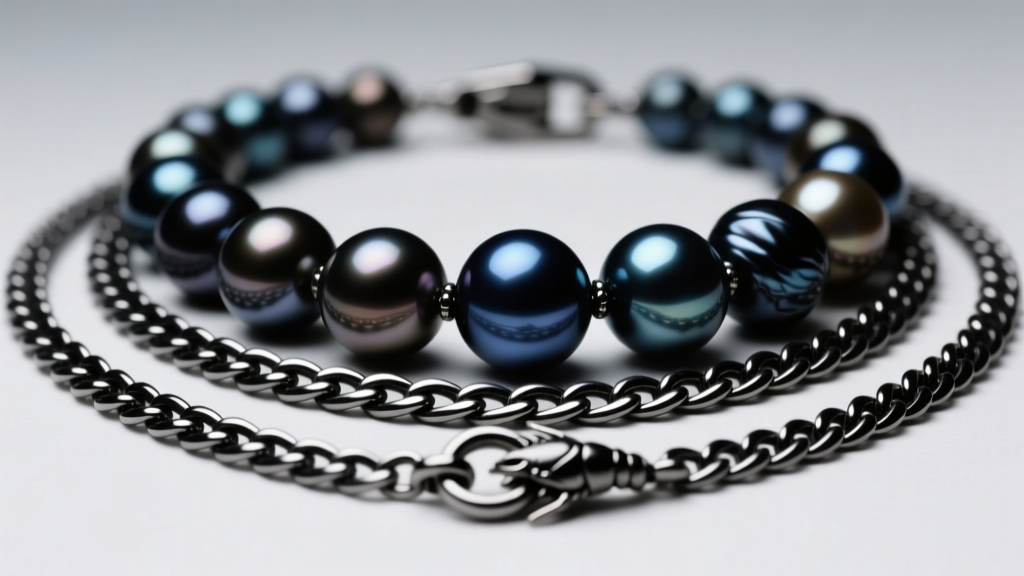
| Tahitian | 9.0mm - 14.0mm | Charcoal, peacock green, black | Edgy, evening wear, leather | $400 - $1,500+ |
For beginners, an 8mm to 9mm Freshwater baroque strand is the most versatile entry point. It provides enough visual weight to stand out against a t-shirt or denim jacket without feeling overwhelming. If you prefer a darker, more aggressive aesthetic, Tahitian pearls in the 10mm range offer an undeniable masculine edge.
Step 2: Upgrading the Stringing Material and Hardware
Traditional pearl necklaces are strung on silk thread with knots between each pearl. While elegant, silk is a terrible choice for active men. It degrades rapidly when exposed to acidic sweat, stretches over time, and snaps easily under tension. If you are buying or commissioning a pearl strand for daily wear, demand a modern stringing alternative.
The Hardware Blueprint
- Stringing Material: Opt for 49-strand micro-fused stainless steel wire (like Soft Flex) coated in nylon. A 0.019-inch diameter provides the drape of silk with the tensile strength of steel.
- Alternative Cords: For a rugged look, single pearls or spaced pearls can be strung on 1.5mm to 2.0mm braided leather or black waxed cotton cords.
- Clasps: Ditch the tiny spring-ring clasps. Upgrade to a 10mm brushed titanium lobster clasp or a heavy-duty neodymium magnetic clasp. Magnetic clasps are particularly useful for men who struggle with small jewelry findings, provided the magnet is rated to hold at least 15 lbs of tension.
- Findings: Ensure the jeweler uses sterling silver or gold-filled wire guardians (French wire) at the clasp connection point to prevent the steel wire from sawing through the metal clasp loop over time.
Step 3: Mastering the Layering Technique
Wearing a single strand of pearls is a bold statement, but layering integrates the pearls seamlessly into a broader jewelry ecosystem. The Cultured Pearl Association of America notes that modern pearl styling heavily relies on mixed-media layering. To avoid a tangled mess, you must follow the rule of staggered lengths and varied chain gauges.
The 3-Piece Layering Formula
- The Base (16 inches): Start with a slim 2mm oxidized silver or matte black box chain worn tight to the collarbone. This anchors the look and provides a metallic contrast.
- The Pearl Strand (18 inches): Your 8mm or 9mm pearl necklace sits exactly two inches below the base chain, preventing friction and tangling while keeping the pearls centered on the chest.
- The Pendant (22 inches): Finish with a heavier 3mm or 4mm rope chain holding a singular masculine pendant—such as a silver signet, a geometric dog tag, or a raw gemstone drop.
Pro Tip: Never mix chains of the exact same length and gauge. The friction will cause them to twist together into an unmanageable knot within minutes of wear. Always maintain at least a 1.5-inch to 2-inch drop between layers.
Step 4: Matching Pearls to Necklines and Occasions
The success of guys wearing pearl necklaces often hinges on the shirt collar and neckline. The contrast between the organic gemstone and the fabric is where the style magic happens.
- The Unbuttoned Linen or Camp Collar: This is the ultimate canvas. An 18-inch pearl strand resting against bare skin framed by an open collar creates a relaxed, Riviera-inspired aesthetic perfect for summer evenings.
- The Crewneck Sweater or T-Shirt: Opt for a shorter 16-inch choker-style pearl strand that peeks just above the fabric line. This subtle flash of luster adds intrigue without dominating the outfit.
- The Tailored Suit: If wearing pearls with formal suiting, keep it to a single, high-luster 8mm Akoya strand. Wear it tucked slightly under the shirt collar or let it rest precisely at the V of a deep dress shirt. Avoid layering with metal chains in formal settings to maintain a sharp, sophisticated silhouette.
Step 5: Long-Term Care and Maintenance
Pearls are organic gems composed primarily of calcium carbonate. On the Mohs hardness scale, they rank a mere 2.5 to 3.0, making them highly susceptible to scratching and chemical erosion. The acids in human sweat, combined with the alcohol in colognes and grooming products, can strip a pearl of its nacre luster over time, leaving it dull and chalky.
The Post-Wear Protocol
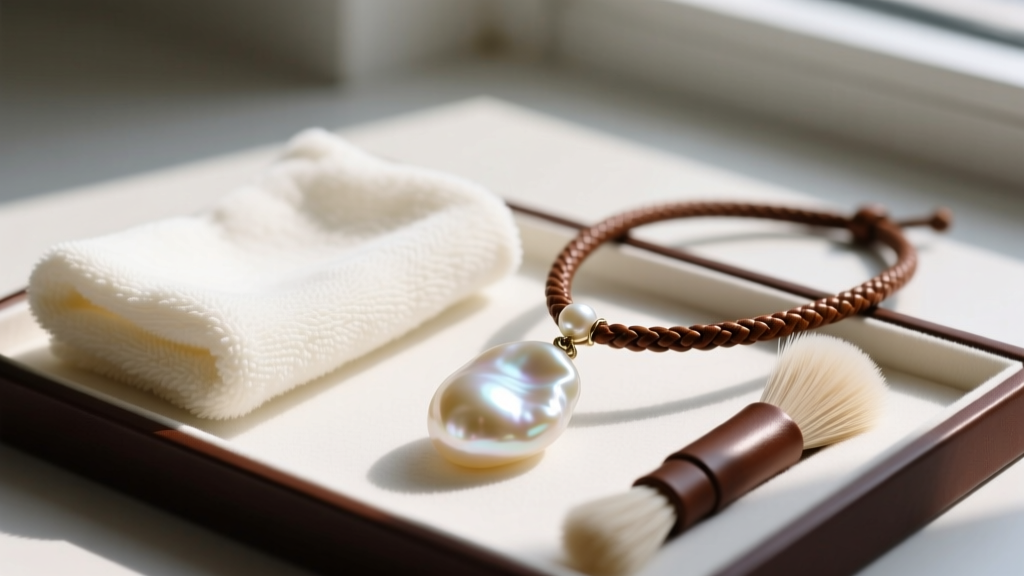
After every wear, gently wipe the pearls with a clean, slightly damp microfiber cloth to remove sweat, dead skin cells, and grooming product residue. Never use ultrasonic cleaners, steamers, or harsh chemical jewelry dips, as these will permanently destroy the nacre. Store your pearl necklaces flat in a soft, breathable cotton pouch. Avoid airtight plastic bags, as pearls require a minimal amount of ambient humidity to prevent cracking. Keep them strictly separate from diamond or sapphire jewelry, which will easily scratch the delicate pearl surface. If worn frequently, have the nylon-coated steel wire inspected by a professional jeweler annually to ensure the crimp beads holding the clasp remain secure and the wire has not kinked.
By understanding the technical specifications of pearl grading, hardware durability, and proportional layering, you can confidently integrate this historic gemstone into a modern, masculine wardrobe. The key to pulling off pearls is intentionality—choose the right size, upgrade the hardware, and wear it with absolute conviction.


