VCA Layered Necklace Guide: How to Style & Buy in 2026
Master the VCA layered necklace trend with our 2026 buying guide. Learn exact chain lengths, motif sizing, stone pairings, and authentication tips.

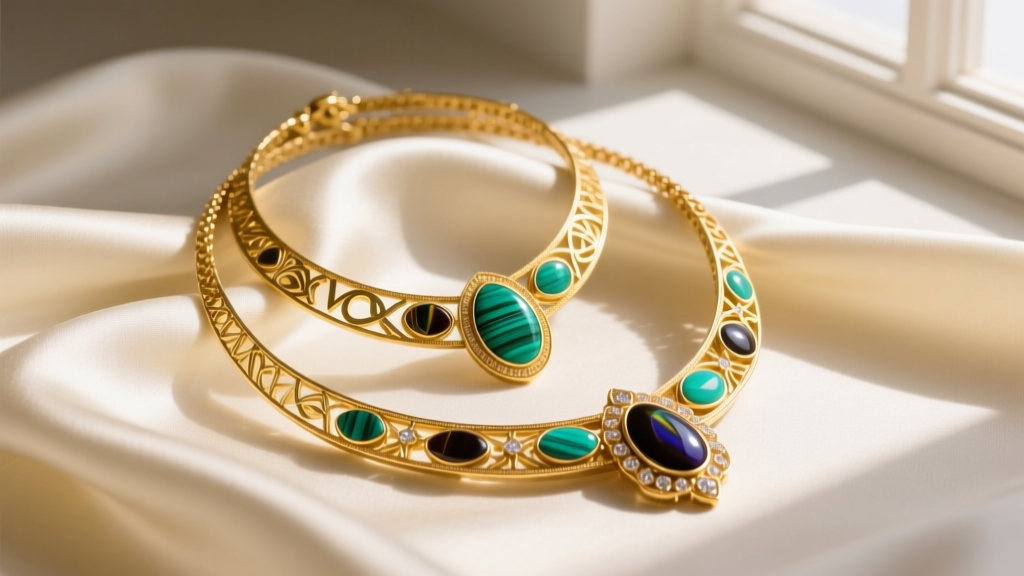
The Architecture of a Perfect VCA Layered Necklace Stack
The concept of the VCA layered necklace has evolved from a fleeting social media trend into a permanent staple of high jewelry styling. However, layering Van Cleef & Arpels pieces is not as simple as tossing multiple chains around your neck. It is an architectural exercise in proportion, chain tension, and visual weight. As we navigate the luxury market in 2026, understanding the exact specifications of VCA's collections is critical for both aesthetic harmony and investment protection.
When building a layered stack, the primary failure mode is 'motif collision'—where the pendants overlap and tangle, obscuring the design and causing unnecessary friction between delicate hardstones. To prevent this, collectors must adhere to the 1.5-inch rule, which dictates the minimum vertical distance between layered chains. According to the Van Cleef & Arpels Official Necklace Collections, the brand engineers its chains with highly specific, non-adjustable lengths that naturally facilitate this spacing if paired correctly.
Chain Lengths: The Metric of Layering
Unlike many contemporary jewelers that rely on generic 16-inch or 18-inch chains with 2-inch extenders, VCA utilizes precise metric measurements. Understanding these exact lengths is the foundation of any successful VCA layered necklace stack.
- Sweet Alhambra: Typically set at 40 cm (approx. 15.75 inches). This sits high on the collarbone, making it the ideal base layer.
- Vintage Alhambra: Standardized at 42 cm (approx. 16.5 inches). This provides the perfect 2 cm drop below the Sweet Alhambra, allowing the motifs to cascade without overlapping.
- Perlée Collection: Often features adjustable chains or slightly longer 45 cm drops, making them excellent third-layer candidates to frame the neckline.
- Magic Alhambra (Long): At 84 cm, this is not meant for traditional close-layering but can be doubled using a specialized slide clasp to create a custom 42 cm layer with asymmetric motif spacing.
Motif Sizing and Proportional Balance
A common mistake when curating a VCA layered necklace stack is mixing motifs of identical visual weight, which creates a cluttered, competitive look. The secret lies in contrasting the dimensions of the Alhambra, Perlée, and Frivole families.
| Collection | Motif Diameter | Chain Thickness | Best Layering Position |
|---|---|---|---|
| Sweet Alhambra | ~10 mm | 0.8 mm | Base (Closest to neck) |
| Vintage Alhambra | ~15 mm | 1.0 mm | Middle (The anchor piece) |
| Magic Alhambra | 12 mm - 25 mm | 1.2 mm | Outer (Statement drop) |
| Perlée (Beaded) | ~8 mm (beads) | 1.5 mm | Base or Texture Layer |
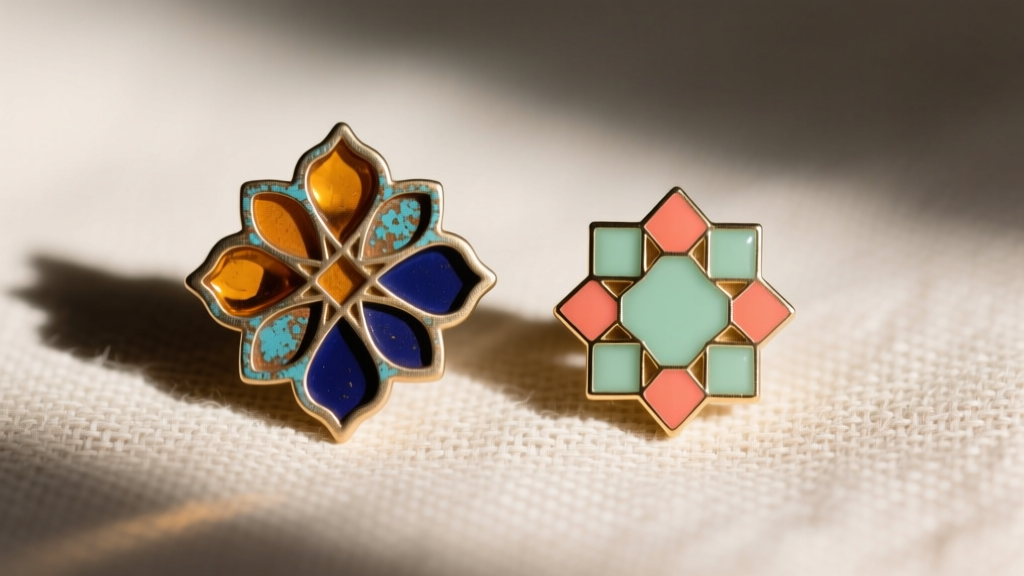
Material & Stone Selection for Visual Depth
When layering, the interplay of light and color is just as important as physical spacing. VCA's mastery of hardstones offers endless combinations, but you must consider both aesthetics and gemological durability.
The Durability Factor in Layered Stacks
Layering necklaces guarantees that the chains and motifs will experience continuous micro-friction. According to the GIA Gem Encyclopedia, the Mohs hardness scale is a critical factor when mixing stones. Malachite and Turquoise rank between 3.5 and 6 on the Mohs scale, making them susceptible to scratching if they constantly rub against harder materials. Onyx and Carnelian (both forms of quartz) rank at a 7, making them highly durable for the middle or base layers where friction is highest.
Expert Tip: If you are layering a delicate Mother-of-Pearl (MOP) Sweet Alhambra with a Vintage Alhambra, ensure the MOP piece is the longer of the two, or position it so the gold bezel takes the brunt of the physical contact rather than the stone itself.
Metal Tones: The 2026 Mixing Protocol
While purists once stuck to a single gold color, the 2026 styling consensus embraces mixed metals, provided there is a deliberate hierarchy. A highly effective VCA layered necklace combination involves using 18k yellow gold for the base and middle layers to create warmth, while introducing an 18k white gold or diamond-paved piece as the outer layer to catch the light and frame the face.
Pricing Realities & Investment Value
The luxury jewelry market has seen significant price restructuring over the last few years. When budgeting for a multi-piece VCA stack, buyers must weigh retail boutique pricing against the authenticated secondary market. Data from Chrono24 Luxury Market Data and high-end consignment trackers indicate that VCA Alhambra pieces retain an exceptionally high percentage of their retail value, often outperforming other heritage brands in liquidity.
- Sweet Alhambra (Single Motif, MOP): Retail ~$1,850 | Pre-Owned ~$1,600 - $1,750
- Vintage Alhambra (5-Motif, Onyx): Retail ~$7,400 | Pre-Owned ~$6,800 - $7,200
- Vintage Alhambra (10-Motif, Malachite): Retail ~$13,500 | Pre-Owned ~$12,000 - $13,000
Building a three-piece stack from retail will easily exceed $15,000. Savvy collectors often purchase the anchor piece (the 5-motif Vintage) at retail for the full boutique experience and warranty, then source the complementary Sweet or Perlée layers from vetted secondary dealers to optimize their budget.
Authentication: What to Look For
The secondary market for VCA jewelry is unfortunately rife with high-quality counterfeits. When buying outside of a Van Cleef & Arpels boutique to complete your layered stack, you must verify specific hallmarking details that fakes frequently miss.
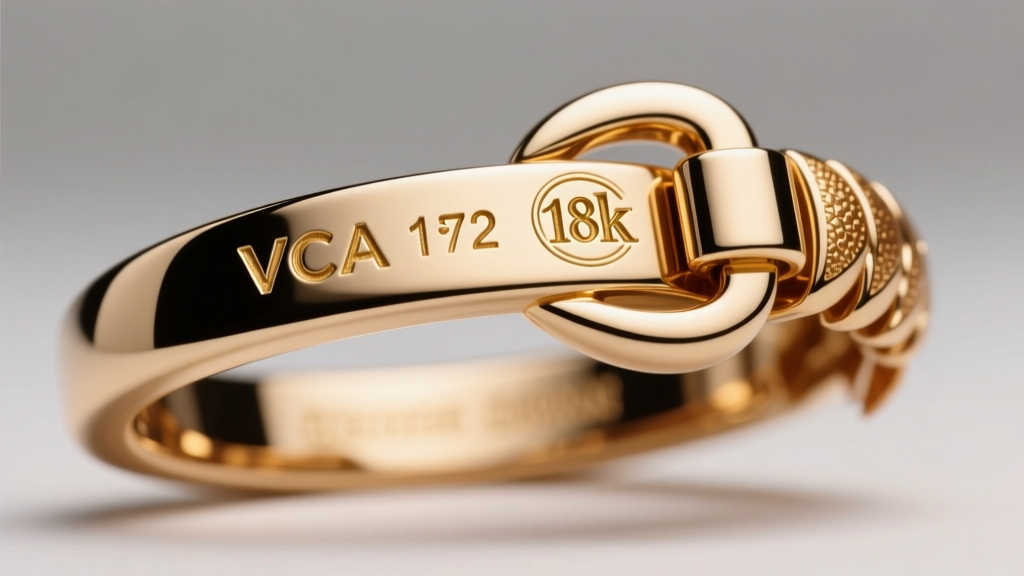
- The Serial Number Format: Authentic VCA pieces feature a distinct alphanumeric serial number (typically two letters followed by four numbers, or a similar JE-prefixed format) deeply laser-engraved on the clasp or the jump ring. Counterfeits often use shallow, poorly kerned stamping.
- The Hallmarks: Look for the tête d'aigle (eagle's head) hallmark for French 18k gold, alongside the brand's specific AU750 stamp. The eagle must be crisp, not blurred.
- The Clasp Mechanism: Modern VCA necklaces utilize a highly specific, slightly rounded lobster clasp that operates with a smooth, spring-loaded tension. Fakes often use stiff, generic clasps with visible soldering seams at the joint.
- Motif Beading (Perlée): If layering a Perlée piece, examine the gold beads bordering the motif. On authentic pieces, each bead is individually polished and perfectly spherical. Fakes often cast the beads as a single, slightly melted-looking ridge.
Step-by-Step Layering Framework
To finalize your VCA layered necklace look, follow this three-step framework to ensure the stack complements your neckline rather than overwhelming it.
Step 1: The Anchor (Base Layer)
Start with a 40cm Sweet Alhambra or a delicate Perlée gold bead chain. This sits flush against the collarbone and provides a subtle glint of gold that grounds the stack.
Step 2: The Statement (Middle Layer)
Add the 42cm Vintage Alhambra 5-motif necklace. The 2cm drop ensures the motifs rest perfectly below the base layer. Choose a high-contrast stone like Onyx or Malachite to draw the eye.
Step 3: The Frame (Outer Layer)
Introduce a longer 45cm chain, such as a diamond-paved Magic Alhambra single pendant or a Frivole heart motif. This outer layer acts as a V-shape frame for the face and décolletage, completing the architectural balance of the stack.
"True luxury in layering is not about maximalism; it is about the intentional negative space between the pieces. Let the gold breathe." — Senior Jewelry Archivist, Jewel Style Radar


