How to Choose Your First 16 Inch Pearl Necklace: A Guide
Discover everything you need to know about buying a 16 inch pearl necklace, from pearl grades and types to styling the classic princess length.

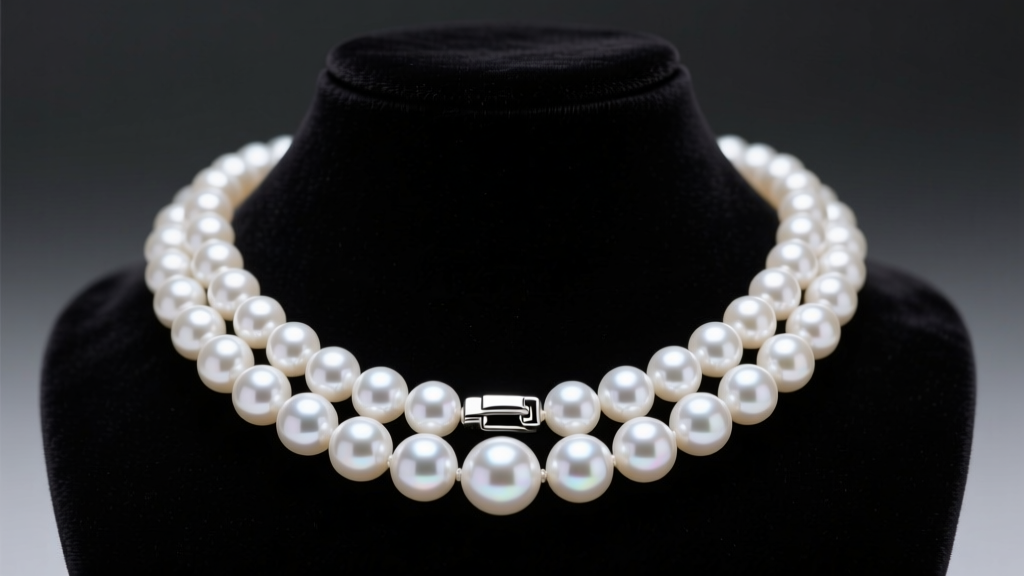
The Anatomy of the 16-Inch Princess Length
In the world of fine jewelry, few items possess the timeless versatility of a 16 inch pearl necklace. Known in the industry as the 'Princess' length, a 16-inch strand (approximately 40.6 centimeters) is engineered to rest perfectly on the collarbone. This specific placement makes it the undisputed gold standard for everyday elegance, as it frames the face without dipping too low into the neckline or choking the throat like shorter choker styles.
For beginners stepping into the world of pearls, the 16-inch length is the most forgiving and adaptable. It bridges the gap between casual and formal wear, sitting comfortably against the skin whether you are wearing a crisp button-down shirt, a crew-neck sweater, or an evening blouse. However, selecting your first strand requires looking past the length and understanding the intricate variables of pearl types, grading systems, and structural hardware.
Freshwater vs. Saltwater: Where to Invest
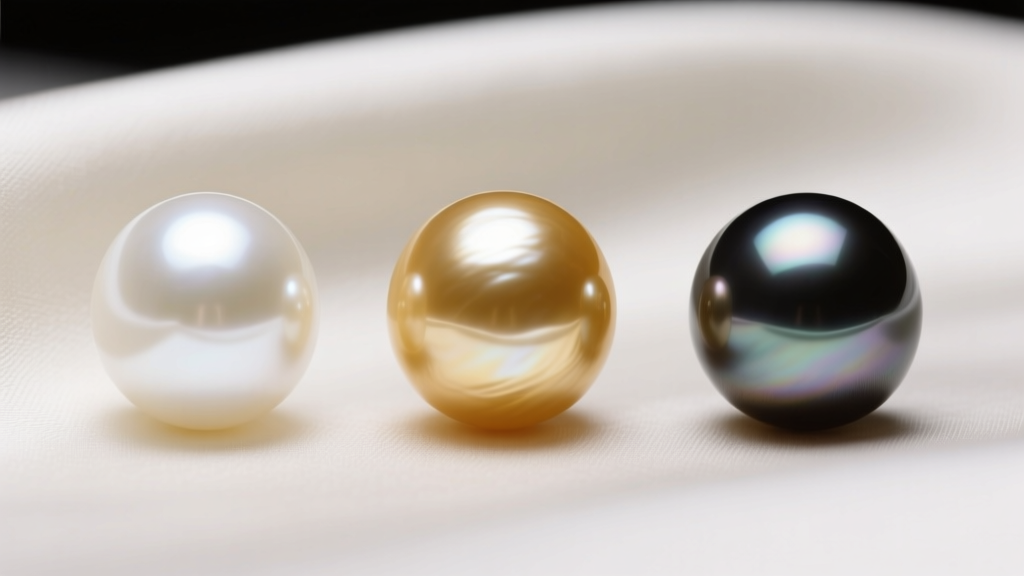
The most critical decision you will make is choosing the pearl variety. The market is broadly divided into freshwater and saltwater pearls, each with distinct nucleation processes, nacre thicknesses, and price points. According to the Gemological Institute of America (GIA), the environment and cultivation method drastically alter the final gem's luster and durability.
| Pearl Type | Average Size | Nacre Thickness | Luster Profile | Price Range (16-inch) |
|---|---|---|---|---|
| Freshwater | 6mm - 10mm | Solid Nacre | Soft, Satiny | $150 - $600 |
| Akoya (Saltwater) | 6mm - 9mm | 0.2mm - 0.5mm | Sharp, Mirror-like | $400 - $3,500+ |
| Tahitian (Saltwater) | 8mm - 14mm | 0.8mm - 2.0mm | Deep, Metallic | $800 - $5,000+ |
| South Sea (Saltwater) | 9mm - 16mm | 2.0mm - 4.0mm | Luxurious, Satin | $1,500 - $15,000+ |
For a beginner, a high-quality Freshwater or Akoya strand is usually the best entry point. Freshwater pearls are tissue-nucleated, meaning they are essentially solid nacre, making them highly resistant to chipping. However, they often exhibit slightly off-round shapes and softer luster. Akoya pearls, bead-nucleated with a mother-of-pearl core, offer the quintessential 'mirror-ball' luster and perfect roundness that most buyers envision when they think of a classic pearl strand.
Demystifying Pearl Grading Systems
Unlike diamonds, which are governed by the universal 4Cs, pearls do not have a single, globally mandated grading system. This can make shopping confusing. Most reputable jewelers use a variation of the AAA-A system or the American Gem Society (AGS) guidelines to evaluate quality.
The 4 Critical Quality Factors
- Luster: The most important value factor. High-quality pearls will reflect light sharply, allowing you to see your own reflection on the surface. Dull or chalky pearls should be avoided entirely.
- Surface Cleanliness: Pearls are organic gems and naturally feature blemishes. An 'AAA' grade indicates the strand is 95% to 99% blemish-free. Minor pinpricks or ripples are acceptable and prove the pearl is natural, but deep cracks or missing nacre are red flags.
- Shape: Perfectly round pearls command the highest premiums. 'Near-round' or 'off-round' pearls offer excellent value for beginners, as the slight deviations are imperceptible when worn on the neck.
- Matching: A 16 inch pearl necklace requires dozens of individual pearls. The true mark of craftsmanship is how well the jeweler has matched the pearls in size, color, and luster across the entire strand.
Construction Details: Silk, Knots, and Clasps
A beautiful pearl is useless if the strand is poorly constructed. When inspecting a 16 inch pearl necklace, you must examine the stringing hardware. Authentic, high-quality strands are strung on pure silk thread and feature hand-tied knots between every single pearl.
These knots serve two vital purposes: they prevent the pearls from rubbing against one another (which can grind away the delicate nacre over time), and they ensure that if the silk snaps, you only lose one pearl rather than the entire strand scattering across the floor. Furthermore, look for 'French wire' (also known as gimp)—a tiny coil of fine metal wire that wraps the silk where it passes through the metal clasp, preventing the metal from cutting the thread.
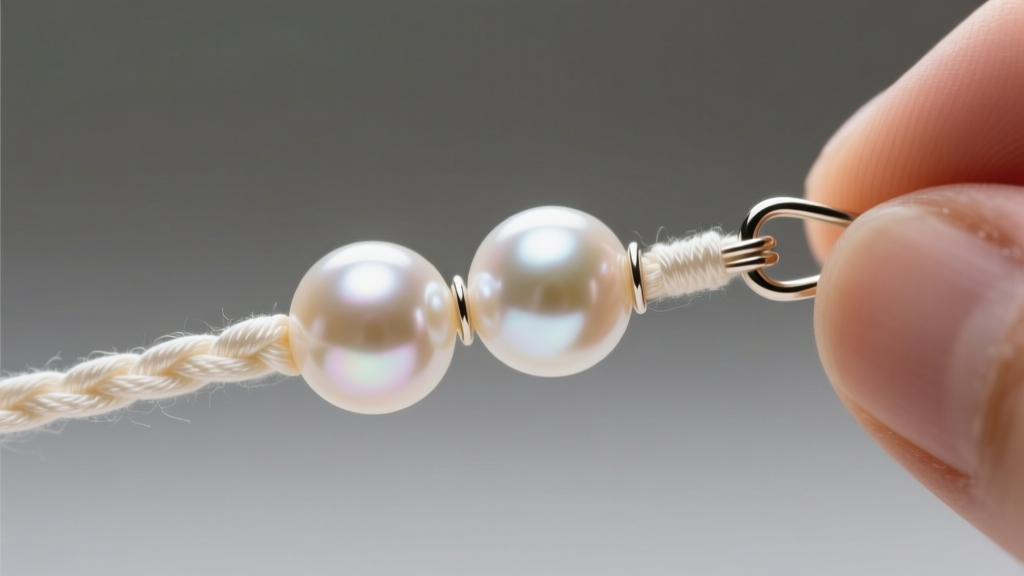
For the clasp itself, avoid cheap lobster clasps on fine pearls. Instead, look for a fishhook clasp or a box clasp with a figure-eight safety catch. These mechanisms are designed to lay flat against the back of the neck and provide redundant security in case the primary latch is accidentally bumped open.
Styling and Wardrobe Integration
The beauty of the 16-inch Princess length lies in its geometric harmony with standard clothing necklines. Here is how to integrate it into your daily rotation:
- V-Necks and Scoop Necks: The 16-inch strand will sit just inside the hem of a V-neck, perfectly echoing the angle of the neckline and drawing the eye upward toward the face.
- Crew Necks and Turtlenecks: Worn over a dark, tight-fitting crew neck or turtleneck sweater, a white or golden pearl strand creates a striking, high-contrast focal point.
- Button-Down Shirts: Wearing the necklace inside an unbuttoned collar provides a relaxed, modern take on traditional elegance, moving away from stiff, formal associations.
Long-Term Care and Restringing
Pearls are organic, porous, and remarkably delicate compared to crystalline gems like sapphires or diamonds. They rank only 2.5 to 3.0 on the Mohs hardness scale, meaning they can be easily scratched by metal jewelry or even dust.
Always follow the golden rule of pearl care: 'Last on, first off.' Put your pearls on after applying cosmetics, perfumes, and hairspray, and take them off before showering or exercising.
After wearing your necklace, gently wipe it with a soft, damp microfiber cloth to remove natural skin oils and acidic sweat, which can slowly degrade the nacre's luster. Never use ultrasonic cleaners or steam cleaners, as the vibrations and heat can shatter the pearls or melt the internal wax and glue used in the drilling process.
Finally, if you wear your 16 inch pearl necklace weekly, the silk thread will stretch and weaken over time. Plan to have the strand professionally restrung every 12 to 18 months. A jeweler will replace the silk, re-tie the knots tightly against the pearls, and ensure your investment remains secure for decades to come.


