How to Choose and Style Your First Cone Shell Necklace
Discover everything about the cone shell necklace. Learn how to spot authentic Conus shells, style them for any outfit, and care for organic jewelry.

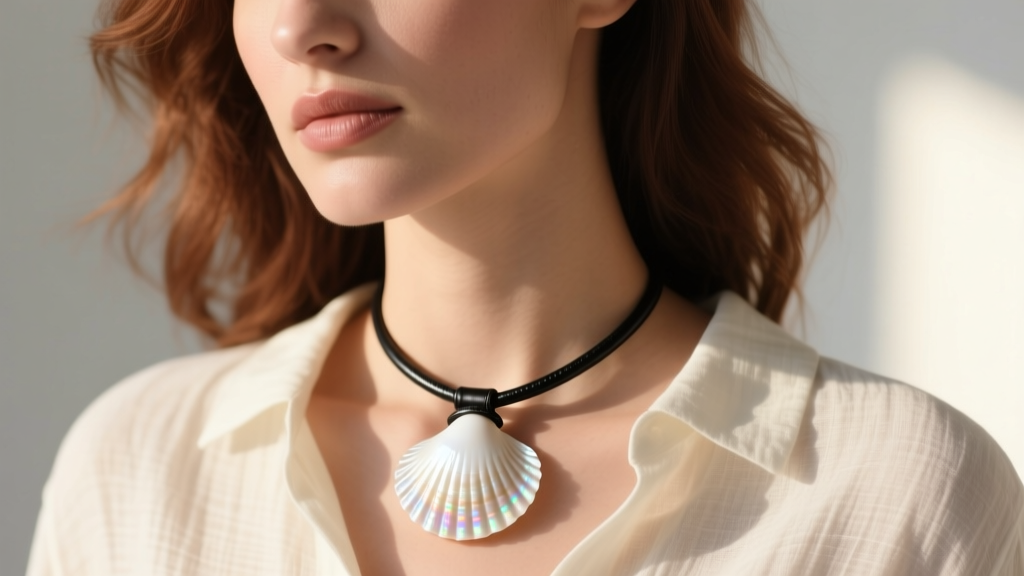
The cone shell necklace has transcended its origins as a simple beach souvenir to become a staple in organic gemstone jewelry. With its striking geometric spire and natural marbling, the cone shell offers a sophisticated yet earthy aesthetic that appeals to both minimalist and bohemian wardrobes. However, navigating the market for authentic organic jewelry can be tricky for beginners. Between synthetic imitations, ethical sourcing concerns, and specific care requirements, buying your first piece requires a bit of insider knowledge.
This beginner-friendly guide will walk you through the biology, grading, styling, and maintenance of the cone shell necklace, ensuring your investment is both beautiful and responsibly sourced.
What Exactly is a Cone Shell Necklace?
A true cone shell necklace features the spire of a marine gastropod mollusk from the Conus genus. While there are over 900 species of cone snails, the jewelry industry primarily utilizes the Conus marmoreus (marbled cone) and Conus litteratus (lettered cone) due to their intricate patterns and durable calcium carbonate structures. Historically, these shells were used as currency and status symbols across Pacific Island and African coastal cultures. Today, they are prized as organic gems, much like pearls, coral, and amber.
Unlike mined gemstones, cone shells are harvested from marine environments. The apex of the shell is carefully cut and drilled to create a bail, allowing it to be suspended from a cord or metal chain. The natural enamel-like outer layer, called the periostracum, is often polished away to reveal the brilliant, patterned calcite layers beneath.
Real vs. Synthetic: The Buyer's Checklist
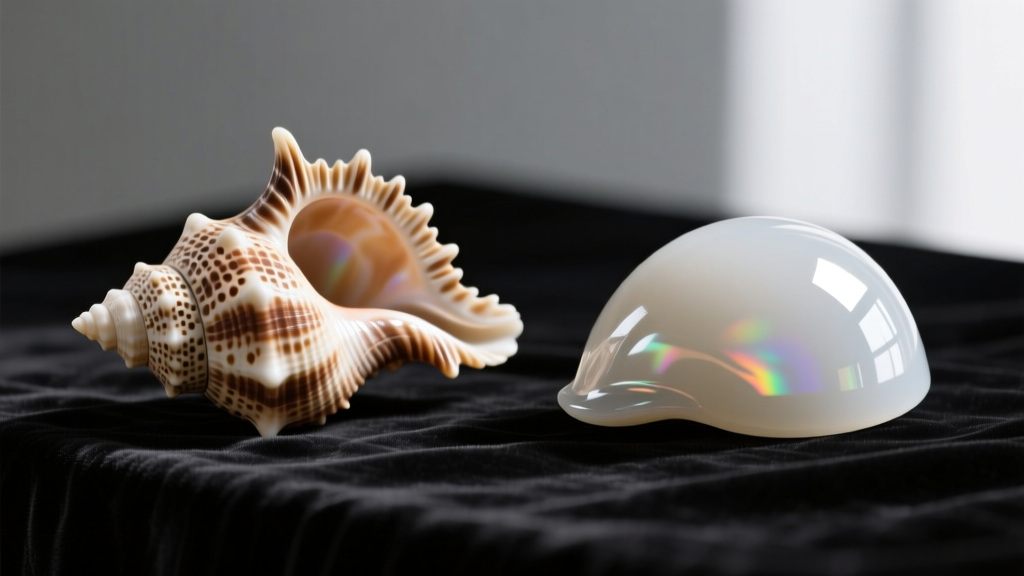
As the popularity of organic jewelry has surged, so has the market for resin and acrylic replicas. Distinguishing a genuine Conus shell from a factory-molded fake is essential for any buyer. Below is a practical comparison framework to help you authenticate your piece.
| Feature | Authentic Conus Shell | Resin / Acrylic Fake |
|---|---|---|
| Temperature | Feels cool to the touch initially; warms slowly | Feels room temperature; warms almost instantly |
| Weight | Dense and surprisingly heavy for its size | Hollow-feeling, exceptionally lightweight |
| Surface Texture | Micro-pitting, natural growth lines, slight asymmetry | Perfectly smooth, uniform, flawless symmetry |
| Drill Hole | Slight chipping or rough edges around the drill site | Clean, perfectly molded hole with no debris |
| Sound | Produces a dense 'clink' when tapped against glass | Produces a dull, plastic 'thud' |
When shopping online, always request macro photography of the drill hole and the shell's apex. Genuine organic materials will always display minor imperfections that prove their natural origin.
Shell Grading and Pricing Explained
Just like diamonds, cone shells are graded based on their visual perfection and structural integrity. Understanding this grading system will help you determine if a retailer's pricing is fair.
Gem Grade (A-Grade)
These shells are flawless, with vibrant coloration, no chips, and a high natural polish. They are typically set in precious metals like 14k gold vermeil or sterling silver. Expect to pay between $120 and $350 for an A-grade cone shell necklace, depending on the metalwork of the setting.
Commercial Grade (B-Grade)
B-grade shells have minor blemishes, slight fading in the pattern, or microscopic chips near the base. They are beautiful to the naked eye and are usually strung on leather cords, hemp, or stainless steel chains. Pricing generally ranges from $35 to $85.
Craft Grade (C-Grade)
These shells feature noticeable chips, significant color loss, or structural repairs. While not recommended for fine jewelry, they are often used in casual, bohemian layering pieces or DIY crafts, typically costing under $20.
Ethical Sourcing: Why It Matters
Because cone shells are marine organisms, overharvesting can severely impact local ecosystems. Certain highly sought-after species, such as the Conus gloriamaris (glory of the seas), are heavily regulated or endangered. As a responsible consumer, you must verify the sourcing practices of the brand you are purchasing from.
Reputable jewelers will explicitly state that their shells are sustainably wild-harvested as byproducts of local food industries or collected from beaches after natural die-offs. Always cross-reference rare species with the CITES species database to ensure the shell you are buying is not protected under international trade bans. Opting for abundant species like the Conus marmoreus is the most eco-friendly choice for beginners.
Styling Frameworks for Beginners
The conical shape of the pendant naturally draws the eye downward, making it an excellent tool for elongating the neck and torso. Here is how to integrate a cone shell necklace into your daily rotation:
- The Plunge Neckline: Pair a 20-inch or 22-inch leather cord cone shell pendant with a deep V-neck or wrap dress. The pendant should rest exactly one inch above the apex of the neckline to frame the chest without overwhelming the fabric.
- The Minimalist Layer: Combine a small, B-grade cone shell on a 1.2mm 14k gold rope chain (16 inches) with a simple gold herringbone choker (14 inches). The mix of organic texture and high-shine metal creates a modern, elevated look.
- The Bohemian Stack: For a relaxed weekend aesthetic, layer a 24-inch hemp-strung cone shell with wooden beads and turquoise spacers. This works best over loose linen button-downs or oversized cotton tees.
Daily Care and Maintenance
Cone shells are composed primarily of calcium carbonate, registering at a mere 3 to 4 on the Mohs hardness scale. This makes them highly susceptible to scratching and chemical degradation. According to the Gemological Institute of America (GIA), organic gems require a drastically different care regimen than crystalline stones like quartz or sapphires.
What to Avoid
Never wear your cone shell necklace in chlorinated pools, hot tubs, or the ocean. The chemicals and salt will rapidly eat away at the calcium carbonate, leaving the shell chalky and brittle. Furthermore, always apply perfumes, hairsprays, and lotions before putting on your necklace. The alcohol and acids in cosmetics will strip the shell's natural luster.
The Cleaning Protocol
- Wipe Down: After wearing, gently wipe the shell with a dry, untreated microfiber cloth to remove skin oils and sweat.
- Deep Clean (Monthly): Dampen a soft cloth with distilled water (never tap water, which contains chlorine and minerals) and gently buff the surface.
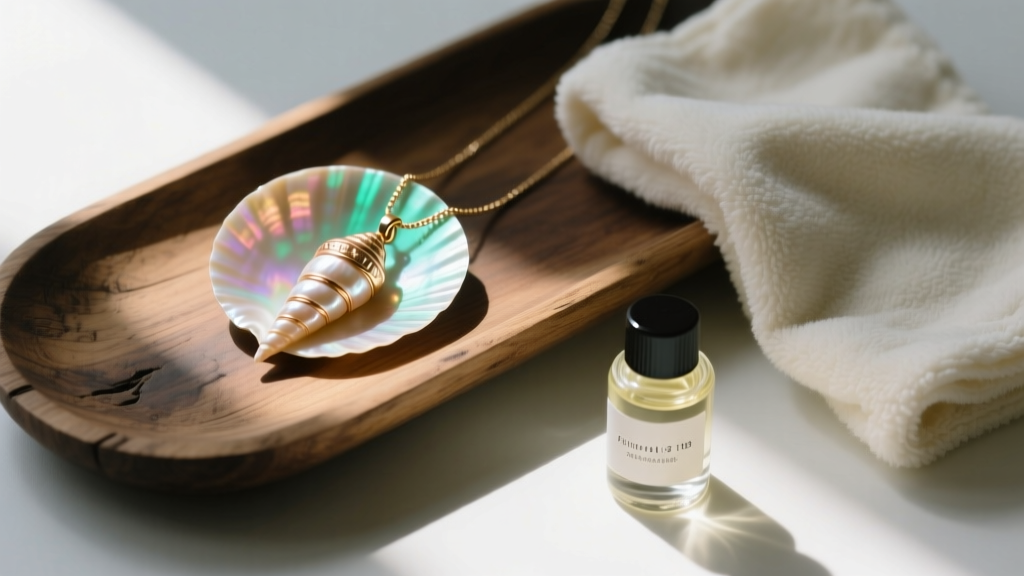
- Rehydration: Once every six months, apply a single drop of food-grade mineral oil to a cotton swab and lightly rub it over the shell. This prevents the organic material from drying out and cracking in arid climates.
Expert Tip: Never use ultrasonic jewelry cleaners or steamers on a cone shell necklace. The high-frequency vibrations will cause micro-fractures within the calcium layers, eventually causing the spire to snap at the drill hole.
By understanding the unique biological makeup and styling potential of the cone shell, you can confidently select a piece that will remain a versatile, eye-catching staple in your jewelry collection for years to come.


