Necklace Medallion Value Guide: What to Pay in 2026
Discover the true value of a necklace medallion in 2026. We break down pricing tiers, metal grades, gram weights, and craftsmanship costs.

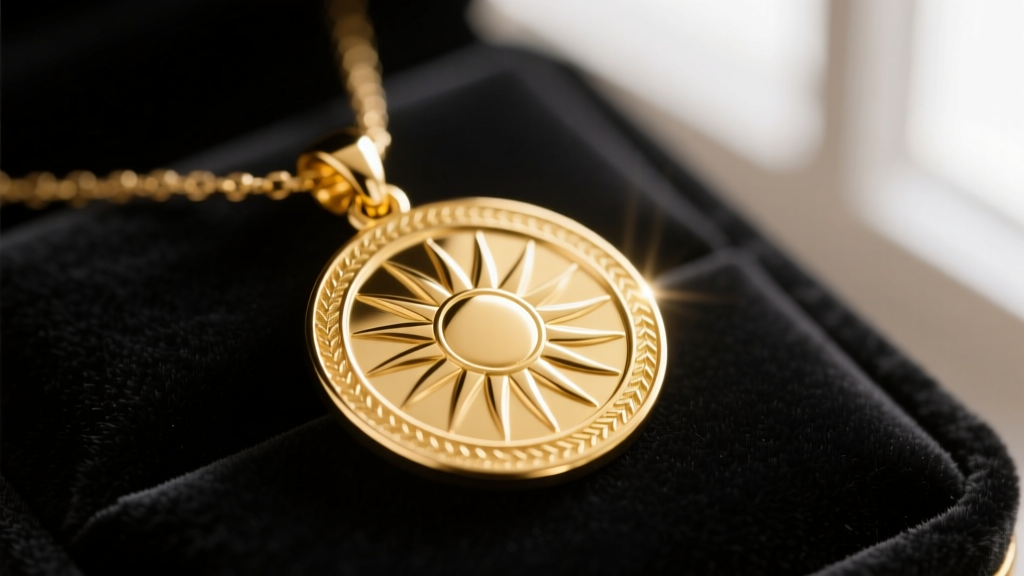
The necklace medallion has transcended its vintage roots to become a permanent staple in modern jewelry wardrobes. However, as gold spot prices continue to fluctuate in 2026 and consumer demand for meaningful, talismanic jewelry remains high, the market has become saturated with options ranging from $30 fashion pieces to $5,000 luxury investments. For the discerning buyer, the challenge is no longer just finding a beautiful design; it is accurately assessing the true value of a necklace medallion before handing over your credit card.
At JewelStyleRadar, we believe that transparency is the ultimate luxury. Whether you are eyeing a heavy 18k solid gold piece or a budget-friendly gold-filled alternative, understanding the metallurgy, manufacturing techniques, and structural integrity of your jewelry is essential. This comprehensive value assessment guide will teach you how to look past the brand markup and evaluate the actual worth of your next medallion purchase.
The 2026 Pricing Matrix: Material Tiers and Expectations
Before diving into the nuances of craftsmanship, we must establish a baseline for what you should expect to pay based on material composition. The following table outlines the current market rates for a standard 20mm to 25mm necklace medallion, excluding extreme brand markups or complex gemstone settings.
| Material Grade | Expected Price Range | Average Gram Weight | Lifespan & Durability |
|---|---|---|---|
| Gold-Filled (1/20 14k GF) | $45 - $95 | 2.0g - 4.0g | 10-30 years (with care) |
| Gold Vermeil (Sterling Base) | $70 - $160 | 2.5g - 5.0g | 2-5 years (requires replating) |
| 14k Solid Gold | $350 - $850 | 3.5g - 6.0g | Lifetime / Heirloom |
| 18k Solid Gold | $900 - $2,200+ | 4.0g - 7.5g | Lifetime / Heirloom |
If a retailer is charging $400 for a vermeil medallion, or $200 for a lightweight 14k piece that weighs under 2 grams, you are paying for marketing, not materials. Always check the gram weight listed in the product specifications.
Decoding the Metals: Where is the Real Value?
When shopping on a budget, the terminology used to describe gold jewelry can be intentionally confusing. To assess value accurately, you must understand the legal and structural definitions of these metals, as outlined by the Federal Trade Commission's Jewelry Guides.
Gold-Filled vs. Gold Vermeil
Gold-filled jewelry is created by mechanically bonding a thick layer of solid gold (usually 14k) to a brass core using heat and pressure. By law, the gold layer must constitute at least 5% (or 1/20th) of the total weight of the item. This makes gold-filled medallions incredibly durable; the gold layer is thick enough that it will not easily rub off, making it the undisputed champion of budget-friendly, long-lasting jewelry.
Gold vermeil, on the other hand, is a sterling silver base plated with a minimum of 2.5 microns of gold. While the sterling silver base holds intrinsic value and is hypoallergenic, the plating is microscopic compared to gold-filled layers. A vermeil necklace medallion will eventually wear down to the silver beneath, especially on the high-friction edges, requiring professional replating every few years. If you want a budget piece that lasts decades without maintenance, gold-filled offers superior value.
14k vs. 18k Solid Gold
According to the Gemological Institute of America (GIA), pure 24k gold is too soft for everyday jewelry. Therefore, it is alloyed with other metals. 14k gold contains 58.5% pure gold, mixed with copper, silver, and zinc for strength. 18k gold contains 75% pure gold, offering a richer, deeper yellow hue but sacrificing some scratch resistance. For a medallion that will be worn daily and subjected to bumps and friction, 14k gold actually provides better structural value and longevity than 18k, despite the lower intrinsic gold content.
Weight, Thickness, and the 'Dent Test'
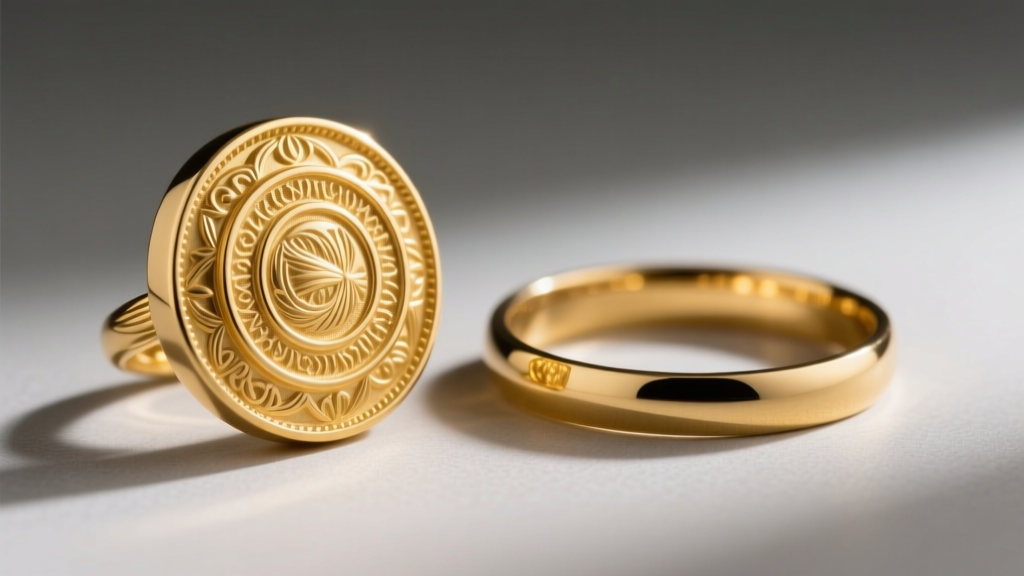
A common trap buyers fall into is focusing solely on the diameter of the medallion while ignoring its thickness. A 25mm medallion looks impressive on a website, but if it is stamped from a sheet of gold that is only 0.8mm thick, it is essentially a fragile coin.
The Dent Test: Solid gold is a relatively soft metal. If a medallion is too thin, everyday wear—such as leaning against a desk, catching it on a sweater, or simply the weight of the chain pulling against the bail—will cause it to warp, bend, or dent. When assessing value, look for a minimum thickness of 1.5mm to 2.0mm for solid gold pieces. A high-quality 20mm solid 14k gold medallion should weigh between 3.5 and 5 grams. If the product description does not list the gram weight, consider it a red flag for flimsy construction.
Manufacturing Methods: Stamped, Cast, or Engraved?
The way a necklace medallion is manufactured heavily dictates its price, its level of detail, and its structural integrity. Understanding these methods will help you determine if a premium price tag is justified.
- Die-Struck / Stamped: A sheet of metal is stamped under immense pressure using a hardened steel die. This process compresses the metal molecules, making the medallion incredibly dense, durable, and resistant to bending. The edges are crisp, and the finish is smooth. This is the best method for flat, geometric, or coin-style medallions and offers excellent value for mass-produced solid gold pieces.
- Cast (Lost-Wax Casting): Molten gold is poured into a mold created from a wax original. Casting allows for intricate, three-dimensional, and sculptural designs that stamping cannot achieve. However, cast pieces are slightly more porous and softer than die-struck pieces. A high-quality cast medallion requires skilled finishing to remove porosity pits and ensure the bail (the loop the chain goes through) is thick enough not to snap.
- Hand-Engraved: True hand engraving involves a master artisan using sharp gravers to carve designs directly into the metal, displacing the gold rather than just scratching it. This creates a brilliant, light-catching texture that machine-laser engraving cannot replicate. Hand-engraved medallions command a massive premium (often adding $300 to $800 to the base metal cost) due to the intense labor involved. If a brand claims a piece is 'hand-engraved' but sells it for under $200 in solid gold, it is likely CNC-milled or laser-etched.
The Chain Factor: Don't Let a Weak Link Ruin Your Investment
A frequent mistake in budget assessment is allocating 95% of the budget to the medallion and pairing it with a cheap, fragile chain. A 5-gram solid gold medallion acts as a pendulum; it swings, catches, and puts immense tensile stress on the chain's clasp and links.

To protect your investment, the chain must be proportionate to the medallion's weight. A general rule of thumb is that the chain should be able to support at least three times the weight of the pendant. For a standard 4-gram medallion, avoid delicate 1mm cable or thread chains. Instead, invest in a 2.0mm to 3.0mm Wheat, Rope, or Curb chain. These interlocking link patterns distribute weight evenly and resist snapping. Furthermore, ensure the clasp is a sturdy lobster clasp or a custom spring ring, rather than a fragile bolt ring, which can easily pop open under the pendulum effect of a heavy medallion.
Brand Markups vs. Independent Jewelers
In 2026, the 'talismanic jewelry' trend has led to massive brand markups in the medallion space. Luxury brands like Foundrae or Anita Ko charge anywhere from $2,500 to $10,000 for 18k gold medallions. While you are paying for exceptional proprietary designs, brand prestige, and flawless finishing, the intrinsic metal value is often only 10% to 15% of the retail price.
For buyers focused purely on material value and craftsmanship, independent jewelers and specialized gold casters offer a much higher return on investment. By working with a reputable independent jeweler, you can commission a custom die-struck or cast 14k gold medallion, select your exact chain gauge, and even add custom hand-engraving, all for a fraction of the designer markup. You are paying for the gold, the labor, and the artistry, rather than a logo on a velvet box.
The JewelStyleRadar Verdict
Assessing the value of a necklace medallion requires looking beyond the aesthetic appeal and interrogating the specs. For the budget-conscious buyer who wants longevity, a heavy 1/20 14k gold-filled piece on a sturdy brass or sterling chain is the smartest entry point. For those ready to invest in a lifetime heirloom, a 14k solid gold, die-struck medallion weighing at least 4 grams, paired with a 2.5mm wheat chain, represents the ultimate sweet spot of durability, intrinsic value, and timeless style. Always demand transparency regarding gram weight and manufacturing methods—true value is always found in the details.


