Beginner Guide to Buying Your First 14kt Pearl Necklace
Discover how to choose your first 14kt pearl necklace. Learn about pearl grades, gold types, pricing, and clasp mechanics in this beginner guide.

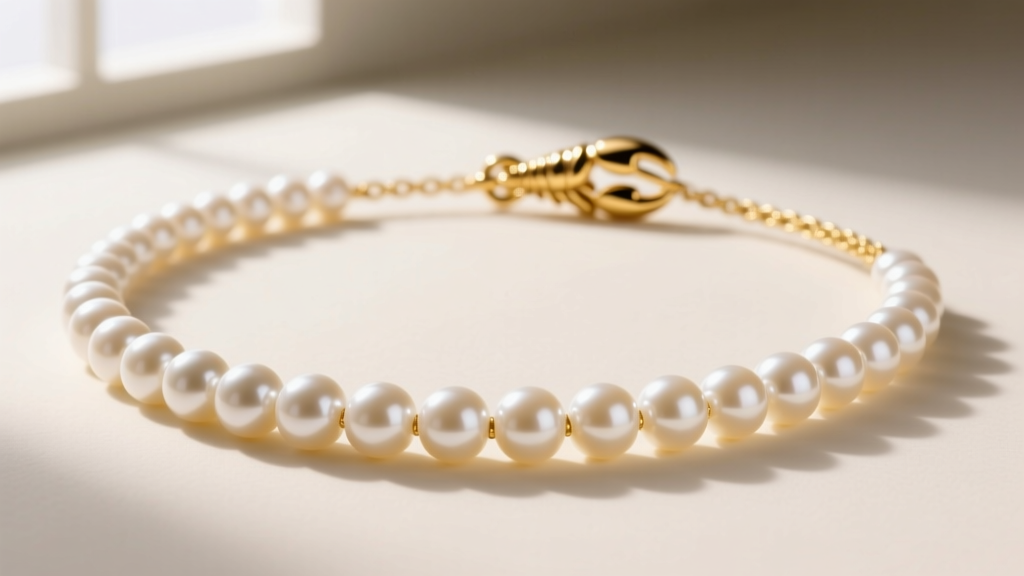
Stepping into the world of fine jewelry can feel overwhelming, especially when navigating the intersection of precious metals and organic gemstones. If you are looking to invest in your first 14kt pearl necklace, you are making a classic choice that bridges everyday elegance and heirloom durability. However, not all pearl strands are created equal, and the '14kt' stamp tells only half the story.
This beginner-friendly explainer will decode the metallurgy, pearl grading, and structural mechanics you need to know before making a purchase. By understanding these specifics, you will avoid overpaying for inferior stringing or mislabeled gold, ensuring your necklace lasts a lifetime.
Decoding the '14kt' Stamp: What Are You Actually Buying?
When you see '14kt' (or 14K) stamped on a necklace clasp or pendant bail, it refers to the gold purity. Pure 24-karat gold is too soft for everyday jewelry, so it is alloyed with other metals for strength. 14kt gold consists of 58.5% pure gold and 41.5% alloy metals (like copper, silver, or zinc). According to the FTC Jewelry Guides, any item stamped 14K or 585 must meet this exact purity threshold in the United States.
Solid 14k vs. 14k Gold Plated (Vermeil)
The most common beginner trap is confusing solid 14k gold with gold-plated alternatives. Here is the breakdown:
- Solid 14k Gold: The entire chain, clasp, and setting are 14k gold. It will never tarnish or rub off, making it the only viable choice for a lifelong pearl strand.
- Gold Vermeil: A thick layer of gold (minimum 2.5 microns) plated over a sterling silver base. It is a budget-friendly option for pearl pendants, but the chain may eventually require re-plating.
- Gold Plated/Flash Plated: A microscopic layer of gold over brass or copper. Avoid this entirely for pearl necklaces, as the base metal will oxidize and degrade the silk thread over time.
Matching Pearl Types to Your 14kt Gold Setting
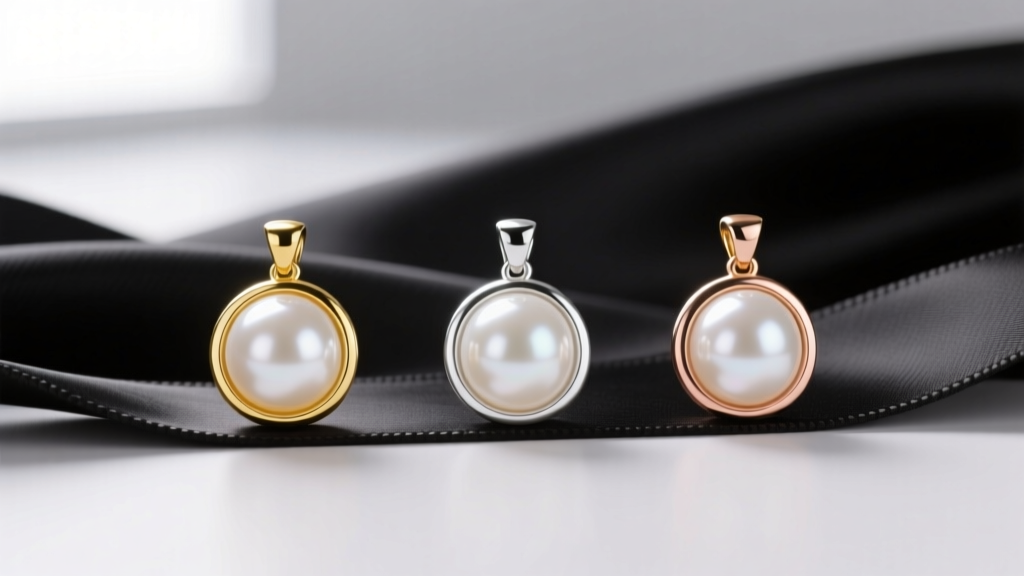
The beauty of a 14kt pearl necklace lies in how the gold's undertone interacts with the pearl's natural overtone. While white gold offers a crisp, modern contrast, yellow and rose gold enhance the warm, creamy overtones of organic gems. According to the Gemological Institute of America (GIA), evaluating a pearl requires looking at luster, surface quality, and nacre thickness.
Here is how the three most common pearl types pair with 14kt gold settings:
| Pearl Type | Avg. Nacre Thickness | Price Range (18' Strand) | Best 14kt Gold Pairing |
|---|---|---|---|
| Freshwater | Solid nacre (no bead) | $150 - $600 | 14kt Rose Gold (enhances peach/pink overtones) |
| Akoya | 0.4mm - 0.8mm | $800 - $3,500 | 14kt Yellow Gold (classic, warm contrast) |
| Tahitian | 0.8mm - 2.0mm+ | $2,000 - $10,000+ | 14kt White Gold (highlights dark peacock hues) |
The Anatomy of a Quality Strand: Clasps and Stringing
A 14kt pearl necklace is only as strong as its weakest link. For beginners, inspecting the stringing and clasp mechanics is just as important as evaluating the pearls themselves.
The Importance of Hand-Knotting
High-quality pearl strands are strung on pure silk thread with a tiny hand-tied knot between every single pearl. This serves two vital purposes: it prevents the pearls from rubbing against each other (which damages the nacre), and if the strand snaps, you will only lose one pearl instead of the entire necklace. If you are buying a strand of Akoya or Tahitian pearls set with a 14kt gold clasp, never accept unknotted steel wire or nylon thread.
Clasp Security: Fishhook vs. Lobster
The clasp is usually where the 14kt gold weight is most concentrated.
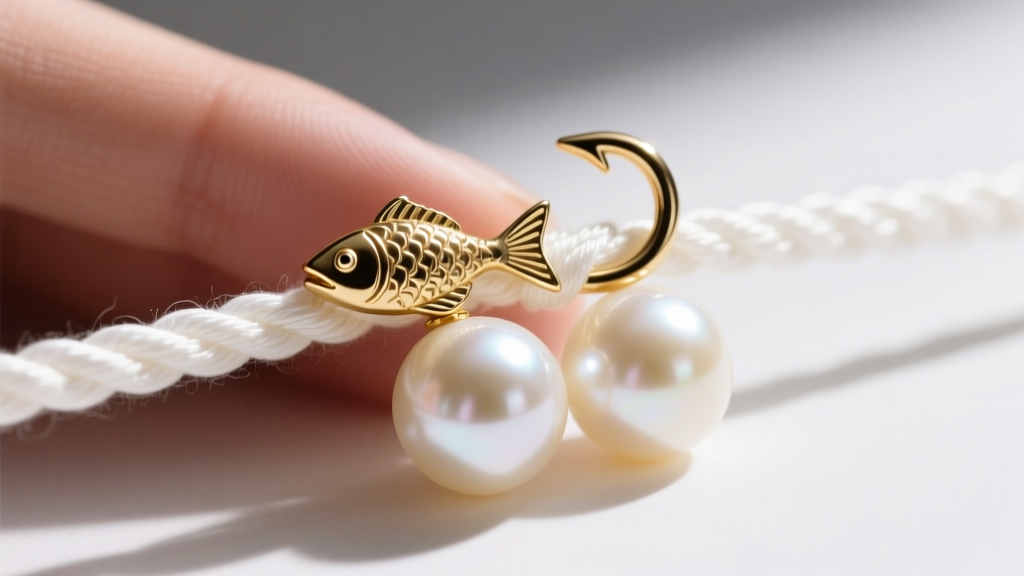
- Fishhook Clasp: The traditional choice for fine pearl strands. A delicate 14kt gold hook slides into a decorative oval box and locks into place. It is highly secure but requires two hands to fasten.
- Lobster Clasp: Easier to put on with one hand, but the internal steel spring inside a standard lobster clasp can eventually rust if exposed to moisture. If you prefer a lobster clasp, ensure the jeweler uses a specialized non-magnetic, rust-proof internal mechanism.
Real-World Pricing: What Should You Actually Pay?
Understanding the baseline costs prevents you from falling for 'too good to be true' discounts. A genuine 14kt pearl necklace carries a premium due to the raw cost of gold and the labor-intensive knotting process.
Rule of Thumb: If an 18-inch Akoya pearl strand with a stamped 14kt gold clasp is priced under $400, it is almost certainly a mislabeled product featuring shell pearls (glass coated in pearl essence) or a heavily plated brass chain.
For a beginner's first purchase, a high-luster, 7mm to 7.5mm Freshwater pearl strand on a solid 14kt yellow gold chain typically retails between $250 and $450. If you are upgrading to a classic Akoya strand with a 14kt gold fishhook clasp, expect to invest between $900 and $1,800 for commercial to fine grades.
Essential Care Rules for Beginners
Pearls are organic gems composed of calcium carbonate, making them highly susceptible to acids, cosmetics, and dehydration. To protect your 14kt pearl necklace, adopt the 'Last On, First Off' rule. Always put your necklace on after applying perfume, hairspray, and makeup, and take it off before showering or exercising.
After wearing, gently wipe the pearls with a soft, lint-free microfiber cloth to remove body oils and sweat. Store the necklace flat in a soft pouch—never hang it, as gravity will stretch the silk thread over time, causing unsightly gaps between the knots. With proper care, your 14kt pearl necklace will remain a brilliant, timeless staple in your jewelry collection for decades to come.


