The Ultimate Blue Stone Necklace Gift Guide for Every Occasion (2026)
Discover the perfect blue stone necklace for any occasion. Our 2026 gift guide covers sapphire, tanzanite, topaz, and expert metal pairings.

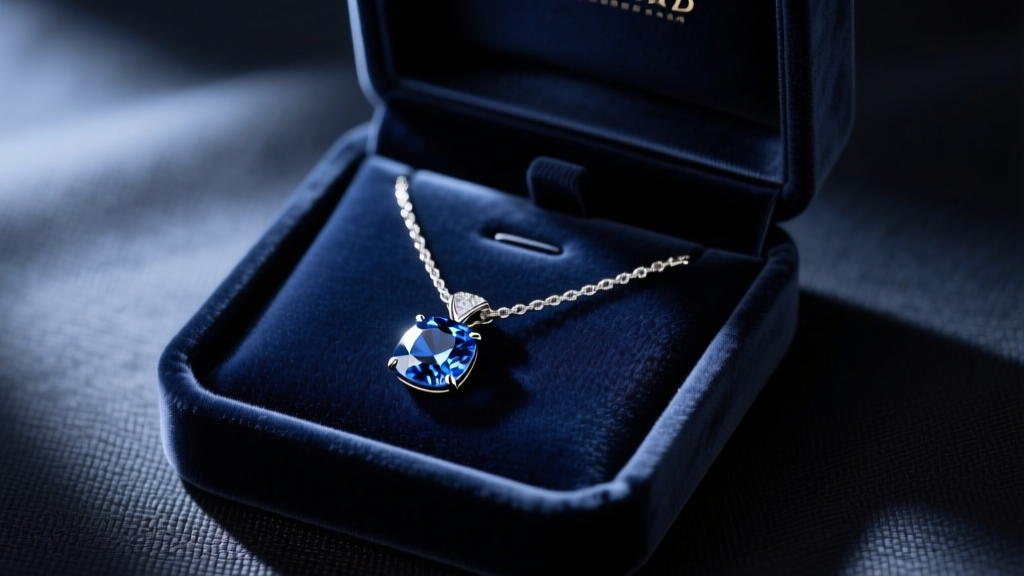
The Psychology and Prestige of Blue Gemstones
Blue gemstones occupy a unique space in color psychology, universally signaling trust, depth, and stability. When selecting a blue stone necklace as a gift, you are navigating a complex matrix of mineralogy, treatment disclosures, and wardrobe mechanics. A generic approach often leads to mismatched expectations—such as gifting a fragile tanzanite to an active recipient, or pairing a deep London Blue Topaz with the wrong metal alloy. This 2026 guide bypasses the fluff, providing actionable, gemological data to help you match the exact blue stone to the recipient's lifestyle and the specific occasion.
Decoding Blue Stones: Hardness, Durability, and Market Value
Not all blue stones are created equal. The durability of a gemstone is measured by the Mohs scale of hardness, but toughness (resistance to chipping and breaking) is equally critical for necklaces, which are prone to swinging and impacting surfaces. According to the Gemological Institute of America (GIA), understanding these physical properties prevents costly gifting mistakes.
| Gemstone | Mohs Hardness | Cleavage / Toughness | Avg. Commercial Price (per ct) | Ideal Gift Occasion |
|---|---|---|---|---|
| Sapphire | 9.0 | None / Excellent | $800 - $4,000+ | Milestone Anniversaries |
| Tanzanite | 6.5 - 7.0 | Perfect / Poor | $400 - $1,200 | 24th Anniversary, Evening Events |
| Aquamarine | 7.5 - 8.0 | Indistinct / Good | $300 - $900 | Graduations, 19th Anniversary |
| London Blue Topaz | 8.0 | Perfect / Fair | $20 - $40 | Birthdays, Career Milestones |
| Lapis Lazuli | 5.5 - 6.0 | N/A (Rock) / Fair | $5 - $20 | Casual Gifting, Bohemian Styles |
As the data illustrates, price and durability vary wildly. A sapphire is a generational stone, while Lapis Lazuli is a porous, delicate rock best suited for occasional, low-impact wear.
Occasion Matching: Which Blue Stone Fits Best?
Milestone Anniversaries (Sapphire & Tanzanite)
For major anniversaries—particularly the 5th (Sapphire) or 24th (Tanzanite)—the gift must convey permanence and exclusivity. Sapphires are the undisputed kings of blue stones. When shopping, prioritize Ceylon (Sri Lankan) sapphires for a vibrant, medium-light cornflower blue, or Australian sapphires for a deeper, inky navy.
Expert Tip: Over 95% of sapphires on the market are heat-treated to improve color and clarity. This is a permanent, universally accepted practice. However, an unheated sapphire with a GRS or GIA certificate commands a 50% to 200% premium and is the ultimate flex for a 10-year anniversary.
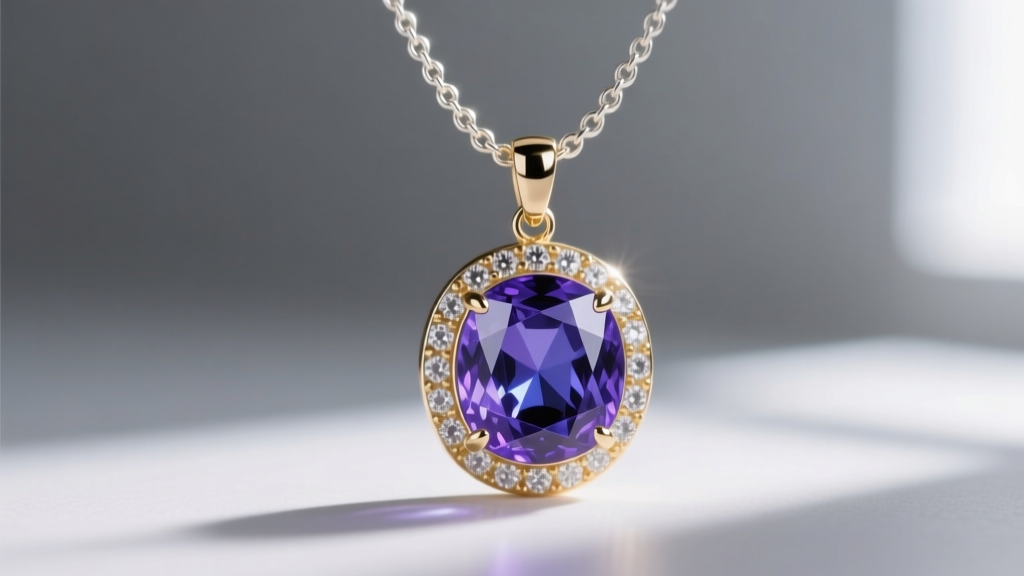
Tanzanite, sourced exclusively from the Merelani Hills of Tanzania, offers intense pleochroism, flashing both violet and blue depending on the lighting. Because tanzanite has perfect cleavage, it must be set in a bezel or a protective halo setting to prevent the girdle from chipping against collarbones or tables.
Graduation & Career Milestones (Aquamarine & Blue Topaz)
Graduations and promotions call for stones that symbolize clarity, calm, and forward momentum. Aquamarine, a variety of beryl, is exceptional here. Look for the highly prized Santa Maria color grade—a deep, saturated blue without green modifiers. Aquamarine is highly durable (Mohs 7.5-8) and takes a brilliant polish, making it ideal for daily office wear.
For a more budget-conscious but visually striking option, London Blue Topaz is unbeatable. Treated via neutron irradiation to achieve its dark, steely-blue hue with slight green undertones, London Blue Topaz costs a fraction of aquamarine (roughly $25-$40 per carat) but delivers massive visual impact in larger carat weights (3ct to 8ct).
Birthdays & "Just Because" (Lapis Lazuli & Kyanite)
For casual gifting, artistic personalities, or bohemian wardrobes, opaque or highly included stones shine. Lapis Lazuli, prized since antiquity, should feature a deep royal blue matrix with evenly distributed, glittering pyrite (fool's gold) inclusions. Avoid stones with large white calcite patches, which lower the value and indicate poor grading. Kyanite is another fascinating option; it features striking color zoning and a unique directional hardness, making it a conversation starter for gemology enthusiasts.
Metal Pairings: Enhancing the Blue Hue
The metal alloy you choose drastically alters the perception of the blue stone. Use this framework to match the metal to the gemstone's undertone:
- Platinum 950 & 18k White Gold: The default for cool-toned stones like London Blue Topaz, Aquamarine, and Tanzanite. The rhodium plating on white gold amplifies the icy, crisp nature of the blue.
- 18k Yellow Gold: Creates a high-contrast, nautical, or regal aesthetic. Yellow gold is the traditional pairing for Lapis Lazuli and deeply saturated Ceylon sapphires, warming up the stone and giving it a vintage, heirloom quality.
- 14k Rose Gold: A modern, romantic choice. The copper in rose gold plays beautifully against the violet undertones of tanzanite, creating a soft, complementary color dynamic that appeals to contemporary fashion sensibilities.
Sizing, Chains, and Bail Mechanics
A common failure point in necklace gifting is the structural mismatch between the pendant weight and the chain gauge. Never pair a heavy 3-carat sapphire pendant with a delicate 0.5mm cable chain; the weight will eventually stretch the links or snap the clasp spring ring.
For pendants weighing between 2 and 5 grams, opt for a 1.0mm to 1.5mm solid box chain or a 1.2mm wheat chain. These weaves distribute weight evenly and resist kinking. Furthermore, verify the pendant's bail (the loop connecting the stone to the chain). A substantial stone requires a bail with an inner diameter of at least 3mm x 4mm to accommodate thicker, weight-bearing chains without causing friction or metal fatigue.
Regarding length, a 16-inch choker sits tightly on the neck and is best for lightweight, single-stone solitaires. An 18-inch princess length is the universal standard, resting perfectly on the collarbone and accommodating most necklines, from V-necks to crew necks.
Expert Buying Checklist: Avoiding Treated and Synthetic Traps
Before finalizing your purchase, run the piece through this gemological checklist to ensure you are paying for what you think you are buying.
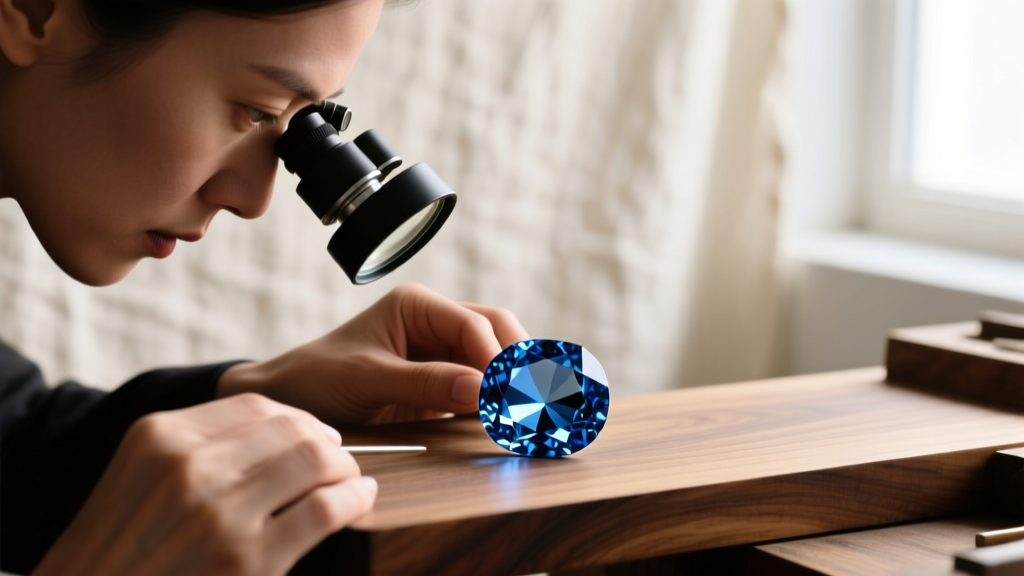
- Beryllium Diffusion Disclosure: Many bright blue or padparadscha sapphires are treated with beryllium diffusion, where elements are baked into the stone to alter color. This must be disclosed by the retailer and significantly lowers the price compared to standard heat treatment.
- Glass Filling: Avoid lead-glass filled sapphires at all costs. They are highly unstable, heavily fractured stones held together by glass. They can shatter from mild impacts or degrade when exposed to citric acid (like lemon juice).
- Synthetic Verification: If a 2-carat, flawless, vivid blue sapphire necklace is priced under $1,000, it is almost certainly a lab-created Verneuil flame-fusion synthetic. Always request a GIA, AGS, or AGL report for natural sapphires priced above $2,000.
- Topaz Coating vs. Irradiation: While irradiation is the standard, stable treatment for blue topaz, some cheaper stones are surface-coated with titanium films (similar to mystic topaz). These coatings will scratch off over time, revealing a colorless stone beneath.
Conclusion
Gifting a blue stone necklace is an exercise in balancing emotion with material science. By understanding the Mohs hardness, cleavage planes, and treatment realities of stones like sapphire, tanzanite, and topaz, you elevate your gift from a simple accessory to a deeply considered, enduring heirloom. Match the stone to the occasion, engineer the chain to support the weight, and select the metal to enhance the hue—ensuring your 2026 gift remains flawless for decades to come.


