A Beginner Guide to Choosing a 60th Birthday Necklace
Learn how to choose the perfect 60th birthday necklace. Explore diamond grades, chain gauges, and metal types for this unforgettable milestone gift.

Why the 60th Milestone Demands a Special Necklace
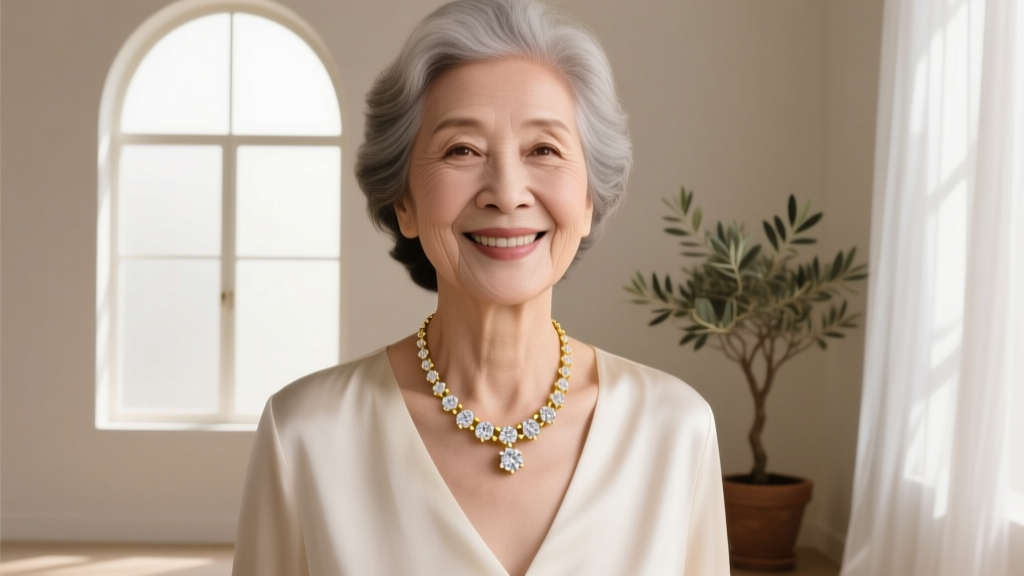
Turning sixty is a profound life milestone, often marking a transition into a new chapter of reflection, elegance, and celebrated maturity. In the world of jewelry, the 60th anniversary or birthday is universally recognized as the Diamond Jubilee. This makes a 60th birthday necklace featuring diamonds the ultimate symbolic gift, representing enduring strength, clarity, and unbreakable bonds. However, for beginners navigating the jewelry market, the sheer volume of options—from carat weights to chain gauges—can be overwhelming.
This comprehensive guide strips away the industry jargon, providing you with a practical, expert-backed framework to select a necklace that is not only visually stunning but structurally sound and financially sensible. Whether you are shopping for your mother, spouse, or treating yourself, understanding the mechanics of fine jewelry ensures your investment stands the test of time.
The Diamond Standard: Navigating the 4Cs for Pendants
Because the 60th milestone is intrinsically linked to diamonds, selecting the right stone is paramount. Unlike engagement rings where the diamond is scrutinized from inches away, a pendant rests on the chest, meaning light performance and visual size take precedence over microscopic perfection.
The Sweet Spot for Diamond Grades
According to the Gemological Institute of America (GIA), a diamond's cut is the most critical factor in its brilliance. For a 60th birthday necklace, prioritize an 'Excellent' or 'Very Good' cut grade. This ensures the stone catches ambient light beautifully, even from a distance.
- Color: Aim for the G-H range (near colorless). Once set in a pendant, the human eye cannot easily distinguish between a D (colorless) and an H diamond, saving you up to 30% on the price.
- Clarity: VS2 or SI1 (Very Slightly Included) is the ideal threshold. Inclusions in SI1 diamonds are typically invisible to the naked eye, especially when the stone is in constant motion on a necklace chain.
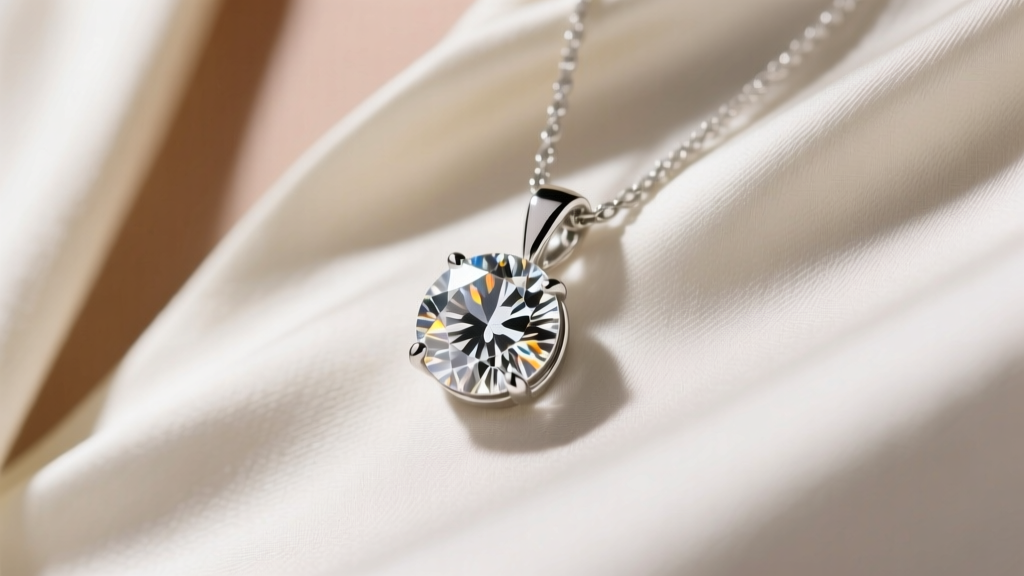
- Carat Weight: For a sophisticated, everyday pendant, a 0.50ct to 1.00ct round brilliant or cushion cut offers substantial presence without feeling overly heavy or ostentatious.
Lab-Grown vs. Natural Diamonds in 2026
Lab-grown diamonds have completely matured in the market, offering identical physical and chemical properties to mined stones. For a 60th birthday gift, opting for a lab-grown diamond allows buyers to upgrade to a 1.50ct or 2.00ct stone within a budget that would only afford a 0.75ct natural diamond. This is a highly strategic choice for maximizing visual impact.
Decoding Precious Metals for Everyday Elegance
The metal you choose dictates the necklace's longevity, skin compatibility, and maintenance requirements. A milestone gift should never be crafted from base metals or heavy plating, which will inevitably wear off. Below is a structural comparison of the best metals for a 60th birthday necklace.
| Metal Type | Purity Grade | Durability & Maintenance | Estimated Price Range (Chain + Setting) |
|---|---|---|---|
| Platinum | 950 (95% Pure) | Hypoallergenic, extremely durable, develops a soft patina over time. | $1,200 - $4,500+ |
| 18k Yellow/White Gold | 750 (75% Pure) | Rich color, softer than 14k, requires occasional polishing. | $800 - $2,500 |
| 14k Yellow/White Gold | 585 (58.3% Pure) | Excellent daily wear resistance, highly affordable, standard US choice. | $400 - $1,200 |
| Sterling Silver | 925 (92.5% Pure) | Prone to tarnish, requires frequent cleaning, best for tight budgets. | $150 - $400 |
A Warning on Gold Vermeil and Plating
When shopping for a 60th birthday necklace, avoid 'gold vermeil' or 'gold-plated' brass. While initially shiny, the microscopic layer of gold will wear away within months of daily wear, exposing the base metal beneath and potentially causing skin discoloration. Always look for solid karat gold or platinum hallmarks.
Chain Architecture: Gauges, Styles, and Clasps
A common beginner mistake is pairing a heavy diamond pendant with a weak, overly delicate chain. The chain's gauge (thickness) and style dictate its tensile strength and how it drapes across the collarbone.
Choosing the Right Chain Style
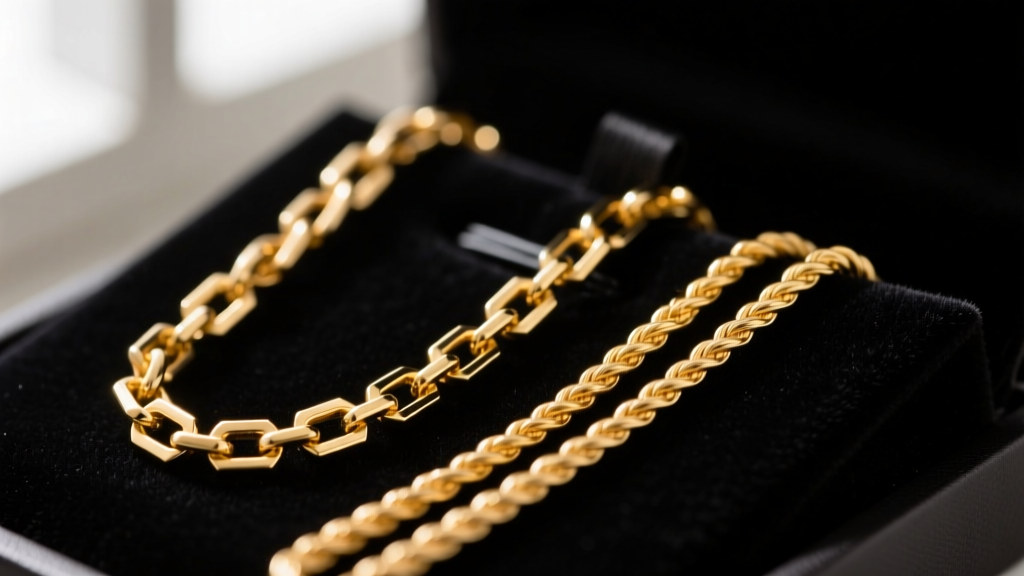
- Box Chains (1.2mm - 1.5mm): Composed of square links, these are incredibly strong and lay flat against the skin. A 1.2mm 14k gold box chain is the industry gold standard for diamond solitaire pendants.
- Rope Chains (1.5mm - 2.0mm): Twisted links that reflect light brilliantly. They are highly durable but can occasionally catch on fine knit sweaters.
- Cable Chains (0.8mm - 1.0mm): Classic oval links. While beautiful, anything under 1.0mm is prone to snapping if the pendant exceeds 3 grams.
- Snake Chains: Avoid these. While sleek, their tight tubular structure makes them highly susceptible to permanent kinking if bent or slept in.
The Clasp Mechanism
Ensure the necklace features a lobster clasp rather than a spring ring clasp. Lobster clasps have a solid internal spring mechanism and a larger surface area, making them significantly easier for older hands to manipulate and far less likely to accidentally unhook.
Length and Neckline Pairing Framework
The length of the chain determines where the pendant rests, which in turn influences how it pairs with the wearer's wardrobe. For a versatile 60th birthday necklace, the 18-inch length is the undisputed champion. It sits perfectly on the collarbone, complementing everything from crewneck sweaters to open blouses.
Pro-Tip: Many high-end jewelers now offer an 18-inch chain with a 2-inch extender. This allows the wearer to adjust the necklace to 20 inches for a lower drape over winter turtlenecks or high-neck dresses.
Budgeting for a 60th Birthday Necklace
Setting a realistic budget helps narrow down the vast sea of options. Here is a practical tiering system based on current market valuations for fine jewelry:
- Tier 1: The Thoughtful Classic ($400 - $900)
Focus on a 0.25ct to 0.40ct lab-grown or natural diamond set in 14k solid gold. This tier offers exceptional daily-wear elegance without breaking the bank. - Tier 2: The Milestone Standard ($1,000 - $2,500)
The sweet spot for a 60th birthday. Expect a 0.50ct to 0.85ct diamond (VS clarity, G-H color) in 18k gold or a platinum setting. This tier commands attention and signifies a major life event. - Tier 3: The Heirloom Investment ($3,000+)
Features 1.00ct+ natural diamonds, intricate halo settings, or custom-designed lockets incorporating multiple birthstones of children and grandchildren.
Verifying Authenticity and Hallmarks
Before finalizing your purchase, always verify the metal hallmarks. According to the Jewelers of America, legitimate fine jewelry must be stamped with its purity mark (e.g., 14K, 18K, PT950) and the manufacturer's trademark. If a piece lacks these microscopic stamps on the clasp or jump ring, walk away.
Expert Insight: Always request a grading report from a reputable, independent laboratory like the GIA or IGI for any diamond pendant over 0.50 carats. In-store 'appraisals' are often inflated for insurance purposes and do not substitute for an objective scientific grading report.
Final Thoughts on Gifting
Selecting a 60th birthday necklace is an exercise in balancing aesthetic beauty with structural integrity. By prioritizing an excellent cut grade, opting for a durable 1.2mm box or rope chain, and insisting on solid precious metals, you ensure the piece becomes a cherished daily companion rather than a fragile keepsake hidden in a drawer. Approach the purchase with these technical guardrails in mind, and you will deliver a gift that truly honors six decades of life, love, and resilience.


