A Beginner's Guide to Choosing a Cross Necklace With Black Diamonds
Discover how to choose the perfect cross necklace with black diamonds. Learn about treated vs. natural stones, settings, and chain pairings.

The Rise of Dark Elegance in Everyday Jewelry
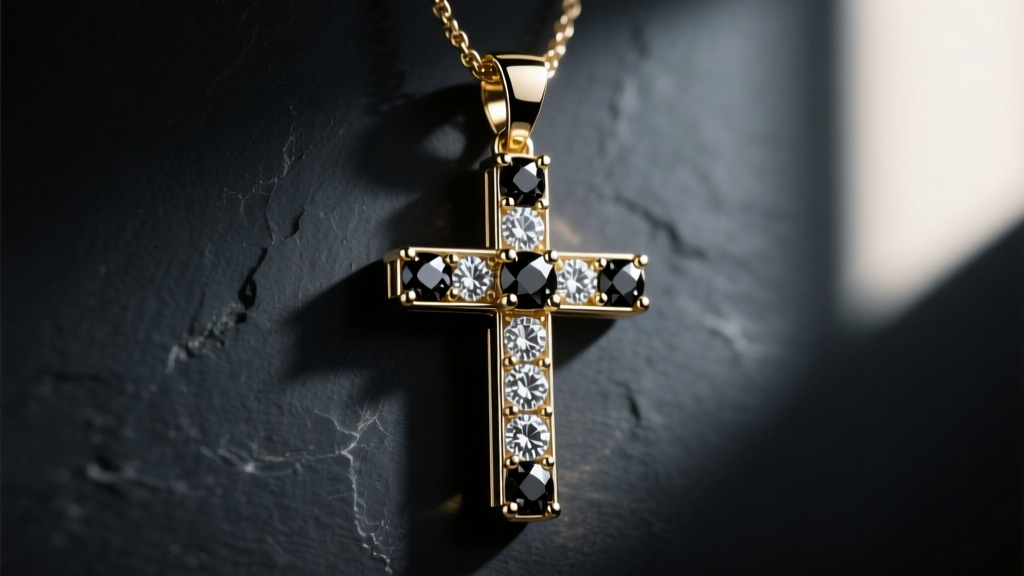
When you begin exploring fine jewelry, the traditional white diamond cross pendant is often the default choice. However, a cross necklace with black diamonds offers a striking, modern alternative that bridges the gap between classic symbolism and contemporary edge. Whether you are drawn to gothic aesthetics, minimalist streetwear, or simply want a piece that stands out from the crowd, black diamonds provide an opaque, moody brilliance that white diamonds cannot replicate.
For beginners, navigating the world of dark gemstones can be confusing. Unlike traditional clear diamonds, black diamonds interact with light entirely differently, and the market is flooded with both natural and heavily treated stones. This guide will break down the gemological realities, structural settings, and styling metrics you need to know before making your first purchase.
Natural Carbonado vs. Treated Black Diamonds: The Core Difference
The most critical concept to grasp when shopping for black diamond jewelry is the origin of the stone's color. According to the Gemological Institute of America (GIA), the vast majority of black diamonds on the commercial market are not naturally black. They are low-grade, heavily included white diamonds that have been subjected to irradiation or heat treatment to turn them opaque black.
Natural black diamonds, known as carbonados, are incredibly rare. They are polycrystalline structures composed of diamond, graphite, and amorphous carbon. Because of their porous nature and heavy inclusions, natural carbonados are actually more brittle than treated diamonds, making them challenging to cut into precise cross shapes.
| Feature | Natural Carbonado | Irradiated/Treated |
|---|---|---|
| Origin of Color | Natural graphite/carbon inclusions | Artificial irradiation or heat |
| Durability | Brittle, prone to chipping | Standard diamond hardness (10 Mohs) |
| Price Point | High (Collector/Luxury tier) | Affordable (Entry-level fine jewelry) |
| Appearance | Matte, slightly porous surface | Highly polished, glassy finish |
Beginner Tip: Do not be afraid of treated black diamonds. Irradiation is a permanent, widely accepted gemological process that yields a more durable stone for everyday wear. Just ensure the retailer discloses the treatment, as required by Federal Trade Commission (FTC) jewelry guidelines.
Selecting the Right Setting for Opaque Stones
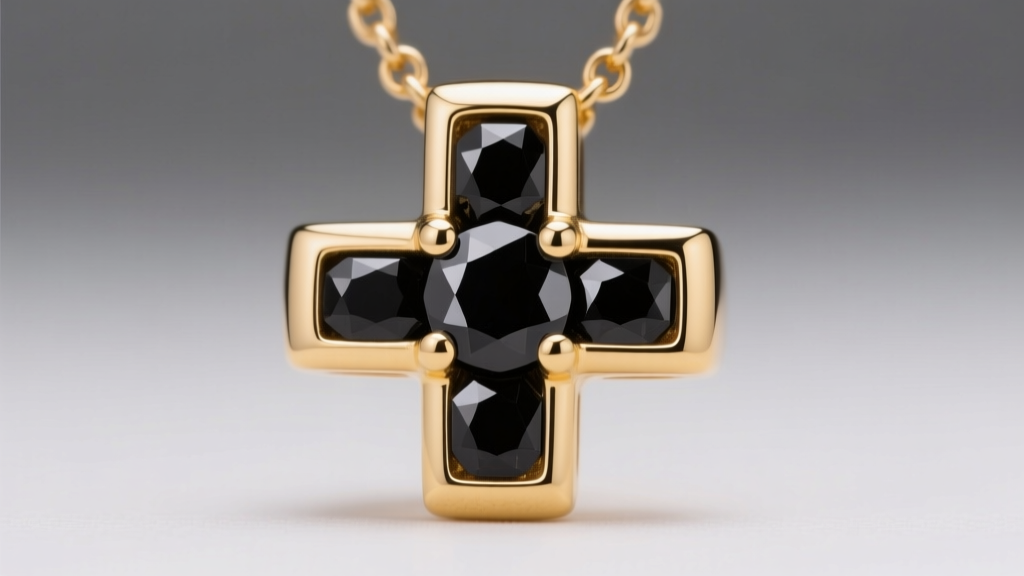
Because black diamonds do not refract light (they absorb it), the setting you choose for your cross pendant dictates the entire visual impact of the piece. Traditional prong settings are designed to let light enter the sides of a clear diamond to maximize sparkle. For opaque black stones, you want settings that emphasize surface contrast and geometric lines.
Bezel Settings for Maximum Security
A bezel setting wraps a thin rim of metal entirely around the perimeter of the diamond. This is highly recommended for black diamond crosses, especially if the stones are natural carbonados, as the metal rim protects the brittle edges from chipping against zippers or hard surfaces.
Pavé and Channel Settings for High Contrast
If you are buying a cross pendant featuring multiple smaller black diamonds, a pavé or channel setting works beautifully. By setting treated black diamonds flush into 14k white gold or platinum, you create a stark, high-contrast monochromatic look that catches the eye without relying on gemstone sparkle.
Chain Pairings: Widths, Metals, and Lengths
A cross pendant is only half the equation; the chain you pair it with will define its overall aesthetic. Here is a practical framework for matching your chain to your pendant:
- Metal Selection: 14k white gold is the most popular pairing for black diamonds because the rhodium-plated finish creates a sharp, icy contrast against the dark stones. However, 14k yellow gold offers a warmer, vintage-inspired look that is currently trending in modern streetwear.
- Chain Width: For a standard 1-inch to 1.5-inch cross pendant, opt for a chain width between 1.5mm and 2.5mm. Anything thicker (like a 5mm Cuban link) will visually overpower a delicate black diamond cross, while anything thinner (1.0mm) risks snapping under the weight of solid gold and dense diamonds.
- Length Guidelines:
- 18 Inches: Sits at the collarbone. Ideal for minimalist, tucked-in styling or layering with shorter chokers.
- 20 Inches: Falls just below the collarbone. The universal standard for men's and women's cross necklaces, perfect for resting over a t-shirt.
- 24 Inches: Rests on the chest. Best for streetwear, layering over hoodies, or making a bold, standalone statement.
Real-World Pricing Tiers
Understanding what you should actually pay prevents you from overpaying for treated stones or underestimating the cost of fine craftsmanship. Here is a realistic pricing breakdown for a cross necklace with black diamonds:
- Fashion / Entry-Level ($80 - $250): Sterling silver bases with 0.10 to 0.25 carat total weight (CTW) of treated black diamonds. Great for beginners testing the aesthetic.
- Core Fine Jewelry ($400 - $900): Solid 10k or 14k gold chains and pendants featuring 0.50 to 1.00 CTW of well-cut treated black diamonds in secure pavé or bezel settings.
- Luxury / Bespoke ($1,500 - $4,000+): 18k gold or platinum settings featuring natural, unheated carbonado diamonds, or custom-designed crosses with mixed white and black diamond halos.
Care, Cleaning, and Durability Warnings
One of the most common mistakes beginners make is cleaning their black diamond jewelry using harsh methods. While diamonds are a 10 on the Mohs hardness scale, the inclusions inside black diamonds make them vulnerable to sudden temperature changes and high-frequency vibrations.
Never use an ultrasonic cleaner on a black diamond cross. The high-frequency vibrations can cause internal fractures to expand, potentially shattering the stone or causing it to fall out of its setting. Similarly, avoid steam cleaners.
The Safe Cleaning Method: Mix a few drops of mild dish soap into a bowl of warm (not hot) water. Soak the necklace for 15 minutes, then gently scrub the back of the cross pendant with a soft-bristled baby toothbrush to remove skin oils and lotion buildup. Rinse with distilled water and pat dry with a microfiber cloth.

Final Thoughts for First-Time Buyers
Choosing a cross necklace with black diamonds is an exercise in embracing contrast and modern design. By understanding the difference between natural carbonado and treated stones, prioritizing protective settings like bezels, and pairing your pendant with a correctly sized 14k gold chain, you will secure a piece of jewelry that is both deeply meaningful and visually striking. Start with a treated black diamond in 14k white gold for the most versatile, durable, and high-contrast entry into dark gemstone jewelry.


