Gold Filled Jewelry Necklace Value: A Buyer's Cost Guide
Discover if a gold filled jewelry necklace is worth your money. We break down FTC standards, pricing tiers, and how it compares to vermeil and solid gold.

When navigating the crowded market of gold alternatives, consumers are frequently bombarded with confusing terminology. Gold plated, gold vermeil, rolled gold, and gold filled all promise the luxurious aesthetic of solid gold without the exorbitant price tag. However, not all of these materials are created equal, and the price discrepancies can be staggering. If you are considering a gold filled jewelry necklace as a budget-friendly alternative to solid karat gold, understanding the metallurgy, manufacturing standards, and real-world failure modes is essential to making a financially sound decision.
In this comprehensive value assessment, we strip away the marketing fluff to evaluate the true return on investment (ROI) of gold filled chains. By examining Federal Trade Commission (FTC) regulations, comparing market pricing across different chain styles, and identifying specific structural vulnerabilities, you will learn exactly when a gold filled piece is a brilliant budget hack—and when it is an overpriced liability.
The Metallurgy of Value: What Actually is Gold Filled?
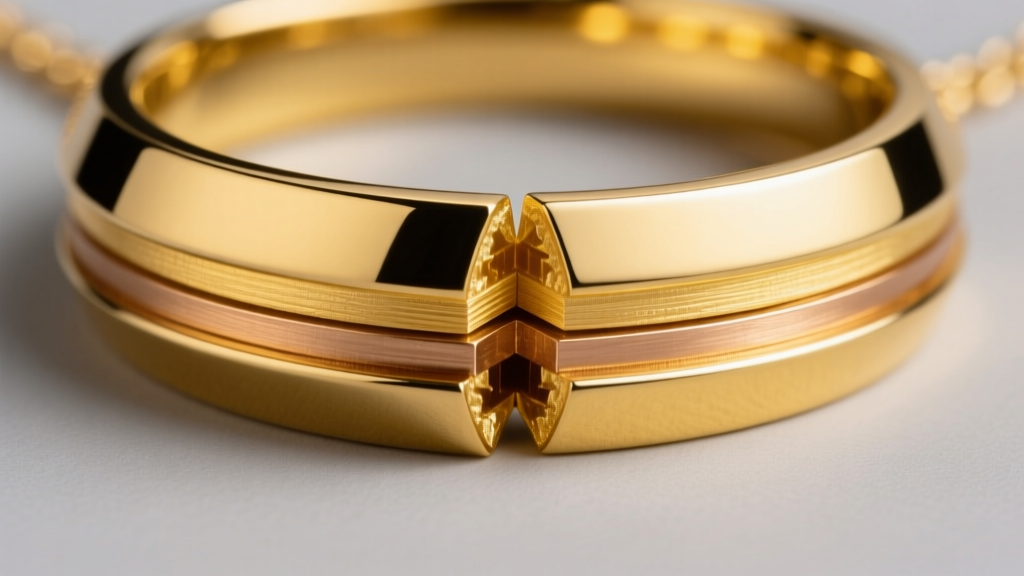
To assess value, we must first define the material. Unlike gold plating, which relies on a microscopic electroplated layer of gold measured in fractions of a micron, gold filled material is created through a mechanical bonding process. A thick sheet of karat gold (usually 12k or 14k) is fused to a base metal core—typically jeweler's brass—using extreme heat and pressure.
According to the Federal Trade Commission (FTC) Jewelry Guides, for an item to be legally stamped and sold as 'gold filled' in the United States, the gold layer must constitute at least 1/20th (or 5%) of the total weight of the metal product. This is a massive distinction. While a standard gold plated necklace might feature a gold layer that is 0.5 microns thick, a 14k gold filled necklace boasts a gold layer that is dozens of times thicker, making it highly resistant to the friction and environmental factors that cause cheaper alternatives to rub off and expose the base metal.
Cost vs. Longevity: The Value Matrix
When evaluating a gold filled jewelry necklace, context is everything. The value proposition changes drastically depending on what you are comparing it to. Below is a data-driven matrix comparing the four most common gold necklace categories on the market today, based on a standard 16-inch, 1.5mm cable chain.
| Material Type | Base Metal Core | Gold Layer Thickness | Average Price Range | Expected Daily Lifespan |
|---|---|---|---|---|
| Gold Plated (Flash) | Brass or Copper | < 0.5 microns | $12 - $25 | 1 - 6 months |
| Gold Vermeil | Sterling Silver | 2.5+ microns | $45 - $85 | 1 - 3 years |
| 14k Gold Filled | Jeweler's Brass | 1/20th of total weight | $35 - $60 | 5 - 15+ years |
| Solid 14k Gold | None (Alloyed) | Solid throughout | $180 - $250 | Lifetime / Heirloom |
As the data illustrates, gold filled jewelry occupies a unique 'sweet spot' in the market. It is often priced similarly to, or even slightly lower than, high-quality gold vermeil, yet it offers a lifespan that significantly outpaces vermeil in high-friction, high-moisture environments. The Gemological Institute of America (GIA) notes that while vermeil is prized for its precious metal core, the thick mechanical gold layer of a filled piece provides superior tarnish resistance for everyday wear.
When a Gold Filled Jewelry Necklace is a Smart Buy
Budgeting for jewelry is not just about finding the lowest price; it is about allocating funds where they yield the highest aesthetic and functional return. A gold filled jewelry necklace is an exceptionally smart buy in the following scenarios:
1. Heavyweight and Statement Chains
If you desire the look of a thick, heavy chain—such as a 5mm Cuban link or a complex rope chain—solid gold becomes prohibitively expensive due to the sheer volume of metal required. A solid 14k gold 5mm Cuban link chain can easily exceed $2,500. A gold filled equivalent, which contains a brass core to provide the necessary weight and structural integrity without the precious metal cost, typically retails between $90 and $140. The visual difference to the naked eye is virtually imperceptible, making the ROI on gold filled statement pieces incredibly high.
2. High-Moisture and Active Lifestyles
Gold vermeil (gold over sterling silver) is highly susceptible to tarnishing when the thin gold layer wears thin and the silver core is exposed to sweat, chlorine, or sulfur. Because the brass core in a gold filled chain is completely encapsulated by a much thicker layer of karat gold, it can withstand daily showers, gym sessions, and humid climates far better than vermeil or standard plated jewelry.
Red Flags: Spotting Overpriced or Misleading Chains
The jewelry market is rife with deceptive marketing tactics designed to make cheap jewelry sound premium. When shopping for a gold filled necklace, you must be vigilant against the following red flags:
- 'Gold Overlay' or 'Heavy Gold Electroplate' (HGE): These terms are frequently used to disguise standard electroplating. HGE does not meet the FTC's 1/20th weight requirement and will eventually wear through to the base metal.
- Missing Hallmarks: Authentic gold filled chains should be stamped with a quality mark indicating the karat of the gold used and the ratio of the gold to the base metal. Look for stamps like 1/20 14K GF or 1/20 12K GF. If the chain simply says '14K' without the 'GF' or fraction, it is either solid gold or fraudulently stamped.
- The 'Rolled Gold' Loophole: While historically similar to gold filled, modern 'rolled gold' items sometimes contain less than the 1/20th minimum required for the 'gold filled' designation. Always verify the exact fraction stamp.
Failure Modes and Maintenance ROI
To maximize the lifespan and value of your investment, you must understand how and why gold filled jewelry fails. While the gold layer itself will not flake or peel like electroplated gold, the construction of the necklace introduces specific vulnerabilities.
The Clasp Conundrum
The most common failure point on any gold filled jewelry necklace is the clasp. Spring rings and lobster clasps require an internal steel spring to function. Because gold filled wire cannot be easily manipulated into these complex, tension-bearing mechanisms without exposing the brass core, the clasps are often made of solid gold or heavily gold-plated brass. Consequently, the clasp may tarnish or fade years before the chain itself shows any wear. When assessing value, factor in the potential cost of replacing a $5 gold-plated clasp with a solid 14k gold lobster clasp down the line.

Galvanic Corrosion and Cut Ends
Whenever a gold filled wire is cut—such as at the jump rings connecting the chain to the clasp—the brass core is exposed. If this exposed brass comes into prolonged contact with moisture and a dissimilar metal, galvanic corrosion can occur, leading to localized green discoloration on the skin or black tarnish at the connection points. High-quality manufacturers mitigate this by using soldered jump rings or applying a microscopic clear sealant to the cut ends. When purchasing, inspect the connection rings; if they are unsoldered and visibly copper-colored at the cut seam, the necklace is more prone to localized tarnishing.
Cleaning Protocols for Longevity
Never use ultrasonic cleaners or harsh chemical dips on gold filled jewelry. The intense vibrations and harsh acids can compromise the mechanical bond at the microscopic level or attack the exposed brass at the cut ends. Instead, clean your necklace using a few drops of mild, phosphate-free dish soap (like Dawn) and warm water, gently agitating with a soft baby toothbrush. Dry thoroughly with a microfiber cloth to prevent water spots.
Final Verdict: Assessing the True ROI
Is a gold filled jewelry necklace worth the investment? From a strict budget and value assessment perspective, the answer is a resounding yes—provided you are buying it for the right reasons. It is the undisputed champion for consumers who want the durability, hypoallergenic properties, and rich color of 14k gold for everyday wear, but who cannot justify the $300+ price tag of a solid gold chain.
However, it is not an heirloom asset. Unlike solid gold, which retains intrinsic melt value and can be easily repaired or resized by any bench jeweler, gold filled jewelry cannot be melted down for scrap value, and soldering repairs are notoriously difficult due to the risk of burning through the gold layer into the brass core. Treat your gold filled necklace as a high-quality, long-term fashion asset rather than a financial investment, and it will deliver exceptional aesthetic value for a decade or more.