Shot Glass Necklace Value Guide: Price vs Quality
Discover the true value of a shot glass necklace. We break down pricing tiers, material grades like borosilicate vs. resin, and chain quality.
The 2026 Novelty Market: Beyond the Party Favor
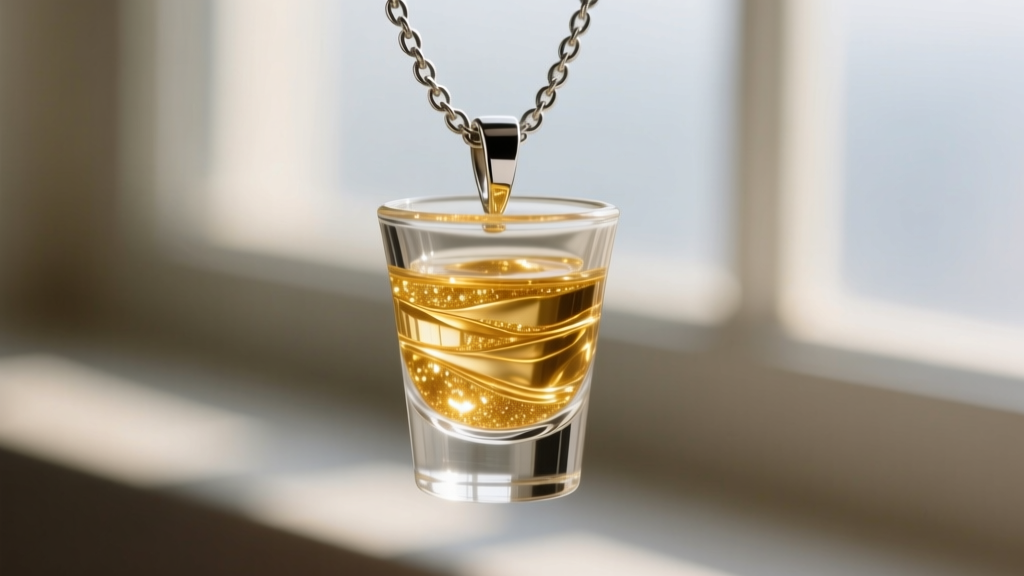
As we navigate the 2026 festival and alternative fashion season, the shot glass necklace has evolved from a cheap, mass-produced party favor into a legitimate medium for micro-glassblowing artisans and precision resin casters. Originally popularized in the early 2010s as a staple of rave and bartender culture, this quirky pendant style now spans a massive spectrum of quality. For the untrained eye, a $12 acrylic charm and a $140 hand-blown borosilicate piece might look similar in a dimly lit venue, but their material integrity, longevity, and actual value are worlds apart.
When conducting a budget and value assessment on novelty drinkware jewelry, you must look past the aesthetic and evaluate the specific gravity of the materials, the chemical stability of the casting medium, and the tensile strength of the hardware. This guide will help you determine exactly what you are paying for and how to spot a genuine artisan piece disguised as fast fashion.
Material Breakdown: Glass vs. Resin vs. Acrylic
The core value of any shot glass necklace is dictated by its primary medium. Miniature drinkware pendants are generally crafted from one of three materials, each with distinct physical properties and price points.
1. Borosilicate Glass (The Artisan Standard)
True glassblowers use borosilicate glass (the same material used in high-end laboratory beakers and premium bongs) to craft miniature shot glasses. Borosilicate is highly resistant to thermal shock and physical scratching. According to the GIA Gem Encyclopedia, glass with a high boron trioxide content maintains optical clarity indefinitely and will not degrade from skin oils or UV exposure. These pieces are kiln-annealed to relieve internal stress, meaning they can survive a drop onto a hardwood floor without shattering.
2. Epoxy and UV Resin (The Indie Caster)
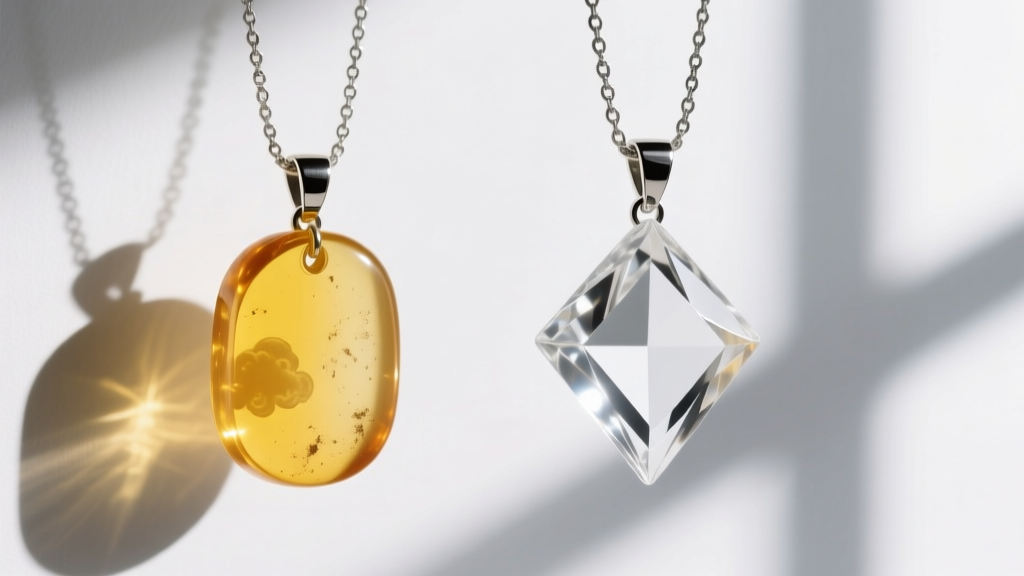
Many independent jewelers cast shot glass pendants using silicone molds and two-part epoxy resin. While resin allows for incredible internal inclusions—like suspended glitter, dried florals, or faux liquid effects—it has a critical flaw: UV degradation. According to Resin Obsession, even high-grade epoxy will eventually yellow when exposed to sunlight unless heavily fortified with HALS (Hindered Amine Light Stabilizers) and UV absorbers. A high-value resin piece will be crystal clear and feature a domed, polished meniscus at the top, whereas low-value resin will show mold lines and micro-bubbles.
3. Injection-Molded Acrylic and PVC (The Fast Fashion Tier)
If the pendant feels exceptionally light and has a visible seam running down the side, it is injection-molded acrylic or PVC. These cost pennies to manufacture and are prone to micro-scratches that cloud the material within a few months of wear.
Pricing Tiers & Value Assessment Matrix
To accurately assess whether a shot glass necklace is priced fairly, cross-reference the asking price with the manufacturing method and hardware quality outlined in the table below.
| Tier | Price Range | Primary Material | Hardware & Chain | Value Verdict |
|---|---|---|---|---|
| Fast Fashion | $8 - $18 | Acrylic / PVC | Brass-plated, 0.8mm hollow cable chain, glued bail | Poor long-term value; strictly for occasional costume wear. |
| Indie Handmade | $35 - $65 | UV/Epoxy Resin or Soda-Lime Glass | Surgical steel, 1.2mm box chain, wire-wrapped bail | Good value; excellent for daily festival or casual wear. |
| Artisan Lampwork | $85 - $160+ | Kiln-Annealed Borosilicate Glass | Sterling Silver / 14k Gold-Filled, 1.5mm rope chain | Exceptional value; collectible, heirloom-grade novelty. |
The "Liquid-Filled" Premium
Some resin casters and glassblowers offer "liquid-filled" shot glass pendants, where the interior contains actual mineral oil, water, or alcohol with floating glitter. Creating a leak-proof seal on a miniature 15mm glass rim requires precision. Artisans typically use a custom-cut silicone stopper sealed with industrial cyanoacrylate and capped with a secondary layer of UV resin. Because the failure rate of these seals is high when exposed to body heat and sweat, liquid-filled pieces command a 20% to 30% price premium to account for the labor and risk of warranty replacements.
Hardware: The Hidden Cost Drivers
A common trap in novelty jewelry is pairing a high-quality pendant with catastrophic hardware. Glass has a specific gravity of approximately 2.5 g/cm³, making a solid miniature shot glass surprisingly heavy for its size. If the chain and bail are not rated for this weight, the necklace will break.
"The weakest point of any heavy glass pendant is the bail attachment. A glued bail on a glass rim will inevitably fail when the adhesive degrades from skin oils and humidity. Always look for wire-wrapped, soldered, or kiln-fused bails." — Studio Glassblowing Best Practices, 2025
Chain Gauge Requirements
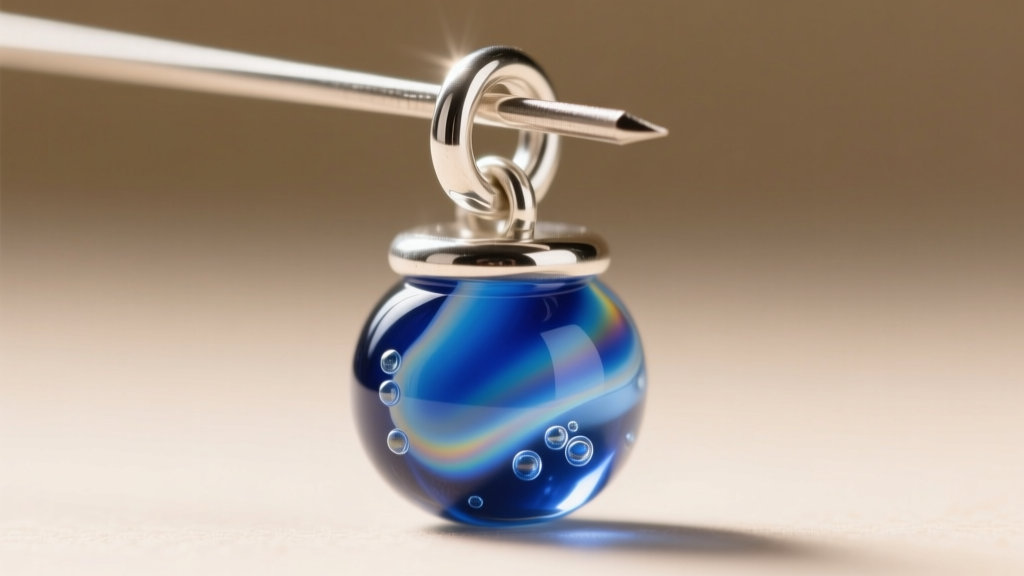
When evaluating the value of the necklace, inspect the chain gauge. A 0.8mm or 0.9mm hollow cable chain is a massive red flag for a glass pendant; it will kink and snap under the pendulum effect of a heavy charm walking down a flight of stairs.
- Minimum Acceptable: 1.2mm solid stainless steel box chain or 1.2mm curb chain.
- Artisan Standard: 1.5mm to 2.0mm sterling silver rope chain or wheat chain, which offers multidimensional tensile strength and resists kinking.
Red Flags: How to Spot Overpriced Costume Jewelry
Before purchasing a shot glass necklace from an online marketplace or festival vendor, run it through this quick troubleshooting checklist to ensure you aren't overpaying for cheap goods:
- The Vinegar Smell: If you open the packaging and the resin pendant smells sharply of vinegar or harsh chemicals, the epoxy was improperly mixed or cured. This "amine blush" indicates a weak structural integrity that will remain tacky and attract dirt forever.
- The Seam Test: Run your fingernail down the side of the "glass." If you feel a raised ridge, it is cast acrylic or low-grade molded glass, not hand-blown lampwork. Hand-blown borosilicate is perfectly seamless.
- The Meniscus Check: For resin pieces mimicking a full shot of liquor, the top surface should have a slight, natural dome (meniscus) created by surface tension. If it is perfectly flat and has sharp, 90-degree mold edges, it was mass-produced in a factory and sanded down, stripping away the UV-protective topcoat.
- Bail Adhesive Residue: Inspect where the metal loop meets the glass rim. If you see cloudy, yellowish glue spilling over the edges, walk away. The glue will become brittle and snap within six months of wear.
Final Verdict: Are They Worth the Investment?
The value of a shot glass necklace is entirely dependent on your expectations. If you are looking for a disposable, fun accessory for a single weekend at a music festival, the $15 acrylic tier serves its purpose perfectly. However, if you view jewelry as an extension of personal art and want a piece that will survive years of daily wear without yellowing, snapping, or leaking, you must budget between $45 and $120. By prioritizing kiln-annealed borosilicate glass, stabilized epoxy resins, and properly gauged steel or silver chains, you can secure a novelty pendant that is as durable as it is conversation-starting.


