2026 Necklace Ideas: A Buyer's Guide to Trending Chain Styles
Discover the best 2026 necklace ideas with our expert buyer's guide. Learn how to choose chain styles, pendant weights, and metal grades.

The 2026 Shift: Moving Beyond Fast Fashion Jewelry
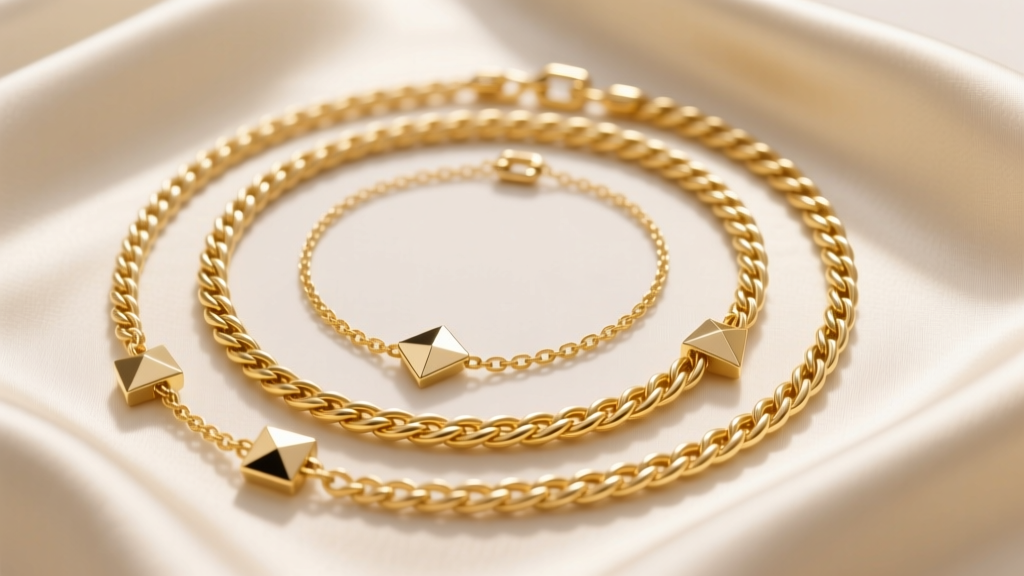
When searching for fresh necklace ideas, most consumers are bombarded with superficial trend roundups that prioritize fleeting aesthetics over structural longevity. As we navigate the jewelry market in 2026, the most discerning buyers are shifting away from hollow, mass-produced fast fashion pieces and investing in modular, high-integrity chain styles. A truly versatile necklace is not just about the visual drape; it is an exercise in metallurgy, tensile strength, and mechanical engineering. This comprehensive buyer's guide strips away the marketing fluff to reveal exactly what you should look for when evaluating chain necklaces, pendant pairings, and clasp mechanisms for lifelong wear.
Anatomy of a Chain: Selecting the Right Link Structure
The foundation of any enduring necklace is its link architecture. Different chain styles offer vastly different levels of durability, flexibility, and light reflection. Understanding the cross-sectional geometry of these links is critical for matching the chain to your lifestyle and pendant weight.
Cable, Curb, and Rope: Tensile Strength Compared
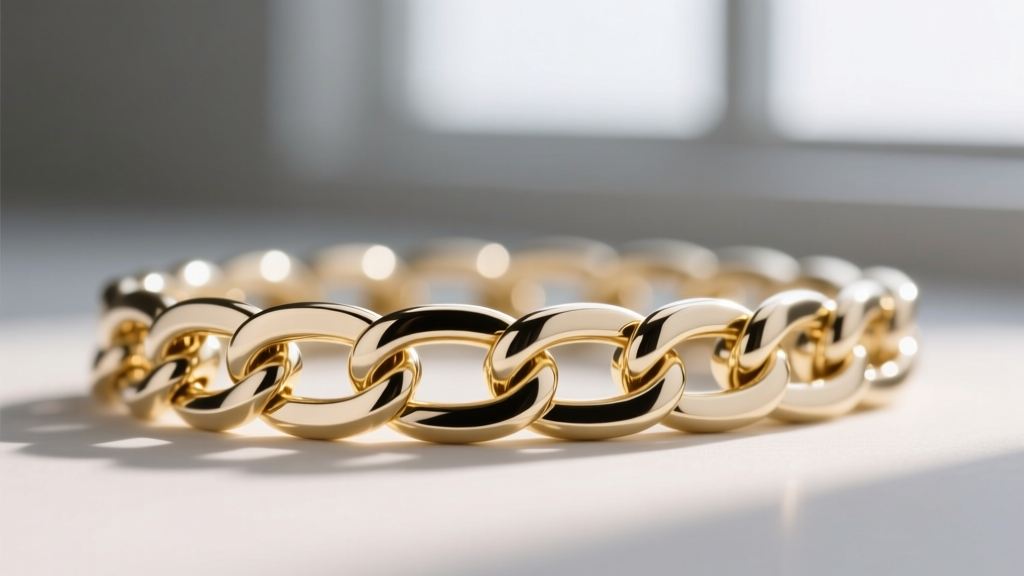
Cable chains, characterized by uniform oval links, are a staple for delicate layering. However, a standard 1.2mm cable chain has a low tensile threshold and will easily snap if subjected to the dynamic shear force of a pendant heavier than 5 grams. For everyday wear, the curb chain is vastly superior. Curb links are twisted and flattened, allowing them to interlock tightly and lay flush against the clavicle. A 2.5mm solid curb chain can comfortably support pendants up to 20 grams without risking link distortion.
For those seeking high-impact statement pieces, the rope chain remains a top contender among luxury necklace ideas. Rope chains are constructed by twisting multiple strands of links into a helical pattern. This multi-axis structure distributes tension evenly, making a 4.0mm solid rope chain capable of bearing heavy gemstone pendants exceeding 50 grams. Beware of hollow-core rope chains, which are prone to crushing and are nearly impossible for jewelers to solder if they break.
Metallurgy & Hallmarks: What You Are Actually Paying For
The price of a necklace is inextricably linked to its elemental composition. According to the Federal Trade Commission Jewelry Guides, precious metals must be accurately hallmarked, but understanding the practical implications of these alloys is where true expertise lies.
| Metal Grade | Purity | Vickers Hardness (Approx.) | Best Application | Price Tier |
|---|---|---|---|---|
| 14k Yellow Gold | 58.5% Gold | 135 HV | Everyday chains, high durability | Premium |
| 18k Yellow Gold | 75.0% Gold | 110 HV | Delicate pendants, rich color | Luxury |
| 925 Sterling Silver | 92.5% Silver | 65 HV | Layering, fashion-forward styles | Accessible |
| 316L Surgical Steel | Iron/Chromium | 160 HV | Heavy industrial chains, aquatic wear | Budget |
While 18k gold offers a deeper, more saturated yellow hue, its lower Vickers hardness makes it susceptible to micro-scratches and link stretching over time. For chain necklaces that endure daily friction, 14k gold is the optimal choice. If you opt for 925 sterling silver, ensure it features a rhodium plating to stave off sulfur-induced tarnishing, a common failure mode in humid environments. For authoritative data on gold alloy compositions and market standards, the Gemological Institute of America (GIA) provides extensive educational resources on precious metal grading.
Pendant Pairing: Bail Dimensions and Weight Ratios
A common mistake buyers make when executing layered necklace ideas is ignoring the mechanical interface between the chain and the pendant: the bail. The bail is the loop that connects the two components, and its internal diameter must be carefully calibrated to the chain's thickness.
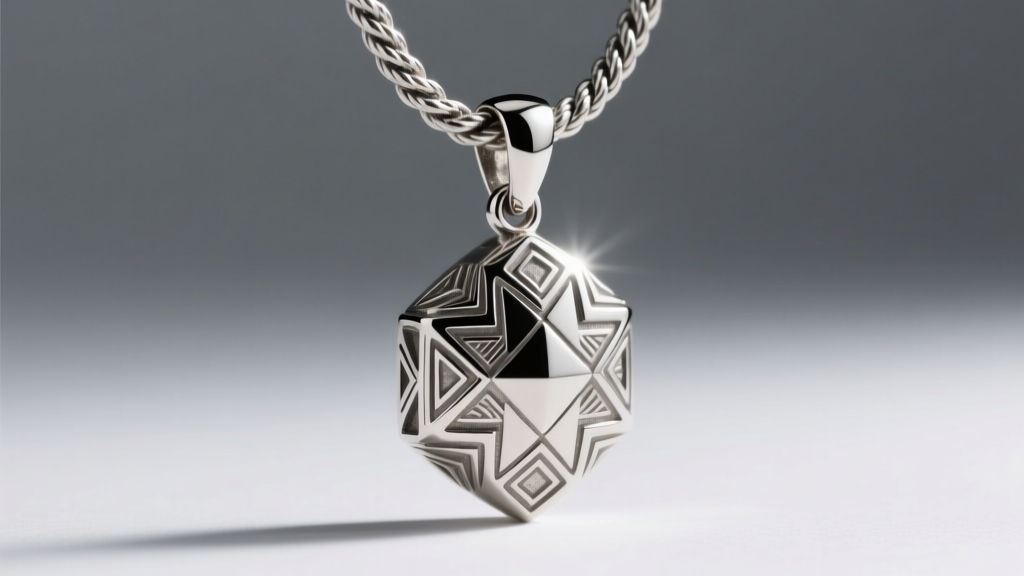
If a 3mm chain is forced through a bail with a 3.5mm inner diameter, the resulting friction will act like a file, slowly eroding the gold or silver at the contact point. Over a period of 12 to 18 months, this friction wear will cause the bail to snap, resulting in the loss of the pendant. The Golden Rule of Bail Sizing: The inner diameter of the bail should exceed the maximum cross-sectional width of the chain by at least 1.5mm to allow for fluid articulation and prevent abrasive wear. Furthermore, always inspect the bail's connection to the pendant body; a soldered, tapered bail offers significantly higher shear resistance than a simple glued or crimped loop.
Clasp Engineering: Preventing the Dreaded Drop
The clasp is the single most frequent point of mechanical failure on any necklace. When evaluating necklace ideas in a boutique or online, scrutinize the clasp type relative to the chain's overall weight.
- Spring Ring Clasps: Found on budget and delicate chains. They rely on a microscopic internal tension spring that degrades over time, leading to accidental unclasping. Avoid these for any chain over 10 grams.
- Lobster Clasps: The industry standard for mid-weight chains. They feature a robust external lever and a thicker internal spring. Ensure the swivel joint at the base of the lobster clasp rotates freely; if it is rigid, it will twist the chain and weaken the end-links.
- Box Clasps with Safety Figures: Mandatory for heavy statement chains (30+ grams). The box mechanism locks a folded metal tab into a square housing, while the 'safety figures' (figure-8 wire hinges) provide a secondary fail-safe if the primary box latch is depressed accidentally.
The Buyer's In-Store Inspection Checklist
Before finalizing your purchase, run the necklace through this rigorous 5-point physical inspection to ensure manufacturing excellence:
1. The Link Solder Test: Run your fingernail along the chain. Every single link should be fully soldered closed. If you feel a tiny gap or catch, the chain is unsoldered and will easily pull apart under tension.
2. The Drape Test: Hold the chain by both ends and let it hang. It should fall in a fluid, continuous curve without any stiff sections or 'kinks' that indicate poor link alignment.
3. The Hallmark Loupe Check: Use a 10x jeweler's loupe to inspect the clasp and the jump ring for the metal purity stamp (e.g., 14K, 925) and the manufacturer's trademark. Missing trademarks often indicate unverified offshore alloys.
4. The Jump Ring Gauge: The jump rings connecting the chain to the clasp should be of a thicker gauge (lower number) than the chain links themselves to handle the localized stress of clasp manipulation.
5. The Tension Pull: Gently pull the chain taut between your hands and twist slightly. Listen for any metallic grinding or popping, which suggests poorly finished link interiors rubbing against one another.
By prioritizing structural integrity, precise metallurgy, and mechanical foresight, you can curate a collection of necklace ideas that not only define your 2026 aesthetic but endure as lifelong heirlooms. Stop buying disposable trends and start investing in engineered elegance.


