Expert Puka Necklace Care: Cleaning & Maintenance Tips
Learn how to properly clean, maintain, and protect your authentic puka necklace from sweat, sunscreen, and daily wear with expert shell care tips.

The Mineralogy of Puka: Why Shell Requires Specific Care
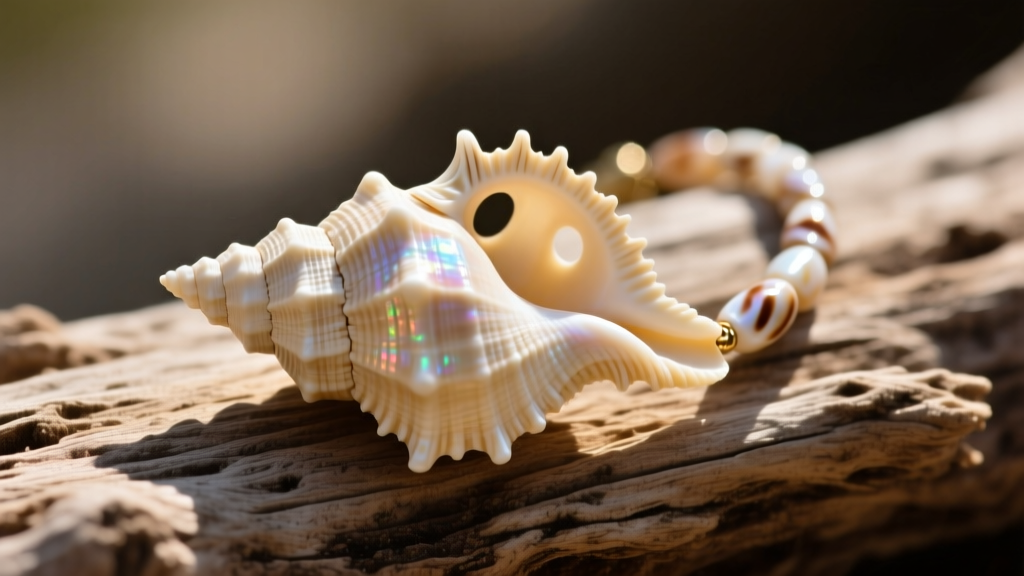
The term 'puka' translates to 'hole' in Hawaiian, originally referring to the naturally occurring, cone-shaped fragments of the Conus shell found on the beaches of Hawaii and the Indo-Pacific. Unlike faceted gemstones or inert metals, an authentic puka necklace is an organic gem material. Its structure is a biocomposite matrix of calcium carbonate (CaCO3) crystals bound together by conchiolin, an organic protein. This dual composition makes puka shells incredibly beautiful but highly vulnerable to environmental stressors, acidic compounds, and improper cleaning techniques. Treating a puka necklace like a standard silver or gold chain will rapidly degrade the shell's natural luster and compromise the structural integrity of the stringing material.
Authenticity Verification: Real Cone Shell vs. Imitations
Before applying any cleaning protocol, you must verify the authenticity of your puka necklace. The market is saturated with imitations made from dyed howlite, porcelain, plastic, or resin. Cleaning an organic shell requires vastly different methods than cleaning a plastic bead.
The Visual and Tactile Test
Authentic puka shells are asymmetrical. Because they are naturally formed from the spire of a cone shell, one side will be distinctly convex (rounded) while the other is concave (cupped). Furthermore, the central hole is rarely perfectly symmetrical; it is usually wider on the concave side and narrower on the convex side. If your necklace features beads that are perfectly flat, uniformly thick, or possess laser-drilled, perfectly cylindrical holes, you are likely dealing with manufactured imitations or heavily altered shell discs, not true natural puka.
The Hot Pin Test (Use with Caution)
If visual inspection is inconclusive, conservators sometimes use a heated needle test on an inconspicuous area (like the inner rim of the hole). When a hot pin touches genuine calcium carbonate shell, it will not melt or emit a chemical odor. However, if the bead is plastic or resin, it will melt, stick to the pin, and release an acrid, synthetic smell. Note: Do not use this test on dyed howlite, as it is a natural stone and will pass the heat test, though its reaction to acids differs from shell.
The Step-by-Step Puka Necklace Cleaning Protocol
When your authentic puka necklace accumulates sebum (body oils), dead skin cells, and environmental dust, it requires a gentle, non-acidic cleaning approach. According to guidelines for organic gem materials from the Gemological Institute of America (GIA), calcium carbonate structures must never be exposed to ultrasonic cleaners or harsh chemical dips.
- Dry Dusting: Before introducing moisture, gently wipe the necklace with a clean, lint-free microfiber cloth to remove loose abrasive particulates like sand or dust that could micro-scratch the shell surface during wet cleaning.
- Prepare the Solution: Mix a few drops of pH-neutral, unscented liquid castile soap (such as Dr. Bronner's) into a bowl of distilled water. Never use tap water, as the chlorine, fluoride, and varying pH levels can leave mineral deposits or slowly etch the shell.
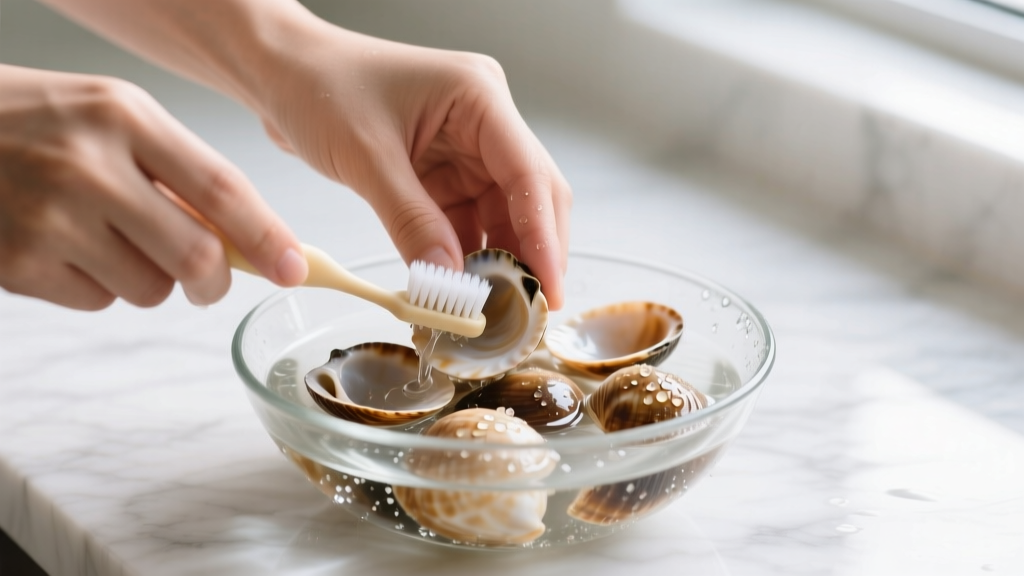
- Gentle Agitation: Dip an extra-soft baby toothbrush (bristle diameter of 0.1mm or less) into the solution. Gently brush the surface of each shell, paying special attention to the concave side and the area immediately surrounding the hole where grime accumulates.
- Quick Rinse: Briefly swish the necklace in a separate bowl of clean distilled water. Do not let the necklace soak for more than 2-3 minutes, as prolonged water exposure can cause the internal stringing material to swell and degrade.
- Drying: Lay the necklace flat on a dry, absorbent cotton towel. Pat the shells gently to remove excess moisture. Allow it to air dry completely in a well-ventilated room away from direct sunlight or heat sources, which can warp the string or cause the organic proteins in the shell to become brittle.
Chemical Incompatibilities: What Destroys Calcium Carbonate
The most common cause of irreversible damage to puka necklaces is chemical exposure. Calcium carbonate is highly reactive to acids and certain organic compounds. Below is a breakdown of common substances that will ruin an authentic puka necklace.
| Chemical / Substance | Common Source | Reaction on Puka Shell (CaCO3) | Reaction on Stringing Material |
|---|---|---|---|
| Lactic & Uric Acid | Human Sweat | Slowly dissolves the polished outer layer, leaving a dull, chalky finish. | Causes natural silk threads to rot and snap; degrades nylon over time. |
| Hypochlorite / Chlorine | Swimming Pools, Tap Water | Etches the surface, causing severe pitting and structural weakening. | Bleaches and weakens cotton and silk fibers rapidly. |
| Oxybenzone & Avobenzone | Chemical Sunscreens | Absorbs into the porous shell matrix, causing permanent yellow/brown staining. | Attracts dust and dirt, embedding grime into the thread. |
| Ammonia | Commercial Jewelry Cleaners | Strips the natural conchiolin proteins, resulting in a brittle, flaking shell. | Corrodes metallic clasps and wire-wrapping components. |
Stringing Material Degradation and Restringing Intervals
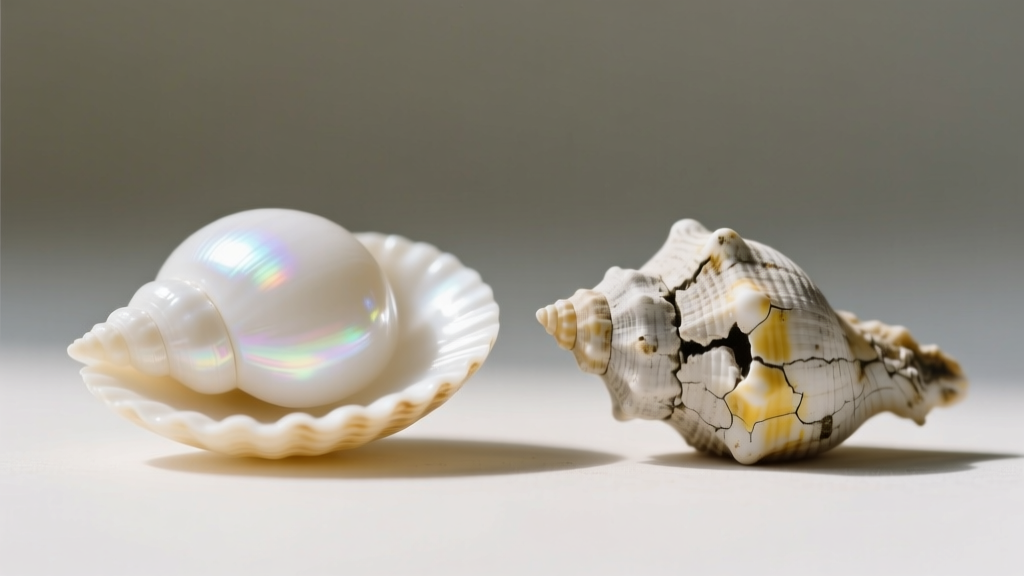
Care for a puka necklace extends beyond the shells themselves; the structural integrity of the string is paramount. Vintage 1970s puka necklaces were frequently strung on natural silk or early monofilament nylons. Silk is highly hygroscopic and absorbs sweat, leading to rapid biological degradation and eventual snapping. If you own a vintage piece, assume the thread is compromised.
Modern, high-quality puka necklaces are typically strung on braided nylon micro-cords (such as C-Lon or S-Lon, usually in 0.9mm or 1.0mm gauges) or coated stainless steel beading wire. While braided nylon is highly resistant to UV and moisture, the constant friction of the shell edges rubbing against the thread inside the drill holes will eventually cause fraying. Inspect the thread near the clasp and the center of the necklace (where the shells hang heaviest) every six months. If you see 'fuzzing' or exposed inner cores of the thread, the necklace must be restrung immediately to prevent catastrophic failure and loss of the shells.
Archival Storage for Organic Jewelry
How you store your puka necklace when not in use dictates its lifespan. The National Park Service (NPS) Museum Management Program advises that organic collections require stable humidity and protection from UV radiation to prevent the breakdown of structural proteins.
- Avoid Airtight Plastic Bags: Storing organic shells in sealed polyethylene bags can trap residual moisture, creating a microclimate that promotes mold growth on the stringing material and causes the shells to develop a musty odor.
- Use Breathable Pouches: Store the necklace in an untreated, unbleached cotton or muslin pouch. This allows the jewelry to 'breathe' while protecting it from abrasive contact with harder gemstones or metal jewelry in your collection.
- Control UV Exposure: Never store puka necklaces on open jewelry stands near windows. Prolonged exposure to ultraviolet light will break down the organic pigments and conchiolin within the shell, leading to an irreversible yellowing and a brittle texture.
- Hang or Lay Flat: If the necklace is strung on a memory wire or heavy gauge cable, hanging is acceptable. However, if it is strung on flexible braided nylon or silk, always lay it flat in a drawer. Hanging flexible puka necklaces for months on end places continuous tension on the thread and can cause the necklace to permanently stretch, leading to unsightly gaps between the shells.
Frequently Asked Questions
Can I use a mild vinegar solution to clean heavily soiled puka?
No. Vinegar is acetic acid. Even when heavily diluted, acetic acid will immediately react with the calcium carbonate in the puka shell, creating carbon dioxide bubbles and dissolving the polished surface of the bead. Stick strictly to pH-neutral soaps and distilled water.
My vintage puka necklace has turned yellow. Can I bleach it white again?
Yellowing in vintage puka is caused by the oxidation of the shell's natural organic proteins and the absorption of skin oils over decades. While some restorers use highly diluted hydrogen peroxide (3%) to lighten organic materials, this process aggressively strips the shell of its natural moisture and conchiolin, leaving it chalky and prone to shattering. It is generally recommended to accept the natural patina of aged organic jewelry rather than risk destroying it with chemical bleaching agents.


