Hawaiian Flower Necklace Value Guide: 2026 Pricing & Quality Tiers
Discover the true value of a Hawaiian flower necklace in 2026. Compare pricing tiers, material grades, and expert tips to avoid overpriced tourist traps.

The Economics of Hawaiian Floral Jewelry
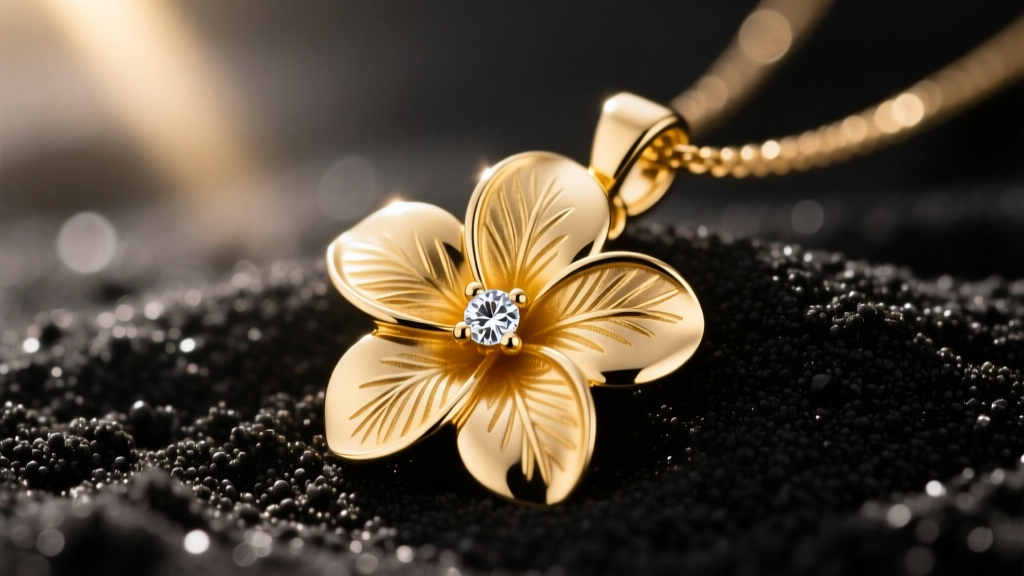
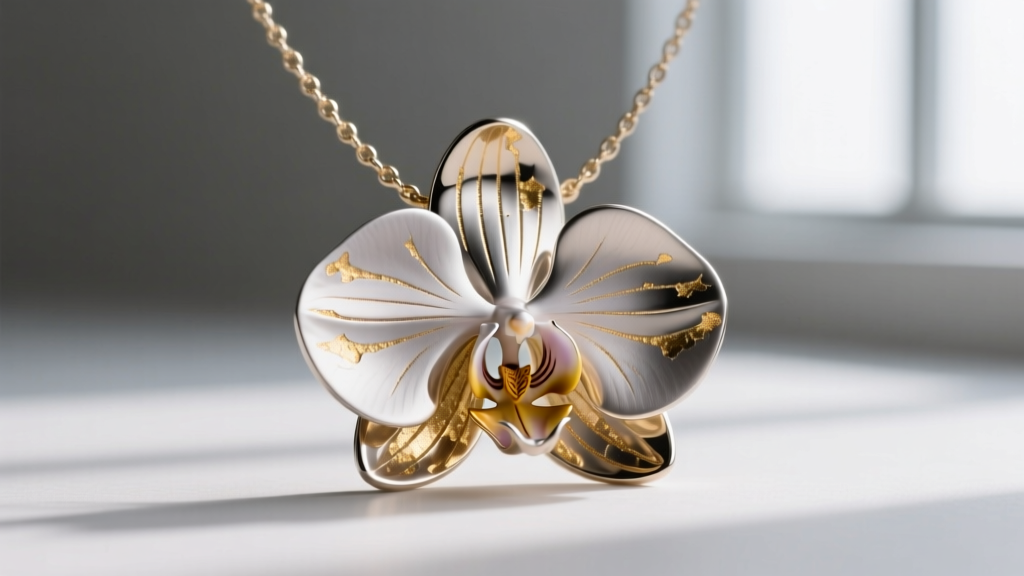
The Hawaiian flower necklace is more than a tropical souvenir; it is a wearable piece of island heritage. Whether featuring the plumeria (symbolizing new beginnings), the hibiscus (representing delicate beauty), or the orchid (denoting luxury and refinement), these pendants carry deep cultural resonance. However, the modern jewelry market is heavily saturated. In 2026, consumers face a massive price disparity, with Hawaiian floral necklaces ranging from $15 airport trinkets to $3,000 heritage heirlooms. Assessing the true value of these pieces requires looking past the motif and examining the metallurgy, craftsmanship, and brand provenance.
When evaluating a Hawaiian flower necklace, the primary driver of cost is the base material and the manufacturing technique. A budget assessment must separate genuine precious metal investments from mass-produced costume jewelry disguised by clever marketing and thick gold-colored plating.
Material Breakdown: What You Are Actually Paying For
To accurately assess value, you must understand the material grades used in tropical jewelry. The market is distinctly segmented into three tiers.
The Tourist Tier: Base Metals and Flash Plating
Priced between $15 and $60, these necklaces are typically cast from zinc alloys, brass, or nickel-silver. They are finished with "gold flash" or "gold wash," which the Federal Trade Commission (FTC) defines as a gold coating of less than 0.175 microns. While they look vibrant on the display shelf, these pieces suffer from rapid galvanic corrosion. The acidic pH of human sweat breaks down the microscopic gold layer within three to six months, leaving a dull, greenish-black oxidized base metal. From a value perspective, this tier is purely decorative and holds zero intrinsic or resale value.
The Mid-Range Sweet Spot: Sterling Silver and Vermeil
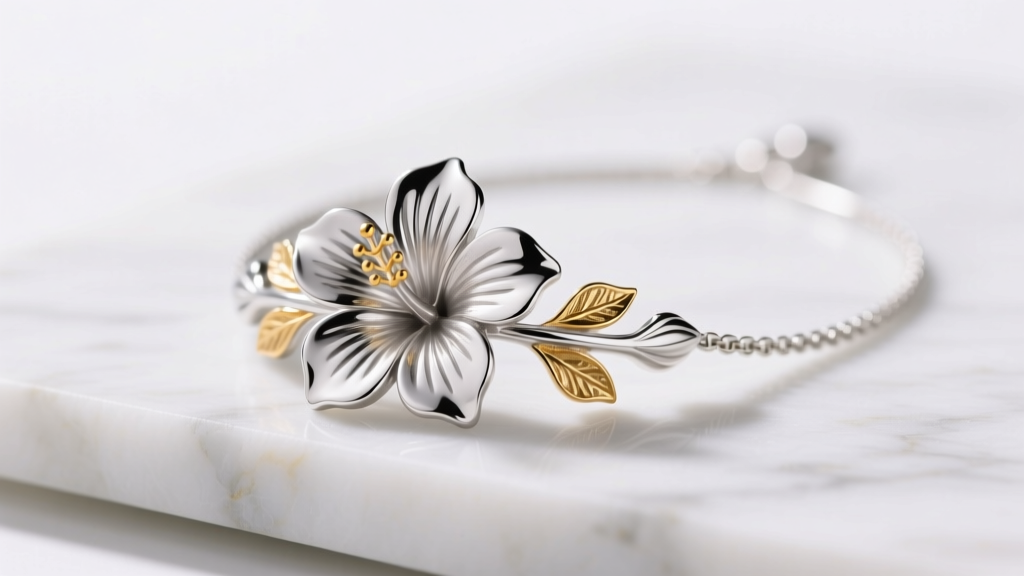
For budgets between $90 and $300, 925 sterling silver and gold vermeil offer the best balance of aesthetics and longevity. Sterling silver provides a durable, hypoallergenic base. When shopping for vermeil, strict FTC guidelines dictate that the piece must have a sterling silver base plated with at least 10k gold that is a minimum of 2.5 microns thick. This thickness ensures the gold layer will not easily wear through to the silver beneath, provided the wearer avoids harsh chemicals and chlorinated pool water. High-quality vermeil hibiscus pendants often feature rhodium plating on the silver recesses to create a striking two-tone contrast that mimics much more expensive solid gold pieces.
The Investment Tier: Solid 14k and 18k Gold
Solid gold Hawaiian flower necklaces start around $500 for lightweight 10k or 14k pieces and can exceed $2,500 for substantial 18k designs accented with diamonds. According to the Gemological Institute of America (GIA), 14k gold contains 58.5% pure gold, alloyed with copper and silver to provide the necessary tensile strength for intricate floral casting. 18k gold (75% pure) offers a richer, deeper yellow hue but is slightly softer, making it better suited for pendants that do not endure heavy daily impact. These pieces retain intrinsic melt value and are crafted to be passed down as generational heirlooms.
2026 Price vs. Value Matrix
The following matrix outlines current market expectations for Hawaiian floral pendants (excluding the chain) based on material and craftsmanship.
| Quality Tier | Primary Material | Motif Detail & Finish | 2026 Price Range | Expected Lifespan |
|---|---|---|---|---|
| Costume / Tourist | Zinc Alloy / Brass | Blurred details, flash plating, glued stones | $15 - $60 | 3 - 12 Months |
| Fashion / Mid-Range | 925 Sterling Silver | Sharp CAD/CAM details, rhodium accents, prong-set CZ | $75 - $180 | 5 - 15 Years |
| Premium Vermeil | 925 Silver + 2.5μm 14k Gold | Hand-polished, deep enamel fills, secure stone settings | $180 - $350 | 10 - 20 Years (with care) |
| Heritage / Investment | Solid 14k or 18k Gold | Lost-wax cast, hand-engraved veins, melee diamonds | $600 - $3,500+ | Lifetime / Heirloom |
Spotting Authentic Craftsmanship vs. Mass Production
When holding a Hawaiian flower necklace, specific physical cues will immediately reveal its manufacturing origin and true value. Mass-produced pieces rely on cheap die-stamping or low-resolution 3D printing for their molds, resulting in several identifiable flaws:
- Casting Lines and Sprue Marks: Flip the pendant over. Cheap factory pieces often have a visible, rough seam running down the edge or a raised bump where the mold was injected. High-end pieces are finished by hand to erase these manufacturing scars.
- Petal Vein Depth: In a premium plumeria or orchid pendant, the veins of the petals should have deep, varied topography. Mass-produced pieces feature shallow, uniform, and blurred grooves that lack organic realism.
- Stone Settings: Budget necklaces glue synthetic cubic zirconia or colored glass directly into the metal recess. Value-driven pieces use traditional prong or bezel settings to secure genuine melee diamonds or high-grade lab-grown sapphires, ensuring the stones do not dislodge during daily wear.
- Chain Hardware: A heavy solid gold pendant should never be paired with a hollow, lightweight chain. Check the jump rings and clasps; premium necklaces use soldered jump rings and sturdy lobster clasps stamped with a clear hallmark (e.g., 14K or 585).
Heritage Brands vs. Mainstream Retailers
Provenance plays a significant role in the valuation of Hawaiian jewelry. Heritage brands based in the islands, such as Na Hoku or Maui Divers, command a premium (often 20% to 40% higher than mainland equivalents). However, this premium buys you guaranteed metallurgical integrity, authentic cultural design consultation, and robust lifetime warranties against manufacturing defects.
Conversely, mainstream online retailers and drop-shippers often use the term "Hawaiian style" to bypass authenticity claims. While you can find excellent value from independent jewelers on platforms like Etsy, you must rigorously verify their material disclosures. If a listing simply says "gold plated" without specifying the base metal and micron thickness, assume it is a low-value brass base with flash plating.
"When evaluating tropical jewelry, always demand the exact micron thickness of the plating and the specific alloy composition of the base metal. Vague marketing terms like 'gold-dipped' are red flags for substandard manufacturing." — Independent Jewelry Appraisal Standards, 2025.
Final Verdict: Maximizing Your Budget
If your budget is under $100, abandon the pursuit of gold and invest in a high-quality, solid 925 sterling silver hibiscus or plumeria pendant. Silver offers excellent longevity, can be polished indefinitely, and avoids the inevitable peeling associated with cheap gold plating.
For budgets between $150 and $400, seek out heavy gold vermeil over sterling silver from reputable artisans who disclose their plating thickness. This provides the luxurious aesthetic of solid gold at a fraction of the cost. Finally, if you are allocating over $600, bypass the fashion brands entirely and purchase a solid 14k gold piece from a recognized heritage jeweler. By aligning your material expectations with these specific price brackets, you ensure your Hawaiian flower necklace remains a beautiful, enduring asset rather than a fleeting vacation expense.


