The Beginner's Guide to Wearing a Butt Necklace & Body Chains
Discover how to choose, measure, and style a butt necklace or lower-body chain. Learn about skin-safe metals, sizing, and sweat-proof care.


When exploring the world of body jewelry, you may have encountered the colloquial term butt necklace. While the name might sound unconventional or purely provocative, it actually refers to a highly popular, versatile category of lower-body chains, hip harnesses, and waist-to-thigh drapes. Unlike traditional necklaces that rest on the collarbone, a lower body chain is designed to accentuate the natural curvature of the hips, pelvis, and gluteal region. Whether you are preparing for a summer music festival, looking for a unique beach accessory, or exploring boudoir styling, understanding the mechanics of lower-body jewelry is essential. This beginner-friendly explainer will guide you through the material science, biomechanical sizing, and styling techniques required to wear a butt necklace comfortably and safely in 2026 and beyond.
Decoding the Terminology: What Exactly Is a Butt Necklace?
In the jewelry industry, the term "butt necklace" is a consumer-driven search phrase that encompasses several distinct styles of body harnesses. Generally, these pieces fall into three categories:
- Hip Chains: Simple, single-strand chains that wrap around the iliac crest (the top of the hip bone) and rest just above the glutes.
- Waist-to-Thigh Harnesses: More complex, multi-strand designs that anchor at the natural waist and drape diagonally across the hips and upper thighs, creating a cage-like effect over the lower body.
- Gluteal Drapes: Delicate chains attached to a waistband or thong-style base that cascade directly down the back, accentuating the gluteal muscles.
Understanding which style you are looking for will dictate the type of clasps, chain weaves, and metals you should prioritize. Because these pieces are worn in areas prone to high friction, sweat, and skin folds, material selection is not just an aesthetic choice—it is a dermatological necessity.
The Metal Matrix: Skin-Safe Materials for Lower Body Chains
The pelvic and gluteal regions generate significant body heat and moisture. According to the Association of Professional Piercers, prolonged exposure to sweat and friction can cause base metals to leach nickel and copper, leading to severe contact dermatitis and green skin staining. When shopping for a lower body chain, you must scrutinize the metal grade.
| Material | Grade / Standard | Sweat & Friction Safety | Average Price Range |
|---|---|---|---|
| Implant-Grade Titanium | ASTM F136 | Exceptional (Hypoallergenic, zero tarnish) | $85 - $180 |
| Surgical Stainless Steel | 316L | High (Safe for most, contains trace nickel) | $35 - $75 |
| Gold PVD over Steel | 316L Base + PVD | High (PVD prevents sweat from reaching base) | $45 - $90 |
| Sterling Silver | 925 | Low (Sulfur in sweat causes rapid tarnish) | $60 - $150 |
| Zinc Alloy / Brass | Unspecified | Dangerous (High allergy risk, rapid degradation) | $10 - $25 |
Expert Insight: Avoid sterling silver for waist-to-thigh harnesses. The Gemological Institute of America (GIA) notes that sulfur compounds naturally present in human sweat react with the copper alloyed in 925 silver, creating black silver sulfide tarnish. If you want the look of silver, opt for highly polished 316L stainless steel. If you want gold, ensure the piece uses Physical Vapor Deposition (PVD) coating rather than cheap electroplating, which will rub off against denim or skin within weeks.
The Biomechanics of Sizing: Why Hips Are Different Than Necks
The most common mistake beginners make when buying a butt necklace is treating hip measurements like neck or wrist measurements. The human neck is relatively static; your hip and pelvic circumference, however, is highly dynamic.
The Expansion Factor
When you transition from standing to sitting, squatting, or even walking, your gluteus maximus and hip flexors expand. The circumference of your hips can increase by 1.5 to 3 inches depending on your body composition and posture. A static chain sized exactly to your standing measurements will dig into your skin, restrict movement, and eventually snap at the clasp.
The Extender Chain Rule
To accommodate biomechanical expansion, a high-quality lower body chain must feature an adjustable extender chain.
- Minimum Extender Length: 3 inches (7.5 cm).
- Optimal Extender Length: 4 to 5 inches (10 to 12.5 cm).
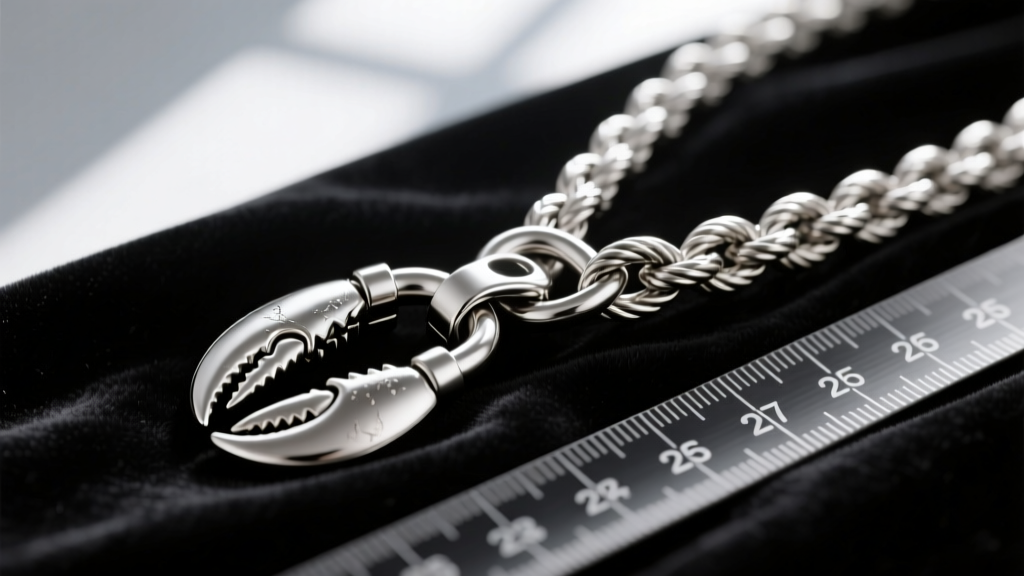
- Clasp Type: Always choose a lobster clasp over a spring-ring clasp. Spring rings have tiny internal springs that easily fail when subjected to the lateral tension of hip movement. Lobster clasps provide a secure, locking mechanism that can withstand the friction of walking and dancing.
How to Measure for a Hip Drape
- Stand naturally in front of a mirror.
- Wrap a soft tailor's tape measure around the exact point where you want the chain to rest (usually the iliac crest or the widest part of the hips).
- Record this standing measurement.
- Sit down in a chair and measure the exact same path. Record the seated measurement.
- Your ideal chain length should match your seated measurement, plus an additional 1 inch for drape and comfort.
Selecting the Right Chain Weave for Body Contact
Not all chain weaves are created equal when it comes to skin contact and body hair friction. The weave you choose will dictate the comfort level of your butt necklace.
- Rope Chain: Composed of twisted, interlocking links that mimic the look of a rope. This is the best weave for body chains. The twisted structure allows the chain to drape fluidly over the curves of the hips without kinking, and it rarely snags on body hair or lace fabrics.
- Snake Chain: Made of tightly joined wavy rings that form a smooth, tubular surface. While visually sleek and highly reflective, snake chains are notorious for pulling fine body hair and catching on the delicate threads of swimwear or lingerie.
- Cable Chain: The classic oval-link design. Cable chains are lightweight and affordable, but the flat links can flip and twist against the skin, requiring frequent adjustment.
- Figaro Chain: Features a pattern of flattened links (usually three short links followed by one long link). Figaro chains lay remarkably flat against the skin, making them an excellent choice for waist-to-thigh harnesses that need to sit flush under tight clothing.

Styling Scenarios: Festivals, Beach, and Boudoir
A lower body chain is a versatile anchor piece that adapts to your environment. Here is how to style your piece for maximum impact without compromising the integrity of the metal.
The Festival Environment
Music festivals involve hours of walking, dancing, and exposure to dust and sweat. Pair a 2.5mm 316L stainless steel rope chain harness over distressed denim cut-off shorts. The denim provides a friction barrier between the metal and your skin, preventing chafing. Avoid wearing delicate gold PVD pieces in mosh pits or crowded areas, as the lateral pulling from crowds can warp the links.
The Beach and Pool
If you are wearing a hip chain over swimwear, you must be vigilant about your environment. Saltwater is highly corrosive to metallic alloys, and chlorinated pool water will permanently cloud and degrade PVD coatings and sterling silver. If you take a dip in the ocean or pool, remove your body chain immediately and rinse it with fresh water.
Boudoir and Lingerie Layering
For intimate styling, a delicate 1.5mm gold PVD Figaro chain draped over a high-waisted lace thong creates a striking visual contrast. Because the environment is climate-controlled and free of abrasive fabrics, you can opt for lighter, more intricate harnesses that prioritize aesthetics over heavy-duty durability.
Sweat-Proofing and Maintenance
To ensure your butt necklace retains its structural integrity and shine, implement a strict post-wear cleaning routine.
- The Rinse: After wearing your chain in a high-sweat environment, rinse it under lukewarm tap water to remove lactic acid and salt deposits.
- The Wash: Use a drop of pH-neutral dish soap and a soft-bristled baby toothbrush to gently clean the crevices of the links. Avoid harsh chemical jewelry dips, which can strip PVD coatings.
- The Dry: Moisture trapped between chain links leads to localized oxidation. Use a microfiber cloth to dry the chain thoroughly, or use a hair dryer on the "cool" setting to blast water out of tight linkages.
- The Store: Store your body chain flat in a sealed silicone bag with an anti-tarnish strip. Never toss a multi-strand harness into a jewelry box, as the chains will inevitably tangle into a knot that requires needle-nose pliers to resolve.
By understanding the biomechanics of your body, selecting implant-grade or surgical metals, and respecting the friction of different chain weaves, you can confidently wear a butt necklace or lower-body harness as a stunning, comfortable extension of your personal style.


